June's selection stays close to fashion, but approaches it from four different angles – design, styling, makeup, and textile development. A Wilmington-born designer who treats garment-making as a spiritual practice, a Budapest stylist whose eye moves between magazine pages and film sets, a makeup artist whose moody, undone aesthetic has found a home across international editions, and an Argentinian designer whose relationship to textiles began on her family's farm.
This month, we're featuring:
Different disciplines within the same industry and different geographies – but each one working from a place of real conviction about what fashion can be. Each one was featured as Project of the Week throughout June — here's a closer look at each.
Asata Maisé
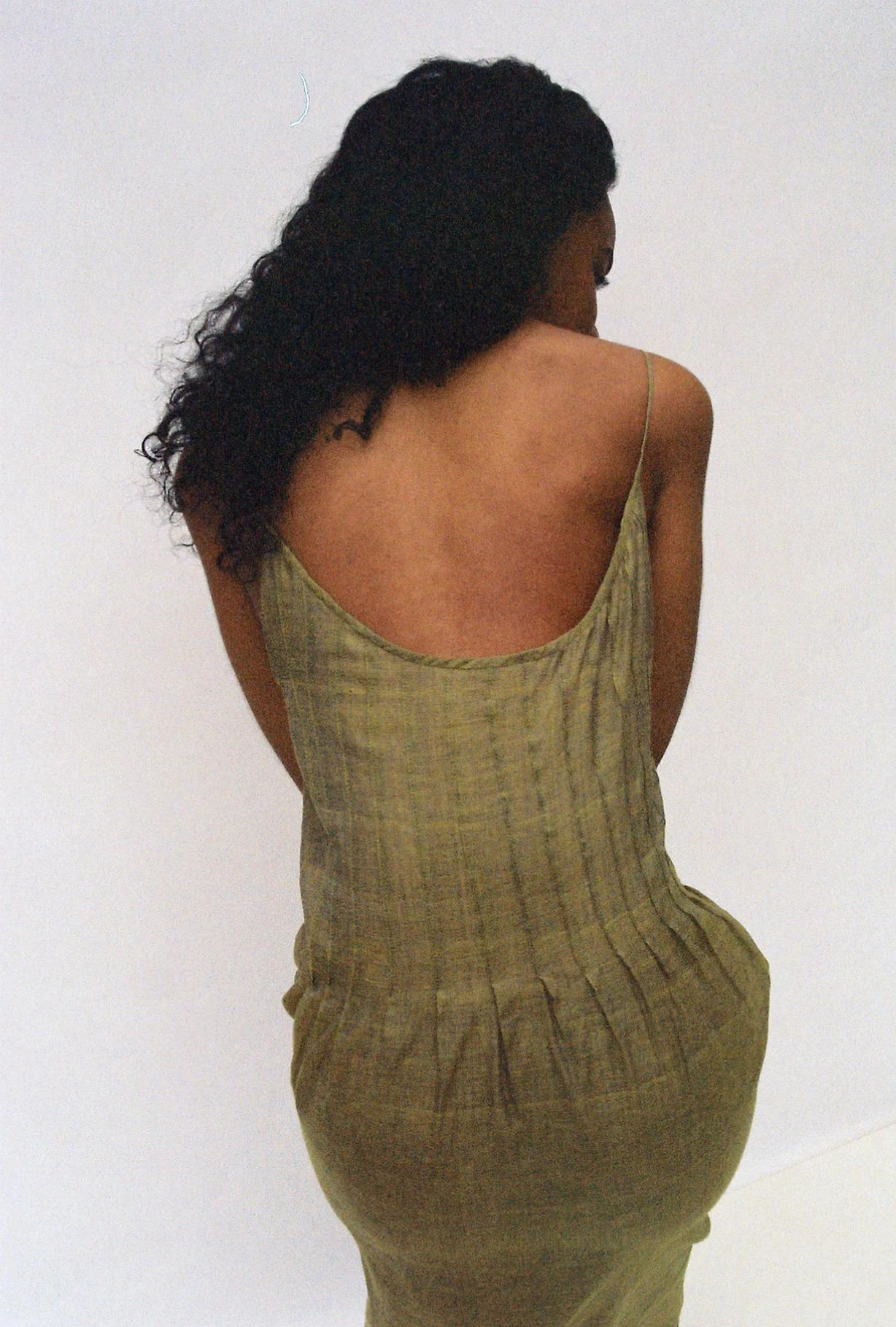
Asata Maise Spring/Summer 2025 Collection. Photography: Renee Friedrich, HÉLÈNE Agency.
There's a particular kind of fashion practice that resists the industry's usual pace, and Asata Maisé’s work is built around that resistance. The private studio of designer Asata Maisé Beeks, born and raised in Wilmington, Delaware, treats garment-making not as product development but as something closer to devotion. She frames the work as a vessel for creativity and, by extension, for spirituality. It's a rare thing to see a designer speak this directly about the interior dimension of making clothes, and rarer still to see it hold up as a coherent practice rather than a marketing angle.
Beeks is an advocate for preserving tradition through slow making, a commitment that shows up in visual storytelling around each piece, rather than a straightforward seasonal output.
Underneath all of it is a belief that beauty, quality, connection, and equity aren't luxuries to be rationed but things we're all owed, individually and collectively. That's an ambitious premise for a design studio to build itself on, and Asata Maisé's site carries it with the same unhurried intention the designer brings to the work.
Lúcia Várai
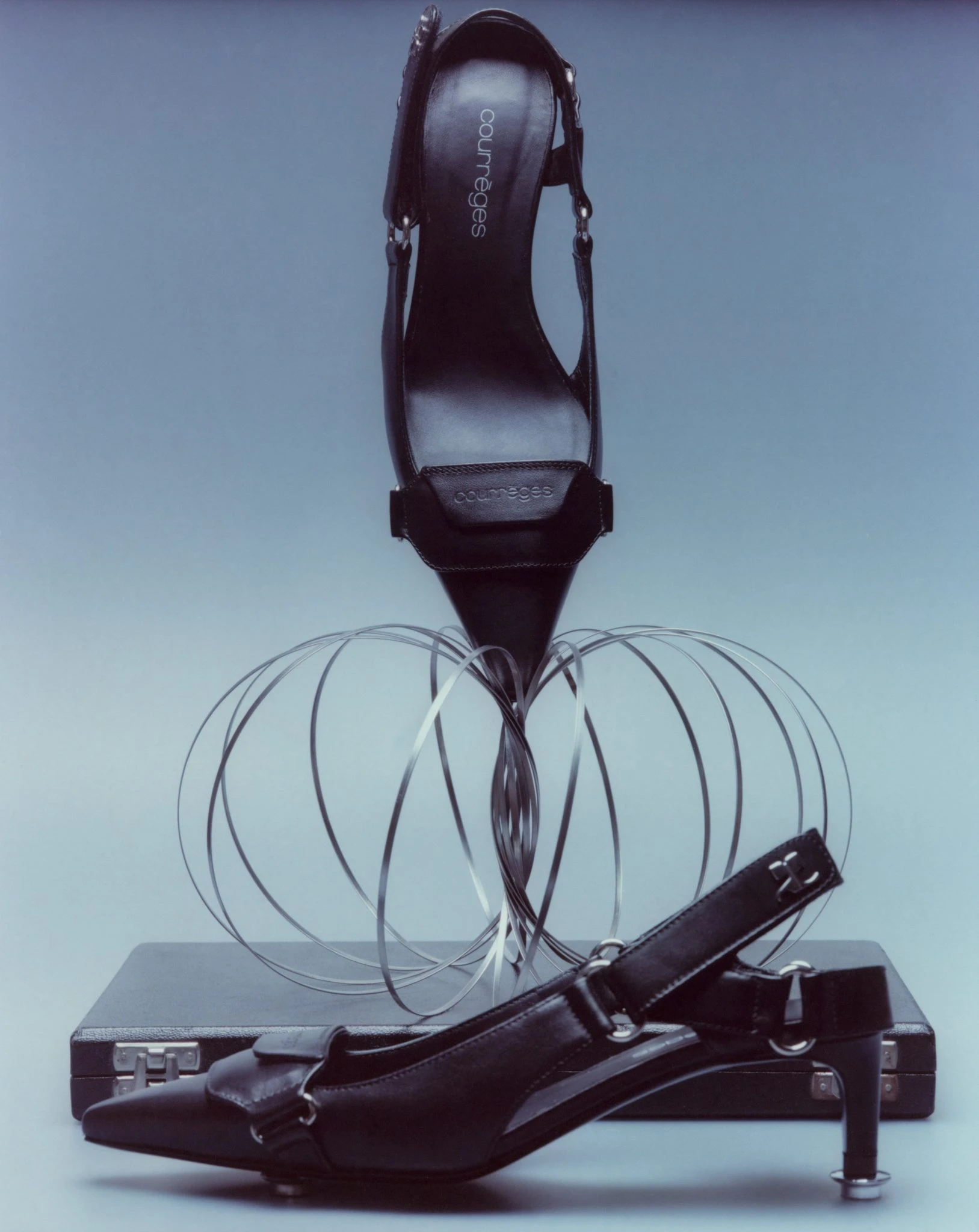
Still life by Balazs Fromm. Photography: Balazs Fromm. Styling: Lucia Varai
Styling, at its best, is a form of editing – knowing what a fashion story needs and what it doesn't. Lúcia Várai, working out of Budapest, has built a career on that instinct, moving between fashion and prop styling across editorial, commercial and film work.
Her path there wasn't a straight line into styling. She trained in Textile and Fashion Design first, which shows in how considered her styling choices are. From there she worked as a fashion editor at InStyle Hungary, before going freelance and building a practice that spans both fashion and prop styling for local and international magazines and brands. That range is unusual. Prop styling and fashion styling draw on overlapping but distinct sensibilities, and doing both well means thinking as much about a room's atmosphere as about how a garment falls on a body.
More recently, her work has extended into film, taking her editorial eye into costume departments – a very natural expansion for someone whose entire practice is about building a world around a garment, not just dressing a subject.