Collectives are the continuation of art school’s best lesson: art is not only an individual pursuit, but a peer-to-peer network. Right after graduation, they are not just useful, but sometimes necessary.
“I’d never thought about my friends as forming a part of my education.” ponders Quest Taludkar, The White Pube’s fictional avatar in the British critic duo debut novel, Poor Artists. Taludkar is a successful market artist, yet she struggled to find meaning in her practice after graduating. Because it’s true—the real curriculum of art school isn’t the lecture slides or the studio visits; it’s the sideways comments, the half-baked critiques after a party, the tools you borrow, barely know how to use and never return. It’s an ecosystem of shared time and attention. Then graduation happens, and most of that disappears. How do you survive that abrupt structural shift?
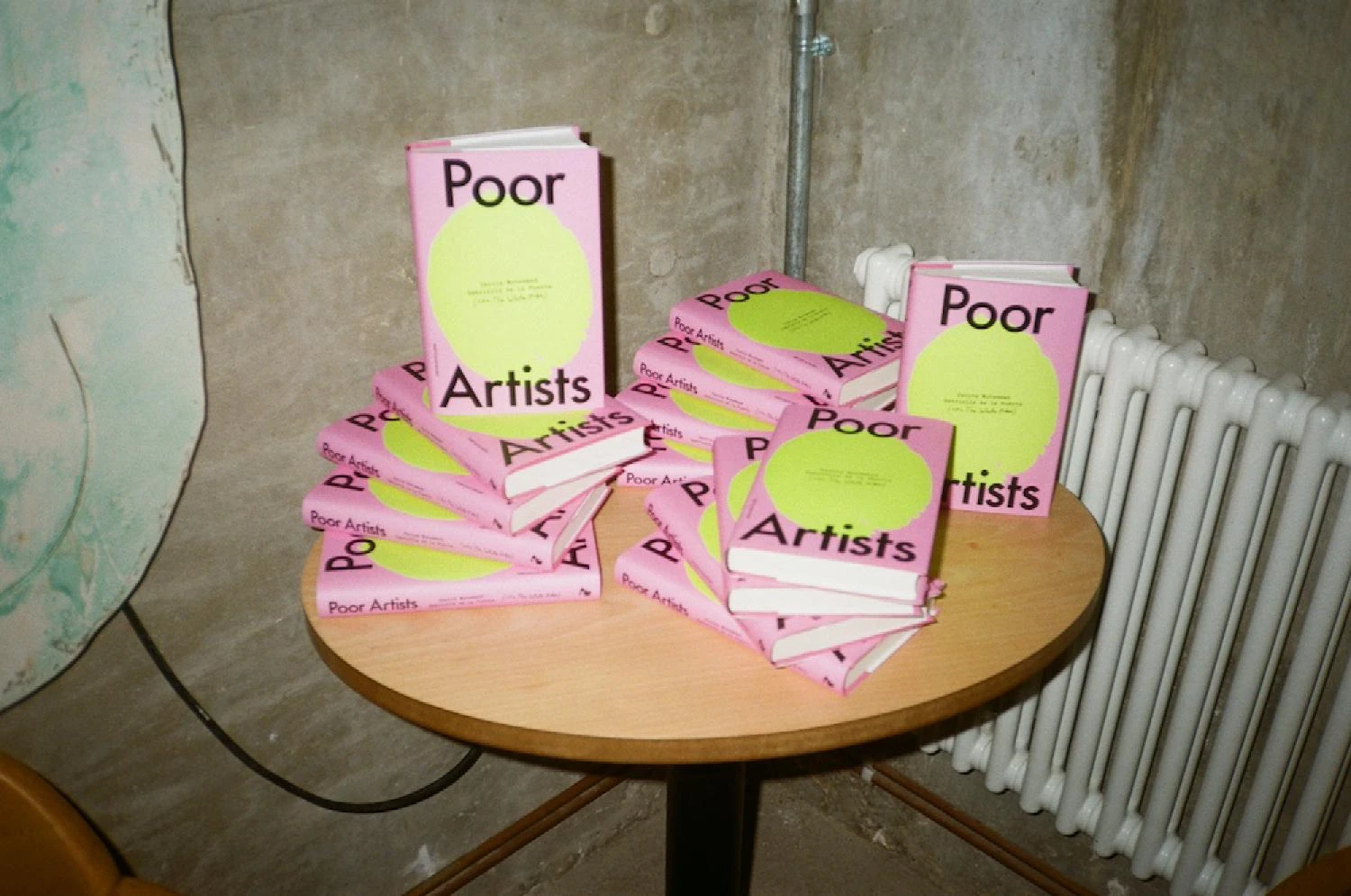
Poor Artists by The White Pube. Image courtesy of The White Pube.
Collectives might seem like little more than social clubs for artists putting on DIY shows, but for those just out of school, they can become lifelines. Here are four reasons to join (or form) a collective after graduation, through the experience of multiple art collectives that shaped the art world in the past years.
Reason 1: Collectives can replace the lost infrastructure of art school
Graduation is as much a ceremony as a structural shift. The crits stop, the studios empty out, the sense that someone’s paying attention vanishes. Sometimes, all you’re left with is rent, silence, and the echo of your own deadlines.
Collectives exist to plug that gap. They aren’t just about friendship, even if friendship is often where they start. They’re about building the support systems that art school provides by default and the art world rarely offers in the early years of an artist’s career.
Collectives can emerge from a shared desire for collaborative practice, which became prevalent in the 2010s post-internet era. Take LuckyPDF: four friends from Camberwell who in 2008 started to turn their post-grad restlessness into DIY live-streamed TV, staging performances and mock talk shows that kept the critique energy alive. DIS began as four friends making a magazine in New York, a playful way to critique lifestyle branding that snowballed into exhibitions and the DIS.art platform.
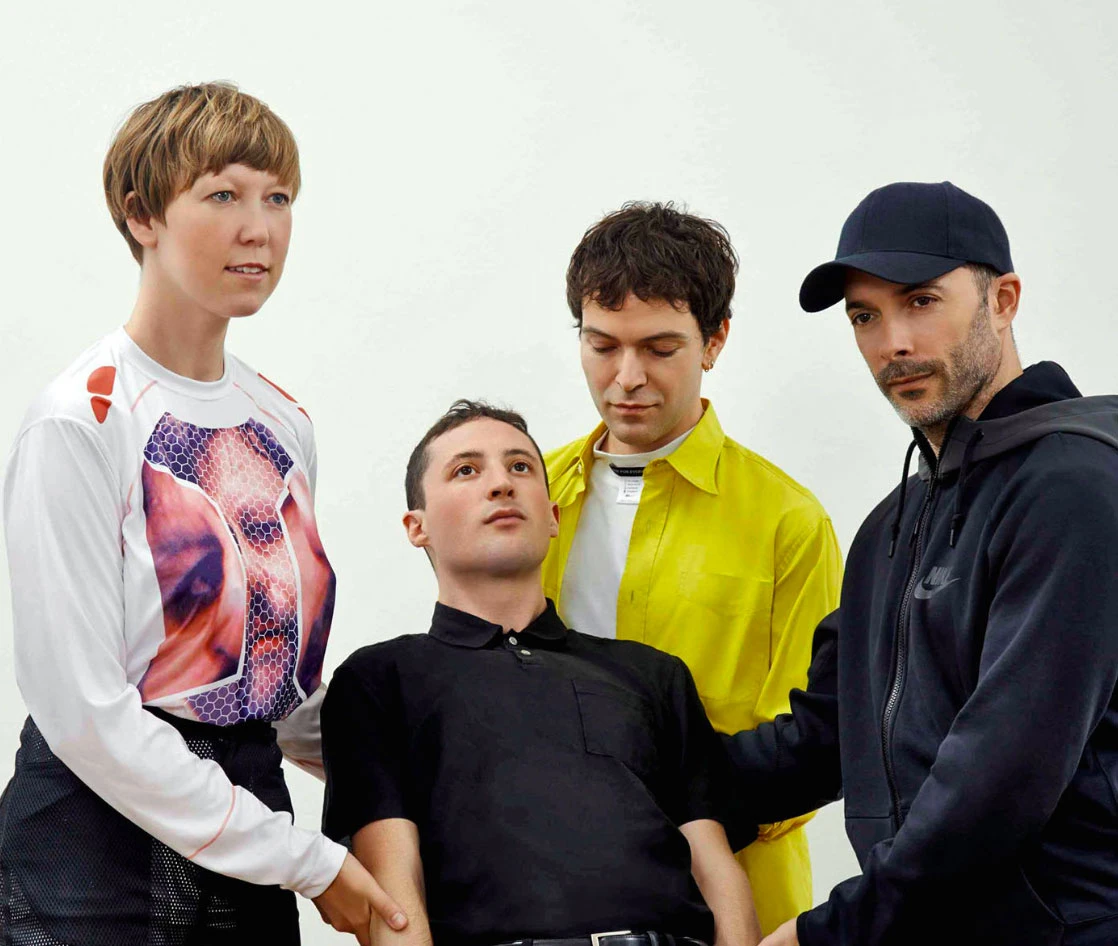
DIS. © Sabine Reitmaier. Courtesy Biennale Foundation, Berlin.
Other times, collectives emerge from a shared question. Forensic Architecture started at Goldsmiths as a research group led by Eyal Weizman, asking how architectural tools could document violence. Their critiques became investigations, their studio a lab. London-based bare minimum collective formed around four Cambridge undergrads questioning the working culture in the art world and beyond, which led them to collectively produce artworks countering the traditional narratives they were up against.
Each story proves the same point: what you lose after school—feedback, deadlines, a reason to keep going—can be rebuilt collectively. Crit nights morph into kitchen-table salons. Group chats become admin hotlines. What can start as either a joke or a survival strategy turns into a practice.
“The story of our coming together is quite predictable: we were a bunch of queers who met at university, kept each other alive, continued those friendships after we left, and needed an excuse, or framework, to make art together,” explains bare minimum during a Flash Art interview in 2022. “We all believe strongly in relation to each other, and so we created this collective to give us the permission to make. And when you make an Instagram, people start to take you seriously.”
If art school taught you how to make work, collectives teach you how to keep making it when the scaffolding is gone.
Reason 2: Collectives can help navigate precarity together
Here’s the reality check: a 2023 survey by Industria collective, Artist Leaks, reported a median hourly rate of £2.60 for UK artists. Similar findings have been popping up across countries in the past years. And yet, for most of us, precarity feels personal. You didn’t apply to enough residencies. You didn’t pitch hard enough. You didn’t “network.” The hustle is internalized as a moral failing.
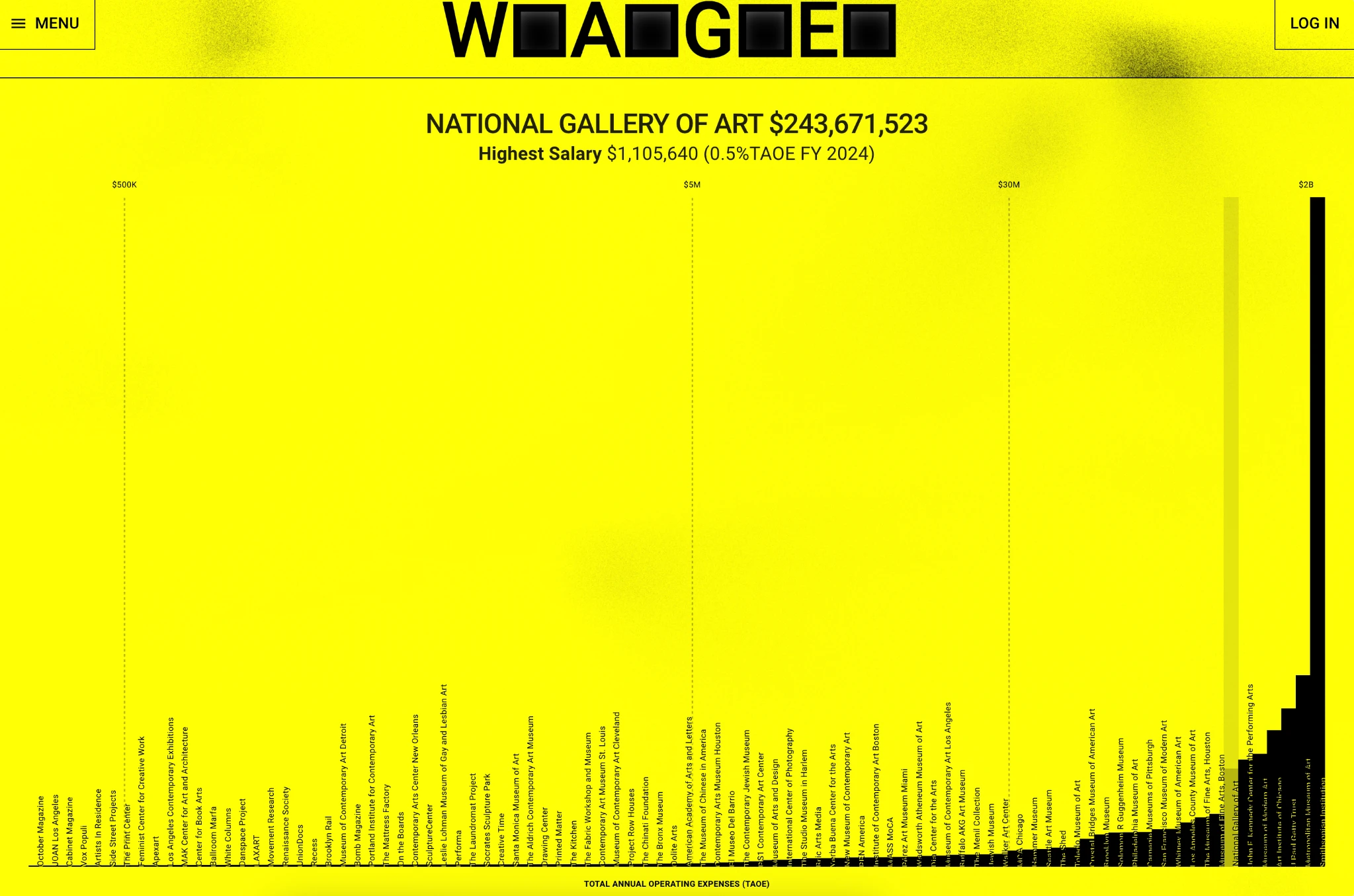
Collectives break that everlasting feeling of competition, not with slogans but with tools. W.A.G.E. (Working Artists and the Greater Economy) in New York created fee calculators and accreditation schemes so artists could compare what institutions pay, turning “taboo” money talk into leverage. In Belgium, State of the Arts runs regular assemblies where cultural workers sit together to swap stories and draft demands, creating a shared language around exploitation. In Australia, the Karrabing Film Collective, made up of Indigenous families, uses filmmaking not only as art but as a survival strategy—pooling resources to keep control of their narratives and land.