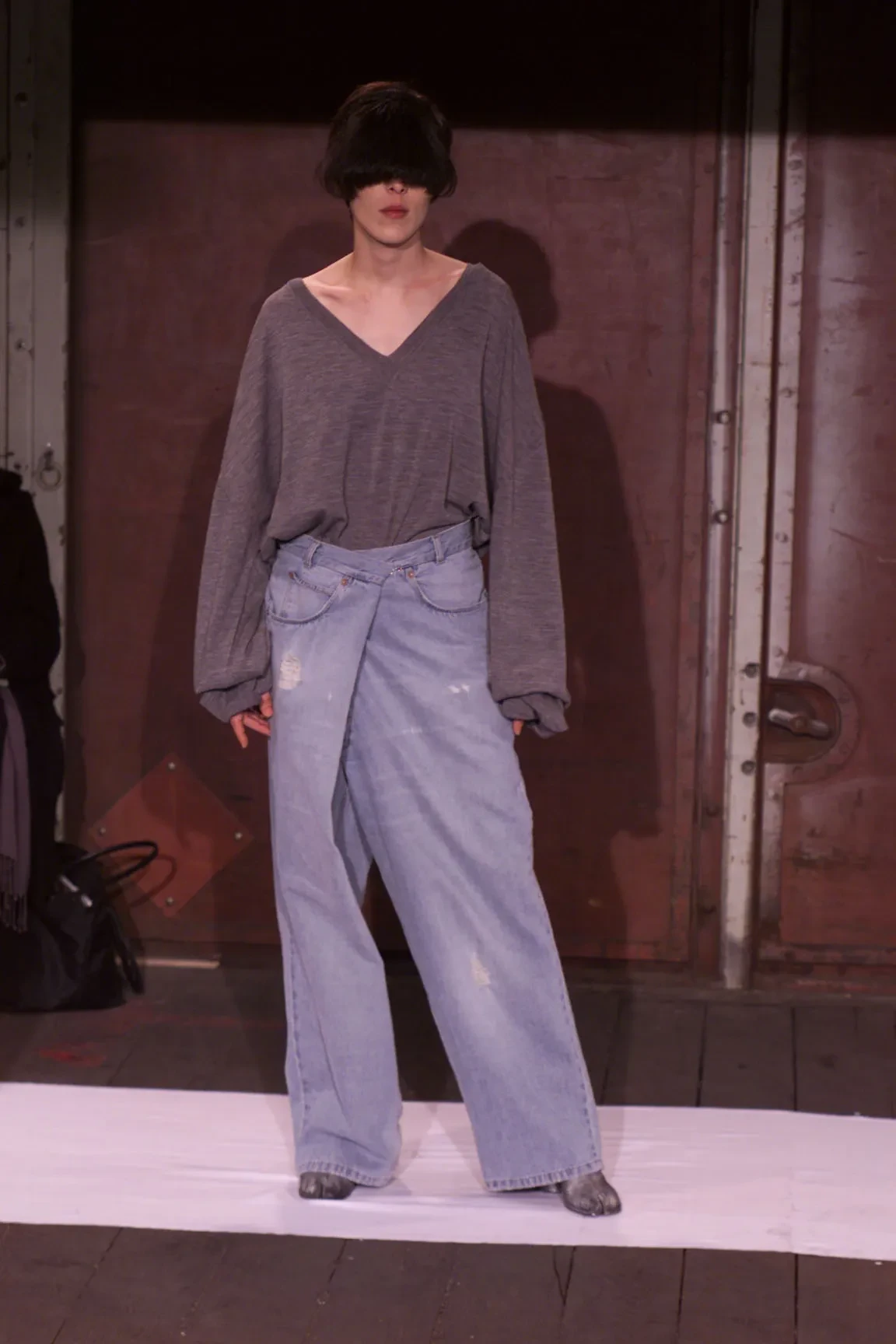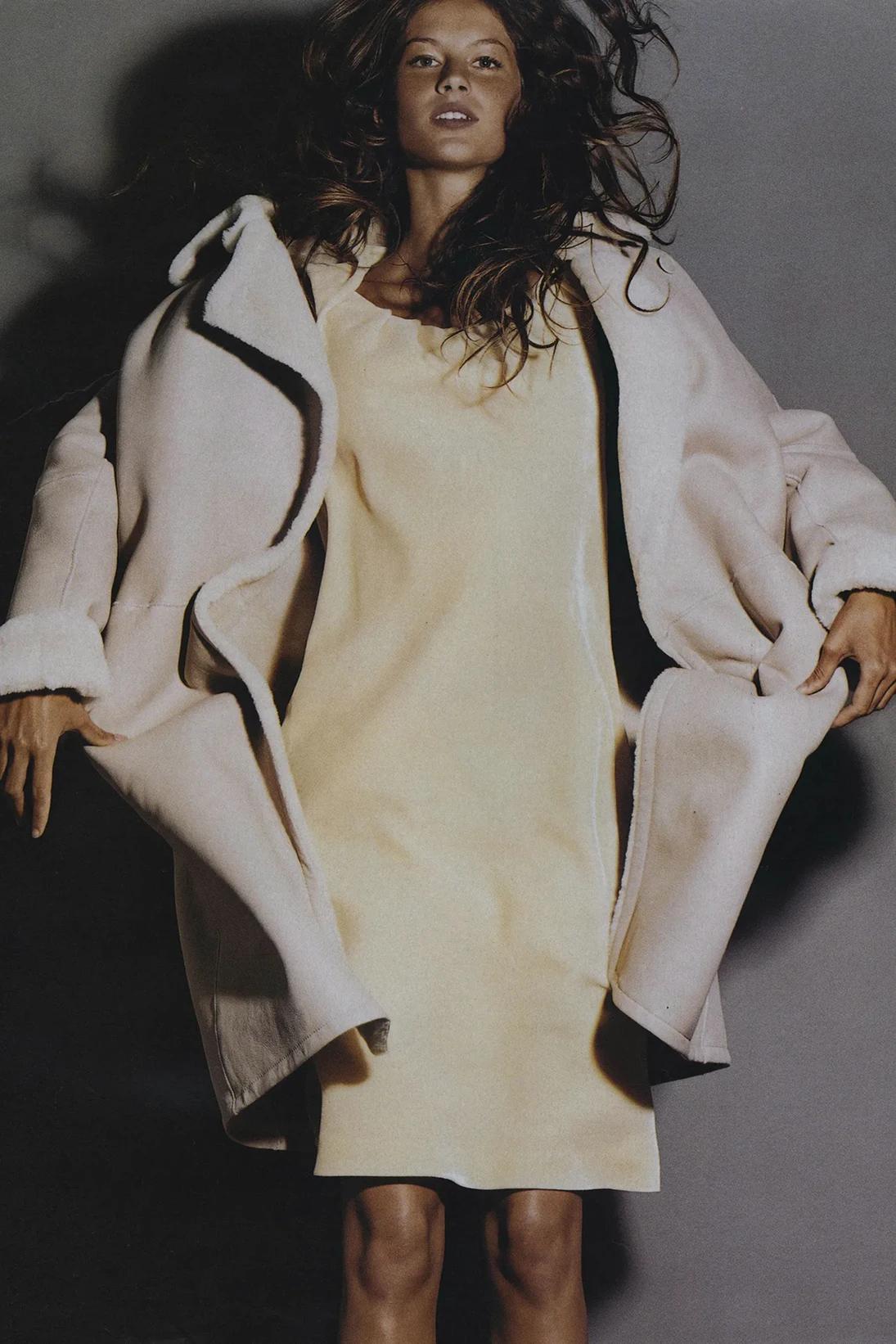
Wandering aimlessly through Paris one autumn, I decided to drop into the famous, cramped secondhand shops of the Marais. Flicking through the rails, I studied intricate, loud, eccentric outfits from every era. On the left, Jean Paul Gaultier, Vivienne Westwood, Mugler, Dolce & Gabbana, Dior: every heavyweight in the business, fashion at full fat. On the right, a pyramid of Louis Vuitton suitcases, their monogram making my eyes swim, because here it was quite literally everywhere.
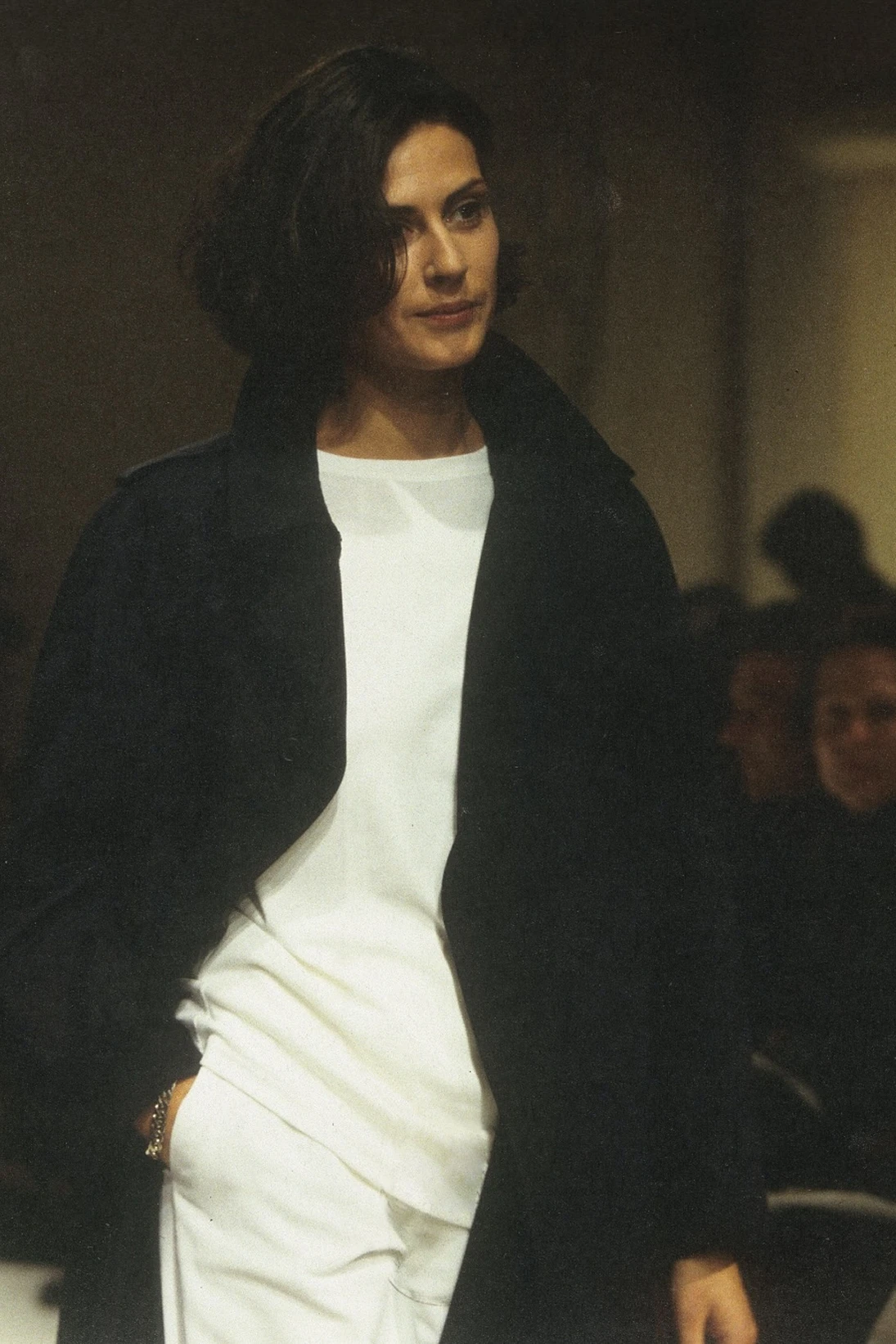
At the end of the rail, a single trench coat caught my eye. Amid this riot of color, it seemed to be looking around helplessly and asking: “Where am I?” Coming closer, I saw the words on the label: Hermès Paris. No prints, no rhinestones, no chains, no feathers, none of the other signs of the buyer’s wealth, unlike everything else in the room. Just a simple cut, dense, high-quality fabric and a perfect shoulder line.
I asked the sales assistant about the trench coat, and he answered proudly:
“Monsieur, this is an Hermès trench coat from the Martin Margiela years.”
At once I remembered Jane Birkin on the Hermès runway at the time, wearing clothes that, to me, seemed simply comfortable to live in.
A little later, over coffee, I told a friend about the trench coat. Her eyes went wide, she sank her teeth into her pain au chocolat without a second’s hesitation, and a minute later we were rushing back to the shop to snap it up. My friend walked away with the trench coat she said she had dreamed of. And I, a little surprised by her obsession, decided to find out more about Martin Margiela as creative director of Hermès. It was worth it. I spent the whole evening going through countless photographs of those collections and reading what his detractors and admirers wrote at the time. It turned out I had known only the tip of the iceberg. Beneath it lay a whole story, one that began in the spring of 1997.
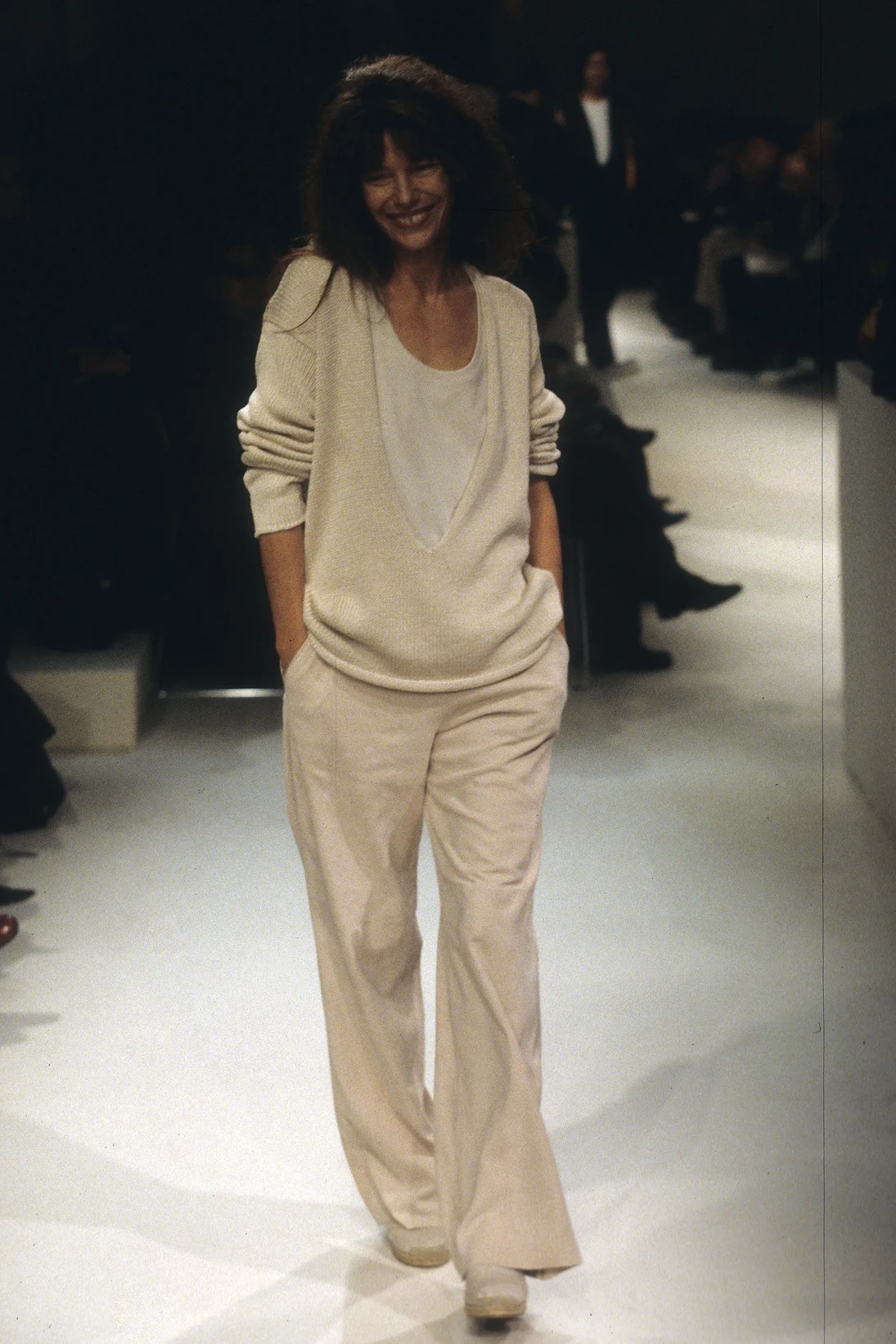
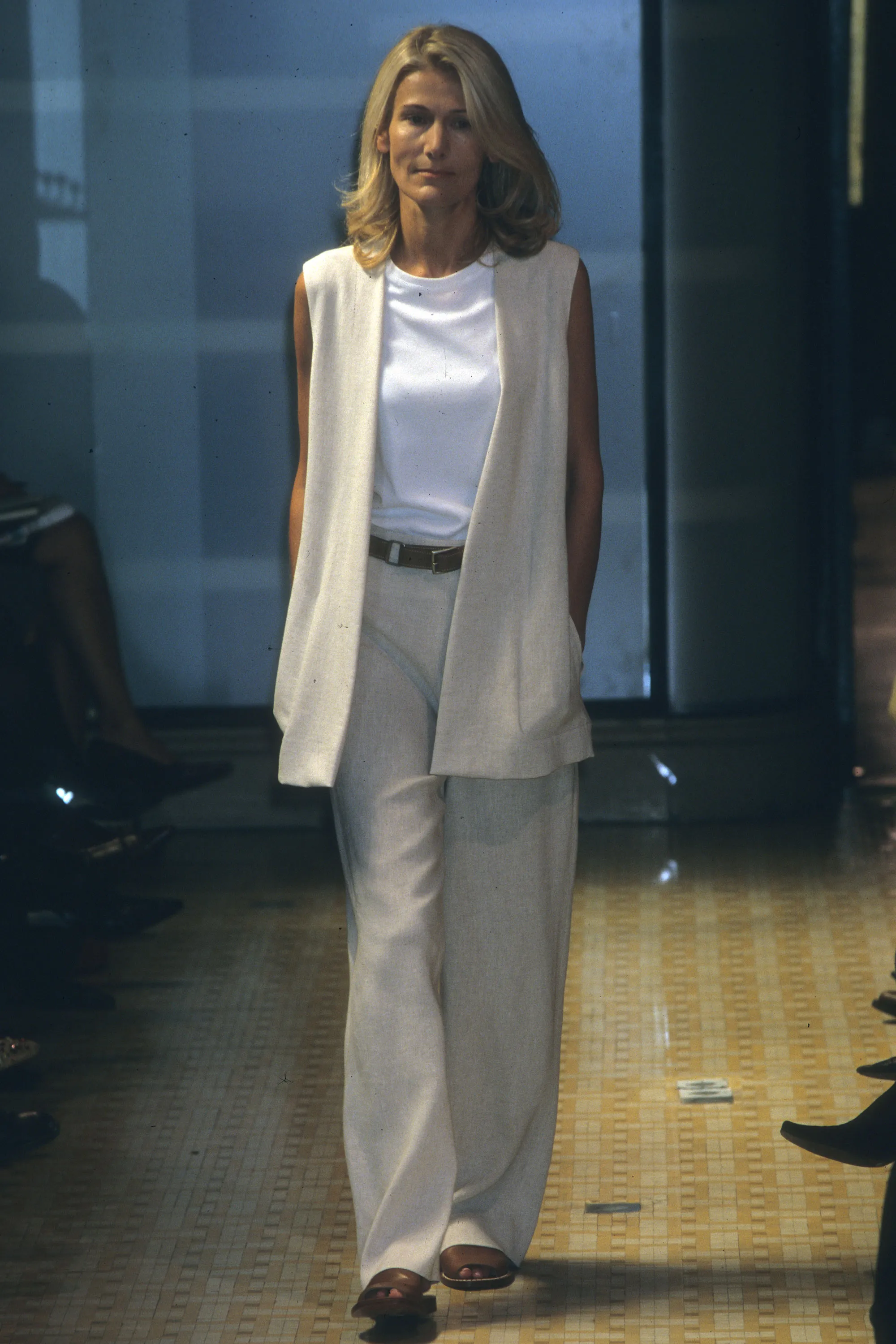
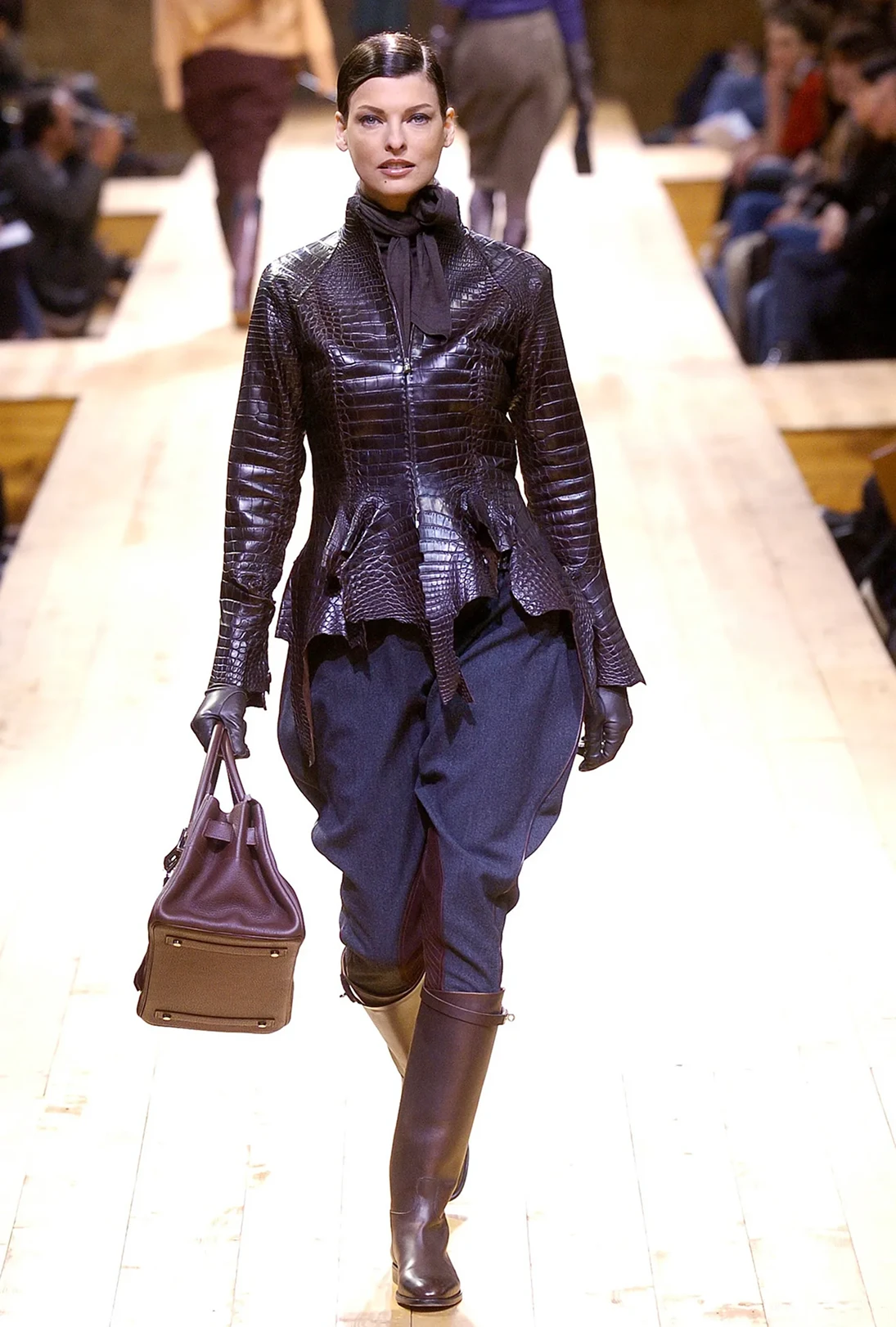
Hermès by Martin Margiela, Spring/Summer 2000 Photo: Vogue Runway.
April 1997. The Beginning
In April 1997, Hermès announced that Martin Margiela would lead its women’s prêt-à-porter. Fashion at the time needed stars: Tom Ford at Gucci, John Galliano at Dior, Alexander McQueen at Givenchy and, that same year, Marc Jacobs at Louis Vuitton. Against that backdrop, Hermès’s choice came as a surprise. The house, founded by Thierry Hermès in 1837 as a harness workshop, was built on craftsmanship and continuity. So what, you might ask, did Margiela have to do with any of it?
Born in Belgium, he studied at the Royal Academy in Antwerp, and from 1984 to 1987 worked as Jean Paul Gaultier’s assistant in Paris. In 1988 he founded Maison Martin Margiela with Jenny Meirens. Meirens was his business and creative partner, his “right hand,” and before that had helped open the first Comme des Garçons store in Belgium. She is credited with the idea of a label without a name: instead of lettering, four white stitches. “When people come into a shop and see strong clothes with no name on them they are going to be more curious.”
By the mid-nineties, Margiela’s name meant deconstruction. He turned seams to the outside, left edges frayed and built garments from found materials: leather butchers’ aprons, antique wedding dresses. A vest for spring-summer 1990 was cut from a white supermarket plastic bag. His shows took place far from the center, sometimes with no seats for the audience, and his friends served as models. Margiela himself avoided cameras, spoke to the press by fax and never came out to take a bow, and journalists nicknamed him “the Greta Garbo of fashion.” His atelier staff wore white lab coats, and white became the color of the whole house.
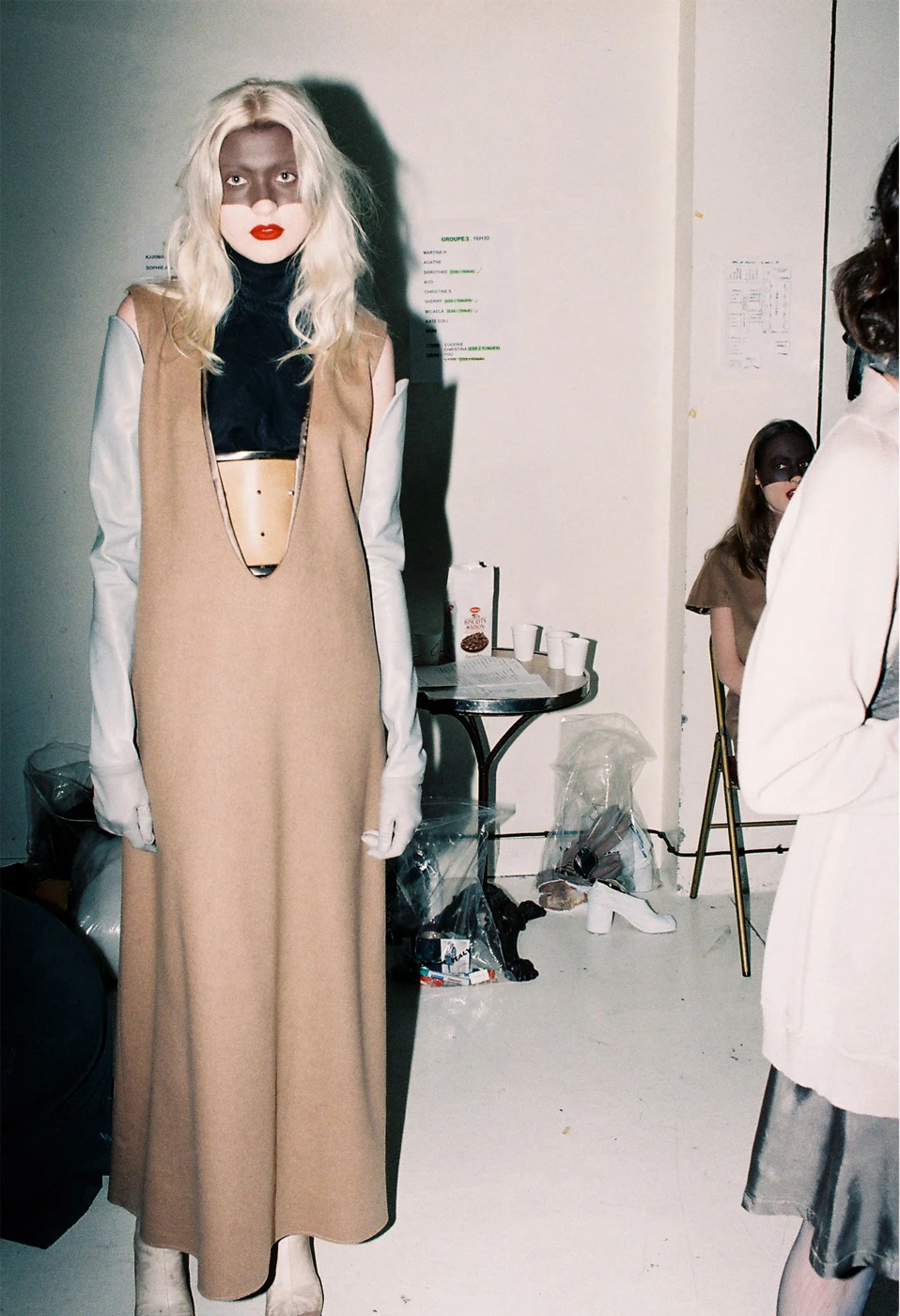
Maison Martin Margiela, AW 1996-1997. Photo : Anders Edström.
A Ninety-Degree Turn
By 1997, Jean-Louis Dumas had been at the head of Hermès for almost two decades: he became chairman in 1978 and remained so until 2006. Claude Brouet, who ran women’s ready-to-wear at the time, had discussed a few names with Dumas for her successor. Dumas’s daughter Sandrine, an actress, had modeled for Margiela in the nineties in exchange for clothes rather than a fee. When her father asked whom she saw as creative director of Hermès, she named Margiela. “I immediately pointed out Martin as the most creative and challenging choice… So let’s say I participated in his decision process. But he made the final call,” Sandrine Dumas recalls.
Pierre-Alexis Dumas, Jean-Louis’s son, quotes the words in which Margiela set out his principles: “Comfort, quality, timelessness, durability, handwork, tradition, elegance in movement.” Jean-Louis Dumas said: “I think Martin Margiela has a good idea of who we are. He sees through us better than ourselves.”
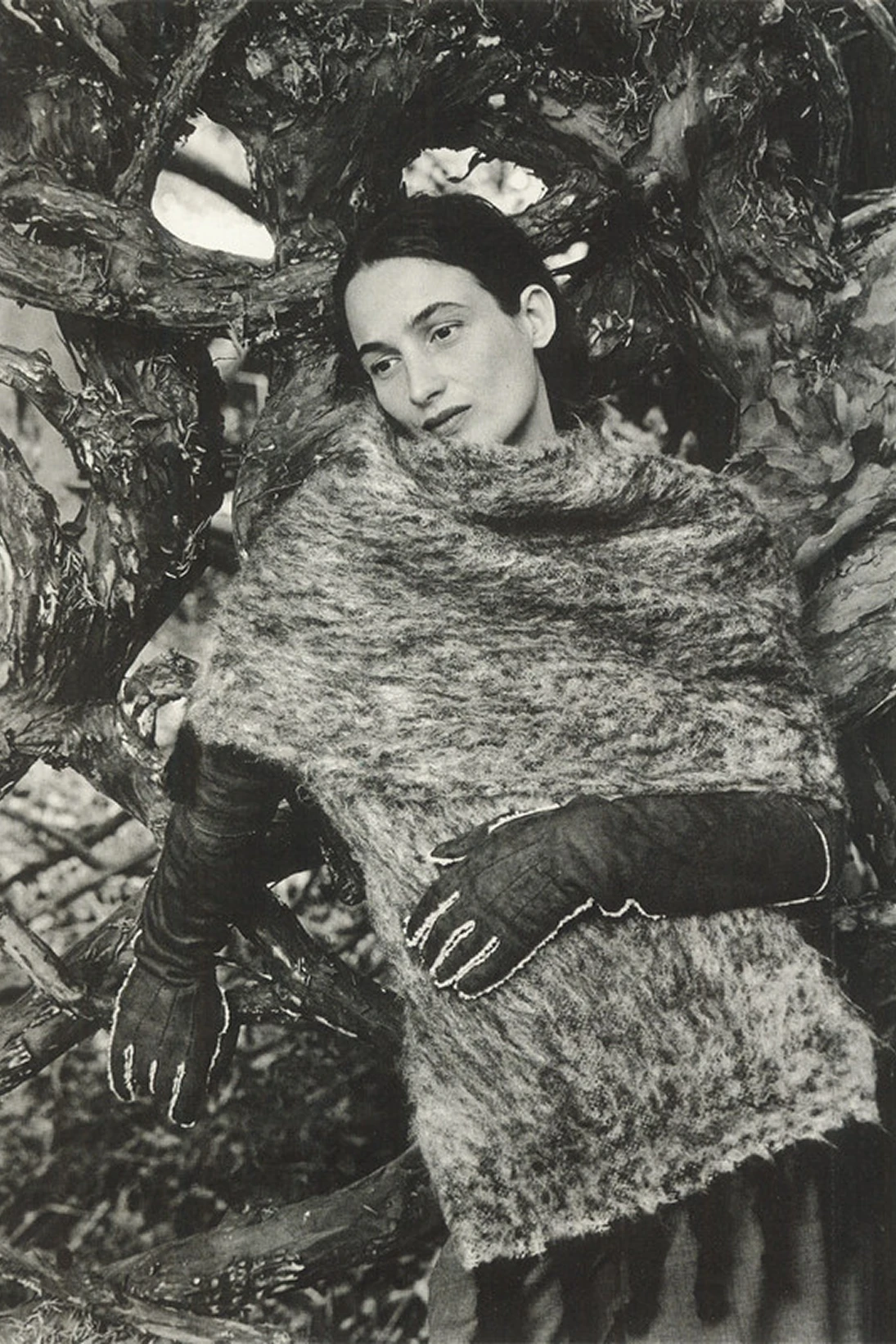
Hermès by Martin Margiela, Fall–Winter 1999–2000. Photo: Joanna van Mulder, Le Monde d’Hermès, No. 35, 1999.
The press saw the appointment differently. Headlines kept repeating the word “anti-fashion” and joked about whether he would paint the Kelly bag white. Kaat Debo, director of MoMu, the Antwerp fashion museum, recalls that many people “fantasized about Martin cutting the Kelly in half.”
The First Collection
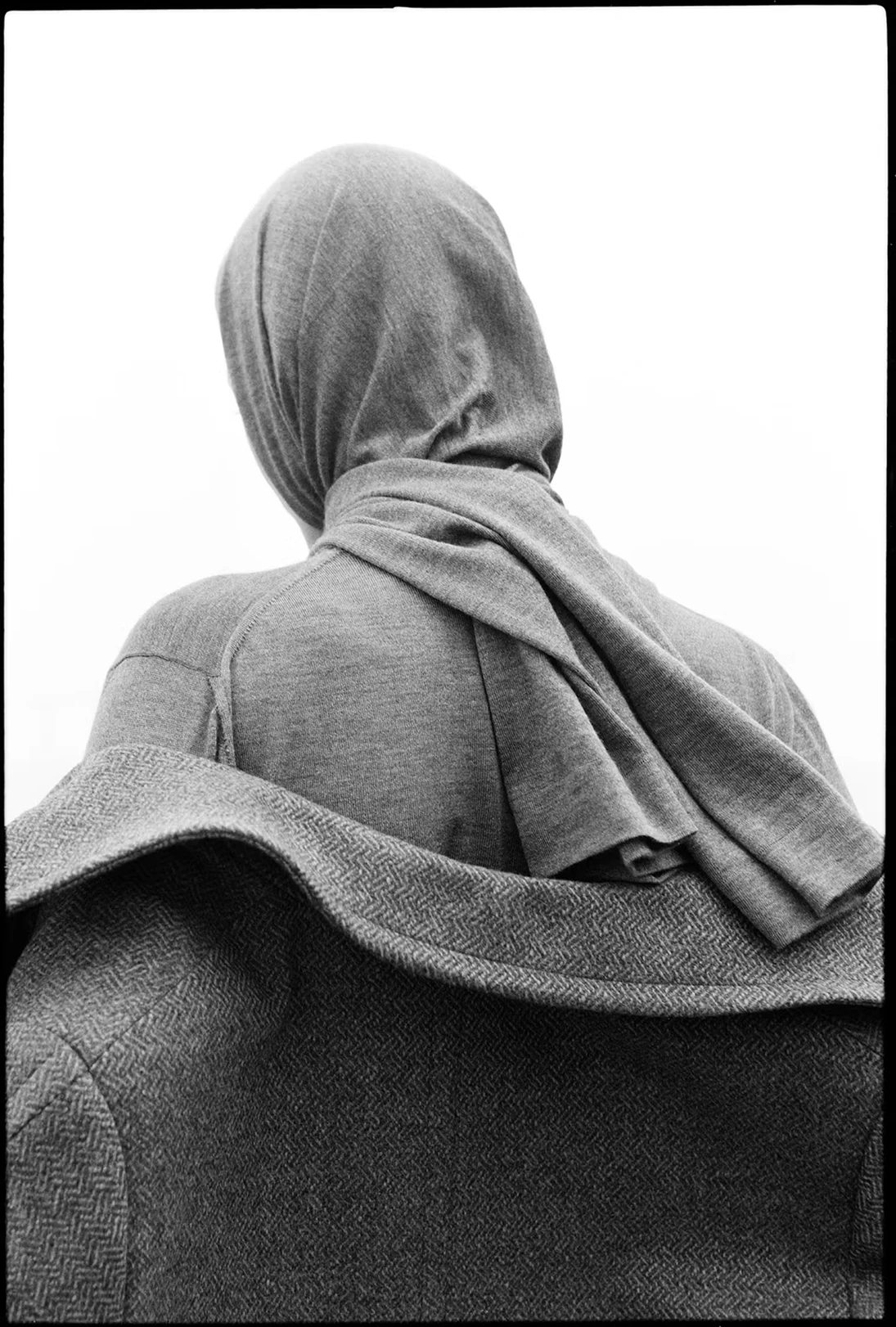
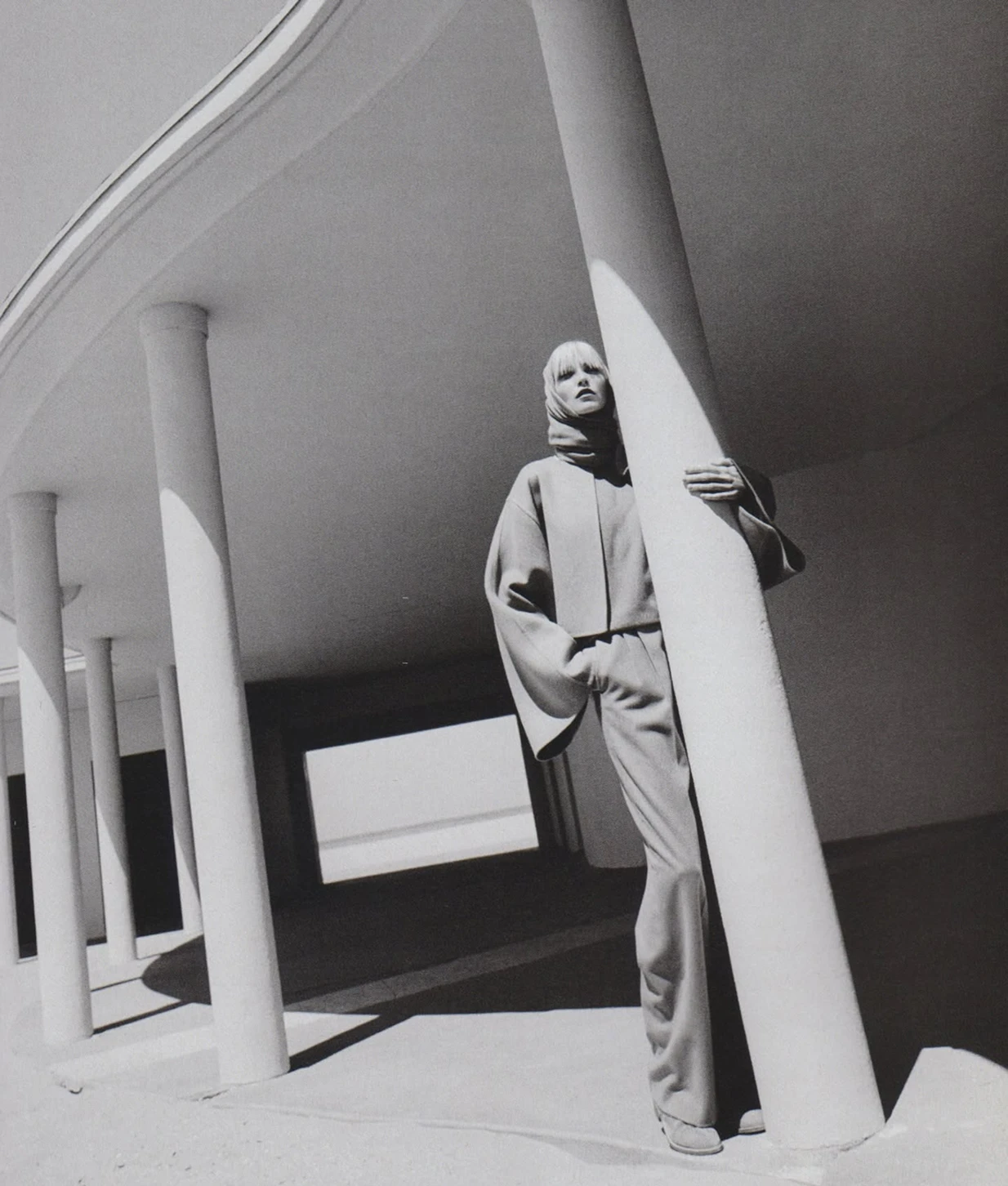
Margiela presented his first collection, fall-winter 1998/99, in March 1998 at the Hermès boutique at 24 Faubourg Saint-Honoré. Debo calls it “remarkably tame”: an attention to quality and an inspiration drawn from the sportswear and leisurewear of the 1920s. The caption to one photograph lists a vareuse in double-faced cashmere, a sleeveless high-necked cashmere sweater, a midi skirt in Shetland wool and calfskin boots.
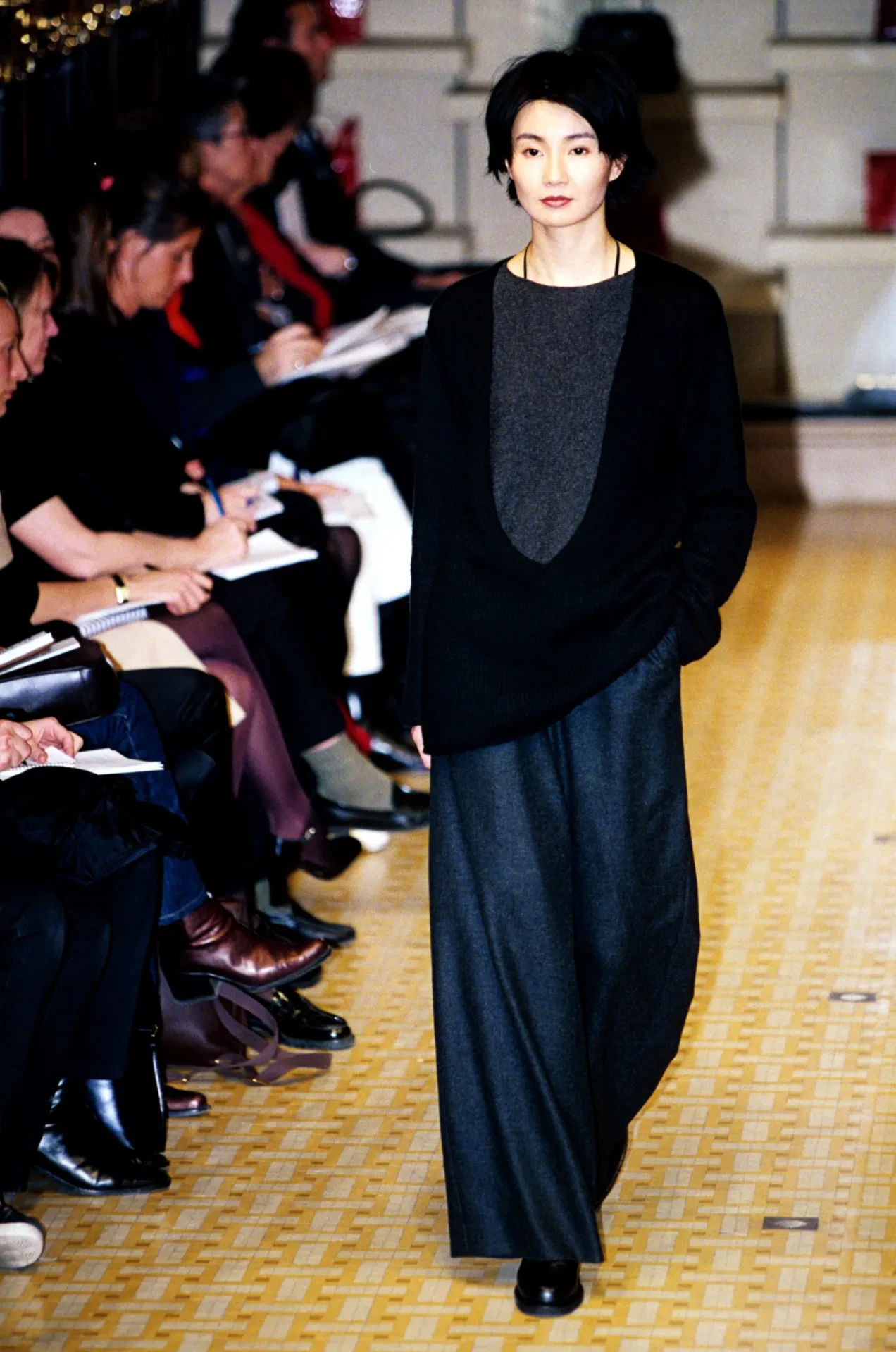
Hermès AW 1998. Photo: Steve Wood/REX/Shutterstock.
The critical response was measured. Suzy Menkes, writing after the first show, called it “a noble statement about how women can follow the great male renunciation of adornment”: the moment, late in the 18th century, when men gave up silk and embroidery for the sober suit. What she missed was “the edgy, angry Margiela” of his own label’s shows. Cathy Horyn compared the clothes to a “sorbet course in a heavy French meal.”
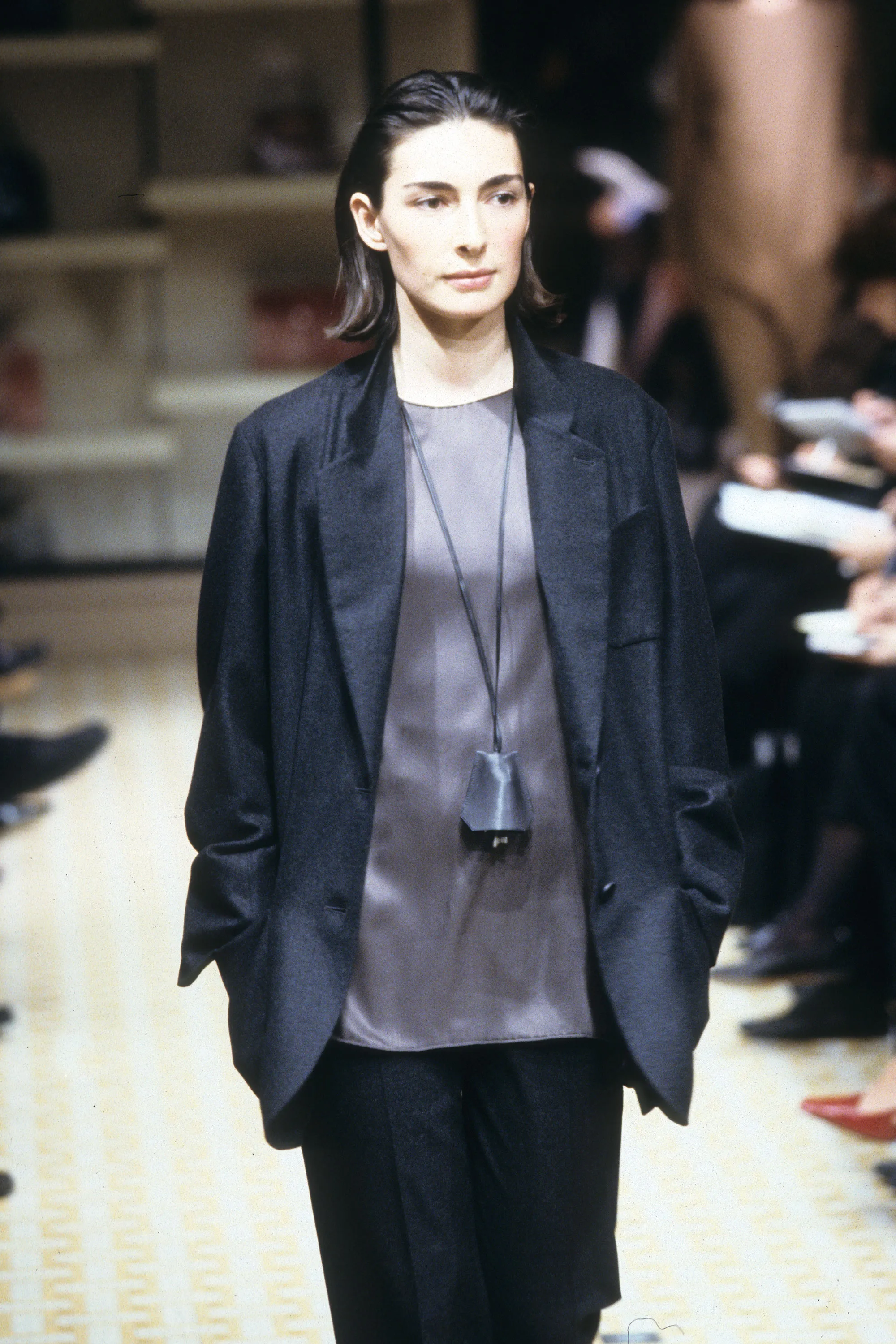
Hermès AW 1998. Photo: Vogue Runway.
The “H” Button
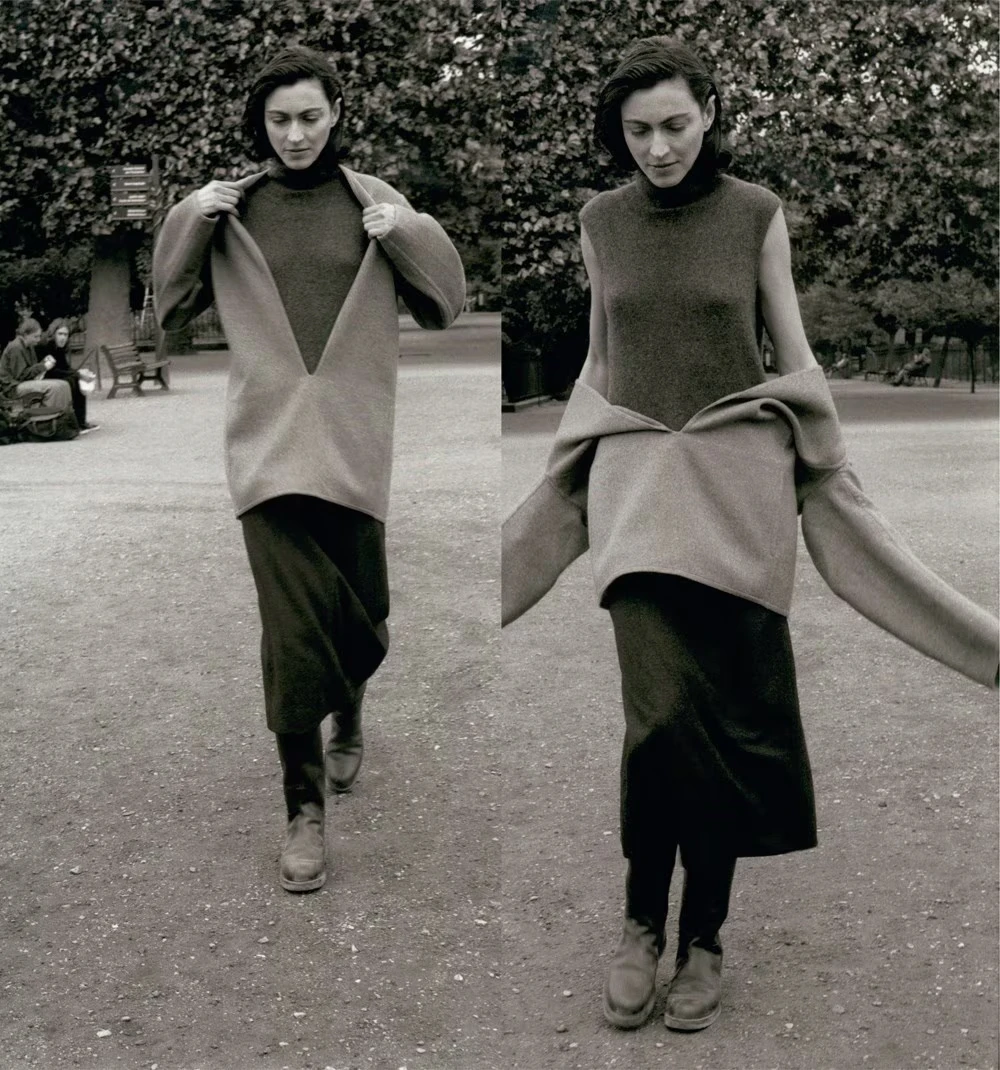
The key piece was the vareuse, a jacket with a deep V-neck inspired by a sailor’s uniform. Debo explains that on one of the jackets the sleeves could be slipped down and tied at the waist, so it didn’t have to be pulled over the head. “It looks very simple,” she says, “but Martin explained it was really difficult to get the V-neck right.” The vareuse was also made as a shirt in white cotton poplin and as a knitted or leather tunic. In her foreword to the catalogue, Menkes wrote that layers of impeccable tailoring built on it gave the collaboration a “timeless elegance.”
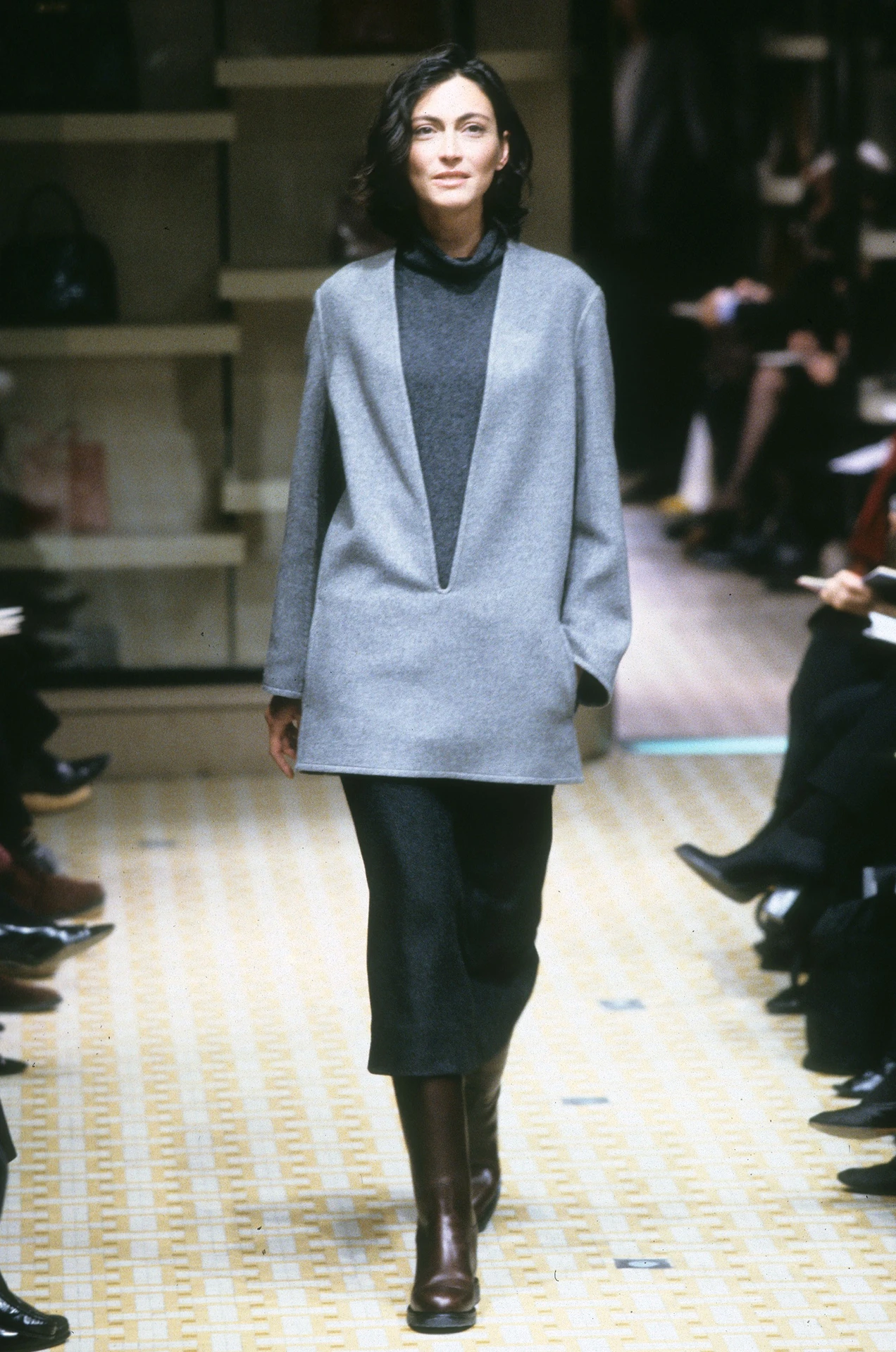
Hermès AW 1998. Photo: Vogue Runway.
The pieces were modular, and many could be worn two, three or even four ways. A jacket could be rolled up and carried as a bag, coats had detachable collars and fastenings, trench coats could be transformed (the Paris exhibition even showed one in saddle leather), a twinset became a “three-set,” and the trikini swimsuit came in three parts. Among the materials, sources list double-faced cashmere, Shetland wool, calfskin and kidskin. Carron de la Carrière, chief curator at MAD, says: “Thanks to the extraordinary materials that Hermès put at his disposal, knitwear, cashmere, leather, skins, Martin Margiela was able to continue the form of experimentation.”
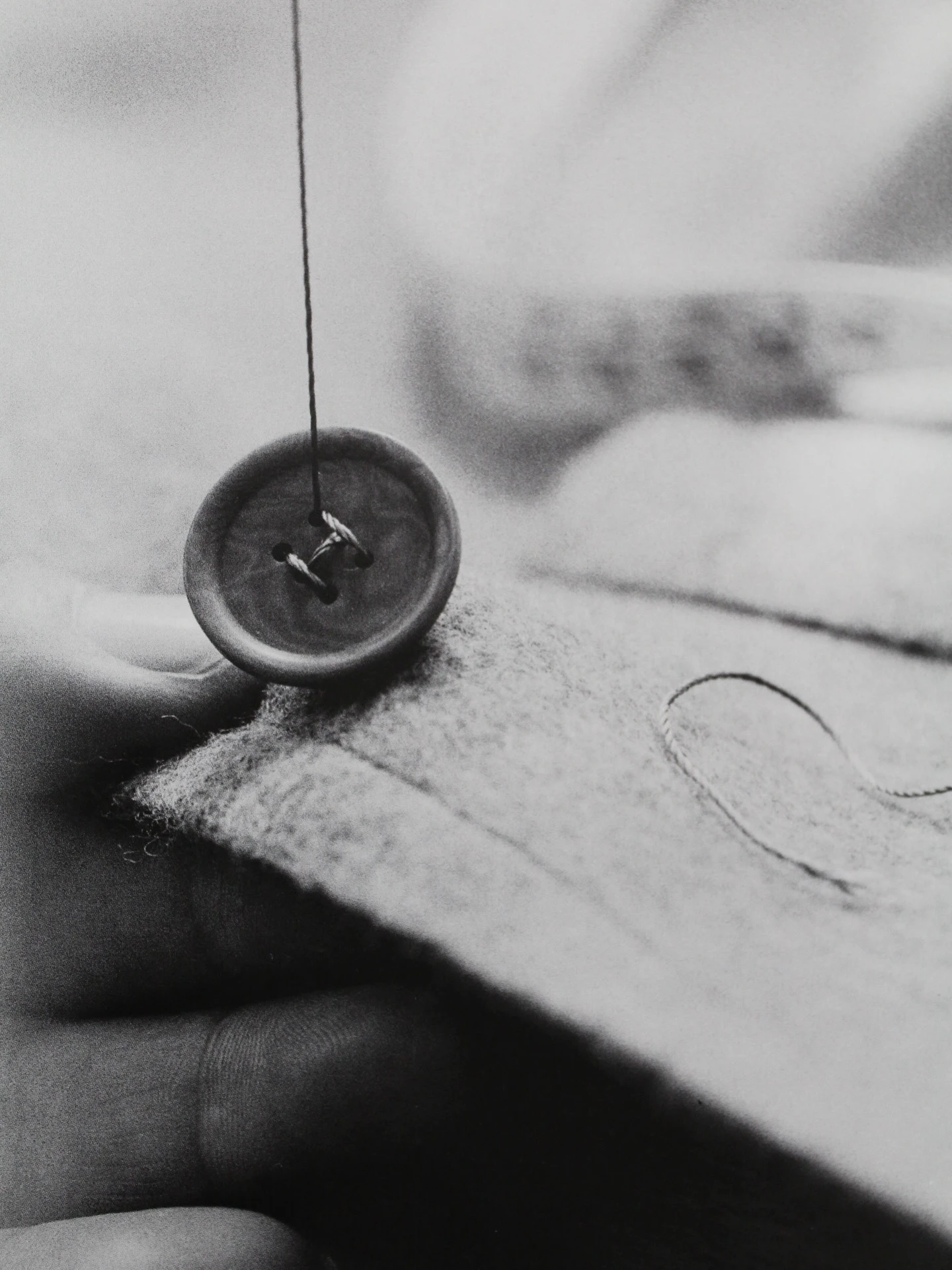
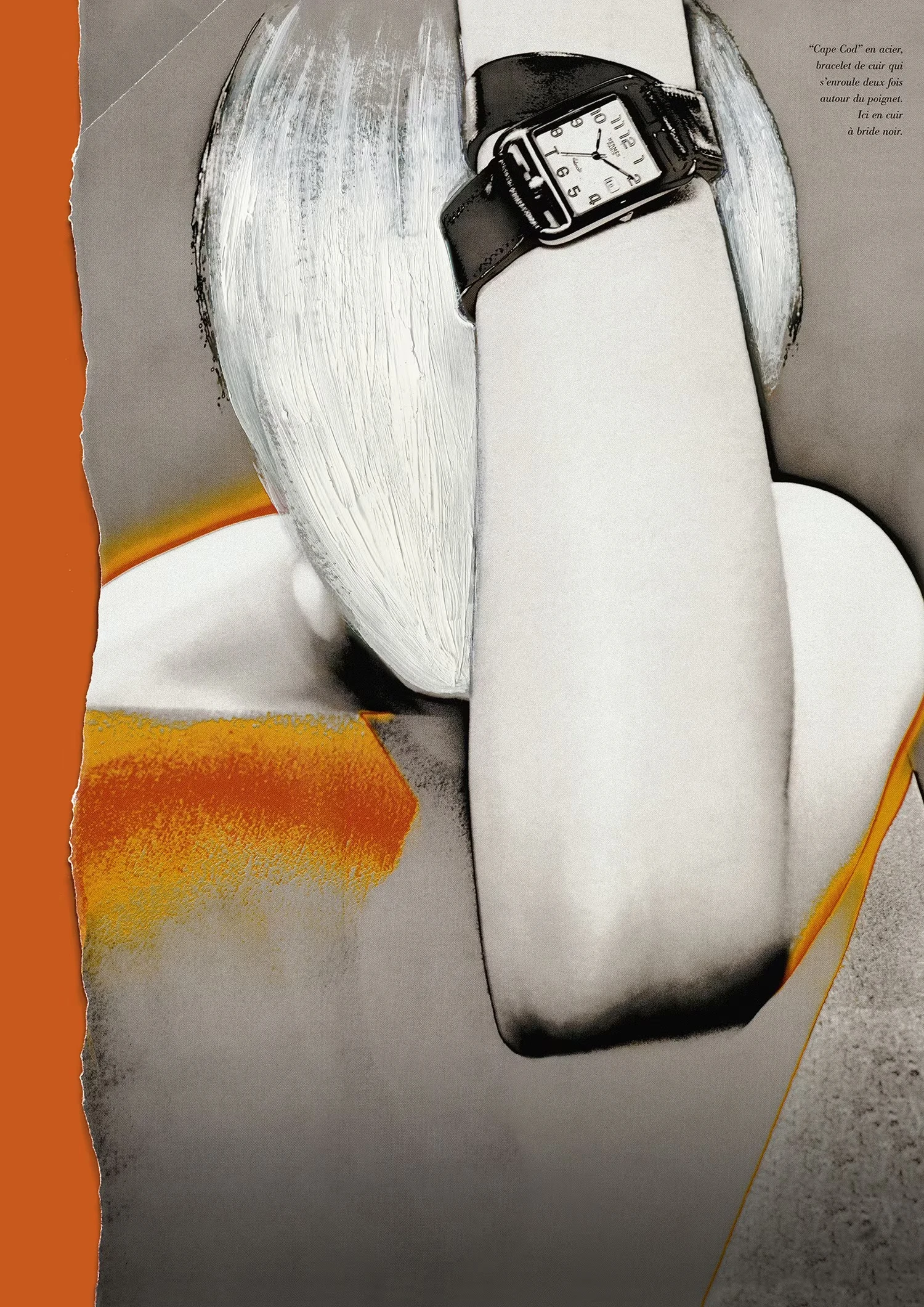
There were almost no logo labels. In their place was a button with six holes: the thread used to sew it on formed a small, discreet H. Bright prints disappeared, and the palette turned to black, brown, beige, gray, camel, ivory and taupe. What remained were the Losange scarf in silk crepe and the double tour strap for the Cape Cod watch, which wraps twice around the wrist.