In the film industry, larger productions usually receive major recognition. Yet, telling a compelling and inspirational story in a short time requires a different approach to engaging the audience and showcasing a director's creative freedom within a unique form that allows for exploration: short films.
The Origins of Short Films
Short films were the original form of cinema; in the beginning, all films were short. In the early 1900s, cinema was an experimental art expression, and the idea of creating stories in moving images and displaying them on a screen was an exhilarating experience.
Filmmakers began figuring out how to project short stories that would be entertaining and visually appealing. The Lumière Brothers' films (1895) and others that followed established the short film as the primary form of cinema. Classics like A Trip to the Moon, one of the longest but still short films of its time, were memorable and groundbreaking due to George Méliès' innovative editing and special effects techniques. Animated films also played an important role in these early stages, with companies like Disney creating short cartoon stories that captivated children.
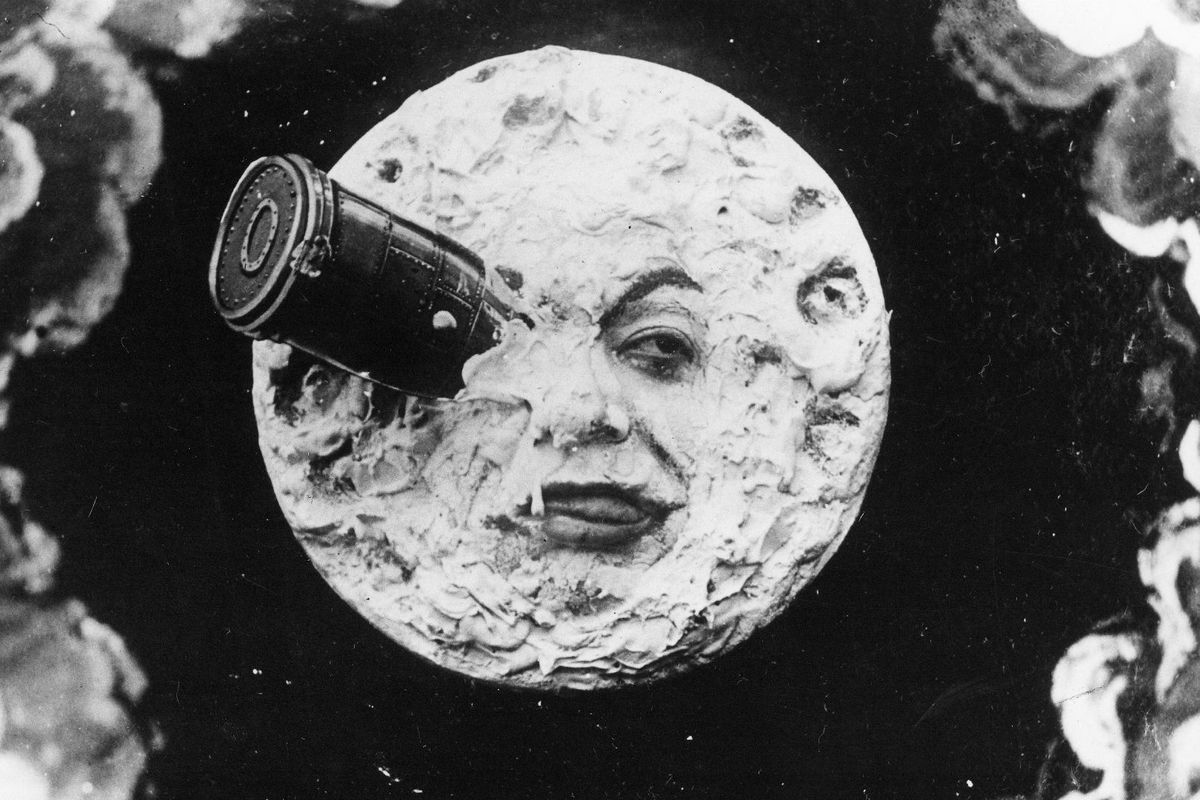
A Trip to the Moon (1902) by Georges Méliès, Star Film Company
Short Films and the Expansion of Storytelling
Before films needed one to two hours to tell a story, early filmmakers were experimenting and figuring out how to keep audiences' attention in just a few minutes. Short films, however, also made their way into music, most notably when Michael Jackson presented his major hit Thriller in the '80s as a short film in the form of a music video. Eventually, film and music collided as another form of storytelling, and video clips adopted more of a short-film perception.
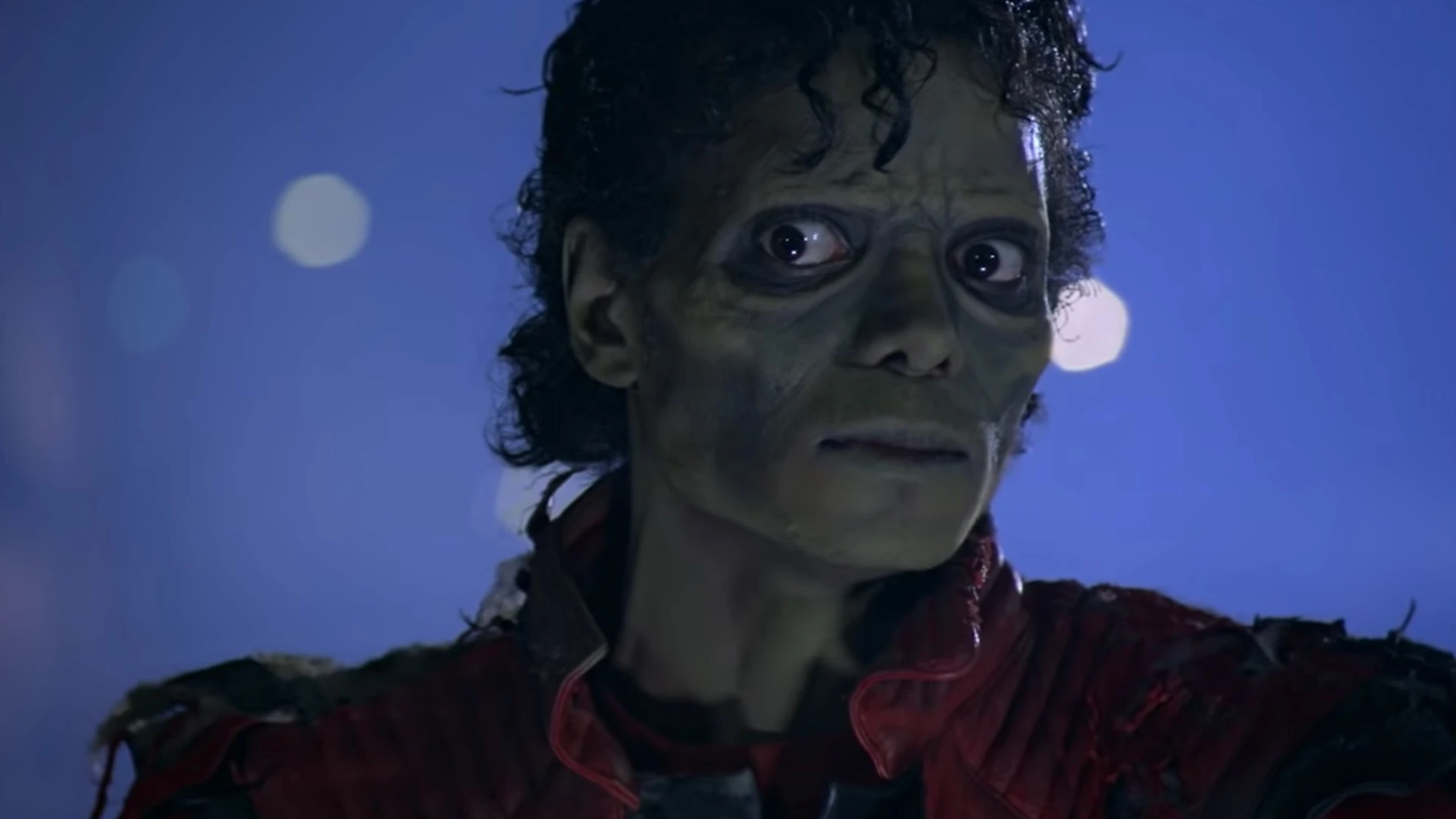
Still from Thriller (1983), Michael Jackson’s short film–style music video
As time passed and cinema became more central to the visual arts, new formats appeared, turning cinema into an important industry. Therefore, the concept of a short film nowadays is often considered more of independent cinema and niche audiences. Short film directors are either beginners who are just starting and trying to make their way in the industry, or those who genuinely feel more comfortable with the format and creative freedom.
Short Films as a Launchpad for Directors
Young directors within independent cinema use short films to break free and start creating and defining their filmmaking style and what makes them different. There are quite a few very respected directors who first made their mark with short films.
For example, Martin Scorsese debuted in 1967 with the short film The Big Shave, in which he explored themes like violence with a graphic, bloody film. On the other hand, David Lynch began developing his surreal, dream-like filmmaking with the animated short film Six Men Getting Sick (Six Times), a loop of a clip six times to the sounds of sirens, in which he experimented with an unsettling darkness and abstractness.
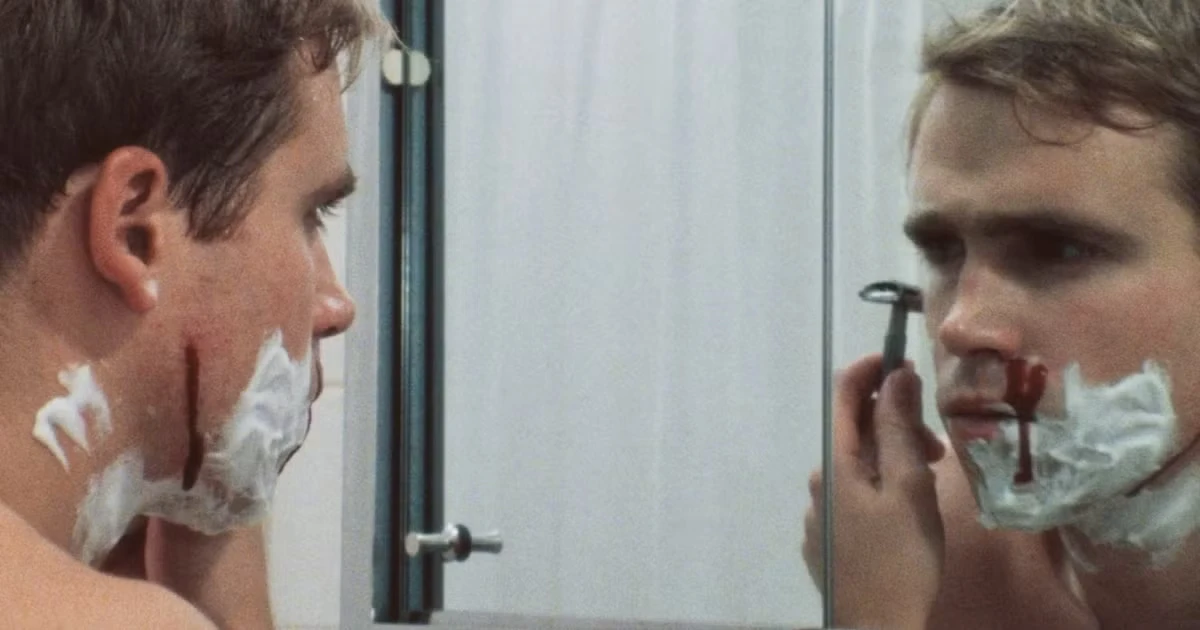
The Big Shave (1967) by Martin Scorsese, The Criterion Collection
Directors who gravitate toward short films often do so precisely because the format grants them near-total creative autonomy. This control allows them to fearlessly experiment with new ideas, visual techniques, and narrative structures, bypassing the creative interference and financial obstacles often imposed by major studios. The result is frequently innovative and uncompromised storytelling.
Prominent figures like Taika Waititi, known for his well-received Two Cars, One Night, are great examples of how the format can be used to establish a signature comedic style and explore themes of innocence, childhood, and emotional truth in a more focused way.
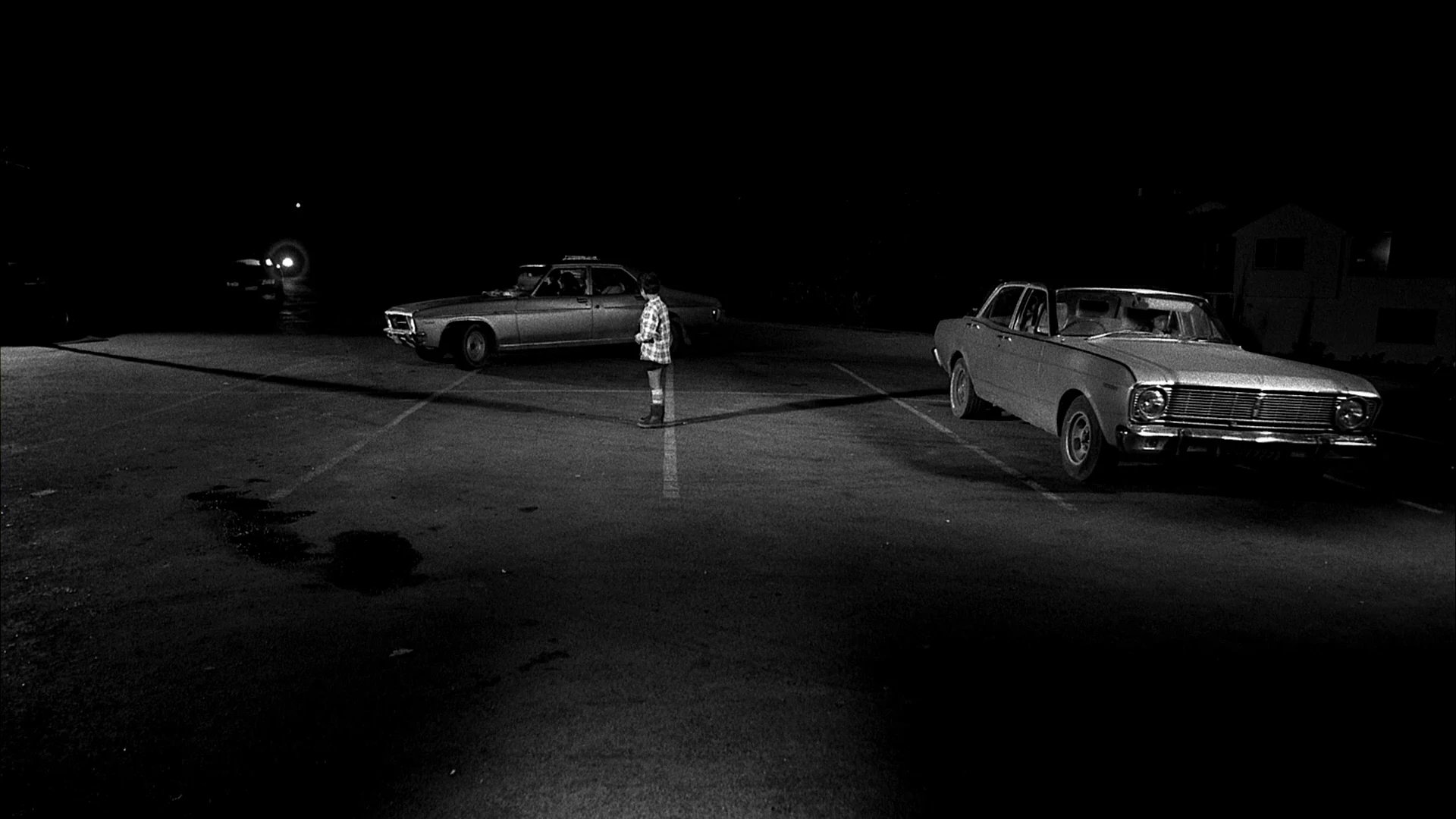
Two Cars, One Night (2003), directed by Taika Waititi
Short Film Narrative Structure and Creative Freedom
The reason to tell a story in a short time is mainly to not rely on feature-film conventions, meaning longer screen time and the three-act structure that usually unfolds over the course of 80 minutes or more. Hence, short films have less time and follow a different structure that focuses most likely on rising action and climax, allowing directors to explore a variety of ways to tell the story, rather than just exposition and final result.
In a short film, there's usually no great need to add several characters. A snippet of only one main character is often enough to build a meaningful arc, since the storyline can be more focused on that central character. Some short film directors may focus more on dialogue, while others may leverage the rest of the visual elements to tell the story. Whether a director wants to portray a single subject or a particular situation, short films allow them to do so effectively.
Berlin-based filmmaker Anastasia Shikina has mentioned how she tries to balance between structure, emotional impact, and aesthetics.
"I always try to create this balance where the visuals support the emotion, and the emotion drives everything else."
The Role of Short Films in Cinema Today
In this current stage, the role of the short film goes beyond cinema. Most music videos feature a short film aesthetic, which has also evolved; some video clips may follow the same direction and main theme of the song, while others create a more abstract and metaphorical film, all according to the vision of the director or the music artist.
Short films are also a source of advertising that goes beyond traditional commercials. In the fashion industry, Gucci has been one of the major fashion houses that embraces short films for their campaigns. This year, the brand released The Tiger, a film directed by Spike Jonze and Halina Reijn. The film tells the story of a matriarch of a family celebrating her birthday among children and other fancy guests, honoring Demna Gvasalia's debut collection for Gucci.
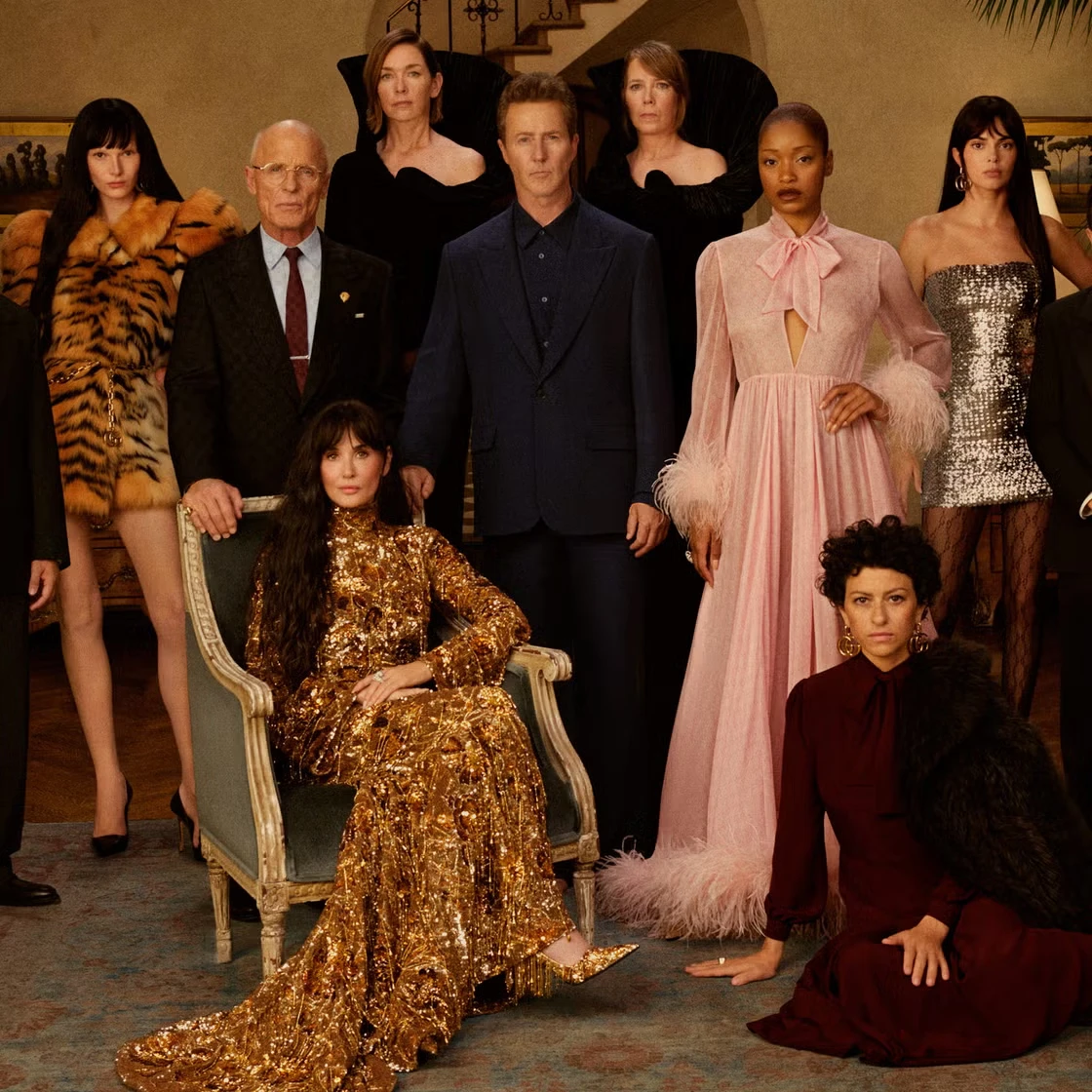
Promo Material for The Tiger (2022), Gucci campaign film.
Challenges and Recognition: Film Festivals and Awards
While the short film format may be more accessible to make, there are still quite a few challenges to face. These include limited resources, such as budget, gathering a crew, being accepted in film festivals, securing the right equipment, and addressing the fact that most directors are still learning about key things like post-production steps or finding suitable actors.
Finding an audience that will pay attention to a short film is also a challenge. Even with the help of social media, the main goal when uploading to platforms like YouTube is often to reach a certain number of viewers, gain recognition, network with people in the filmmaking industry, and hopefully get to showcase the short film to a wider group.
Short films as a whole have been getting recognition over time from many respected film festivals, organizations, and awards ceremonies, whether in the category of narrative, animated, or documentary. The Cannes Film Festival has the Short Film Palme d'Or, which awards these productions, honoring the experimental and innovative work of filmmakers who are stepping into the industry.
The Academy Awards have been awarding short films since 1932, later adding other categories as part of it. The Documentary Short Film award was first given in 2005, covering films from the 2004–2005 eligibility period.
The animated short film On/Off by Nicolás P. Villarreal holds the record for the most awards within this format, for its unique visual style, characterized by colorful abstract shapes and a storyline that touches on concerns about technology and social media and how these can fumble creative minds.
Besides major feature productions, the film industry considers short films highly relevant, mostly for the ambition and raw talent they display, even if they don't gather large audiences. For filmmakers, it's not an easy journey, since most short films are low budget, but being nominated gives a platform that can lead to other major projects.
Conclusion
Coming up with a vision on how to tell a story in a shorter time is what makes short films so interesting. Having the eagerness and the creative freedom to achieve major things in the huge creative world of cinema, with just a few resources, is where everything starts.
Filmmakers and directors from all over the world use short films to craft stories with meaningful themes and experiences to explore with different narratives.
Just looking at the beginnings of cinema and the current state of the industry paints a picture of how taking an opportunity can lead to something big. Short film productions are where probably so many filmmaking ideas are born, and that is why the format keeps being so relevant.
It's important to give short films a chance and appreciate the milestones these productions achieve from all over the world.
