It is difficult to talk about Mapplethorpe’s work without trivializing the widely explored photography theme of eroticism. There is also the risk of becoming mired in the complex issue of desire, especially when analyzed in the context of hypermodern society, which has transformed people from beings who desire into consumers. Immediate gratification, compulsive satisfaction, and consumption without shortage are factors producing a crisis of desire, about which Mapplethorpe may still have something important to tell us. The exhibition at Palazzo Reale in Milan brings together over 200 of the American photographer’s most powerful, iconic, and unconventional works. The exhibition includes a series of previously unseen shots and still manages to amaze. “The Forms of Desire” is the second act of a trilogy that began in Venice and will conclude in Rome. It forces viewers to confront the eroticism in the images, which fascinates and disturbs simultaneously. Provocation and aesthetic harmony converge, bringing the question of Eros back to its original meaning of vigorous momentum that transcends the distinctions between good and evil, drive and perversion. Eros is life: the sometimes disjointed and painful, yet always creative, tension that moves us all. It is the vital inspiration inherent in human beings as they attempt to negotiate spaces of coexistence with Thanatos, or death. Since the beginning of his career, Mapplethorpe has tried to reconcile dichotomies, such as order and disorder, consent and dissent, and anarchy and idealism. His gaze has always been turned toward the multifaceted nature of human beings and their physiological instability. His famous quote is: “I am trying to pick up on the madness and give it some order.”
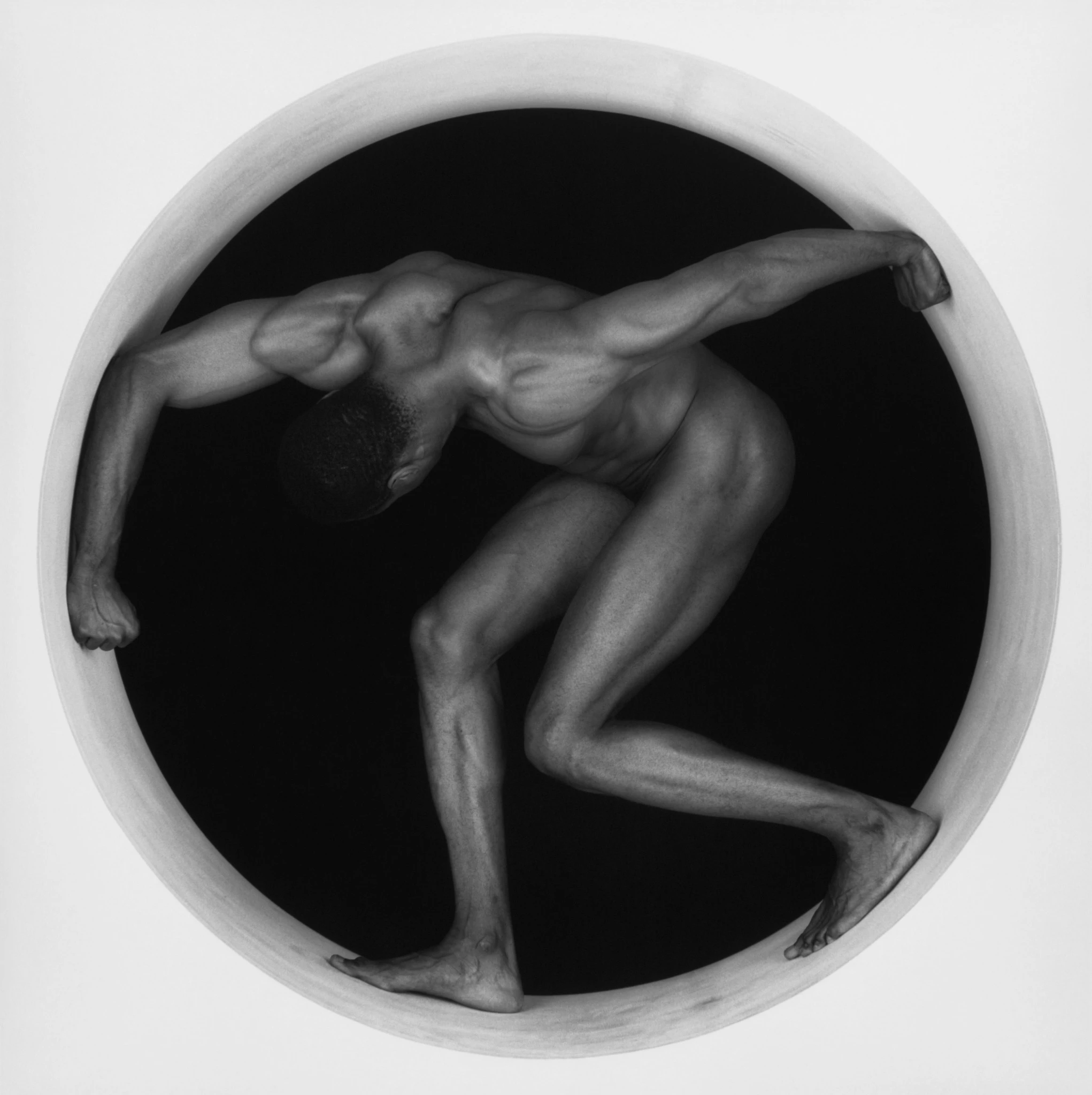
Robert Mapplethorpe, Thomas, 1987 © Robert Mapplethorpe Foundation. Used by permission
Robert Mapplethorpe Biography: Early Life and Artistic Formation in New York
Mapplethorpe was born in Queens, New York, in 1946, into a large family. The six children were raised with a strict Catholic upbringing. After graduating from high school, he moved to the Pratt Institute in Brooklyn to pursue a degree in advertising design. However, he soon changed his focus to drawing, painting, and sculpture. In 1967, he met Patti Smith, who would become one of the most important figures in his life. At the time, she was an art major at Glassboro State College in New York. The two decided to move in together and began a deep and formative relationship. Mapplethorpe became one of the interpreters of the 1960s and 1970s counterculture, a time when creativity became a political gesture and the arts merged into new languages of freedom and identity. “Everything changed when his friend, the filmmaker Sandy Daley, gave Mapplethorpe a Polaroid camera,” recounts Denis Curti, curator of the exhibition. “Between 1970 and 1971, with that camera in hand, Robert began exploring self-portraiture, focusing on homoerotic imagery and starting with himself. At the same time, he met Tom of Finland (the pseudonym of Touko Laaksonen), the first artist to give visual form to homosexual aesthetics. A deep friendship developed between them that forever transformed Mapplethorpe’s vision. Both explored themes of fetishism, leather and classical beauty applied to the male body. While Tom expressed this through the exaggeration of drawing, Mapplethorpe used photography to convey an almost marble-like precision. Together, they helped turn what had previously been considered purely underground material into art.”
Photography, Eroticism, and Classical Influence in Mapplethorpe’s Work
At the end of the 1970s, he had the courage to align his art with his lifestyle and sexual behavior, which was undoubtedly scandalous yet poetic. This undoubtedly caused outrage among those who considered homosexuality to be an unassailable taboo. The real scandal probably stemmed more from the fact that Mapplethorpe chose to work with absolute authenticity and testimony rather than representation using photography. This allowed him to escape the symbolic sublimation he could have exploited by choosing painting, for example. Nevertheless, painting was present as a cultural influence in the formal perfectionism of his portraits and flowers, his favorite subjects. He bravely continued to photograph them even knowing his death was imminent; he died of AIDS in Boston in 1989 at the age of 42. Sam Wagstaff, a wealthy collector and art expert, gave Mapplethorpe his first Hasselblad in 1975. The medium-format camera allowed the photographer to achieve the sculptural precision and perfect black-and-white tones for which he is widely known. Mapplethorpe noted that the camera worked well with black subjects because it produced a bronze-like effect. His compositions reflect the classicism of the great masters of the 16th- and 17th-centuries, such as Michelangelo Buonarroti, Antonio Canova, Leonardo da Vinci, and Jacques-Louis David. He borrows their symmetry of glorious bodies and perfect physical, muscular, and epidermal development. His subjects are reminiscent of the ephebes of Greek gymnasia and are captured in ideal poses. For Mapplethorpe, combining sculptures from the past with living models in pursuit of the perfect form meant reflecting art in life and photography. He argued, “I want my work to be seen first as art, then as photography.” His subjects of choice were athletes, bodybuilders, and dancers, all of whom were indiscriminate libidinal targets. In them, the sensuality of everyday life triumphs, as it does in his photographs of flowers and still lifes. In one of his first critical interviews with Gerrit Henry, published in 1982 in The Print Collector's Newsletter, Mapplethorpe said, “My approach to photographing a flower is not very different from my approach to photographing a cock. Basically, it is the same thing. It is a matter of light and composition. There is not much difference. The vision is the same.”
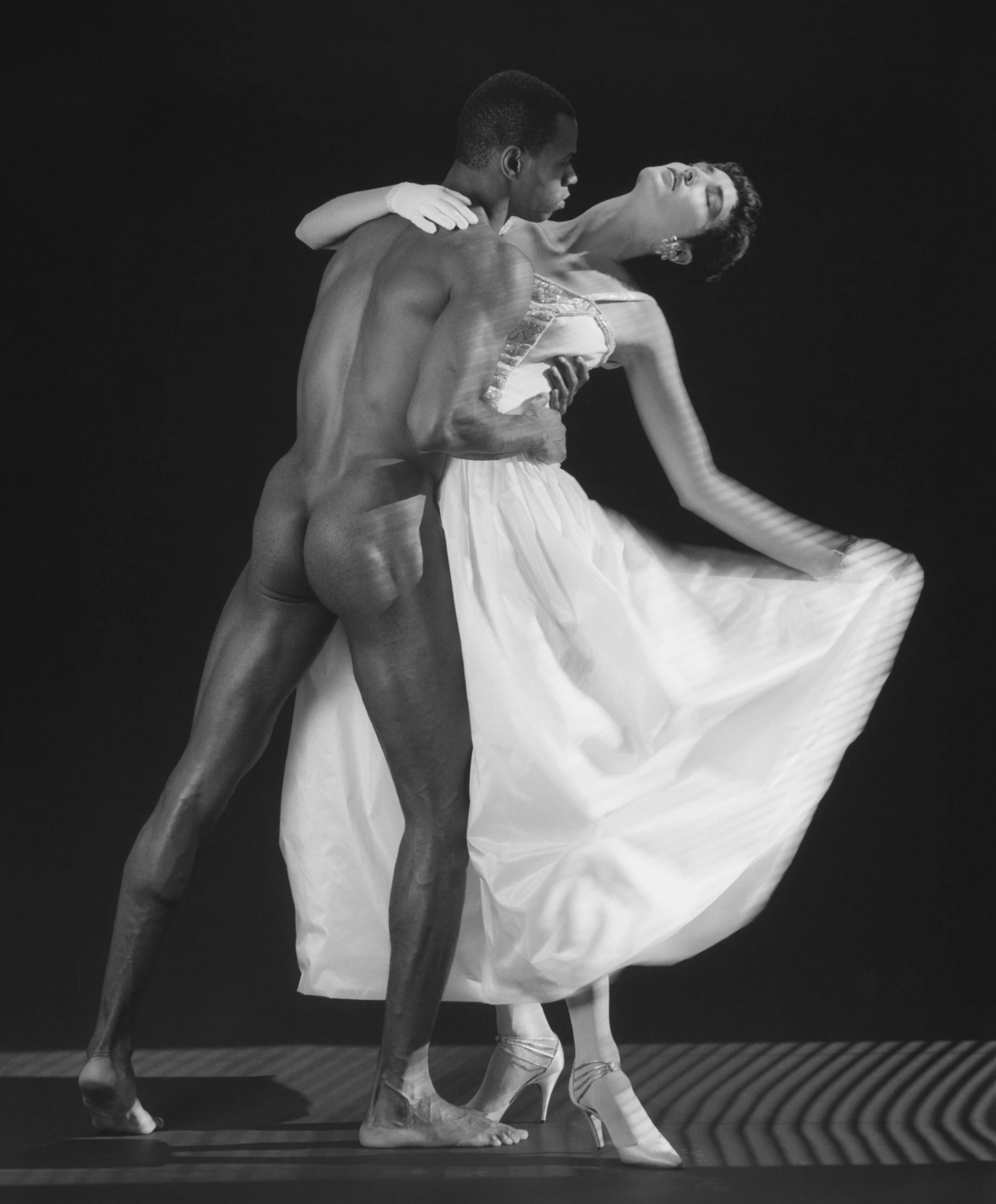
Robert Mapplethorpe, Thomas and Dovanna, 1986 © Robert Mapplethorpe Foundation. Used by permission
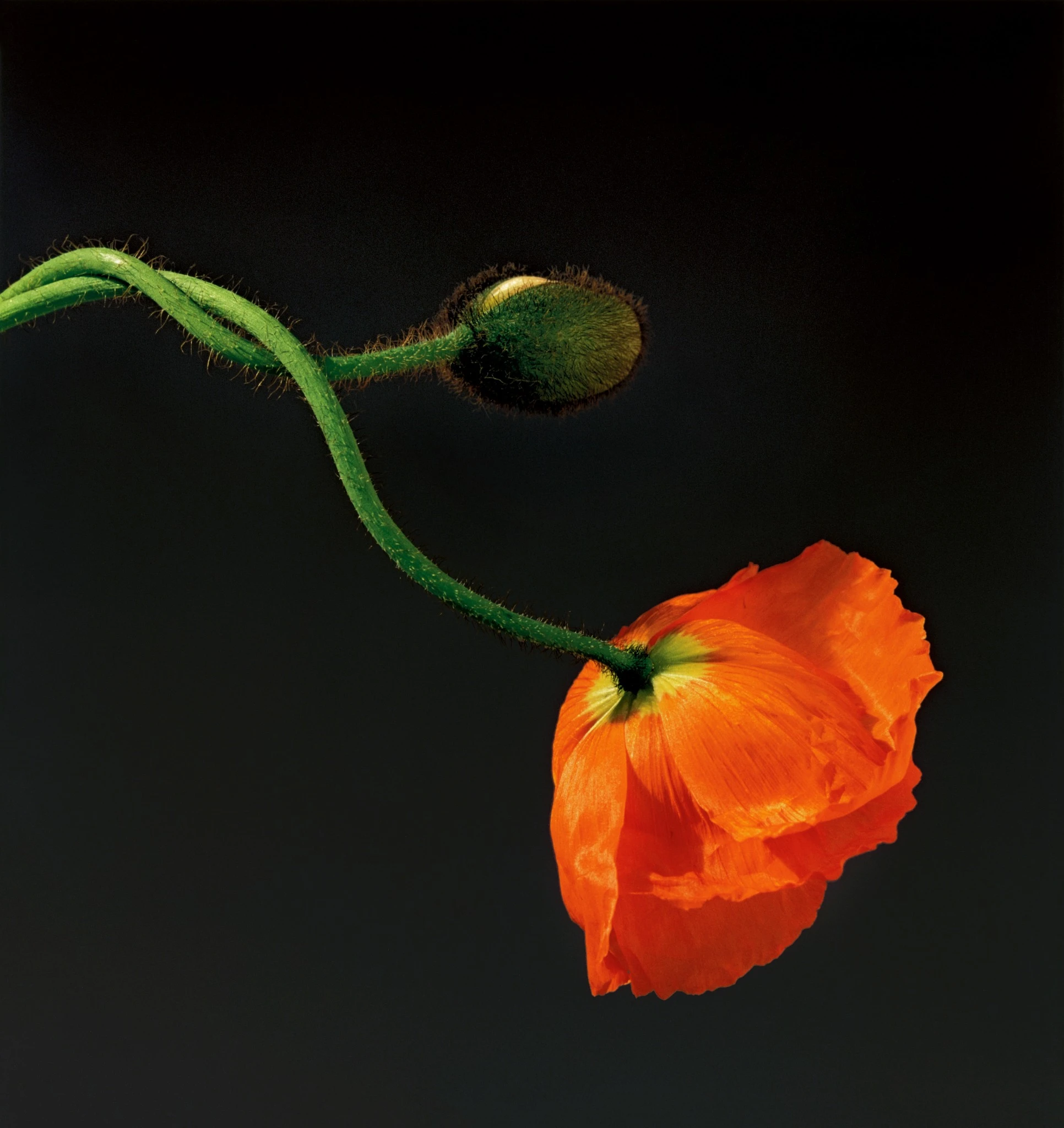
Robert Mapplethorpe, Papavero, 1988 © Robert Mapplethorpe Foundation. Used by permission
Robert Mapplethorpe Exhibition at Palazzo Reale Milan: Sections and Highlights
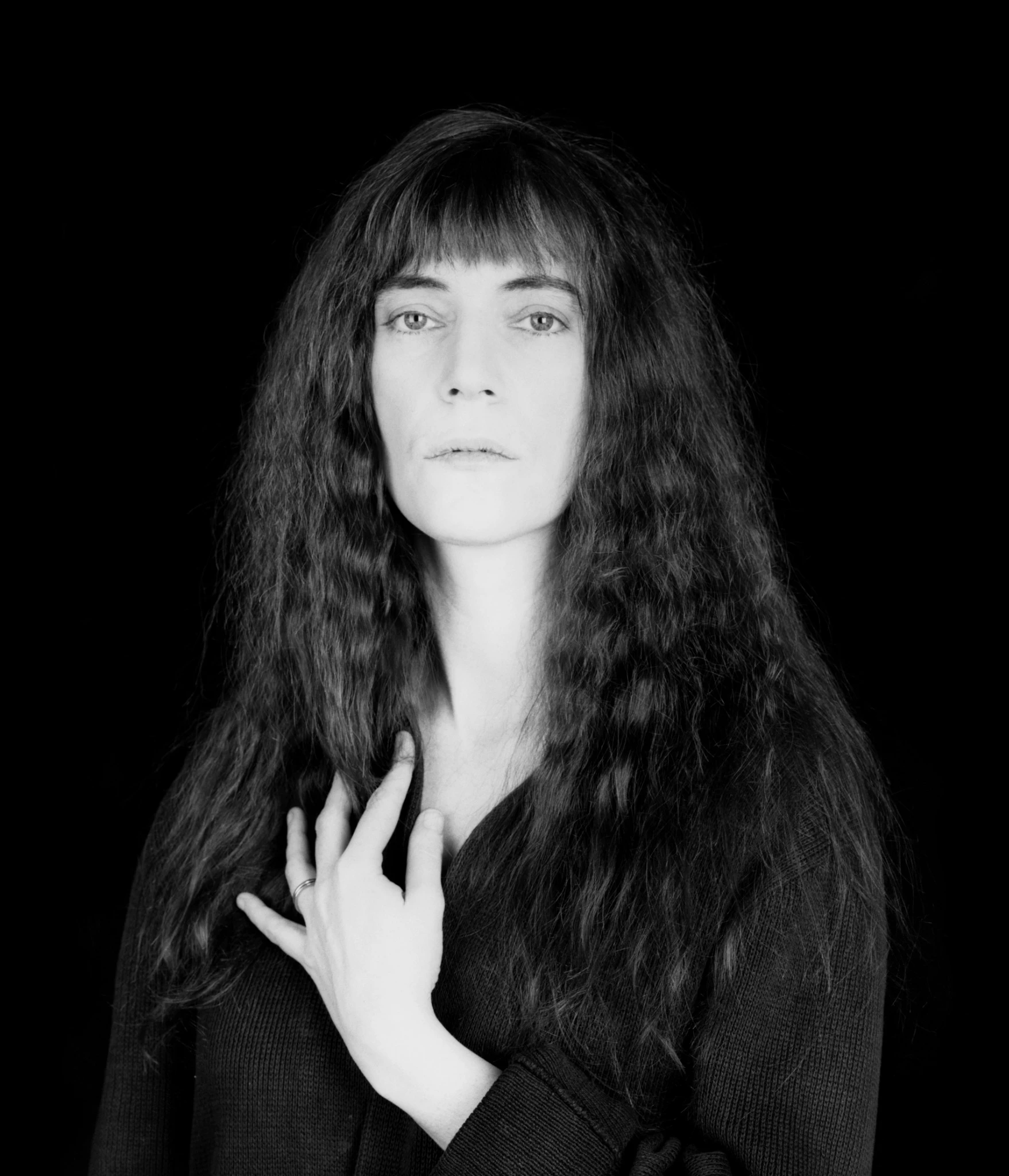
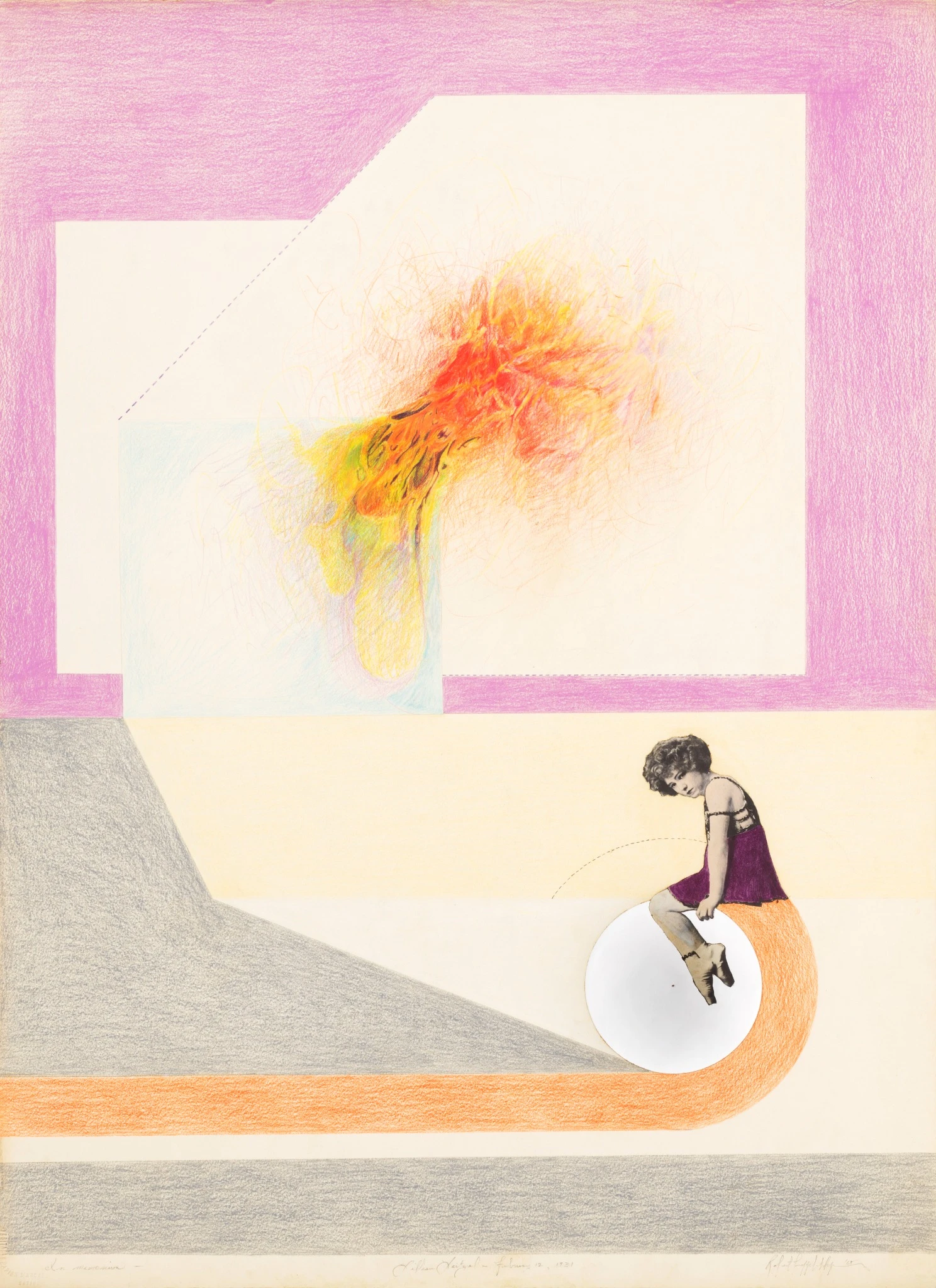
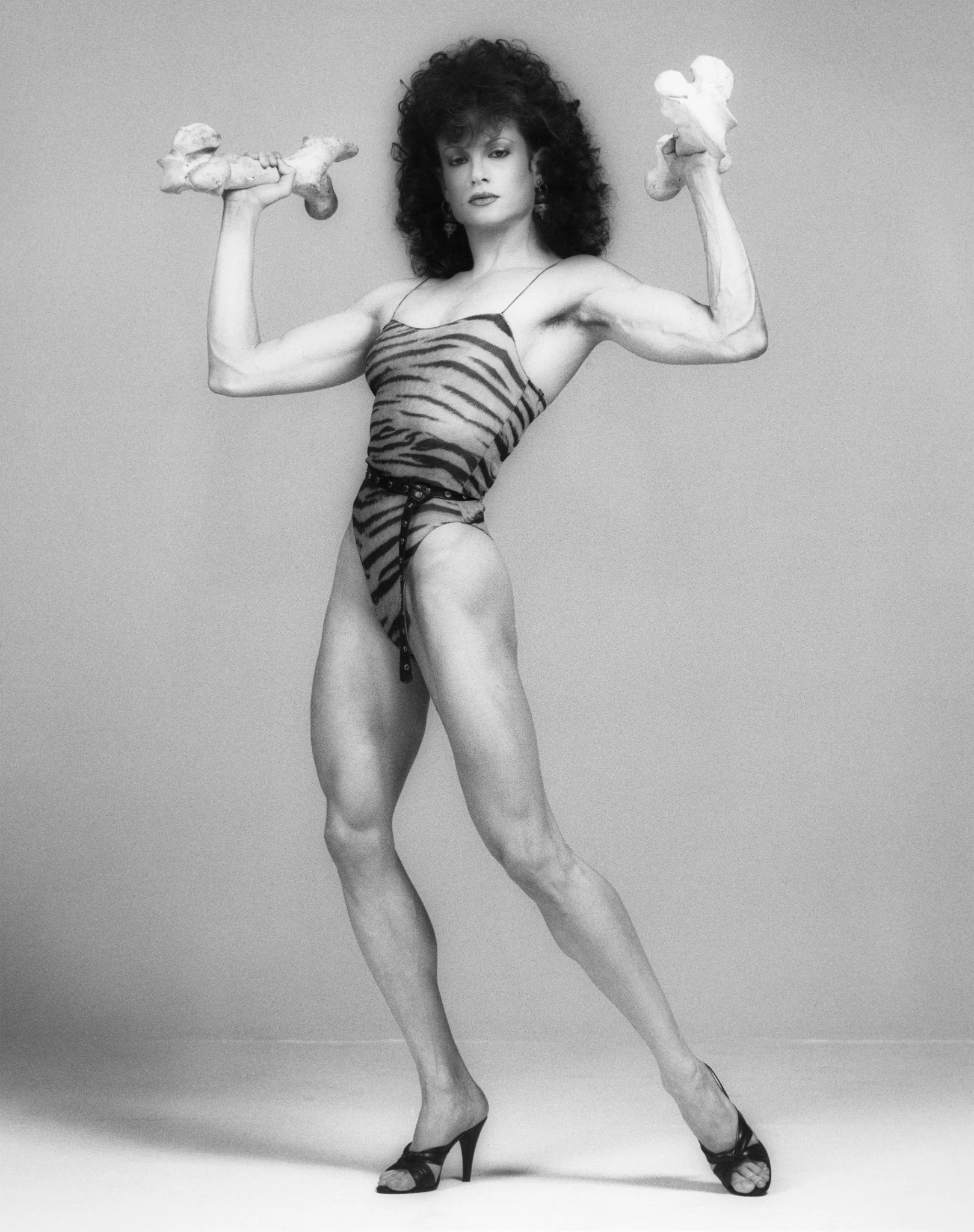
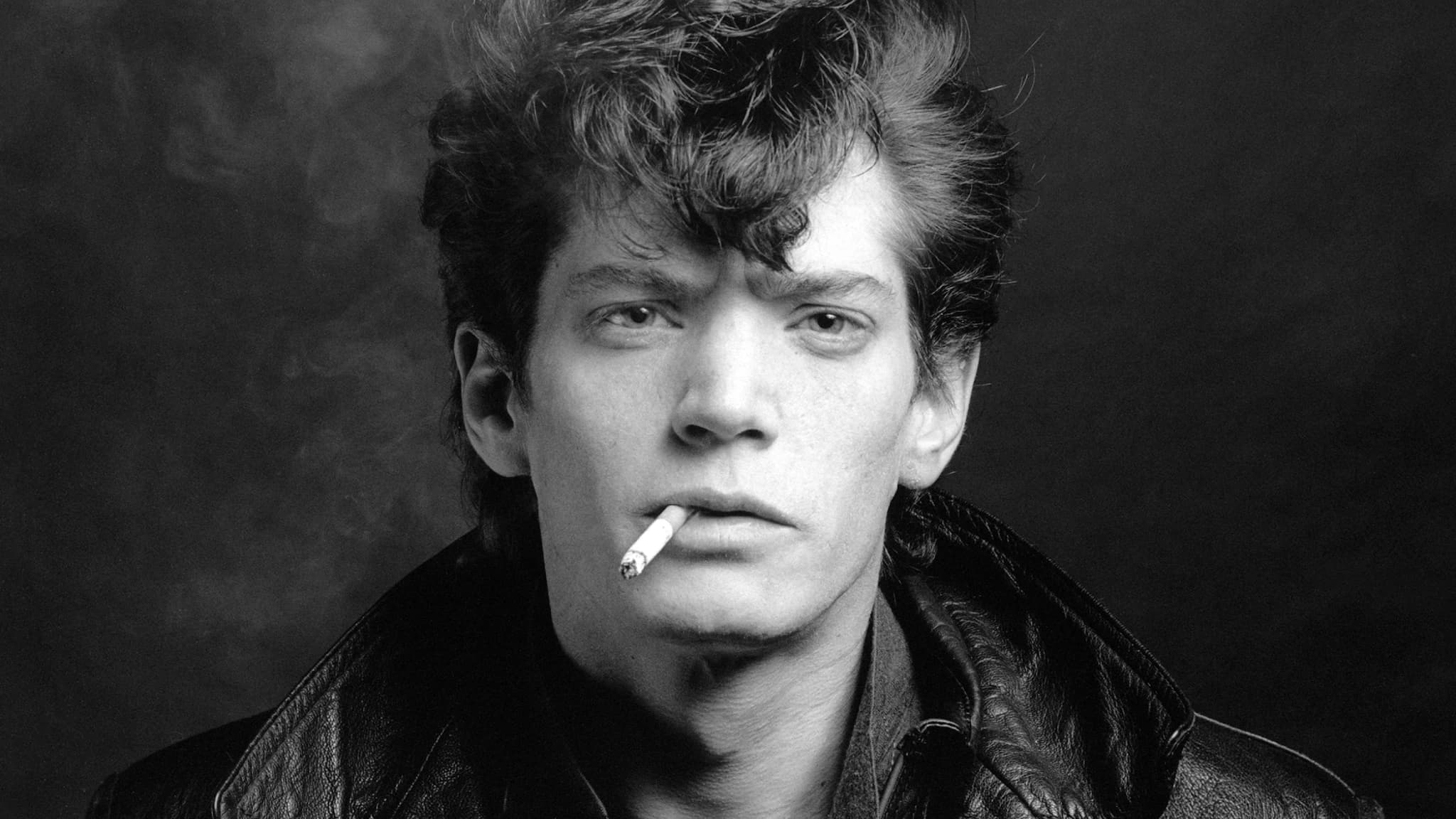
The Milan exhibition is divided into several thematic sections that trace Mapplethorpe’s artistic evolution from his experimental beginnings to full maturity. It opens with rare collages from the late 1960s in which he combines cutouts, objects, and religious symbols to explore identity and the pleasure of artifice as tools for relating to others. A significant portion of the exhibition is dedicated to his muses, Patti Smith and Lisa Lyon. The portraits of Smith reveal an intimate and vulnerable bond, while those of Lyon explore an androgynous beauty that transcends gender codes and celebrates the body according to a neoclassical aesthetic. The self-portrait section reveals Mapplethorpe’s introspective side. Here, photography becomes a mirror of the artist, documenting his transformation from dandy poses in the 1970s to images marked by illness. The portrait section brings together famous figures such as Andy Warhol, Yoko Ono, and Isabella Rossellini. It presents the studio portrait as a space for encounter and transfiguration. In this space, physicality takes on an almost sacred dimension thanks to the rigorous control of light and composition. The nudes and flower photographs, on the other hand, celebrate formal beauty of classical origin, suspended between aesthetic perfection and erotic tension while challenging social conventions. The exhibition concludes with a dialogue with ancient statuary. Through the lens of his Hasselblad, Mapplethorpe restores vitality to marble forms, transforming stone into a sensitive, almost carnal presence. Creating such a comprehensive exhibition was possible thanks to the Mapplethorpe Foundation’s generous collaboration. Established by the photographer in 1988, a few months before his death, the foundation not only protects his work, but also funds medical research and projects related to fighting the virus and treating HIV.