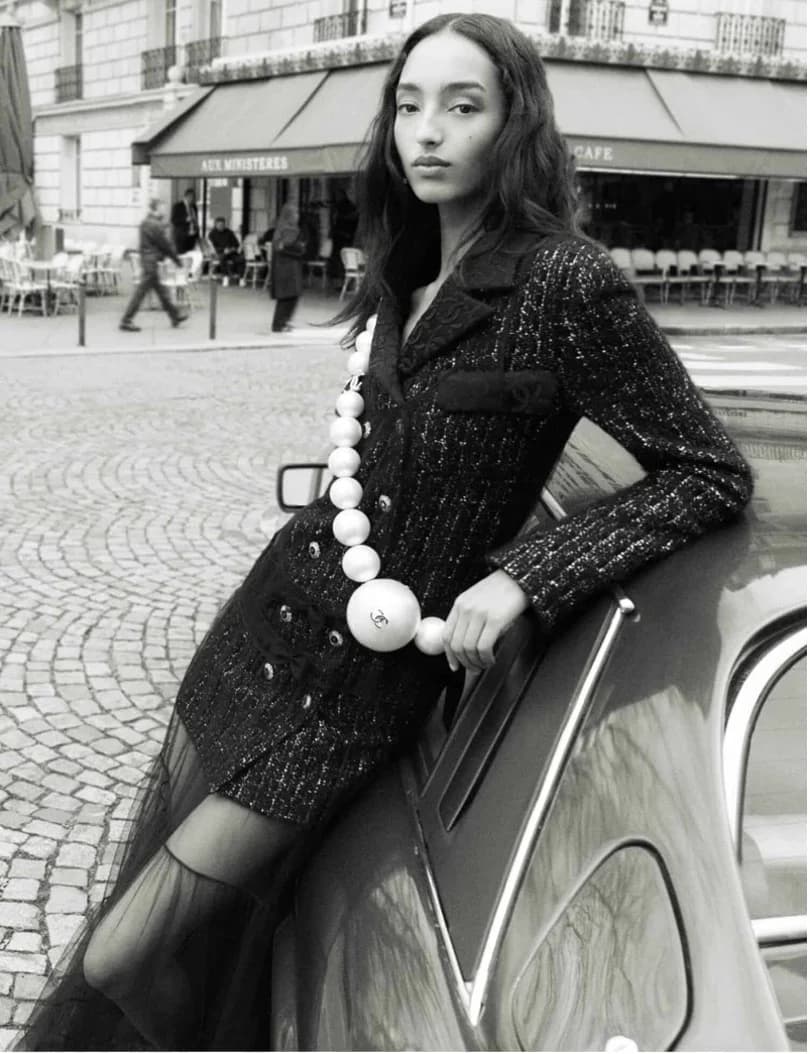
Black-and-white Paris street photo of a model in a tweed coat and sheer skirt.
6 min

Photography Trends 2025: Why Authentic Images Beat AI Pictures

By Ana Victoria Servigna

Discover the key photography trends of 2025, from film-inspired aesthetics and street photography to AI, drones, and emotion-driven storytelling.

Photography in 2025: Between Technology and Emotion

Photography, as a form of artistic expression, has been continuously evolving over the years. In 2025, we perceive photos influencing significant advances in technology and social media, serving as a primary mode of communication on these platforms. However, for those who view photography as a profound art and professional pursuit, certain trends and techniques are defining its landscape this year.

With the increasing use of AI for modifications, improvements, and edits by everyday people and even in major brand advertising, photographers are ironically embracing traditional techniques. This evokes nostalgia, human connections, and authenticity, whether for individual projects, advertising campaigns, or content creation, and regardless of whether photos are taken with the most advanced camera or a smartphone.

While a thorough understanding of every camera function and proper lighting in a studio remains relevant, including technical details like aperture, shutter speed, ISO, and post-production, it seems that what is most admired in photography this past year goes beyond mere technical mastery. It's the evolving application of these tools and the photographer's willingness to integrate them into their unique artistic vision that truly stands out.

Key Photography Trends Shaping 2025

Retro and Vintage Aesthetics

In 2025, several trends are emerging, reflecting how creatives are utilizing different visual styles. For instance, there's a strong appeal to retro and vintage aesthetics, achieved by using old cameras that capture faded colors and film-inspired looks, thus evoking nostalgia. Portraits will always remain an important part of photography, and natural lighting with an emphasis on authentic expressions has gained relevance, seeking to connect on a deeper emotional level.

Dark Tones, Shadows, and Mood

Dark tones are also trending, with shadowy tones and desaturated colors offering moods of mystery, melancholy, and sophistication.
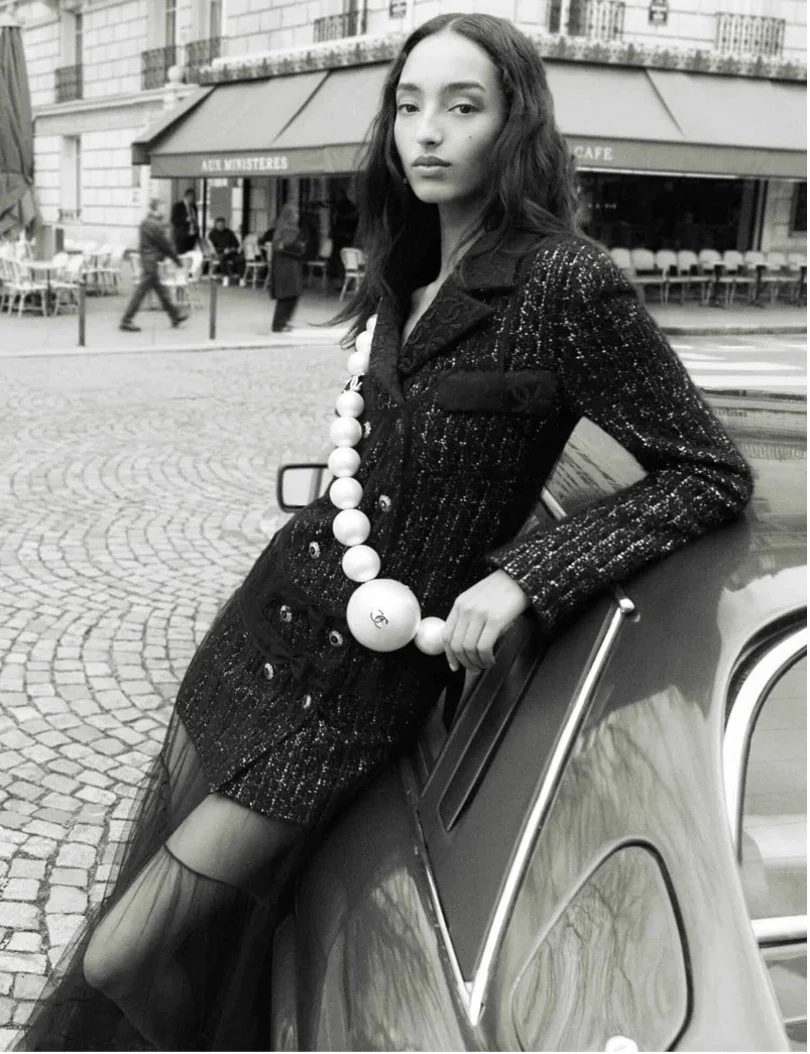
Black-and-white photograph of a model leaning on a vintage car in Paris, from Chanel Fall-Winter 2025/26, photographed by Mikael Jansson.

Chanel Fall-Winter 2025/26. Photograph by Mikael Jansson.​

Street Photography and Everyday Stories

Street photography, though not a new trend, has seen renewed focus in recent years. Some photographers are dedicating themselves to capturing particular aspects of everyday life on the streets of specific cities or towns to create compelling storytelling. This often involves using phone cameras and instantly sharing in a vertical format on social media.

Drone Landscapes and New Perspectives

Drones are also becoming more experimental. Nature photography, in particular, has benefited from drones, capturing aerial views that offer fresh and comprehensive perspectives on landscapes, allowing us to admire the diverse textures and colors of natural environments.
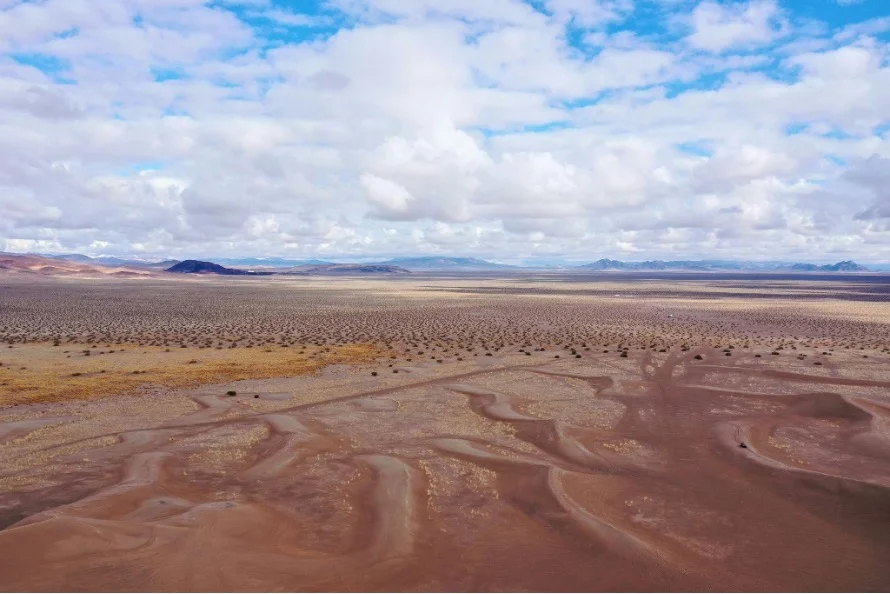
Aerial photograph of the desert near Beatty, Nevada, with winding sand patterns under a cloudy sky. Photo by JD Garrett.

Beatty, NV, United States. Photo by JD Garrett.

Photography Inside Design and Branding

Photography also plays a crucial role in design trends. Brands are embracing a return to character and personality in their identities by reconnecting with their past. This involves blending photos with other visual elements like illustrations and creating organic collages that allow for experimentation. Visual storytelling in design is evolving, constantly seeking to provide imagery that evokes emotions, and photography, with its current vision in 2025, perfectly facilitates this exploration of human connection.

Personal Projects and Storytelling in Photography

Turning Lived Experience into Visual Narratives

Beyond offering commercial services, photographers are forging their own paths, expanding their portfolios with personal projects that are artistic and rich with storytelling. These projects often retail stories linked to personal experiences or aim to convey a particular theme. For example, addressing social issues or capturing specific feelings like nostalgia, love, or shared moments.

Marina Kalcheva, a photographer, videographer, and visual artist based in Barcelona, reflects on her art as a constant search for the philosophical side of her work. Her practice explores the tension between beauty and cruelty, precision and imperfection, capturing moments where shadows, light leaks, and varied textures converge.
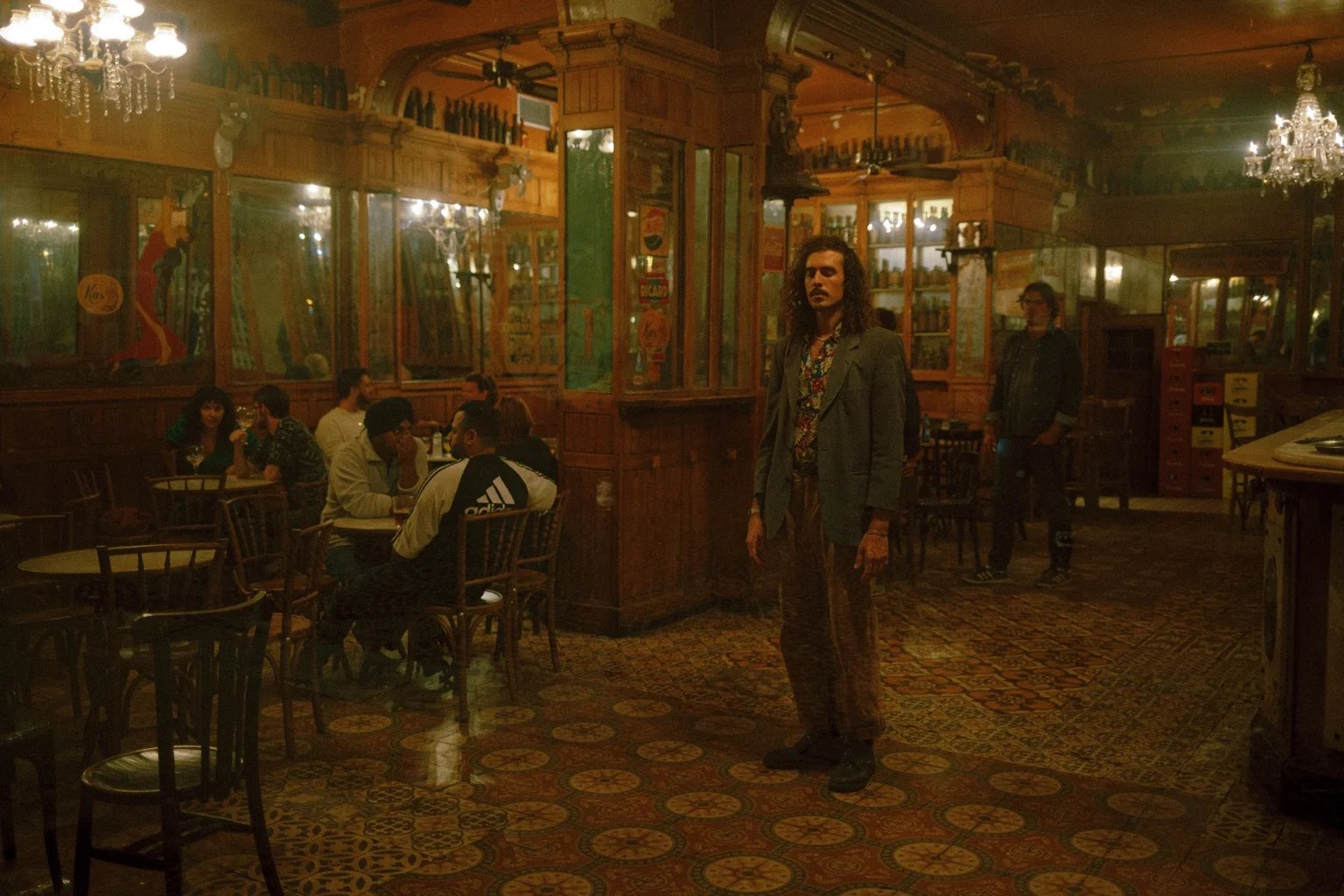
A warm, cinematic photograph of Mateo Aimaretti standing in the middle of a vintage bar, surrounded by people talking at small tables under chandeliers. Photo by Marina Klcheva.

Mateo Aimaretti by Marina Kálcheva.

Voices, Representation, and Diverse Perspectives

Self-taught Canadian photographer Merima Agovic has found a powerful form of expression in her art: capturing stories from diverse perspectives. Her work respectfully documents women, people of color, and the LGBTQ+ community, providing a crucial platform for voices that need to be heard.
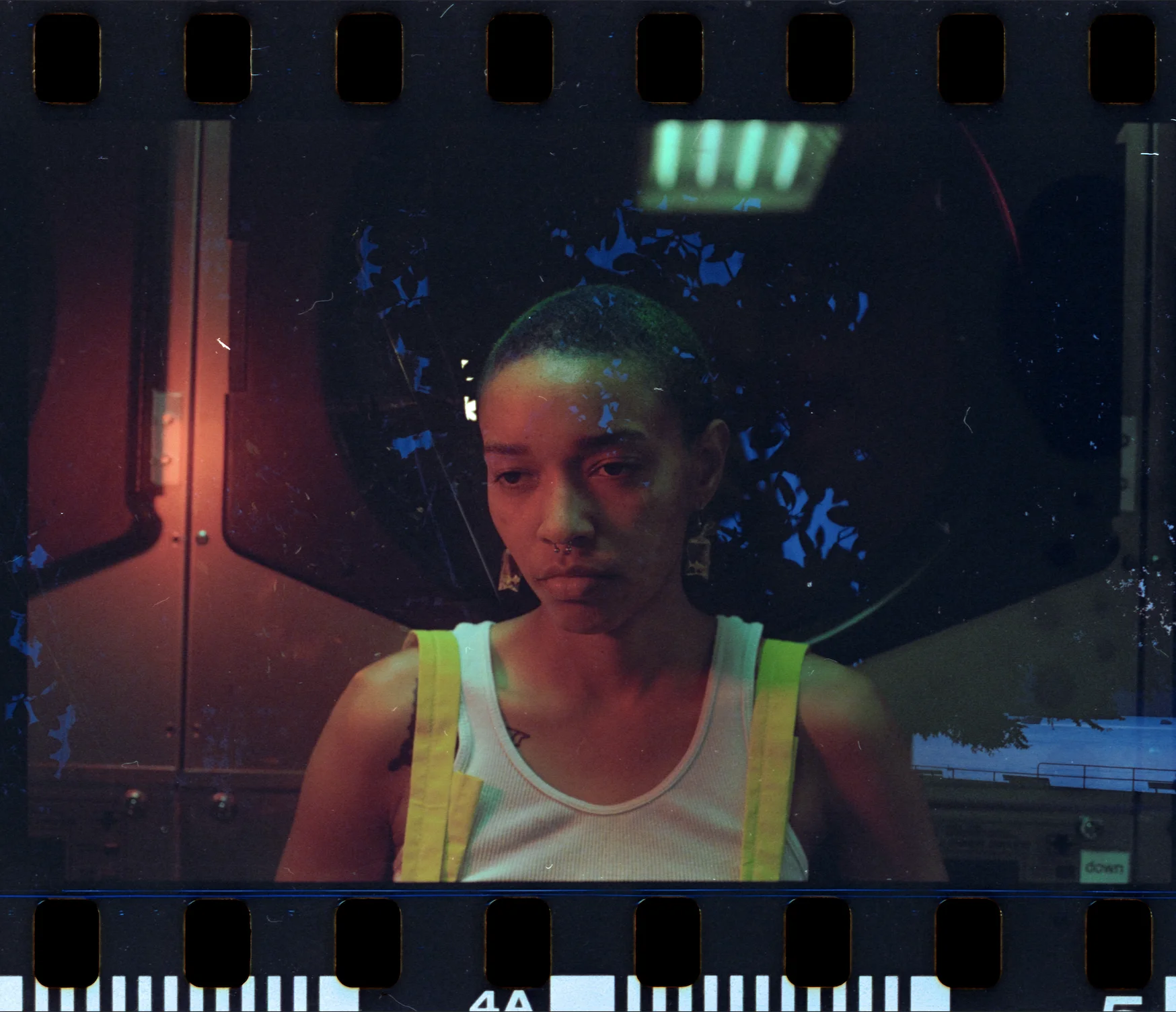
Portrait of a person in a white tank top under moody red and blue light, framed by film sprockets and texture, from the series Long Gone by Merima Agovic.

Long Gone, by Merima Agovic.

Meanwhile, Calvin Koukoui, a French-Beninese photographer specializing in film, finds that portraits have the power to evoke emotion and reveal a quiet beauty in simplicity. He's found his voice in crafting original ideas and weaving them into a cohesive body of work.


The visions of these two photographers exemplify how each artist, in their own way, exposes and explores the themes of their art through photography. They emphasize the importance of genuine connection through visual storytelling, experimenting with different techniques and cameras while primarily focusing on defining the unique identity of their work.

Why Perspective Matters More Than Ever in 2025

In a world saturated with constant, real-time images that often lack depth and purpose, a thoughtful vision through photographs has become more important than ever. As technology, and more specifically AI, continues to rise in image creation, this context compels photographers to imbue their work with artistic value and authenticity.

Years ago, for example, during the 2010s, having the most up-to-date camera, the best lenses, and perfect technical knowledge was extremely relevant and often considered necessary for a good picture. Imperfections were avoided at all costs, and getting the "best shot" was paramount. This era was defined by rapid technological evolution from DSLRs to mirrorless cameras and the widespread integration of high-quality video features. Nevertheless, it was also during this time that social media platforms like Instagram began to take hold, especially among smartphone users, leading to the democratization of the medium and the proliferation of new trends like double exposure, flat lay photography, and the widespread popularity of the selfie. Instagram offered users a diverse number of filters that automatically experimented with lighting and colors, becoming so memorable that the entire era had very distinct visual filters, particularly from 2014-2016.

The rise of this platform also allowed professional, beginner, and amateur photographers to share their work and build an audience that could eventually translate into clients. From this time onward, photography underwent significant changes. The smartphone and the vertical format of Instagram stories profoundly altered the meaning of photography and the message behind it.

However, thanks to these shifts, photography might be experiencing a renaissance in 2025. As the obsession with capturing the "perfect shot" began to lose relevance, the recall of feeling the picture resurfaced as a crucial aspect of this artistic form. This year, among creatives, what goes beyond the literal image is what will gain respect and make photography powerful.

Learning the basics provides control over functions, which in turn gives photographers the tools to decide and be creative about how photos look and the message they convey. But the true power lies in being able to transmit something beyond just a simple image, whether in a studio or outdoors.

How to Create Powerful Images in a Smartphone Era

Some interesting insights emerge when considering how to achieve this when taking pictures with a smartphone, which is part of everyone's lives. Understanding photography as an art form emphasizes the creative decisions, technical skill, and emotional communication involved.

Infusing Emotion into Every Frame

Infusing a photograph with emotion is what truly connects it to the intended message. Without this emotional depth, an image merely exists as one of many, lacking impact and purpose. This focus on emotional transmission provides not only a clear direction for the photographer's creative journey but also cultivates a more engaged audience, drawn in by shared values and genuine connection.
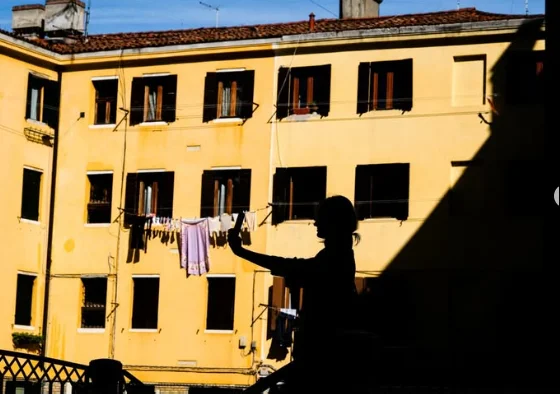
Silhouette of a person taking a photo in front of a yellow apartment building with laundry hanging on a line, in deep shadow and strong sunlight. Photo by Manolis Soulos.

Photo by Manolis Soulos.

Looking Beyond What’s Viral

Being aware of your surroundings beyond what's merely viral leads to creating a genuine vision and a personal perspective. This involves discovering unexpected photographic opportunities by noticing details and light, and improving compositional awareness of backgrounds.

Choosing the Right Camera: Film vs Digital

Choosing a camera that provides the photographer with the right tools to express their message is also key. Analog cameras, for example, have become increasingly popular due to their unique ability to capture light on a chemical emulsion, resulting in an organic look with rich detail and depth that digital simulations struggle to replicate authentically.

The Future of Photography: From Technique to Meaning

Whether in advertising, social media, or personal projects, photography in 2025 continues to carry the changes that began years ago, as photos became an important source of communication. We are now in a blend of technological innovation, artistic expression, and a growing emphasis on purpose and connection.

Clean portfolios still hold value, and mastering compositions remains a plus. However, industries like fashion, film, and other arts and culture sectors are now driven by the photographer's unique "fingerprint" of what they can offer to a brand, its distinct identity, and its purpose. Meaningful stories behind the lens are what seem to captivate most audiences and garner the most appreciation among other professionals.

Photography keeps evolving, and 2025 has the power to be the year when this art form recovers its most important essence: creativity. Photographers are being challenged to look inward, drawing upon their unique experiences and perspectives to craft visuals that resonate on an emotional level, ultimately elevating their craft from mere documentation to profound artistic expression. The future of photography in 2025 is not just about capturing light, but about illuminating stories and evoking genuine human experience. This becomes a pivotal moment where technical prowess is no longer sufficient; the ability to infuse imagery with soul and narrative depth becomes paramount.
Date

23.11.2025

Tags
Photography & Visual Mediaphotography trends 2025authentic photographyfilm photography revivalAI and photographywomen and LGBTQ+ representation in photographycreative photography projectsphotography as visual storytelling
Woman with a short blonde wig and bright red lipstick standing on a crowded pebble beach, wearing a light blue bikini top held in place by black-gloved hands, with rocky cliffs, sunbathers, and a stone bridge over turquoise water in the background.
8 min

Paris Photo 2025: What to Expect from the 28th Edition

By Josh Bright

Preview Paris Photo 2025 at the Grand Palais, the 28th edition of the worlds leading photography fair, with global galleries, digital works and emerging voices.

This November 13–16, Paris Photo, the world’s foremost photography fair, returns to the heart of the French capital for its 28th edition. Now in its second year back at the historic Grand Palais—following three years at the GrandPalais Éphémère, the temporary venue used during renovations—the fair brings together galleries, publishers, and curators from across the globe, celebrating photography in its many forms, from its storied past to its evolving present.

Large Paris Photo 2024 banners hanging between the classical stone columns of a historic Parisian building, seen through slightly blurred branches with leaves and flowers in the foreground.

Banners announcing Paris Photo, 7–10 November 2024, displayed on the façade of a classical colonnaded building in Paris.

A Medium in Transition

It’s a strange moment for photography. The rise and rapid proliferation of AI-generated imagery has sparked fears within the industry, with some commentators even predicting the medium’s impending demise. Yet while these developments present undeniable challenges for photographers and the wider industry, photography remains an essential tool for storytelling, documentation, and provocation: capable of moving, informing, and challenging audiences in ways no other medium can. Paris Photo, the world’s foremost photography fair, demonstrates how the medium is adapting and evolving, highlighting the enduring power and relevance of the photographic image.

A Platform for Photography’s Evolution

Since its inception in 1997, Paris Photo has grown into a major event on the photography calendar. Paris itself boasts a photographic heritage like no other: central to photography’s invention and early development in the 19th century, and later a hub for 20th-century photographers—from Henri Cartier-Bresson and Robert Doisneau to ManRay and William Klein—its streets and studios have shaped generations of image-makers.

While fundamentally a fair, Paris Photo offers far more; it is a space for encounter, discovery, and reflection, drawing together galleries, publishers, artists, collectors, and enthusiasts from around the world.

Key Galleries and Exhibitors

This year, Paris Photo will host 224 exhibitors, including 183 galleries and 41 publishers from 33 countries. While established names like Pace (New York, London, Seoul), Fraenkel (San Francisco), and Thomas Zander (Cologne) return, it's refreshing to see newcomers from emerging markets such as Vadehra Art (New Delhi), Ayyam Gallery (Dubai), and Hafez Gallery (Jeddah). These galleries not only inject fresh perspectives but also highlight the growing prominence of the Middle East and South Asia in the global photography scene. This international presence is vital for moving beyond the traditionally Western-centric focus of photography, fostering dialogue with diverse global perspectives and practices.

Meanwhile, smaller Parisian galleries like Papillon and Poggi bring a sharper, more experimental edge to the fair, showcasing conceptually driven work that reflects the city’s evolving contemporary photography scene. For visitorsless familiar with Paris’s art world, these galleries provide a rare window into its current currents and emerging trends.

Scattered throughout the nave, the Prismes projects continue to offer large-scale propositions, while the curated Voices sector, now in its second edition, remains at the heart of the fair, spotlighting ambitious curatorial projects that explore relationships, kinship, and socio-political reflections within contemporary photography.

Wide view of the Paris Photo art fair inside a vast glass-roofed hall with green iron arches, showing rows of white exhibition booths filled with photographs and books, and crowds of visitors walking through the space.

Paris Photo fair inside the Grand Palais in Paris, with photography galleries, bookstands, and visitors gathered beneath the historic iron-and-glass roof.

From Masters to Emerging Voices

One of Paris Photo’s enduring strengths is its balance of history and innovation: iconic masters share space with contemporary and emerging artists, creating a dialogue between photography’s past, present, and future, a dynamic especially evident in 2025.

Lee Friedlander (Fraenkel Gallery), Lisette Model (Galerie Julian Sander), Man Ray (Bruce Silverstein Gallery), Bill Brandt (Atlas Gallery), Helen Levitt (Zander Galerie), and Helmut Newton (Hamiltons), are just a few of the masterswhose silver gelatin prints will be on display, offering insight into the foundations of modern photography and the lasting influence of these pioneering figures.

While their work will understandably attract much attention, visitors will also encounter a striking counterpoint incontemporary voices such as the ever-enigmatic Juergen Teller and the critically acclaimed Tania Franco Klein. Mexico-born Franco Klein is rapidly establishing herself as one of the most distinctive image-makers of her generation, with her cinematic, color-saturated photographs—often staged self-portraits set in liminal spaces like motels, highways, and domestic interiors—which explore themes of isolation, nostalgia, and the psychological weight of modern life. This has been a landmark year, with her first solo show in Paris, at Les Filles du Calvaire, inclusion in MoMA’s New Photography 2025: Lines of Belonging, and new representation by Yancey Richardson Gallery in New York.

Emerging photographers bring fresh energy and perspective to the fair. Marine Lanier (Espace Jörg Brockmann)works in a poetic register, folding landscape and narrative to explore identity and environment. Hungarian-born,Paris-based András Ladocsi (Galerie Obsession) produces intimate, often analog-leaning images that attend to bodies, movement, and tactility. Sylvie Bonnot (HANGAR) engages with landscape and materiality, most recently in her series Le Royaume des Moustiques, developed during a residency at the Cité Internationale des Arts in Paris. Meanwhile, Melissa Schriek (Hama Gallery) moves between staged and documentary modes, exploring bodies, urban life, and performative encounters with a formal sensitivity that complicates easy reading. And Melissa Schriek (Hama Gallery) pushes toward the surreal, weaving dreamlike narratives that blur intimacy and strangeness, subtly stretching the possibilities of contemporary photography.

Aerial view of a deep red tailings pond with white, cracked mineral deposits spreading upward in branching, vein-like patterns along the lower edge of the image.

Murrin Murrin Tailings Pond #1, Murrin Murrin Mine, Western Australia, Australia, 2025. © Edward Burtynsky. Courtesy of Flowers Gallery, London and Hong Kong.

Digital Sector: Photography in the Digital Age

The Digital sector returns for its third consecutive year, this time curated by Nina Roehrs, and feels more pertinent than ever amid the rapid rise of AI and other technological shifts. The 13 participating exhibitors, including Heft (NewYork), Nagel Draxler (Berlin, Cologne, Meseberg), and Office Impart (Berlin), present works that push the boundaries of the medium through augmented reality, blockchain, VR, and other hybrid forms.

At a moment when image-making is increasingly entangled with questions of authorship, authenticity, and appropriation, such experiments can be divisive. Full AI-generated images—often built on datasets scrapedwithout consent—have sparked heated debate within the photographic community. Yet many artists here seem to take a more nuanced path: using digital tools as extensions of photographic practice rather than wholesale replacements.

This balancing act is crucial. By integrating technology while maintaining dialogue with photography’s traditions, theseprojects suggest ways forward that embrace innovation without abandoning the medium’s history. With galleries likeRolf Art (Buenos Aires) and Anita Beckers (Frankfurt) expanding their main-sector participation with digital-specific works, the fair underscores not just photography’s adaptability, but also its resilience in the face of rapid technological change.


Emergence Sector: Rising Voices on the Global Scene

Located on the first floor of the Grand Palais, the Emergence sector showcases 20 projects by emerging artists, offering a window into photography’s next generation. This year highlights voices making bold statements across diverse international backgrounds. Bérangère Fromont (Bacqueville, Lille) presents intimate, psychologically charged portraits, Suwon Lee (Sorondo Projects, Barcelona) explores identity and memory through staged compositions, Mia Weiner (Homecoming, Amsterdam) investigates domesticity and displacement, Atong Atem (Mars Gallery, Amsterdam) merges performance and portraiture to probe visibility and representation, and Louis Porter (Chiquita Room, Barcelona) experiments with form and color to challenge photographic conventions.

Spanning regions from South Sudan to Mexico and Venezuela, the sector emphasizes photography as a global language. These projects navigate socially engaged work alongside experimental approaches, revealing fresh perspectives and new directions for the medium.

Book Sector: Contemporary Publishing in Photography

The Book sector remains a cornerstone of Paris Photo, with 41 publishers presenting the breadth of contemporary photography. From renowned names like Aperture and Mack to independents such as TBW Books (Oakland), known for championing underrepresented voices and experimental projects; RM (Mexico City/Barcelona), with its focus on Latin American photography, both emerging and established; and Witty Books (Turin), which brings a design-driven, often interdisciplinary approach. Together, they span monographs, artist books, anthologies, and more exploratory projects, offering a chance to encounter both established and unexpected voices. It’s also a space where books come alive through talks and signings with photographers, details of which are usually announced closer to the fair.

Woman with a short blonde wig and bright red lipstick standing on a crowded pebble beach, wearing a light blue bikini top held in place by black-gloved hands, with rocky cliffs, sunbathers, and a stone bridge over turquoise water in the background.

Kourtney Roy, from Trashissima (book), 13.5 × 18 cm, 2025. © André Frère Editions / PhotoBooksLab.

Curators: Shaping the Vision

The curatorial program at Paris Photo 2025 mirrors the shifting concerns and directions of the medium itself. The Elles × Paris Photo path, led by Devrim Bayar—who brings experience from KANAL, Center Pompidou (Brussels),and WIELS Contemporary Art Center—in partnership with the French Ministry of Culture, continues to address gender imbalance, with women now representing 38% of the artists featured, up from 20% in 2018.

The Voices sector, curated by Nadine Wietlisbach (Fotomuseum Winterthur) and Devika Singh (Courtauld, formerly Tate Modern), highlights international contemporary practices, foregrounding political, ecological, and personal dimensions while giving emerging and experimental artists space to shape the conversation.

Perhaps most intriguing is the returning Nina Roehrs, who oversees the Digital sector. Known for her pioneering work at Roehrs & Boetsch in Zurich—a gallery that championed digital-native art in its formative stages—Roehrs has long been interested in how artists use new technologies to reimagine visual culture. At a moment when questions of technology, authorship, and authenticity aremore pressing than ever, her curatorial vision is particularly important: she confronts these issues head-on, positioning digital practice as central to photography’s ongoing evolution.

Photography in Paris: Reflecting on the Past, Shaping the Future

Paris Photo 2025 promises to show that, contrary to the predictions of doomsayers, photography is as strong as ever; a medium still capable of surprising, challenging, and inspiring. Set against the grandeur of the Grand Palais—an architectural masterpiece built for the 1900 Exposition Universelle and long a symbol of Parisian cultural life—this edition underscores photography’s enduring relevance, offering visitors a glimpse of its rich history and evolving future, while reaffirming Paris’s role as a vital center for the photographic image.

Paris Photo 2025, the 28th edition, will take place from 13–16 November at the Grand Palais. Tickets and more information are available on the official website

Date

03.11.2025

Tags
Photography & Visual Mediaparis photo 2025paris photophotography fairgrand palaisparis art fairscontemporary photographyphoto galleriesphoto booksdigital photographyai and photographyemergence sectorvoices sectorelles x paris photophotography curatorsnina roehrsdevrim bayarnadine wietlisbachdevika singhphotography publishingart book publishersemerging photographers