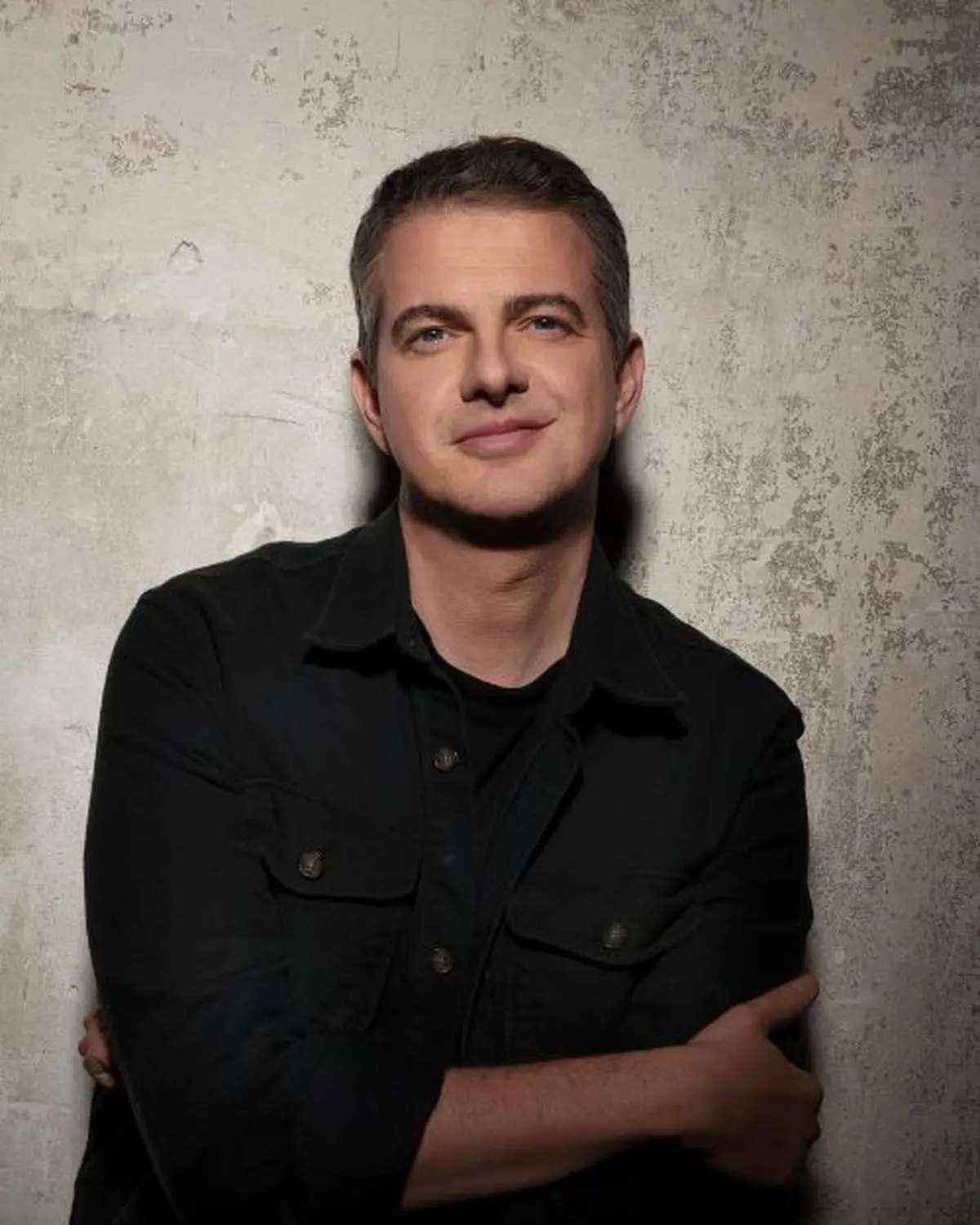
In an exclusive interview, countertenor Philippe Jaroussky reflects on 25 years on stage, conducting Mozart, his free music school in Paris, and why Ravel is his No. 1 composer.
Philippe Jaroussky was born in 1978 in Maisons-Laffitte, just outside Paris, into a family with no musical background. His great-grandfather had emigrated from Russia after the revolution. Jaroussky chose the violin at 11 and took up the piano at 15. At 18, almost by chance, he discovered he was a countertenor, the high male voice that today takes on the roles written for castrati in the Baroque era.
He has since become a regular on the world’s major stages. In France, he has won three Victoires de la musique classique, and in 2020 he received a Victoire d’honneur. In Germany, he was twice named Singer of the Year at the Echo Klassik awards. In 2002, Jaroussky co-founded the Baroque ensemble Artaserse, and in 2017 he launched the Académie Musicale Philippe Jaroussky at La Seine Musicale, where children learn violin, piano and cello for free. In recent years, he has been stepping onto the conductor’s podium more and more often.
I spoke with Jaroussky about his Académie and about his new album of 17th-century Italian music, which he says is probably his best in a decade. He admitted that there are only a few things left he wants to record before he stops singing, and he named his five favorite composers. Surprisingly for a Baroque singer, first place goes to Ravel.
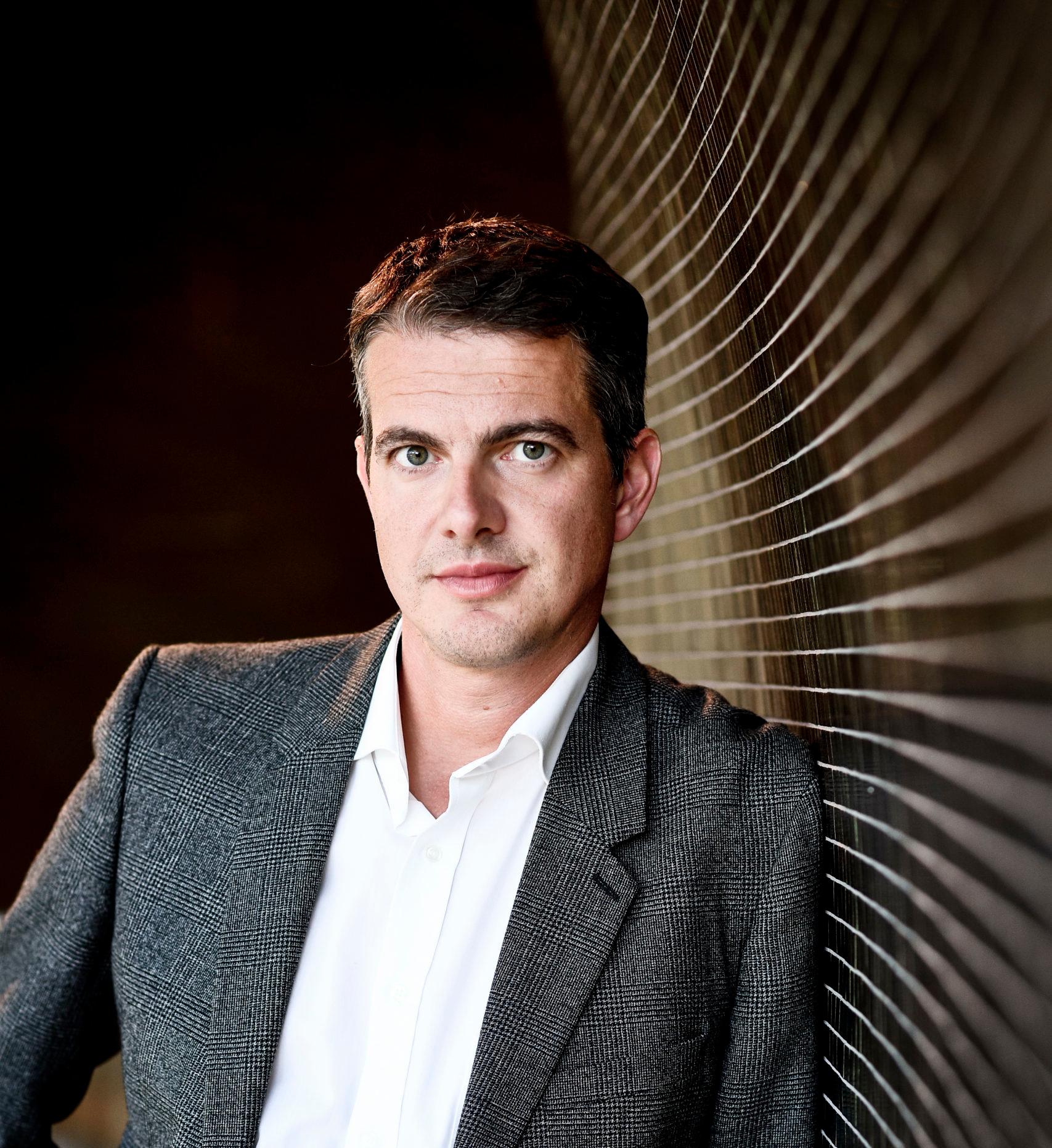
Philippe Jaroussky.
You have been in the profession for more than 25 years and have performed on some of the world’s biggest stages. What makes a concert truly unforgettable for you?
When I feel that I’m connecting with every single listener. That’s why I increasingly prefer to perform in smaller halls, with 500 to 800 seats. For a performer, a concert becomes unforgettable when you reach at least one or two truly sincere, magical moments. Those moments don’t come often, and we have to be humble about that. But when they do, that’s what makes concerts really unique compared with recordings.
Is there a role, an aria, or a composer who has had a particularly strong influence on you and perhaps shaped you as an artist?
I will never forget the day I first heardScherzo infida, from Handel’s Ariodante, on television. I was 17 and still a violinist, and that aria is definitely the reason I started singing as a countertenor. Later I had the chance to perform and record this beautiful aria.
You don’t come from a musical family, and you started relatively late: violin at 11, then piano. At what point, and thanks to whom, did music come into your life?
Thanks to a fantastic teacher at school. In France we have one hour of music education a week, and this man saw some ability in me and told my parents I should start playing an instrument. He changed my life, and this story is the reason I created my Académie years later.
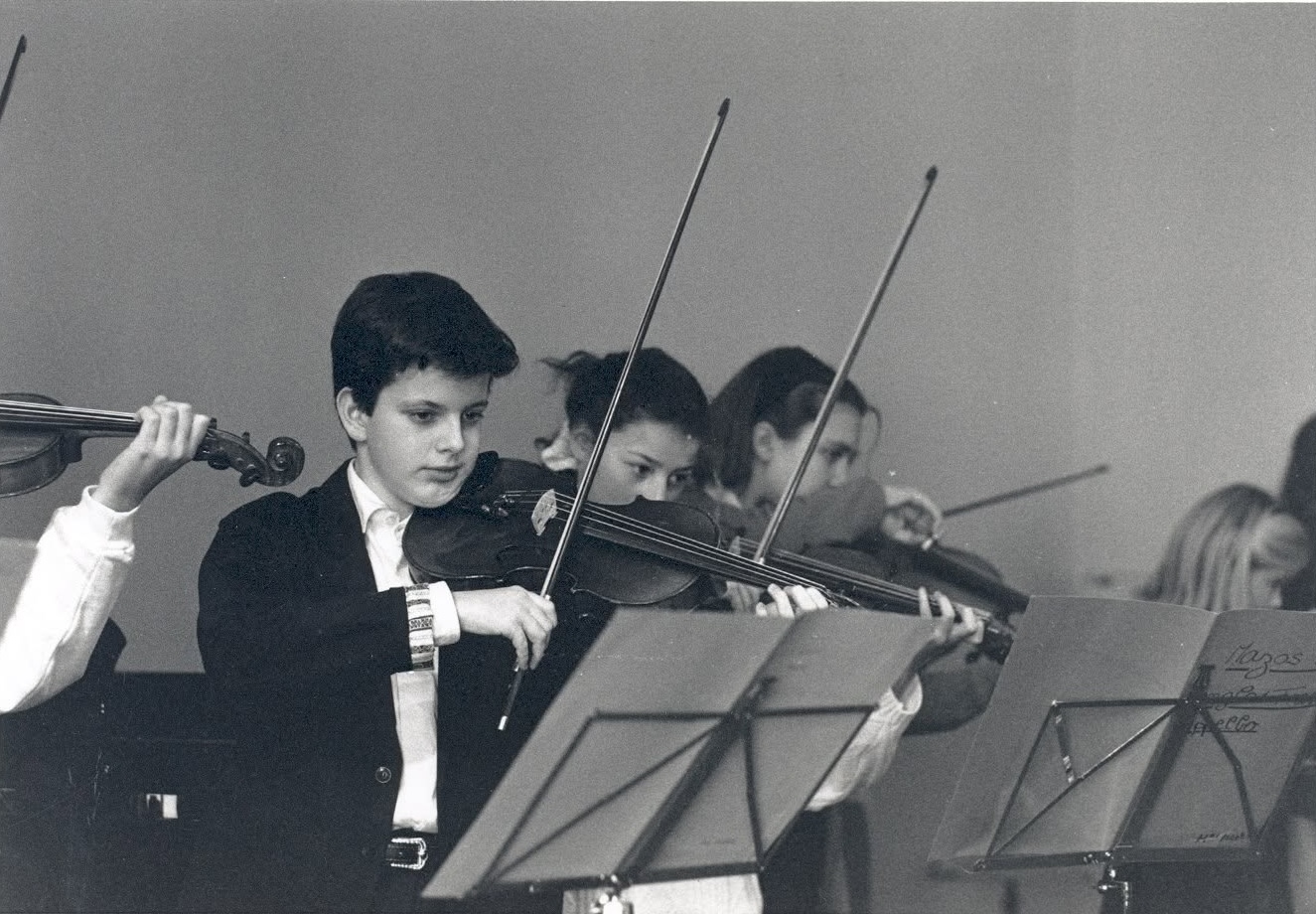
11 years-old Philippe Jaroussky.
You’ve said that as a teenager you listened to Mahler, Stravinsky, Shostakovich, techno and metal with equal intensity. What do you listen to now outside classical music? Which artists or bands?
There is one kind of music I discovered quite late in life: jazz. I listen to a lot of jazz divas, like Nina Simone and Sarah Vaughan, but my favorite is the great Ella Fitzgerald. For me, she had all the qualities we should look for as singers: perfect intonation, an incredible sense of rhythm, precise diction, a huge palette of colors and range, and a simplicity that goes straight to the heart. We should all listen to her at least once a week, because it makes life better. It’s like music therapy!
You’ve said that until the age of 10 you were literally obsessed with drawing: you would rush to your pencils after school, invent alien creatures, and copy works by Van Gogh and Picasso from books. Which forms of art and which artists move you today?
My passion for painting started with Impressionism and 20th-century art. But more and more I’m drawn to the Italian Old Masters (Leonardo da Vinci, Bernini, Reni, Preti), and I’ve become totally obsessed with Caravaggio. I’ve started traveling around Europe specifically to see some of his masterpieces. More than anyone, this painter understood human nature, both its dark side and its luminous one.
You live in Paris. Where might one find you in the city? What are your favorite places and museums?
I’m definitely a Parisian, even if it isn’t always easy to live there! I’m lucky to live in a house near the Parc des Buttes-Chaumont, with a beautiful view over all of the city’s monuments. I like spending time with friends on café terraces and in restaurants. My two favorite museums are the Musée Picasso and the Musée Rodin.
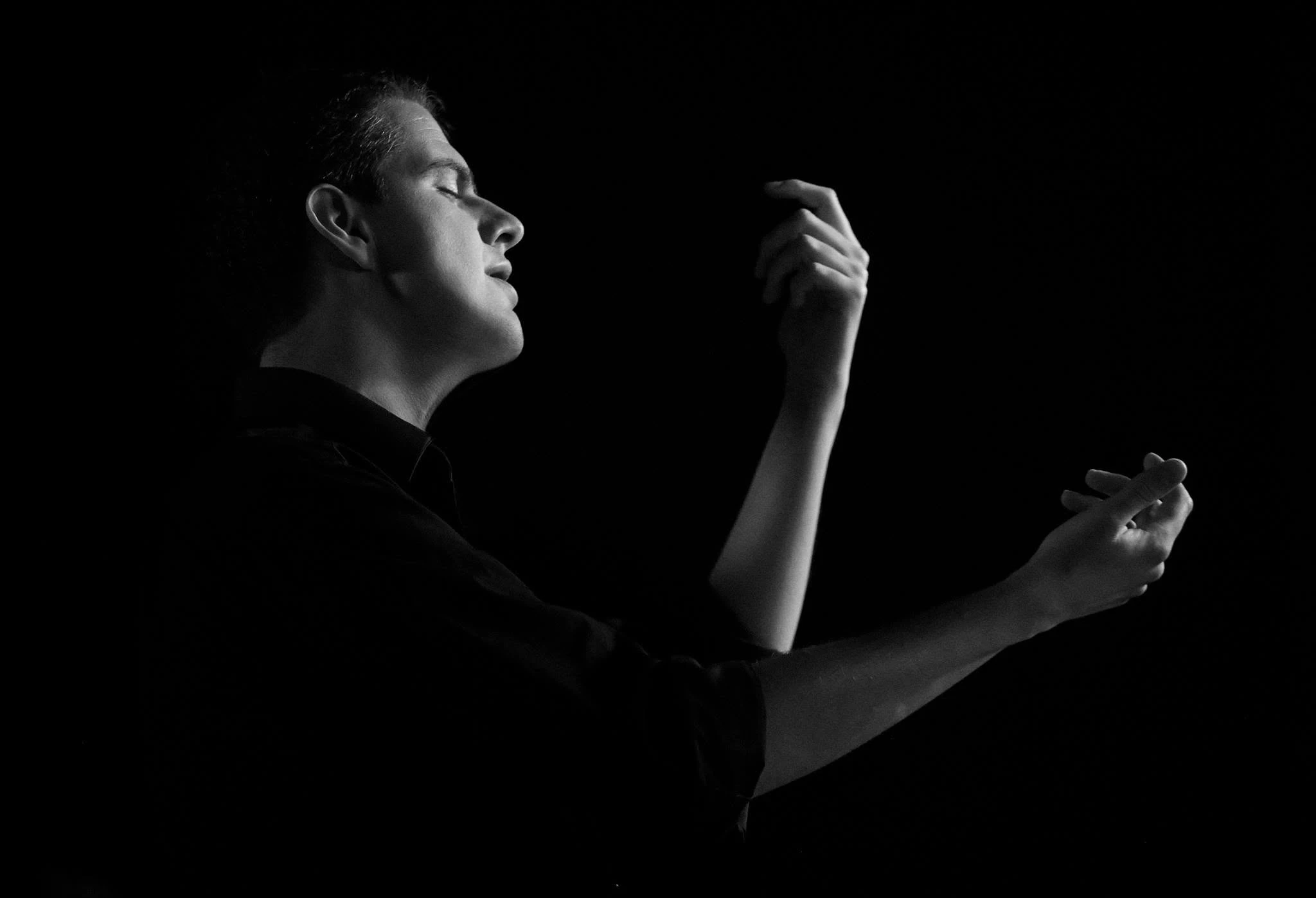
Philippe Jaroussky. Photographer Simon Fowler .
The Académie Musicale Philippe Jaroussky works with both children and young talent. For you, is that more about social justice, passing on the profession, or an emotional debt to those who once helped you?
As I said, I created the Académie because of my own story. I wanted to fight the widespread idea that you have to be born into a wealthy family to start playing classical music. That’s why I created this social project, where children can start learning violin, piano or cello for free (we hope to offer more instruments in the future). We already have 15 young, motivated teachers working with them, and I have to say I’m very proud of what we’ve built. Next season we’ll already be celebrating our 10th anniversary!
You’ve said that in Mozart there isn’t much that suits you as a singer, but when you first conducted one of his operas, you felt completely at home. What did you discover in Mozart at that moment?
As a singer, I’ve indeed been very frustrated that I haven’t sung more Mozart, because the parts he wrote for castrato voices are either too high or too low for me. Conducting Mitridate, an opera he composed at just 14, for the first time I could really take the time to literally get inside his mind, his way of thinking about music, and it was a real revelation. As a conductor, apart from the Baroque composers, he is the one I most want to conduct in the future. My dream would be Don Giovanni, maybe in five years?
For 20 years, you pictured yourself in the orchestra pit. When did you first realize you wanted to be not only a voice on stage but also the person who brings everything together?
First of all, I’ve always considered myself “a musician who sings” rather than “a singer-musician.” I’ve been inspired by many conductors, and with my ensemble Artaserse, which I founded almost 25 years ago, I had already experimented a lot with precise ideas about how to perform Baroque music. Since I started conducting, I’ve become more aware of the pressure I was under all those years singing on stage, because the voice is a capricious instrument and doesn’t always respond the way you want. As a conductor, I like that the audience can hear me thinking through the music. It’s a lot of responsibility, but I don’t produce the sound. I’m just there to help people play together. And how exciting to become a young conductor rather than an old singer! (laughs)
Do you have plans to release a new album soon? What can you tell us about it?
As a singer, I’ve been very lucky over these 25 years to record so many projects, in very different kinds of music: Baroque, French song, even Schubert! There are just a few things left that I want to record before I stop singing. I’ve just finished my next album, devoted to seicento music (Monteverdi, Cavalli, Cesti, Strozzi and others), and I have to say I’m very happy with it. Probably my best in ten years! It will be released in fall 2027. I’m now recording my first major project as a conductor, a fantastic oratorio for soloists, choir and orchestra, and I feel truly blessed to have the chance to do all of this.
Who are your five favorite composers? And which of their works move you the most?
Handel is a giant for me, and Ariodante is my favorite of his operas. Vivaldi, of course, has played a very big part in my career, and I like to say he has been my best impresario! I adore his opera L’Olimpiade and, of course, the motet Nisi Dominus, with its hypnotic “Cum dederit.” Schubert is very special to me, especially his piano pieces, and one of my favorite works is the Adagio of his String Quintet with two cellos. Everybody should listen to it to become a better human being! Shostakovich was the biggest shock of my teenage years, and maybe he speaks to me so strongly because of my Russian roots. His Tenth Symphony and First Violin Concerto still give me goosebumps. But first place goes to Ravel. I’m so moved by his tortured mind, able to write such incredibly dreamy, sweet music, so full of fantasy! It’s difficult for me to choose one piece, but I’d say Daphnis et Chloé, the two piano concertos and L’Enfant et les sortilèges.
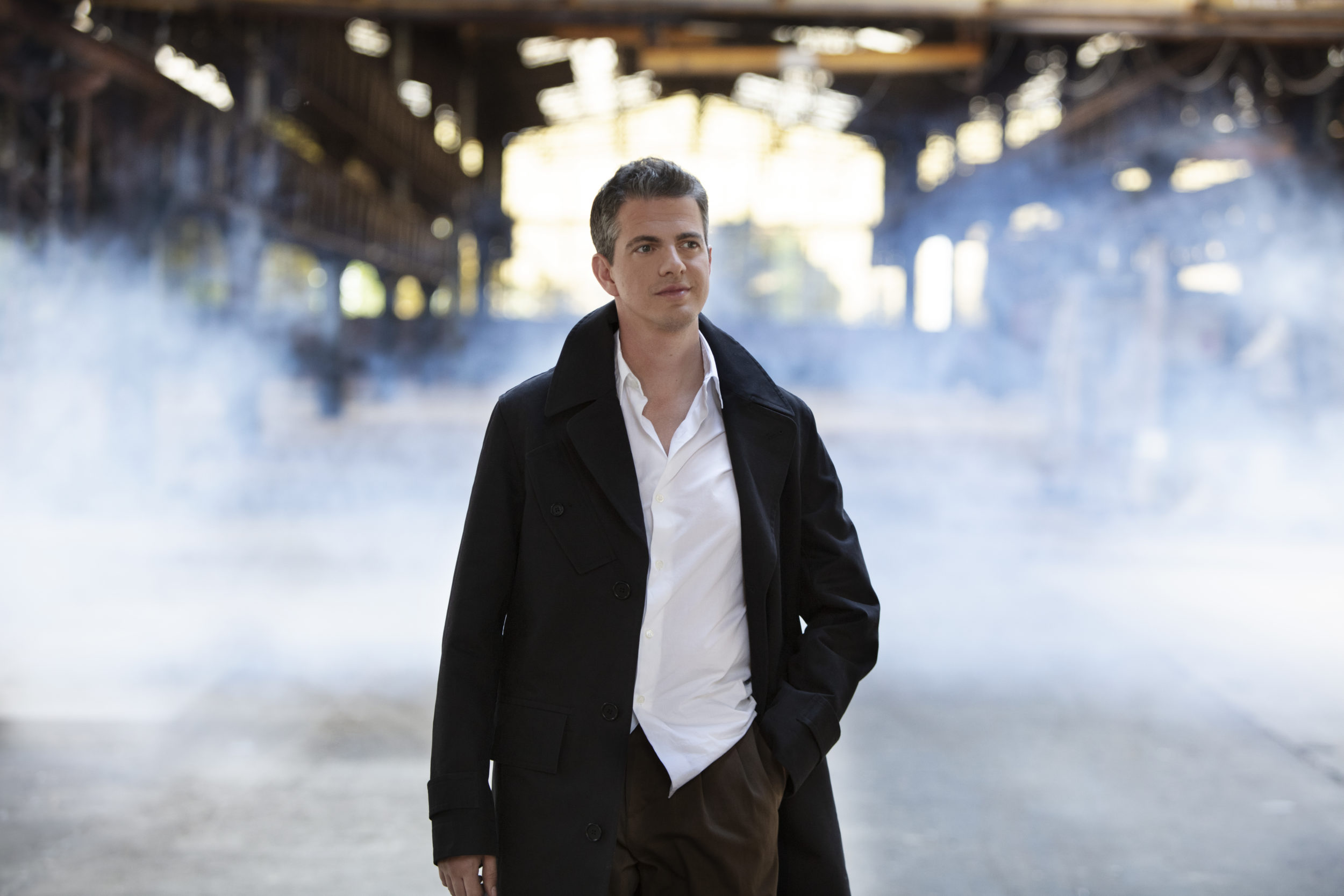
Philippe Jaroussky. Photographer Simon Fowler.
Where would you advise someone who isn’t familiar with classical music to start?
Sometimes I don’t understand when someone says, “I don’t like classical music,” because there are so many different kinds of classical music! My advice would be to really listen a lot, because some people will be drawn to the piano, others to opera, some will love Baroque music, others contemporary music. The best advice is to stay curious and open-minded, but that applies to everything, not only music!