In 1839, the city of Paris refused to admit photography into the Salon d’Exposition, which periodically exhibited the most recognised artists, at that time only painters and sculptors, selected by the committee of the Fine Arts Academy. Today the same city has become one of the greatest sites in the world for representing contemporary photography, its continuous transformation and its influence on the way we communicate.
A Panoramic View of This Edition
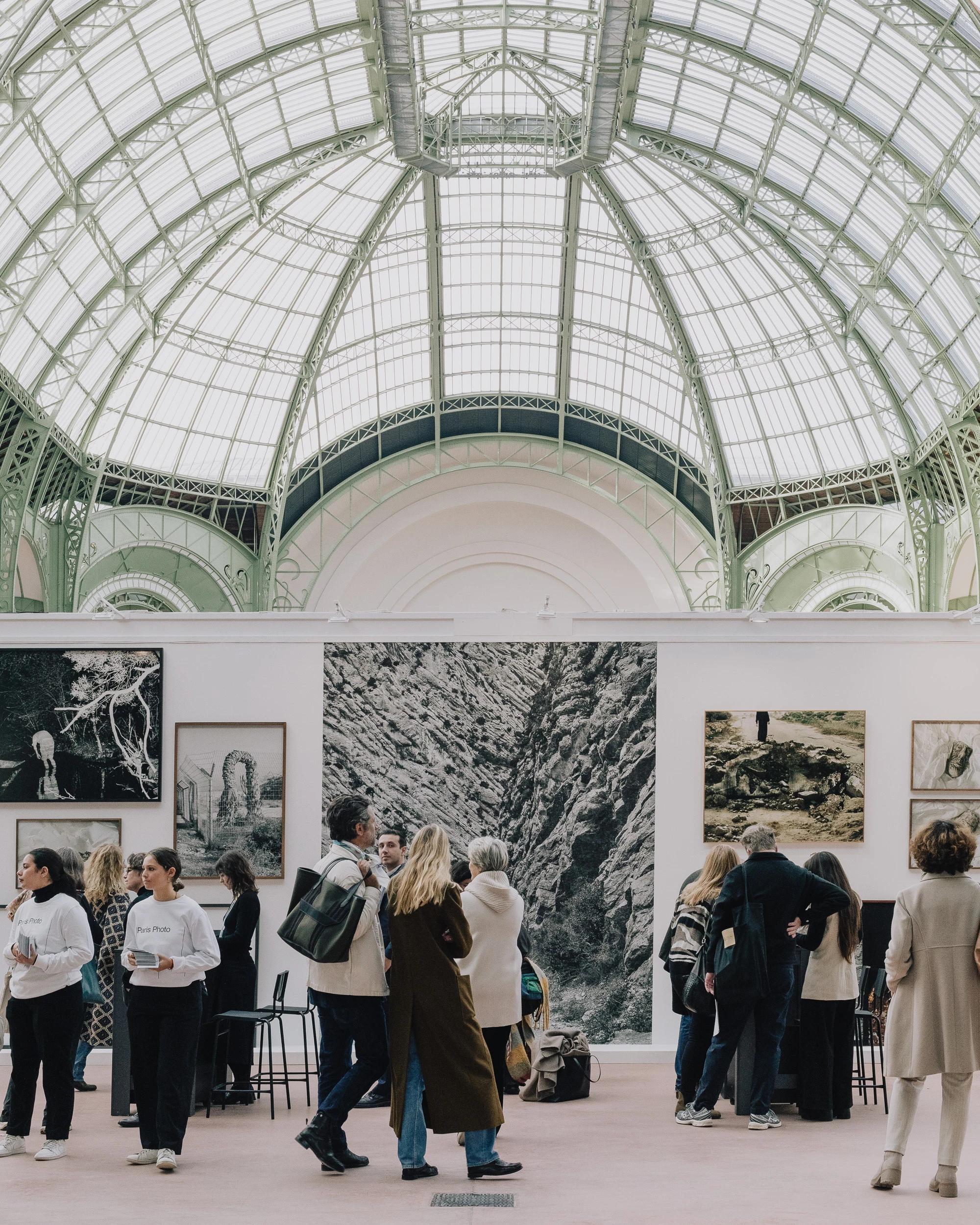
Paris Photo 2026 will be the first international event under the patronage of the Ministry of Culture to celebrate the Bicentenary of Photography. Taking place from 12 to 15 November inside the historic Grand Palais, the 29th edition of the fair coincides with the bicentenary of Nicéphore Niépce’s famous image Point de vue du Gras (View from the Window at Le Gras), made in 1826.
As usual, the fair will be divided into five main sectors, which will narrate and celebrate 200 years of the medium. The Main sector, with its special selection of Prismes, is the largest part of the fair and represents 152 galleries from around the world. Voices, entrusted to the curatorship of Zasha Colah (India) and Francesco Zanot (Italy), explores the theme of disappearance. Then come the Digital sector, curated by Marco De Mutiis (Italy), the Emergence sector and, finally, the Book sector, dedicated to a special selection of photo books and independent publishers.
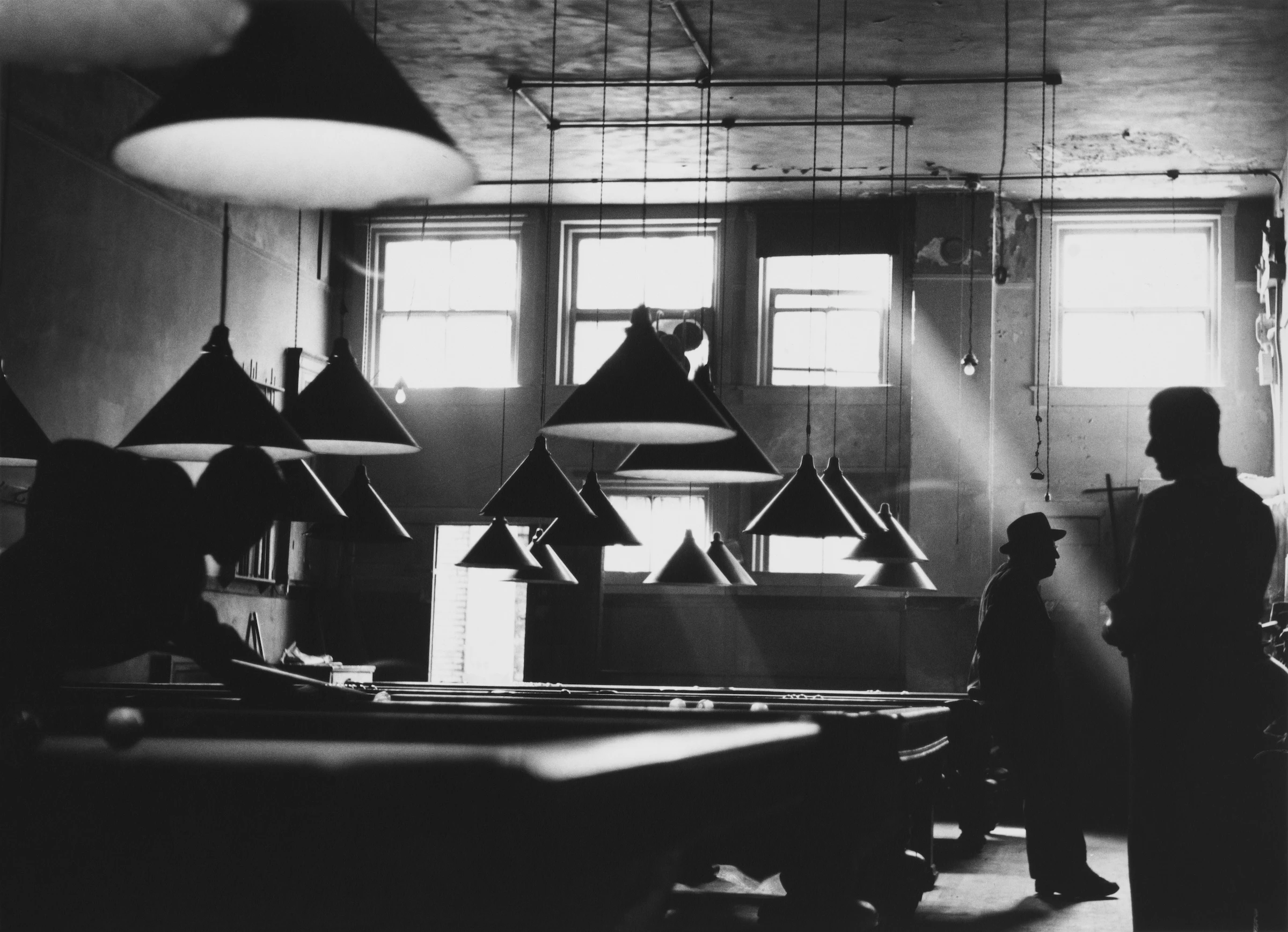
Fred Herzog, Hastings, 1956. Courtesy of Equinox Gallery, Vancouver.
Founded in 2018, Elles × Paris Photo has become an important part in the fair. Dedicated exclusively to women photographers and their role in the history and evolution of the image, this programme has increased the representation of women photographers from 20% to 38%. This edition is curated by Aldeide Delgado (Cuba), who links the origin of the image and its expanded narratives to the rhythm of the ocean, always moving, without a fixed centre.
Something new in this edition is the presence of the Centre Pompidou. Révéler will be a display drawn from its photographic archive and a tribute to the invention of photography on the occasion of the bicentenary. Around 100 works are organised in three main themes: Faire l’image (Making the Image), À l’infini (Ad Infinitum) and Identités (Identities), under the curatorship of Damarice Amao and Florian Ebner, together with Julie Jones.
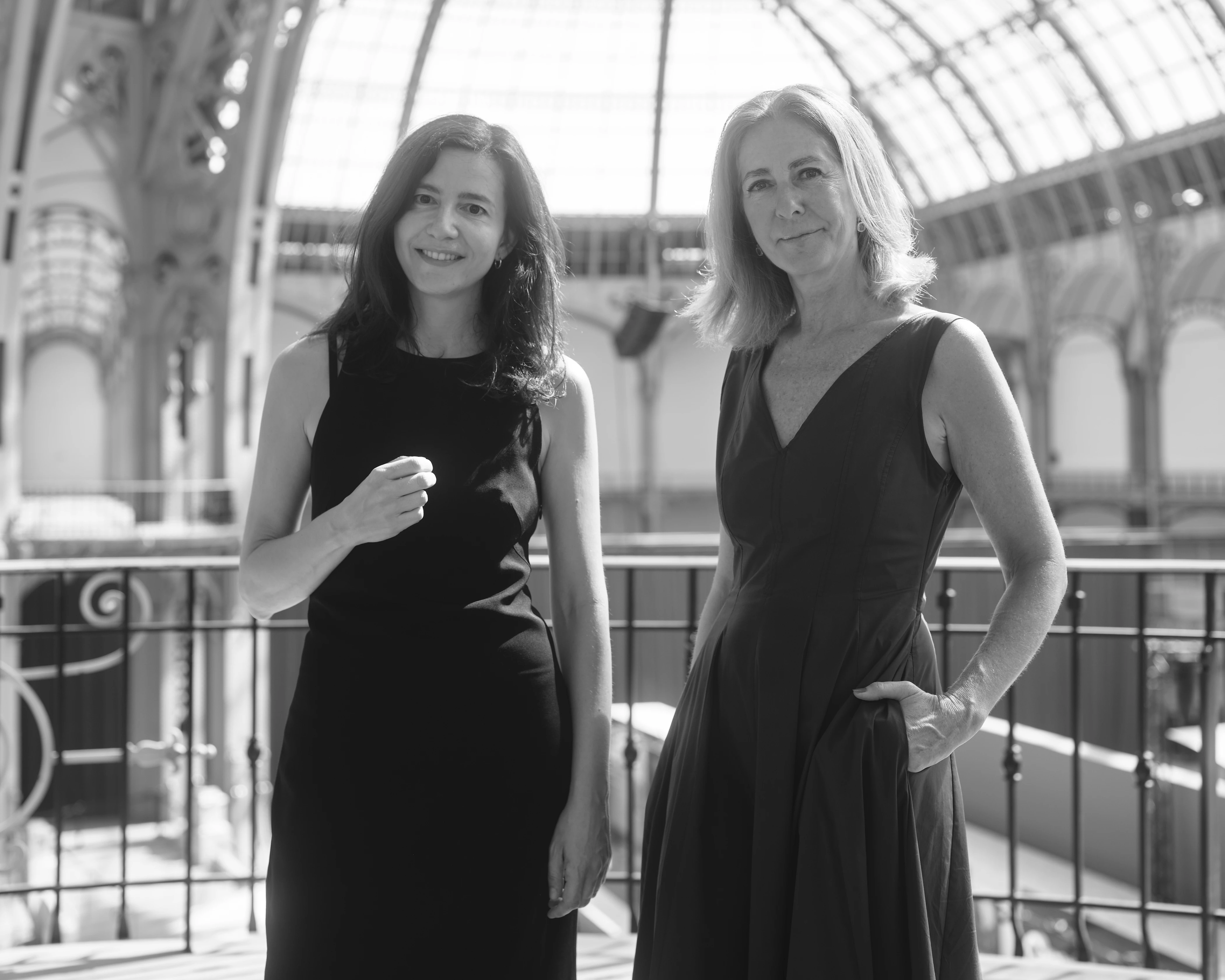
Anna Planas and Florence Bourgeois, Paris Photo 2026
Main Sector: The History and Evolution of The Medium
As Anna Planas, who leads the fair together with director Florence Bourgeois, explains, visitors entering the main hall of the Grand Palais will be welcomed by a monumental installation by Thomas Ruff, 36 metres long. It is conceived as an open book that traces the path of the bicentenary of photography and covers 40 years of his career. One of the leading figures of the Düsseldorf School, Ruff has explored the photographic medium and its many layers of meaning since the 1980s, playing thoughtfully with its ambiguity and its revolutions.
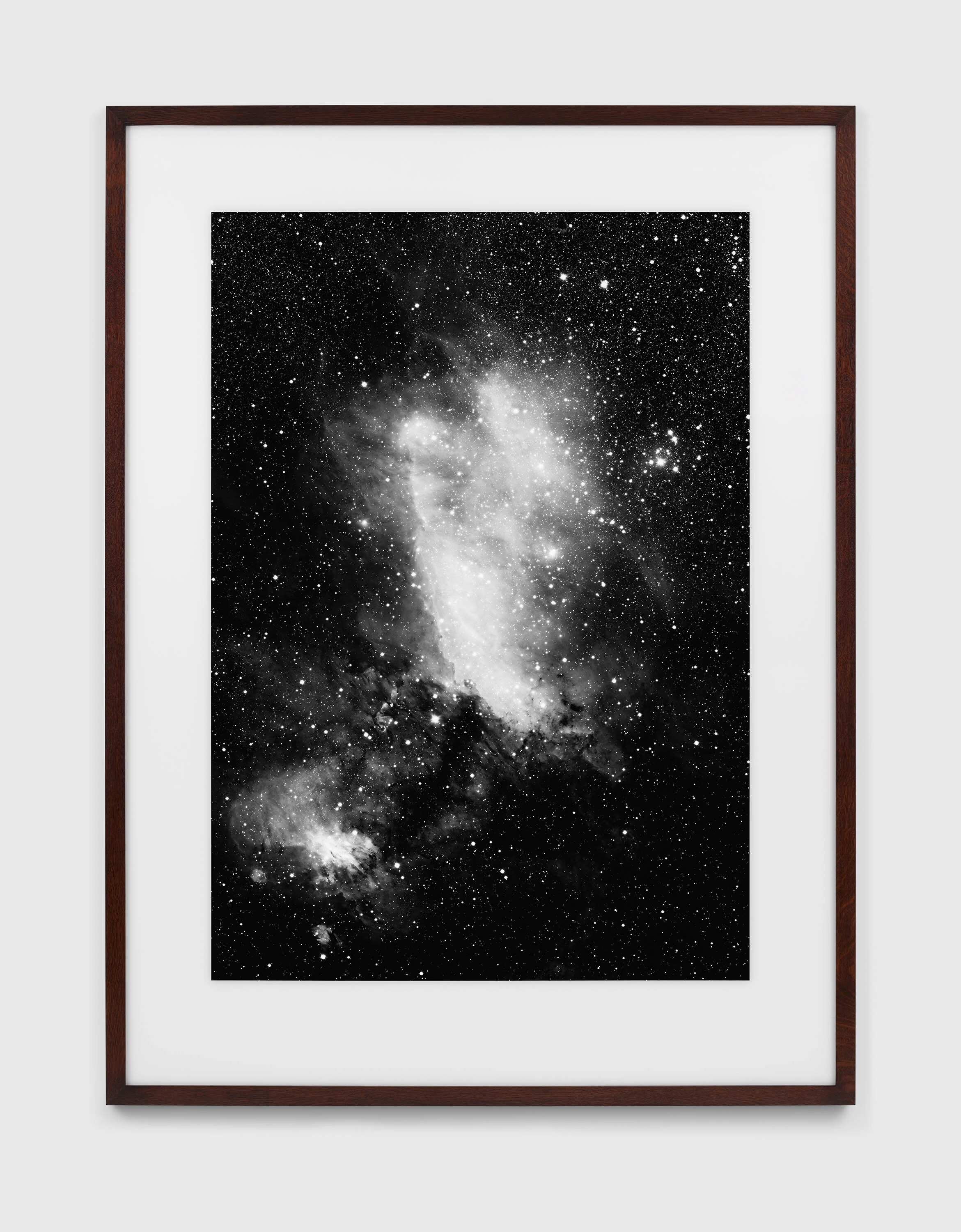
Thomas Ruff, Star 16h 56m / -40°, 2020. Courtesy David Zwirner.
Thomas Ruff will be one of the protagonists of the Main sector, where 152 galleries from 31 different countries represent 200 years of the history of images and some of the most important names who have worked with them: Fred Herzog, Mario Cresci, John Gossage, Guido Guidi, Todd Hido. Most of the galleries in the sector are dedicated to historical photography and the origins of the medium: on their walls it will be possible to admire the first images produced by Louis Daguerre, William Henry Fox Talbot, Anna Atkins and Girault de Prangey.
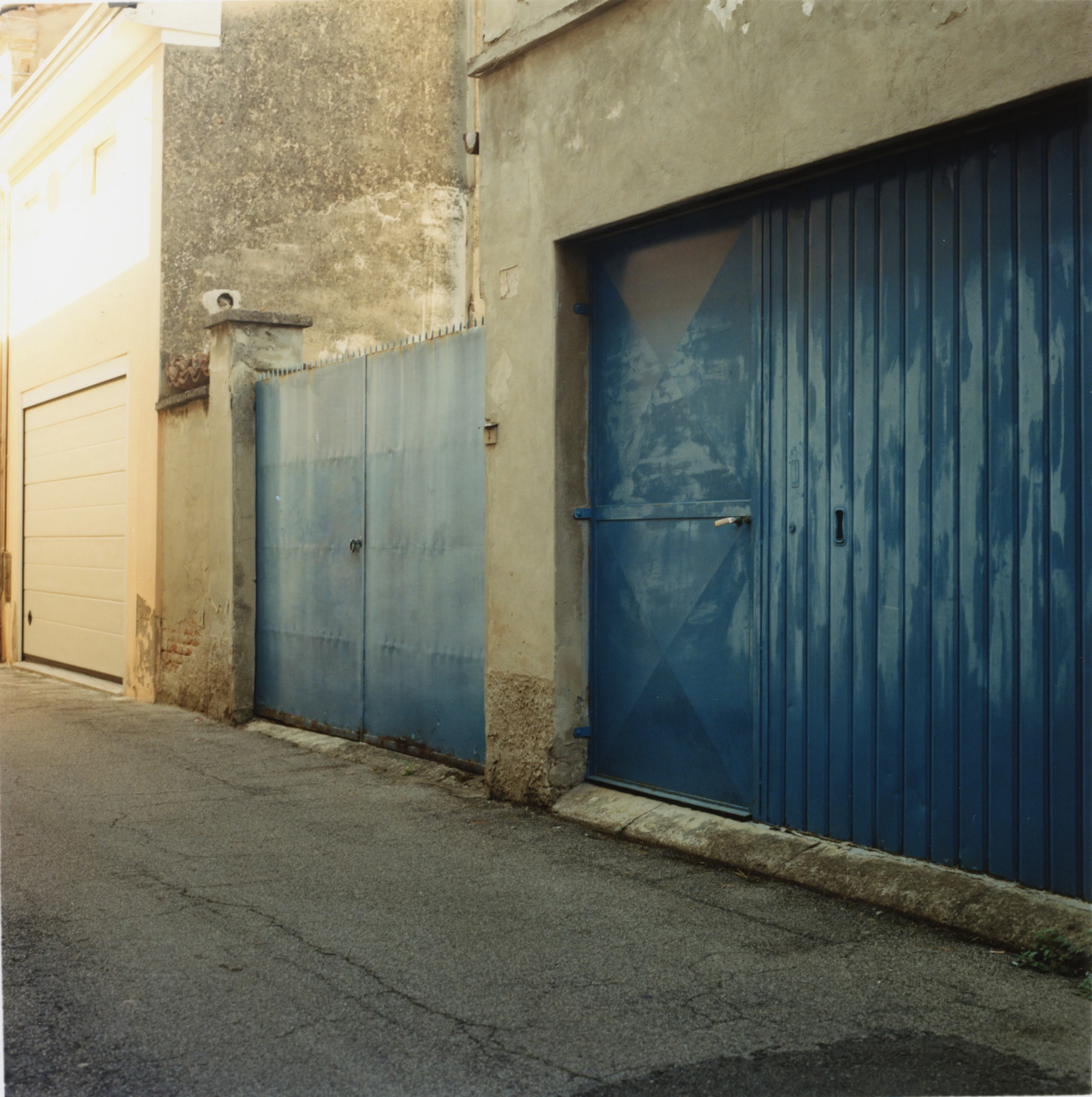
Guido Guidi, "Luzzara, 7 Ottobre 2025", 2025, Courtesy of the artist and Large Glass, London
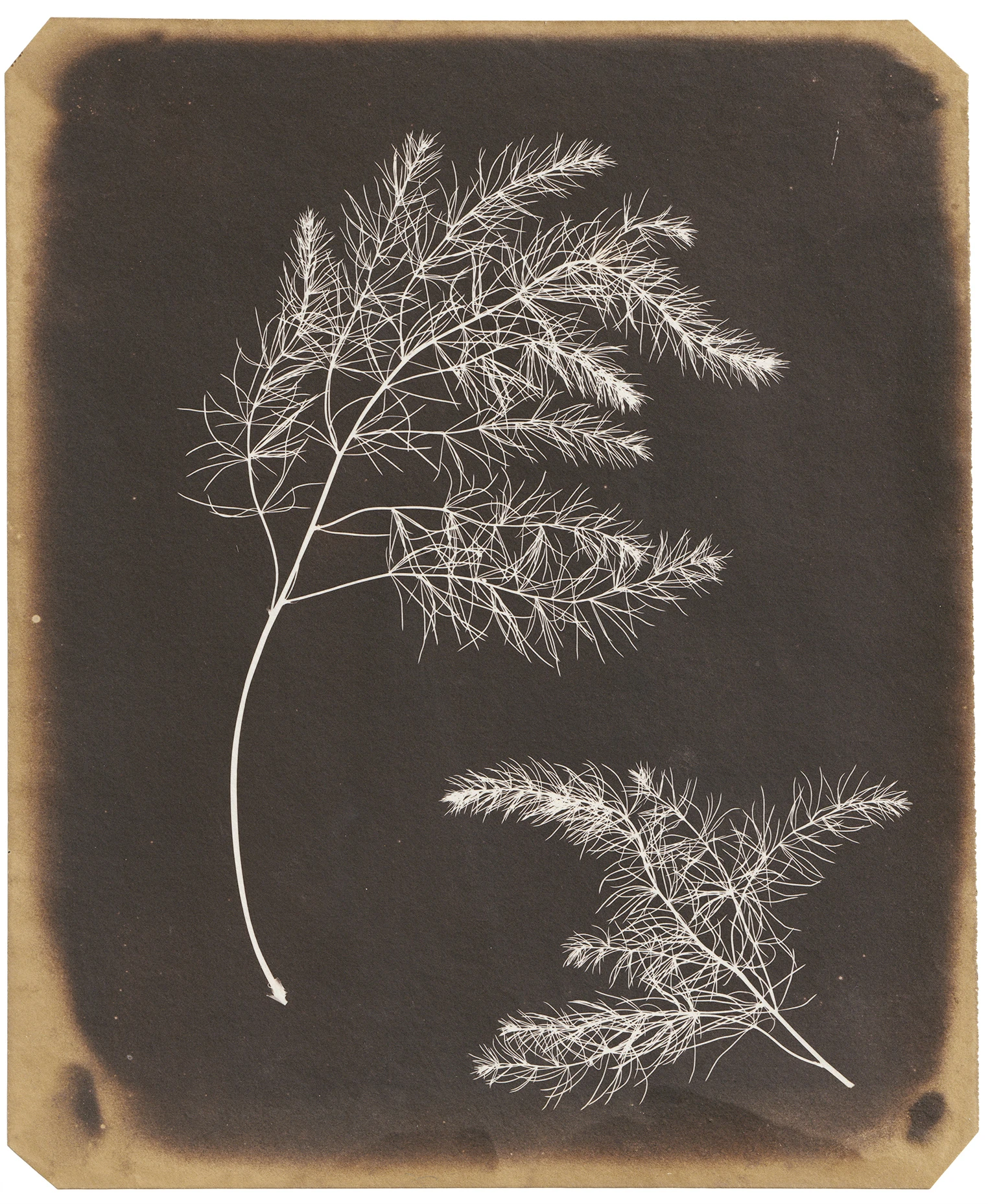
William Henry Fox Talbot, "Asparagus fern", 1840, Courtesy of Hans P. Kraus Jr., New York
Voices and Digital Sectors: How Did We Get to AI Image Generators
Photography is usually known as a way of preserving what might otherwise disappear, frozen in a suspended dimension and condition questioned in the Voices sector. Since its invention, its consecration in the field of “Art” with a capital A, its shift towards the digital world and, now, its meta dimension, the meaning of photography and the characteristics we were used to associating with it have been redistributed. Its transformation has followed technical development: the thickness of the physical support has been replaced by the virtuality of digital data, and the intentionality of the photographer’s gesture has been replaced by the randomness of AI generation.
Voices, with its theme of disappearance, explores the self-destruction of images, the recording and documentation of death, memory, and the phenomenon of fading and vanishing, just as data vanish in the digital dimension.
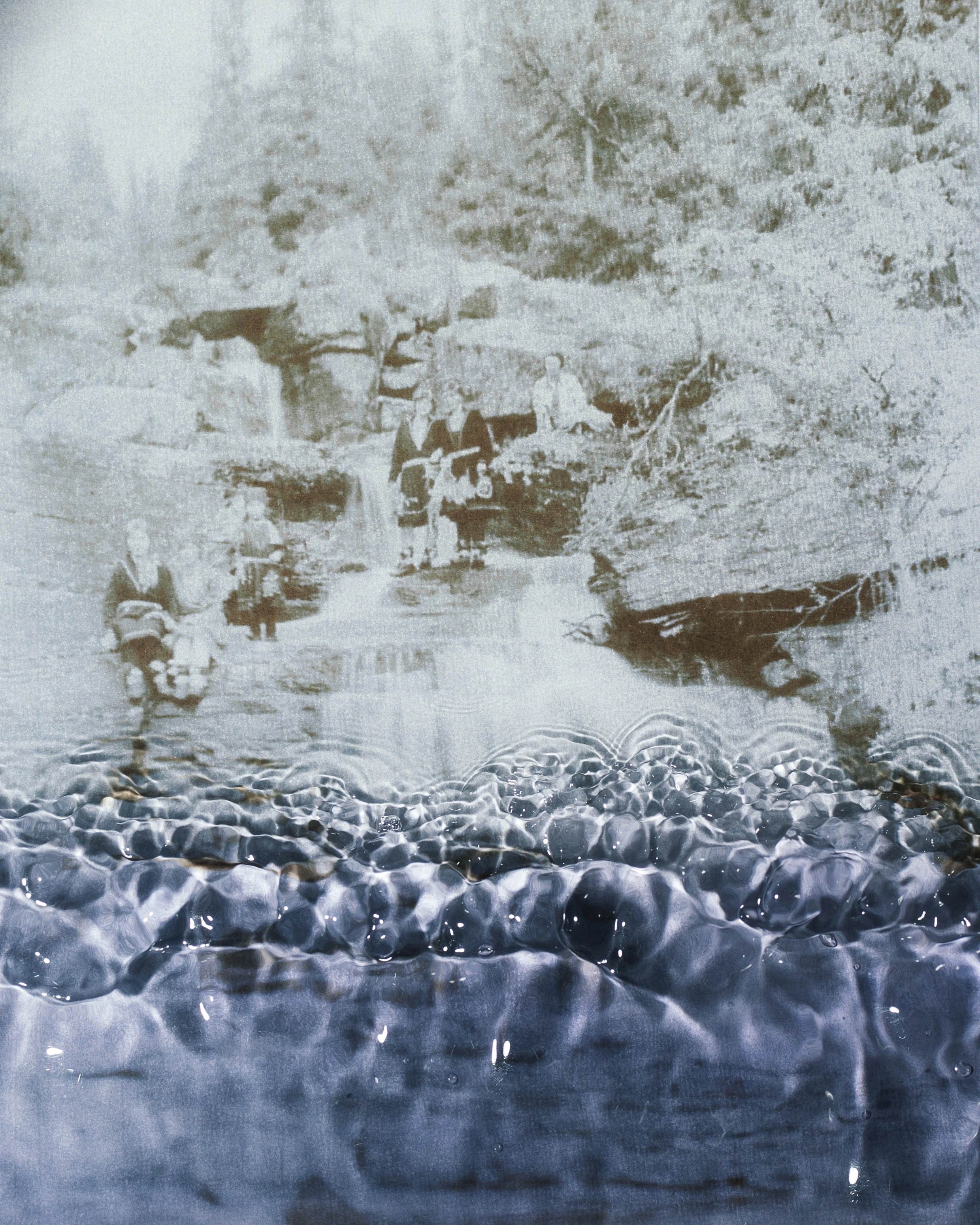
From these two sectors, a special mention goes to Sebastian Stadler (Kodoji), who uses a generative model to create images of measuring charts, colour scales and reference grids. They escape any real function, as they do not exist in this form outside the image itself. The AI images are combined and in contrast with analogue photos of natural environments. The instruments reflects the desire for control and clarity in this chaotic world.
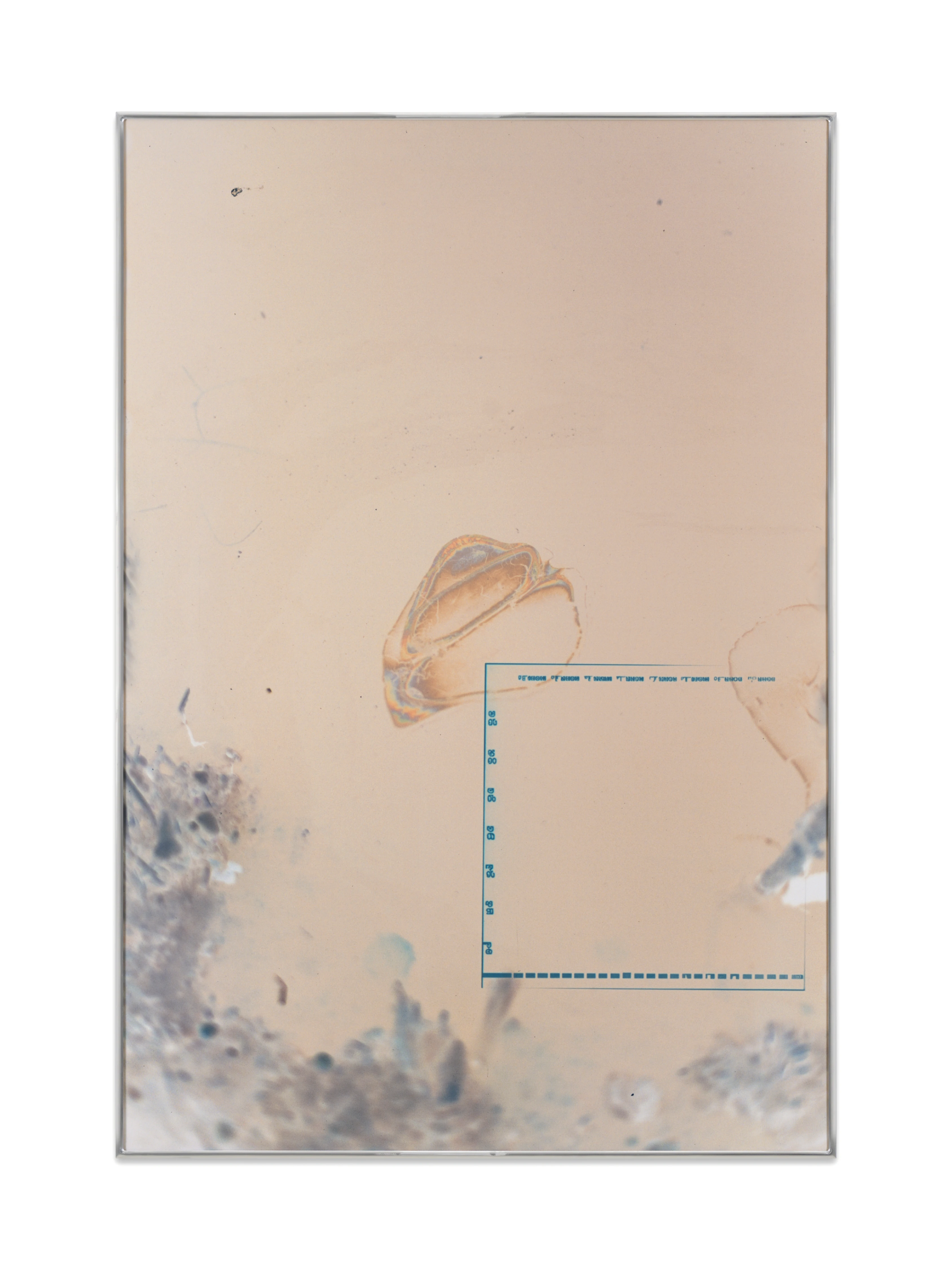
Sebastian Stadler, from 'New Archeologies', 2025. Courtesy of the artist and Kodoji Press