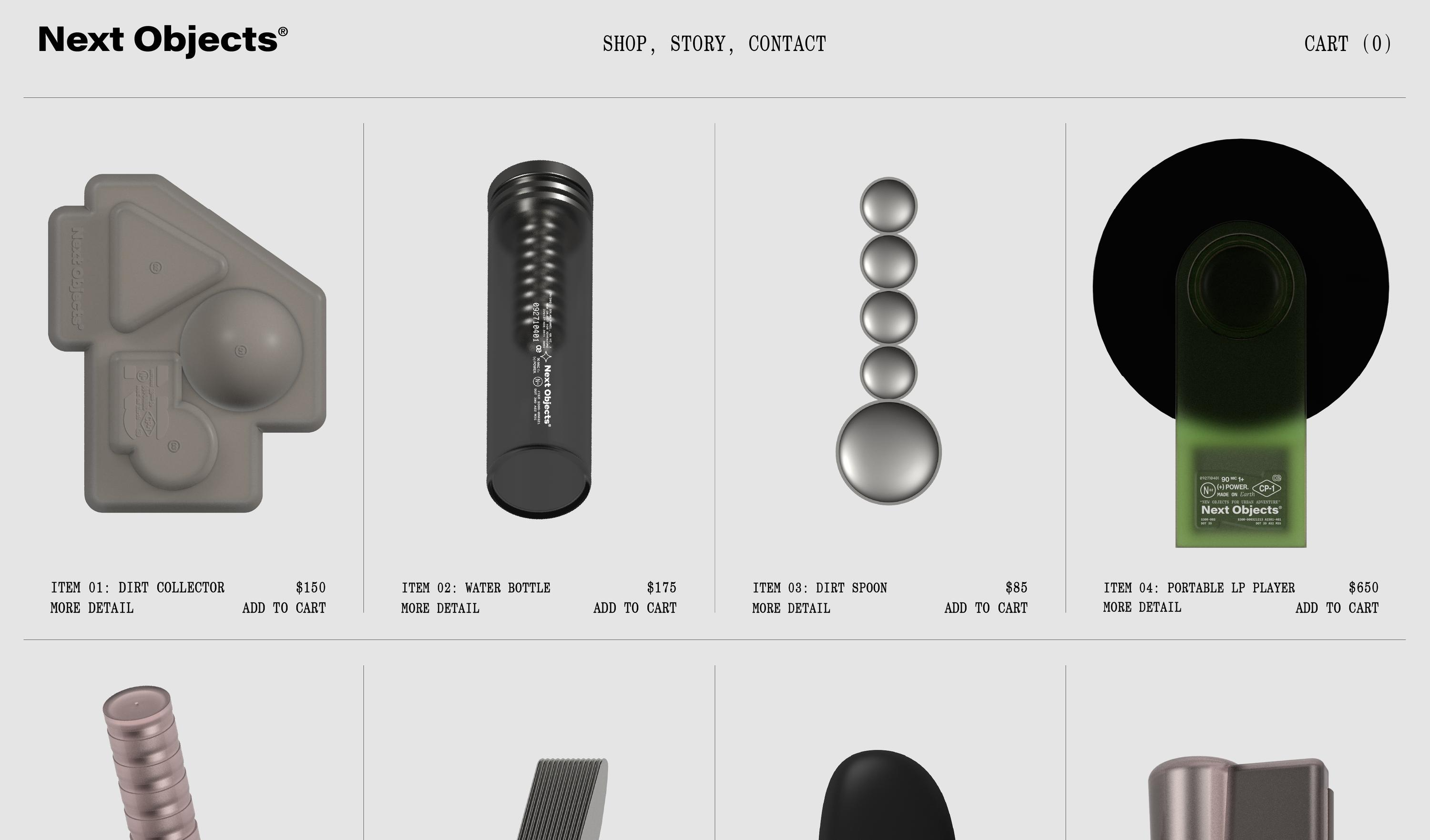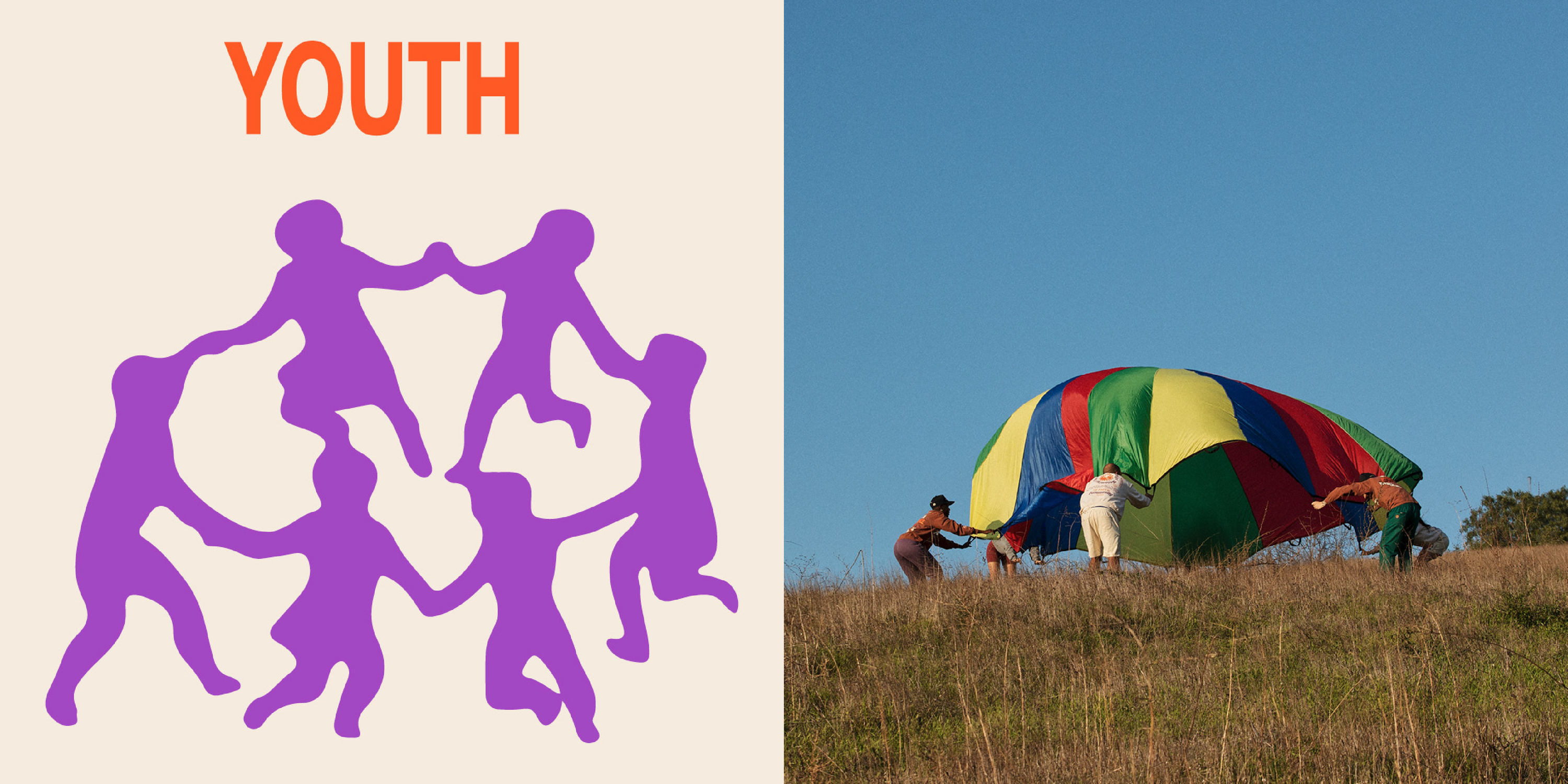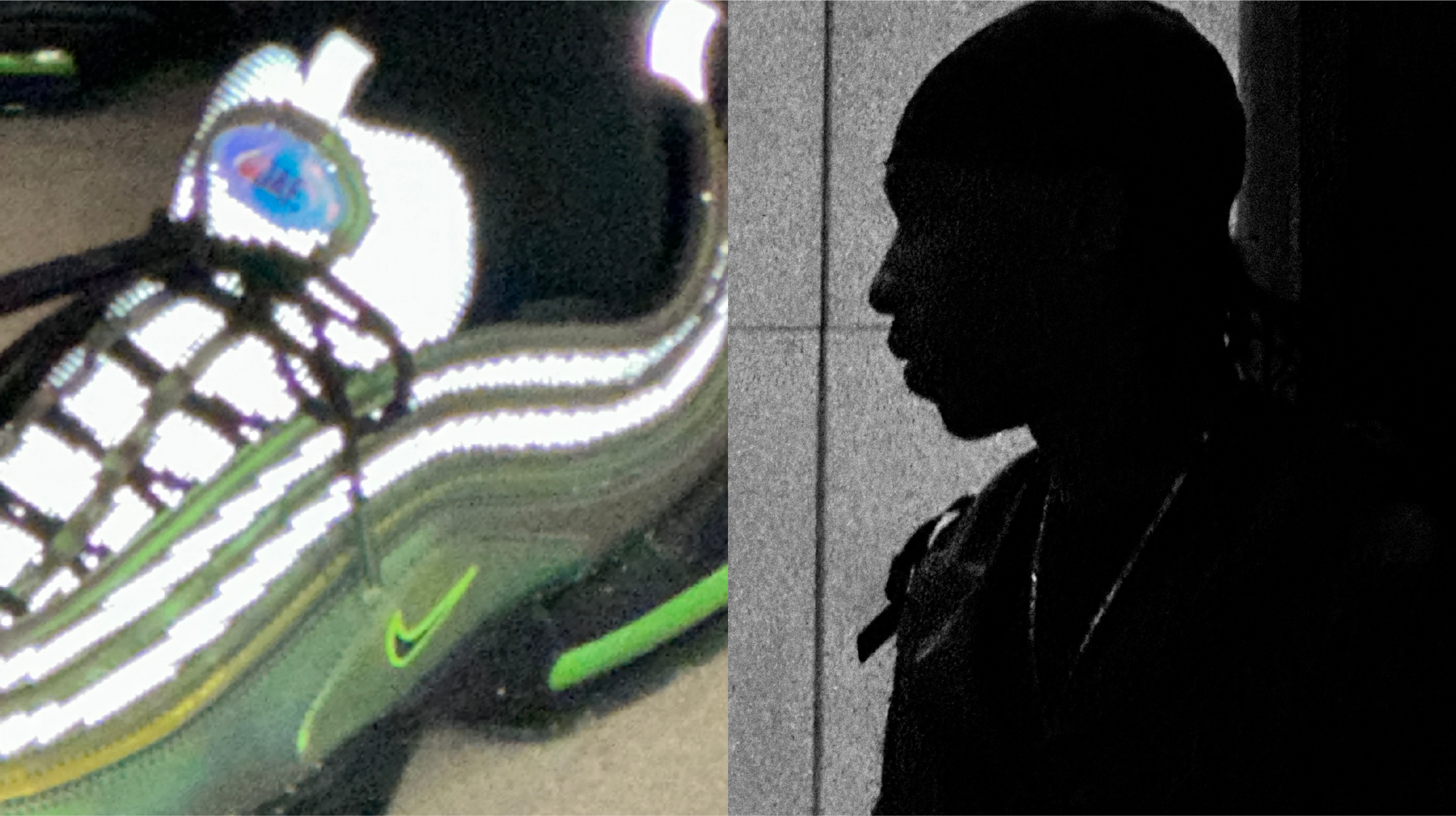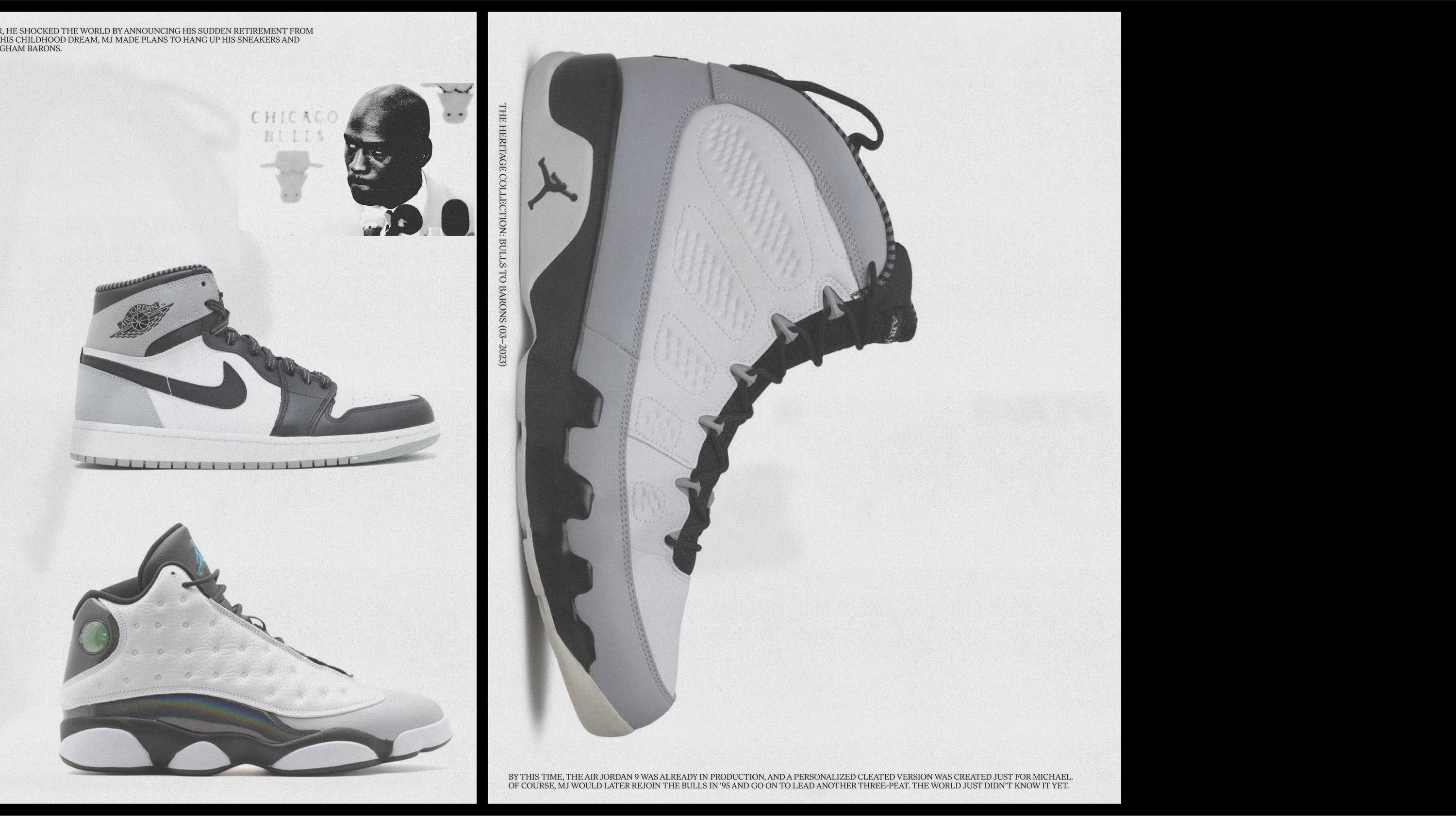
Jae Jeon is a California-based multidisciplinary artist, specializing in textural design, digital experimentation, and typography. Jeon shares more about his rigorous approach to research, the experience working with high-profile clients such as Apple and Moniker SF, and how storytelling is the most important aspect in establishing a brand narrative.
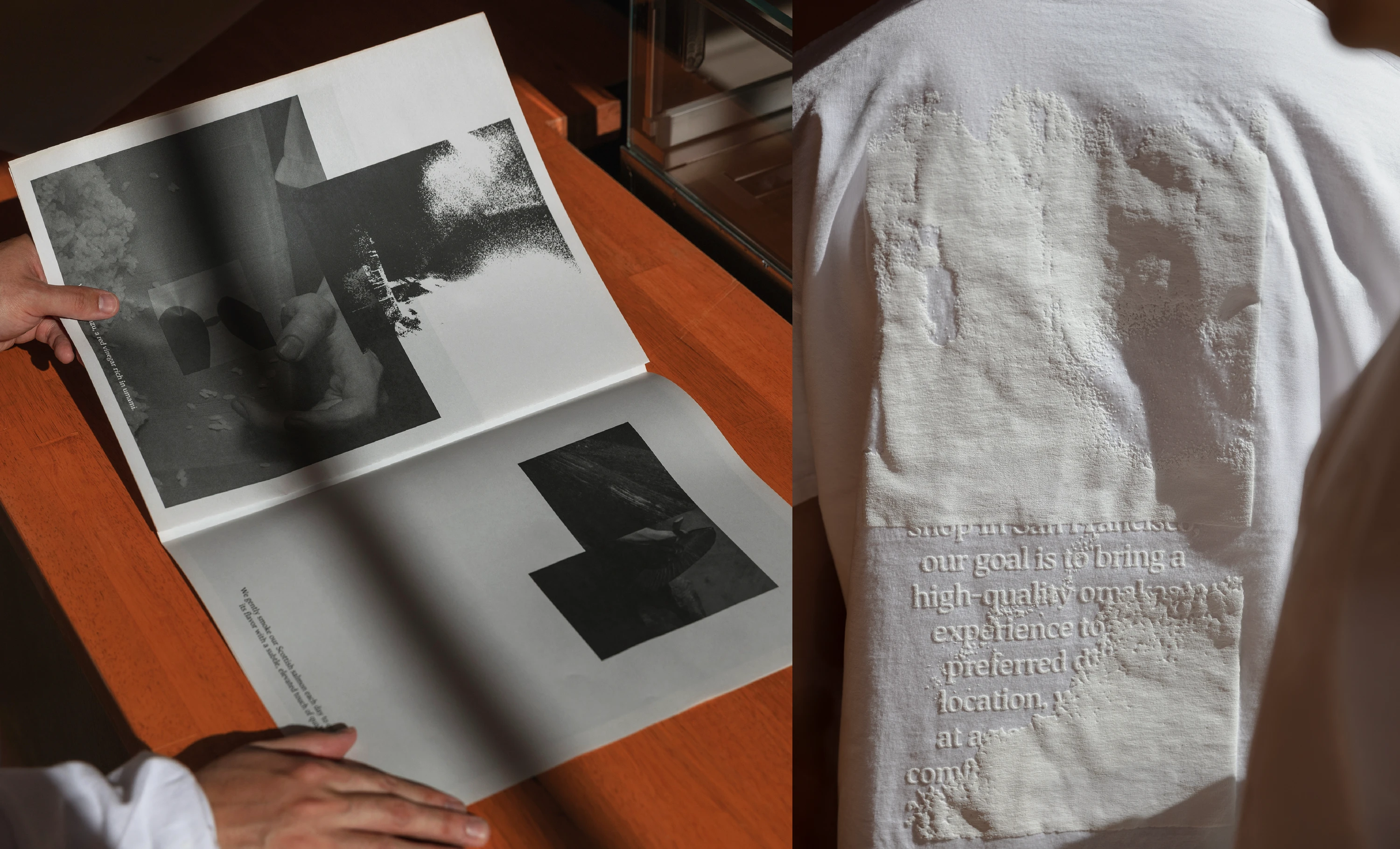
AJI KIJI. Branding, photography interior, package and web design by Jae Jeon.
Your graphic design strategy is rooted in experimentation and research. How valuable are these two factors when considering a new project? Are these the points from which the visualisation and design stem?
I see research and experimentation as two different starting points that eventually meet.
Research is about perspective. Every project is multi-dimensional, and the role of research is to identify which layer to engage with — to find the right entry point and uncover a meaningful direction.
Experimentation, on the other hand, is how that perspective becomes visual. It’s about how far you’re willing to push and expand your visual language.
I often think about filmmakers like Paul Thomas Anderson or Martin Scorsese — their work carries both depth and a sense of newness. That balance comes from a deep understanding of context, paired with a continuous exploration of form.
In that sense, the outcome doesn’t come from one or the other, but from the tension and synergy between the two.
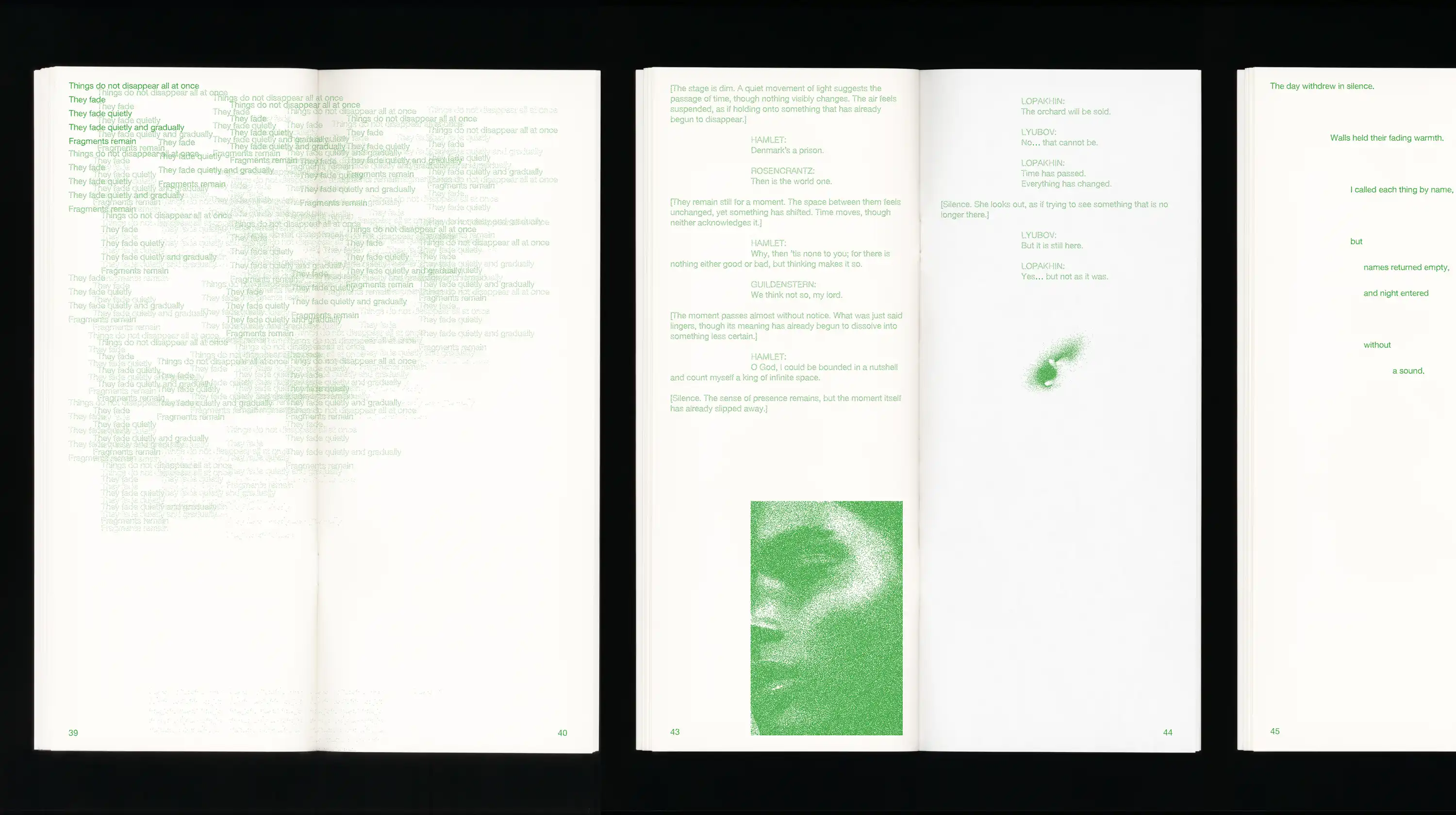
Fade Grotesk. Prompt-based type design, editorial desogn by Jae Jeon.
In 2024, you were invited to contribute to the Flight Club Invitational, showcasing the legacy of these high-calibre basketball players. What was your role in this project, and what did you gain from this experience?
I was responsible for the overall event branding and design direction, shaping both the visual system and the experience around the tournament.
Beyond creating something visually compelling, the focus was on translating the players’ mindset — their ambition, energy, and competitive intensity — into a cohesive visual and experiential language.
What I gained from the project was a deeper understanding of how design can operate beyond visuals. It can shape how people feel, their engagement with the moment, and their remembrance of it.
Design, in that context, becomes part of the performance itself.
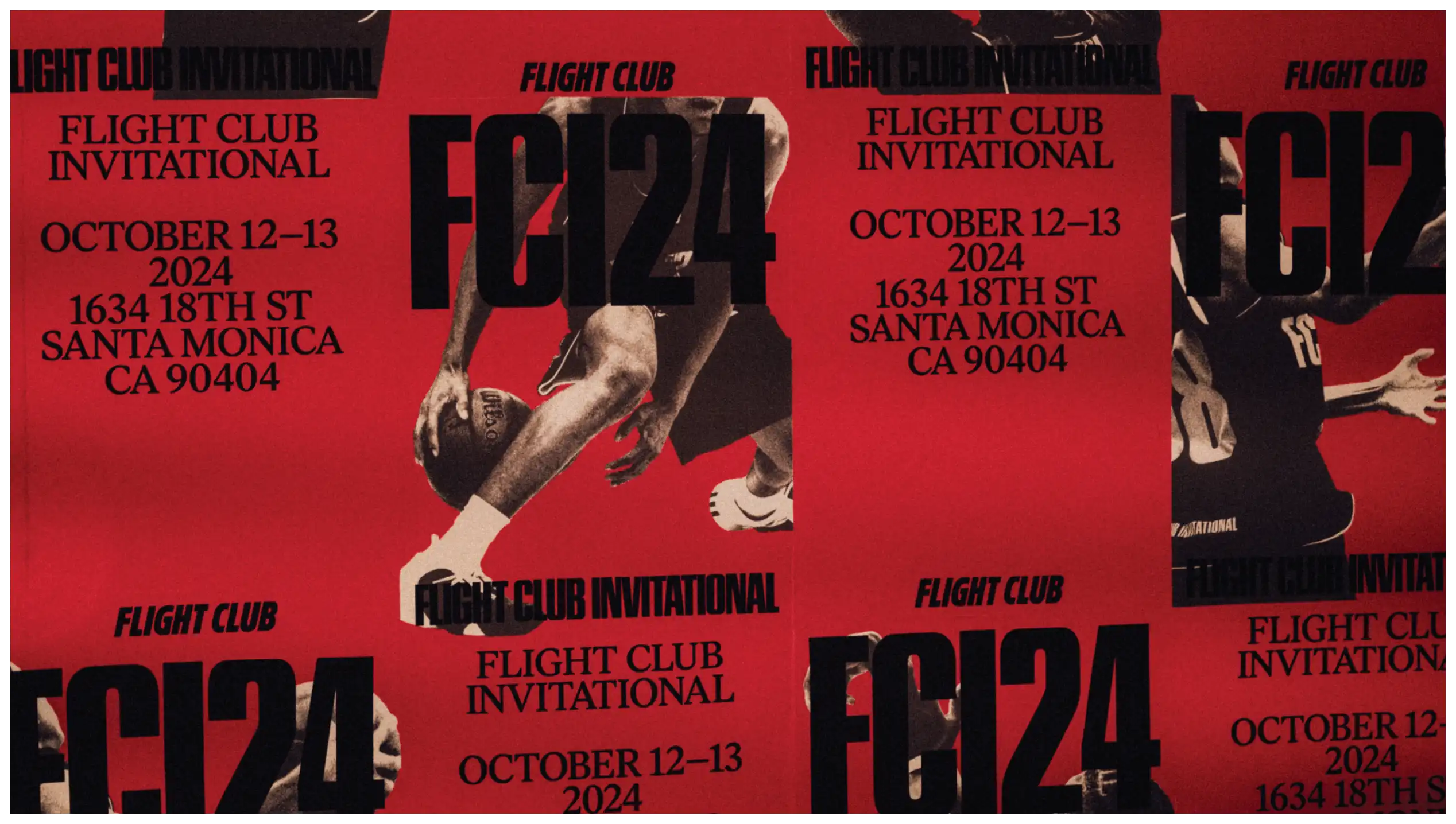
Flight Club Invitational 2024. Art direction, branding, web and spacial design by Jae Jeon.
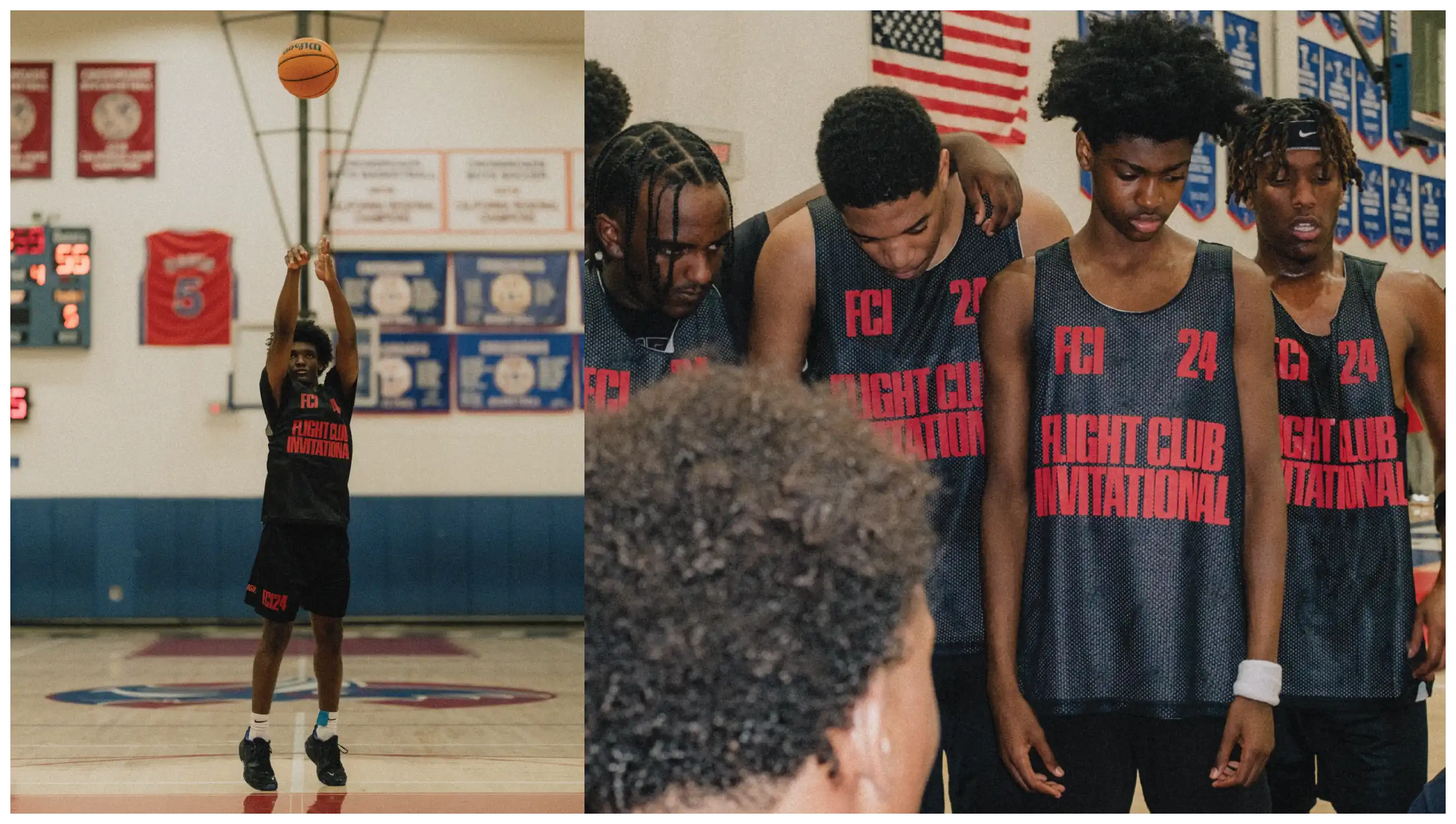
Flight Club Invitational 2024. Art direction, branding, web and spacial design by Jae Jeon.
How much creative freedom are you allowed when working with high-profile clients such as Apple, Landscape, and Moniker SF?
I think creative freedom depends on how you define it.
Coming from both cultural projects and more structured environments, I’ve experienced different levels of flexibility. In larger organisations or with high-profile clients, there are naturally more constraints.
But in my experience, creative freedom is less about complete openness and more about trust.