Craig Follett, co-founder and CEO of Peggy, shares the vision behind this innovative art marketplace designed to create a new, inclusive economy where everyone, from first-time collectors to established artists, can participate safely and confidently. Conceived by Follett and Adam Meghji in 2020 and launched as a mobile app in 2023, Peggy directly addresses two fundamental questions that were once surprisingly difficult to answer: where to buy art today and what art is right to collect.
Through patented authentication and innovative Digital Fingerprint technology, Peggy ensures verifiable provenance and automatic artist royalties on every resale, transforming the traditionally closed, intimidating art market into an accessible, liquid ecosystem.
Peggy becomes a trusted tool where artists and institutions can thrive together within a transparent, portable market, everything can be easily made through our phone. It fosters close relationships by directly presenting creators, their stories, and the meanings behind their work, while making buyers feel that purchasing art is just the beginning of a journey - always adaptable over time - not the end of their financial commitment.
In this interview for WeDirectory, Craig Follett reveals the platform's origin story, its deliberate focus on physical art (starting with painting), and the role Peggy plays in empowering younger generations to enter collecting while giving artists long-term control over their work's value.
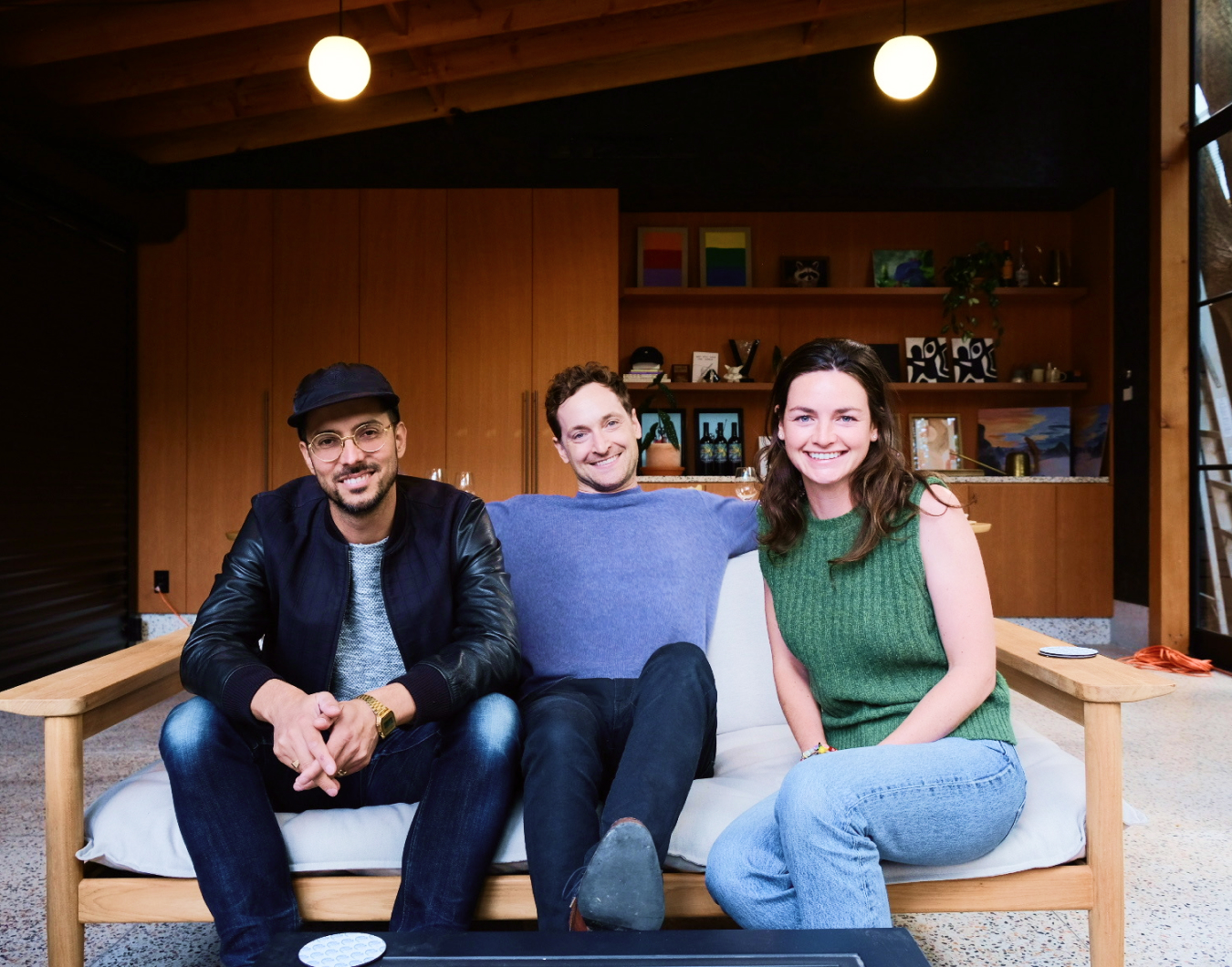
Peggy Team: Adam Meghji, Bronwyn Hunter, Craig Follett. Image Courtesy Peggy.
What was the origin story behind Peggy? What was the moment or insight that inspired you to build it?
After I sold my first company, Universe, to Ticketmaster, I bought my first house and immediately wanted to fill the walls with original art. Sounds simple enough. But the question of where to buy and what to collect turned out to be surprisingly difficult to answer, even for someone who'd spent years in tech and live entertainment.
I started visiting art fairs, talking to gallerists, and pretty quickly noticed two structural problems in the market. First, high-net-worth collectors had access to a liquid secondary market through auction houses. They could buy a blue-chip piece and resell it whenever they wanted. Everyday collectors had no equivalent. You bought a painting and you were essentially stuck with it. Second, we kept seeing artists whose work was appreciating dramatically on the secondary market. A piece sold for $10,000, then flipped at auction for hundreds of thousands, and the artist saw none of that upside.
The insight that connected these two problems was authentication. Imagine a world where you could reliably verify a physical artwork using just your smartphone, where AI reads the unique surface characteristics of a painting and creates an unbreakable chain of custody. That would give everyday collectors the same flexibility that ultra-high-net-worth buyers have always had: the ability to buy with confidence and resell when life changes. If you look at adjacent markets, that dynamic already exists. Sneakers have StockX and GOAT. Watches have Chrono24. Fashion has The RealReal and Depop. These are all categories where authentication (albeit without Peggy's patented AI authentication) unlocked a healthy, liquid secondary market that benefits both buyers and creators. We saw no reason emerging and mid-career art shouldn't work the same way. And because we control that chain of custody end to end (with patented intellectual property), we can also ensure artists participate in the upside when their work appreciates. That's the core of what we built.
Image Courtesy Peggy
Where does the name Peggy come from? Was Peggy Guggenheim a direct inspiration - and if so, what about her legacy resonated with your vision?
When we were building the brand, we wanted a name that felt warm and approachable. Like a trusted friend who takes your hand and helps you navigate the art market without judgment. Traditional art spaces can feel intimidating: stark white walls, hushed galleries, "inquire for price" on everything. We didn't want a cold tech moniker. We wanted something human.
The name also ties neatly into the product itself. Users curate their favourite works on "Pegboards," and they can listen to artist interviews through our built-in "Pegcasts." There's a natural linguistic thread running through the whole experience.
And on a personal note, my beloved aunt's nickname growing up was Peggy, so it carries some family resonance too.
Peggy is said to be the only platform that builds artist royalties into resales. Can you tell us more about how that works in practice? How frequently do collectors actually resell through Peggy, and is there genuine demand for it? What tend to be the most common reasons people decide to resell art?
It all starts with our patented Digital Fingerprint technology. When an artwork is listed, the artist uses their smartphone camera to scan the physical piece. Our AI captures the microscopic surface details (the depth of brushstrokes, the texture of the canvas) and creates what is essentially an unbreakable digital chain of custody. When a collector later resells that piece on our secondary market, the new buyer scans it on arrival to confirm it's the exact same work. Because we have end-to-end visibility across that transaction, our system automatically routes a 10% royalty: 5% to the original artist and 5% to the original gallery.
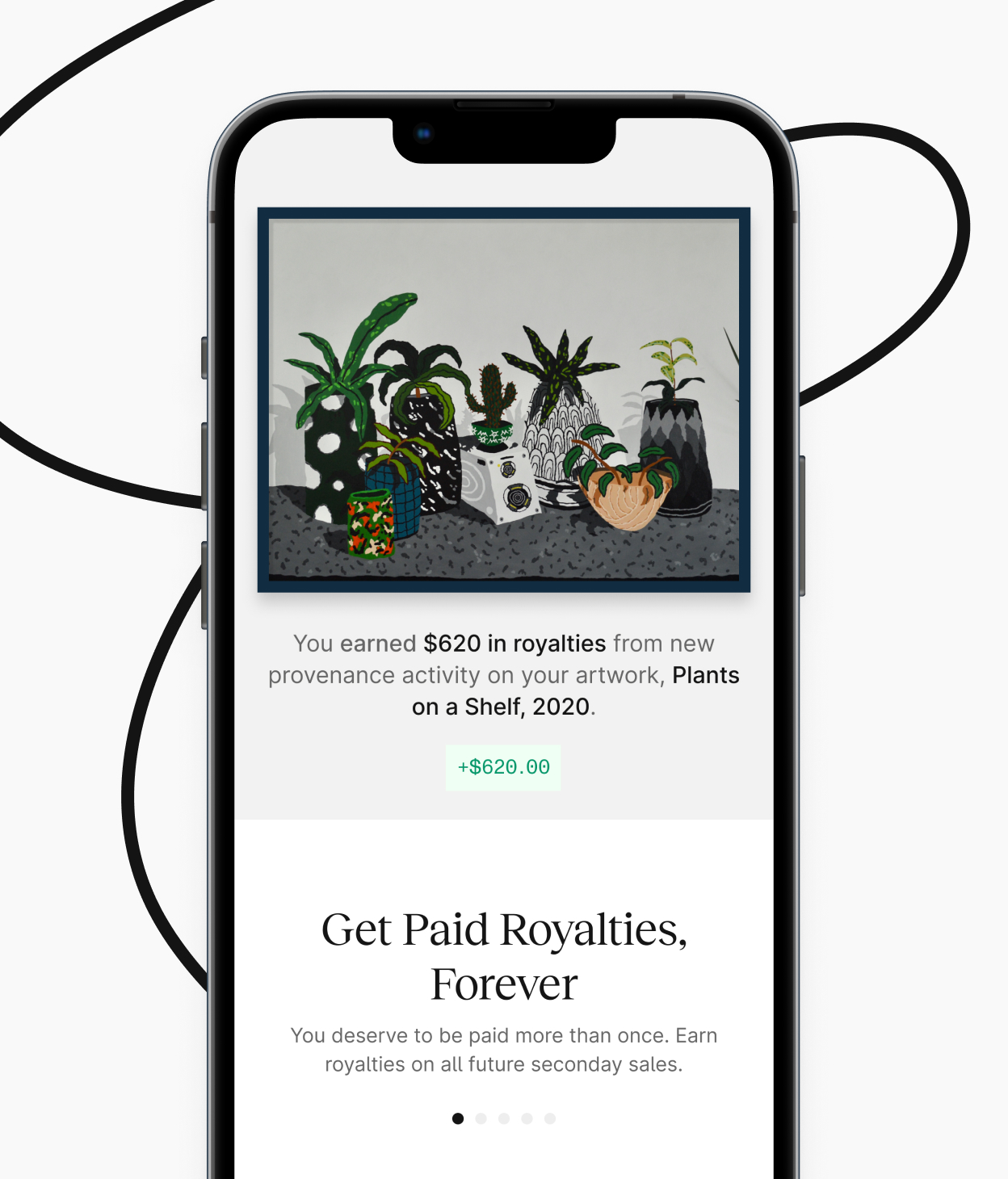
Image Courtesy Peggy
People resell art for practical, everyday reasons: they move to a smaller apartment, their taste evolves, they run out of wall space, or they want to free up capital to support a different emerging artist. These are perfectly normal life events. And what we've found is that knowing this option exists actually makes people more willing to collect in the first place. The ability to resell removes the financial anxiety of that initial purchase. You're not locked in forever. That liquidity changes the entire psychology of buying art.