GLOST Glaze is a London-based studio and artisanal brand, founded by ceramicist Elena Gileva. In this interview, Elena provides insight into the ‘glost firing’ process, which functions as the bedrock of the studio, the importance of opening up the conversation around scientific materiality and artistry, alongside the prioritisation of raw materials in exhibitions such as GROUNDWORKS.
.webp)
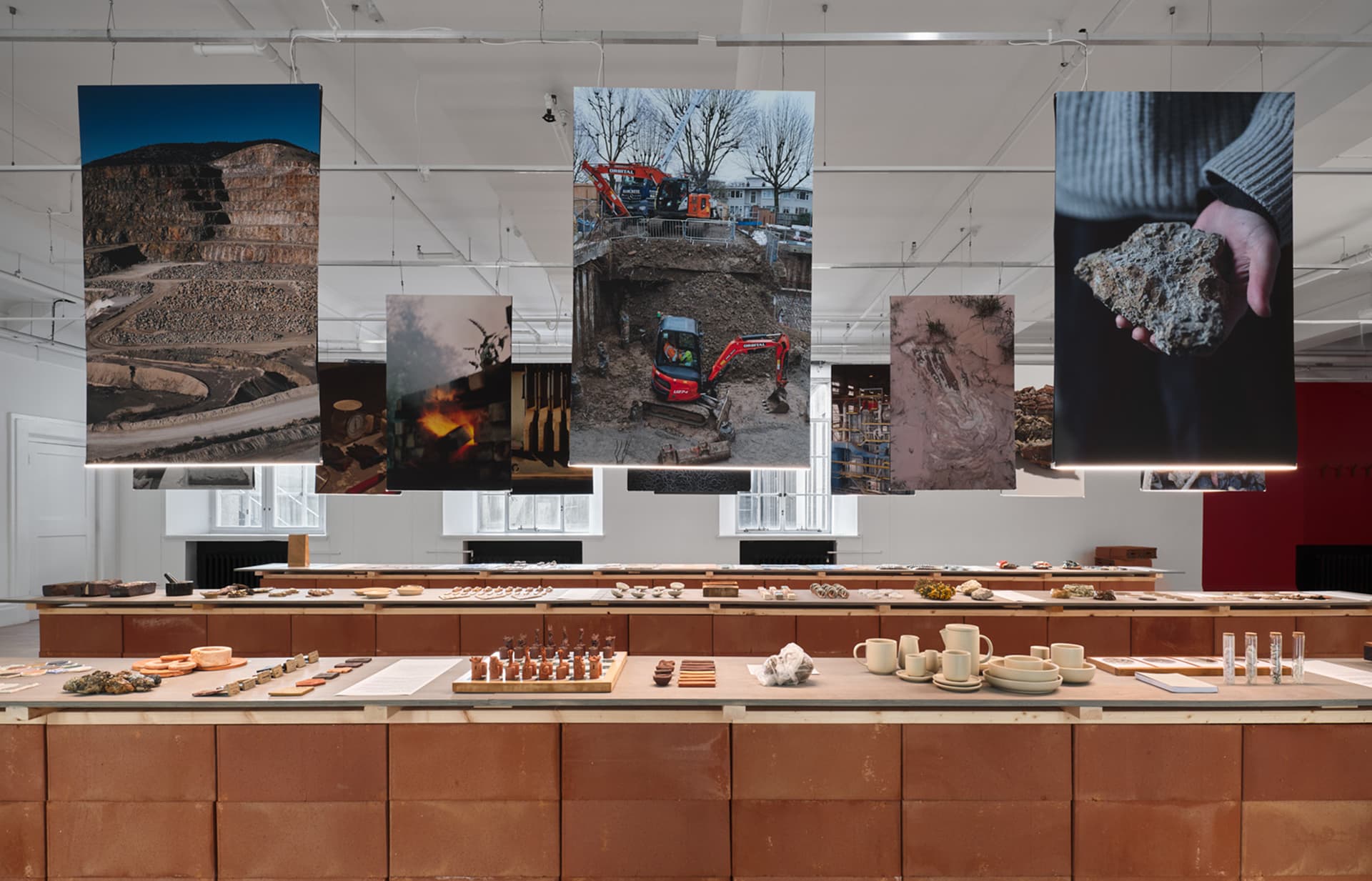
GROUNDWORKS Installation view. © GLOST Glaze
The name ‘GLOST’ stems from the process of ‘glost firing’ during ceramic production; a process often conducive to intricate and personal results. Is this ethos of creating the otherworldly through craft something that fuels your work with GLOST?
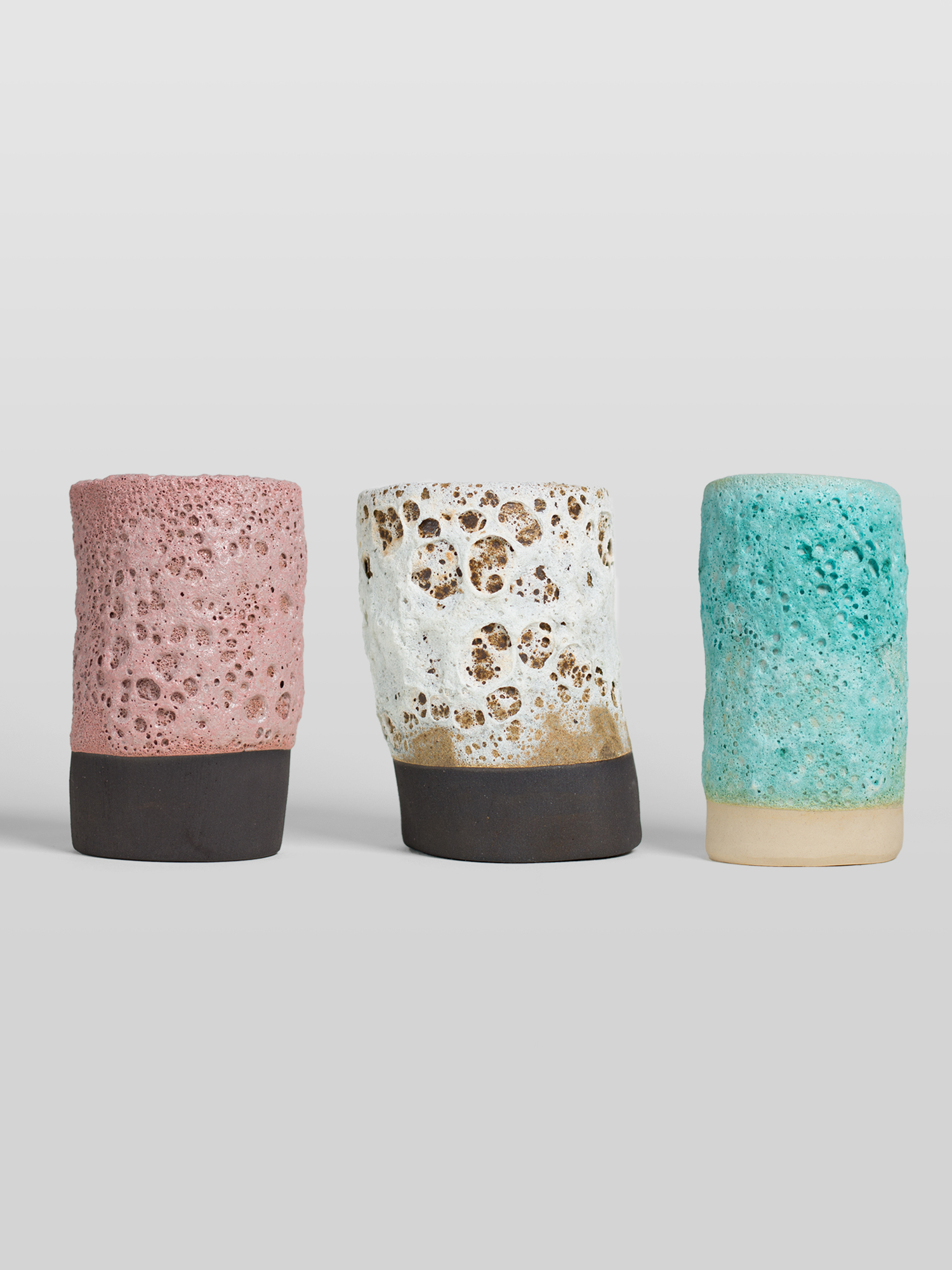
Yes. The name refers to the glost firing, the stage in ceramic production in which a bisque-fired object is fired again with glaze applied. During this firing, the glaze matures and develops into a vitrified surface through a series of thermal and chemical transformations.
What continually interests me about this stage is the relationship between precise formulation and kiln-driven change. A glaze may be weighed and mixed accurately, but its final appearance depends on how that composition behaves during firing. Peak temperature, firing cycle duration, the cooling curve, and the interaction between glaze and clay body all influence the final surface.
This balance between controlled material formulation and transformation in the kiln sits at the centre of GLOST. The work begins with research into ceramic materials and glaze chemistry, but the kiln remains an essential part of the process, completing the transformation of the surface.
© GLOST Glaze
Your studio is rooted in opening up the conversation between scientific materiality and artistic creativity. Why has this been an important factor behind GLOST?
This approach developed quite naturally from my own trajectory as a maker. Before founding GLOST, I worked primarily as a sculptor and ceramic artist. My practice involved building forms in clay where the structure, surface and firing relationship has become increasingly significant.
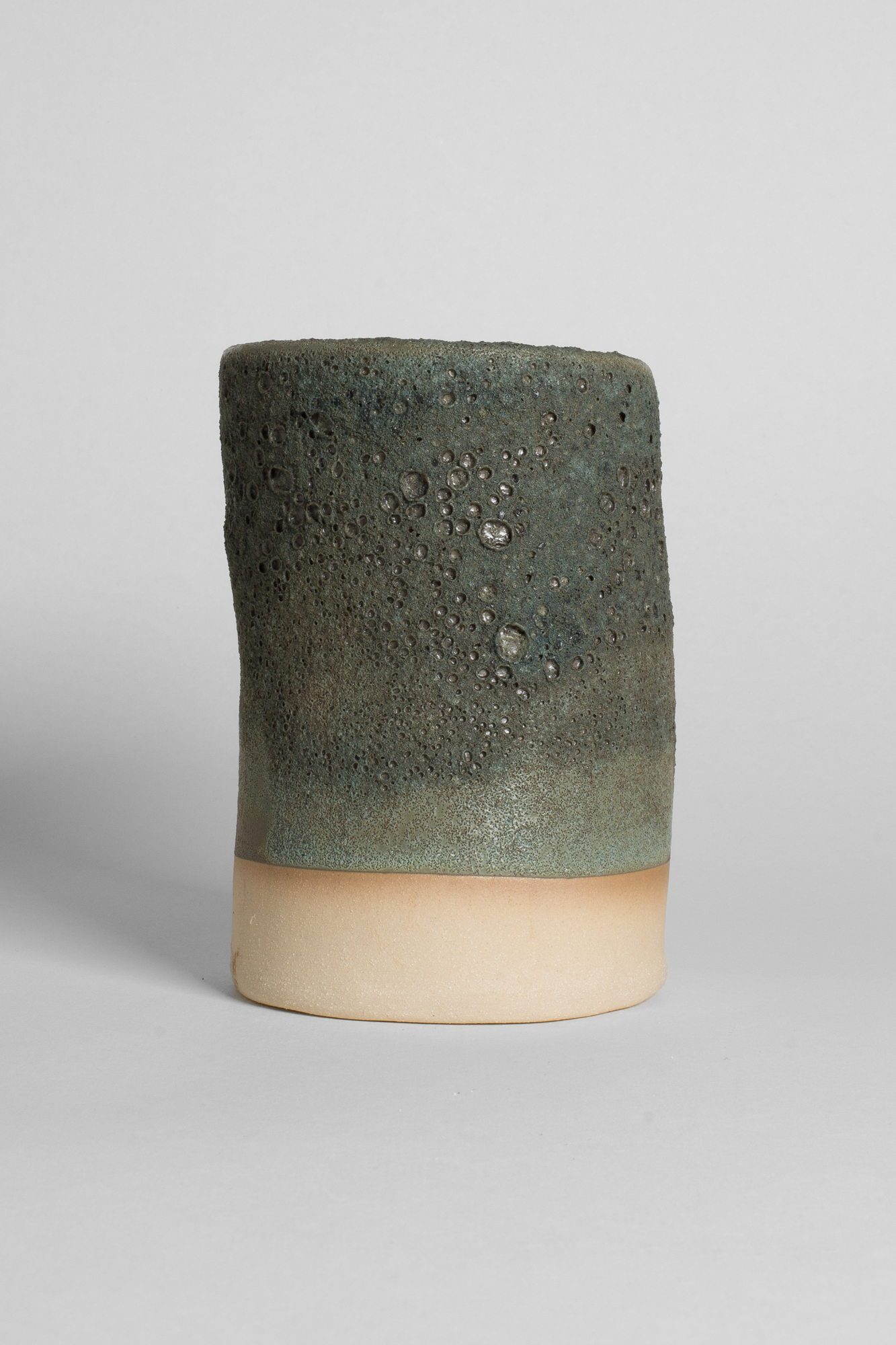
Over time, I became particularly interested in the behaviour of glazes — not simply as finishes but as material systems composed of minerals that react at high temperatures. That curiosity gradually led me deeper into glaze formulation and ceramic material research.
As I began investigating glazes more systematically, it became clear that the scientific dimension of ceramics is often perceived as inaccessible within artistic contexts. Yet ceramics have always existed at the intersection of material science and artistic intention. Every colour, texture or surface ultimately results from the interaction of minerals, temperature and time in the kiln.
GLOST grew out of this intersection. It reflects my progression from working as a ceramic sculptor to investigating the materials themselves closely and now sharing that knowledge with a wider community of makers.
.webp)
© GLOST Glaze
GROUNDWORKS was an exhibition that focused on the bedrock of raw materials that make up ceramic creation. Through understanding the origins of the materials that are so intertwined with our crafts and functional objects, do you hope to illuminate a sustainable engagement with materiality?
GROUNDWORKS emerged from a desire to refocus attention on the raw materials that underpin ceramic practice. In many studios, these materials appear simply as powders or prepared clays, yet they originate from geological processes and industrial extraction.
By presenting these materials alongside finished works, the exhibition encouraged a closer examination of how ceramics are materially constructed. Feldspars, clays, oxides and other minerals form the basis of both functional and sculptural ceramics, yet their origins are often overlooked in everyday studio practice.
Understanding those origins can contribute to a more considered engagement with materials. Sustainability in ceramics is a complex subject, so building awareness of sourcing, processing and usage is an important starting point.
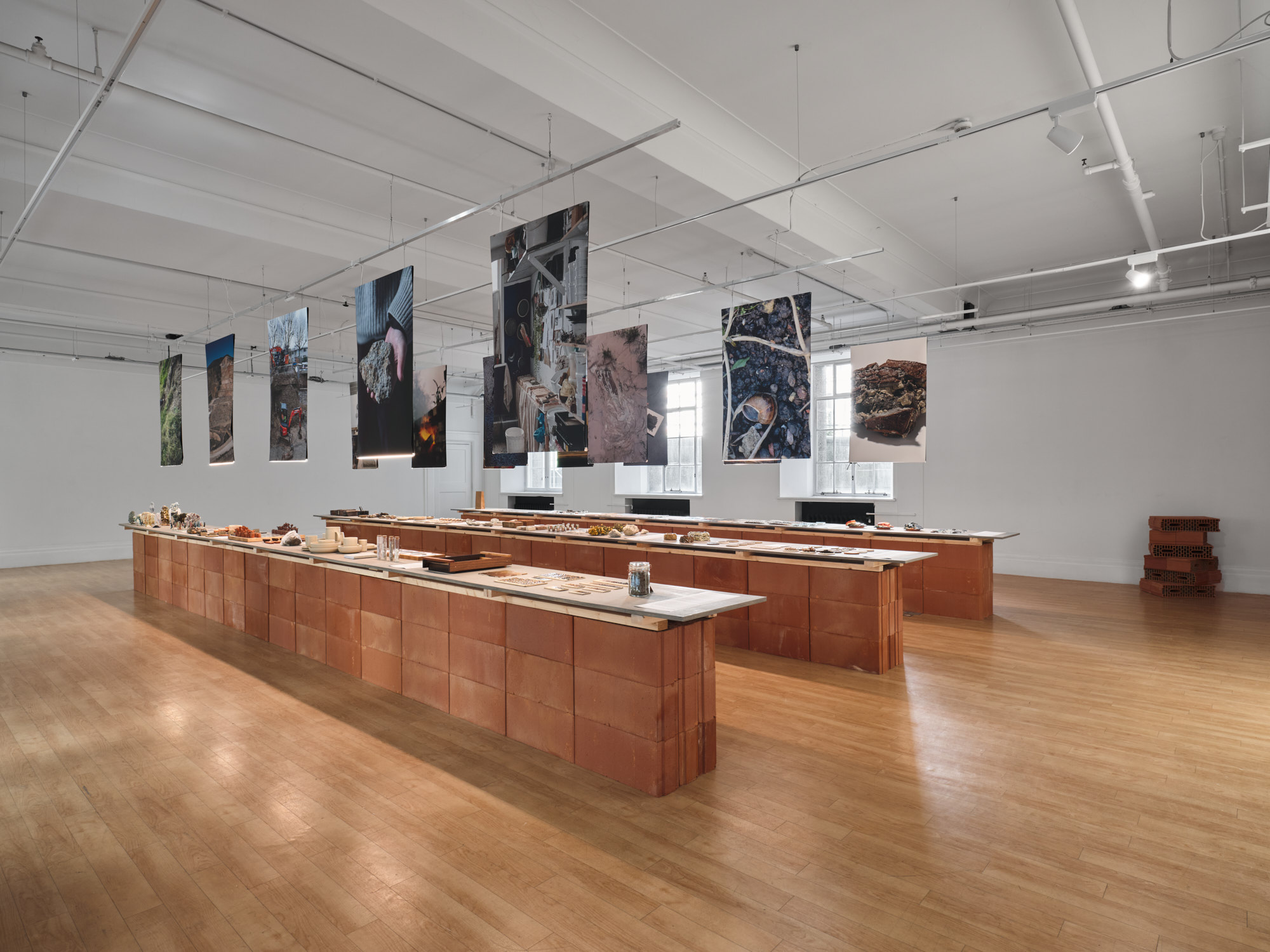
GROUNDWORKS Installation view. © GLOST Glaze
Has having a physical studio allowed you to develop a community in Peckham of those interested, not only in ceramic design, but also in the material and scientific importance of crafting?
The physical space has only recently opened, so it is still in its early stages. However, one of the intentions behind creating the space was precisely to encourage this kind of exchange around ceramic materials and processes.
What has been encouraging so far is that many people who come through the door appear interested in more than simply purchasing materials. Visitors often bring questions about their glazes, firing schedules or clay bodies, and conversations about individual projects tend to emerge naturally.
I hope that the space will gradually evolve into a place where ceramicists feel comfortable discussing their work, sharing technical knowledge, and sourcing materials. Even at this early stage, the shop already seems to encourage these exchanges.
© GLOST Glaze
Your studio's approach includes practical creative sessions as well as research and educational efforts. Which teaching and research-oriented courses have you conducted, and how has this experience enhanced your understanding of the complex elements involved in ceramic design?
Education has always been an important component of GLOST. Alongside studio research, we run workshops that focus on both practical making and technical understanding.
These include glaze formulation workshops, where participants learn how glazes are constructed from raw materials and how different components — such as silica, alumina and fluxes — function within a glaze system. We also run electric kiln workshops covering kiln operation, firing schedules, loading strategies and how firing cycles influence ceramic surfaces.
Teaching these sessions continually reinforces how closely ceramic practice is connected to material understanding. Once makers begin to grasp how glaze chemistry and kiln behaviour affect outcomes, they often approach experimentation with greater confidence and clarity.
The aim is not simply to provide formulas or instructions, but to help makers develop the tools to investigate ceramic materials independently.