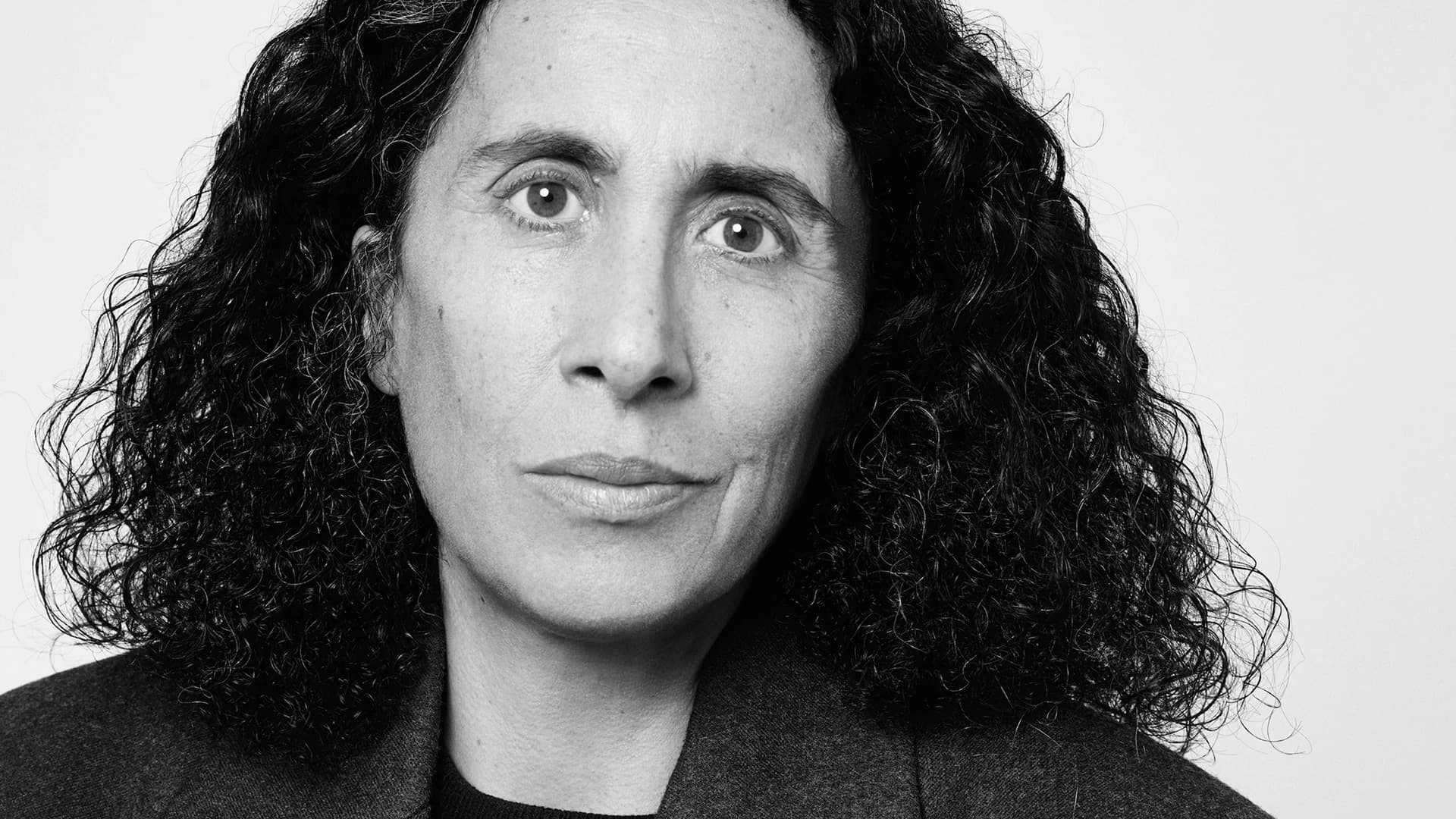
Sara Sozzani Maino black-and-white portrait, curly dark hair, photographed by Illya Ovchar, 2024
5 min

29.07.2026

Fashion Can’t Be Just About Clothes – Interview with Sara Sozzani Maino

By Francesca Interlenghi

From Vogue Italia to Vogue Talents and Fondazione Sozzani, Sara Sozzani Maino discusses scouting young designers and why creativity, sustainability, and culture are inseparable today.

​Hailing from a family that has shaped the history of Italian fashion, Sara Sozzani Maino began her professional journey with a desire to find her own voice. After joining the editorial staff of Vogue Italia almost by chance under the guidance of her visionary aunt, Franca Sozzani, she turned her apprenticeship into a career dedicated to discovering emerging talent. For over ten years, she has been the driving force behind Vogue Talents, an international platform that has helped launch some of the most influential designers in the fashion industry, including JW Anderson, Simone Rocha, Coperni, and Stella Jean. She has redefined the concept of talent scouting in fashion. She is currently the creative director of the Fondazione Sozzani and the international new talent and brands ambassador for the National Chamber of Italian Fashion. In these roles, she scouts and promotes emerging designers, serving on advisory boards and international juries focused on innovation and sustainability in fashion. She combines these activities with a commitment to training and mentoring the next generation of creatives by collaborating with prestigious academic institutions and international programs. At the heart of her work, however, she continues to prioritize what she considers the true driving force of the future: the human factor. In an industry marked by crises, digital transformations, and overproduction, she champions a vision in which creativity, social responsibility, and culture are closely intertwined. In this conversation, she reflects on her career path, her relationships with Franca and Carla Sozzani, and the evolution of the fashion system. She also explains how to give visibility to young people while supporting them as they grow.
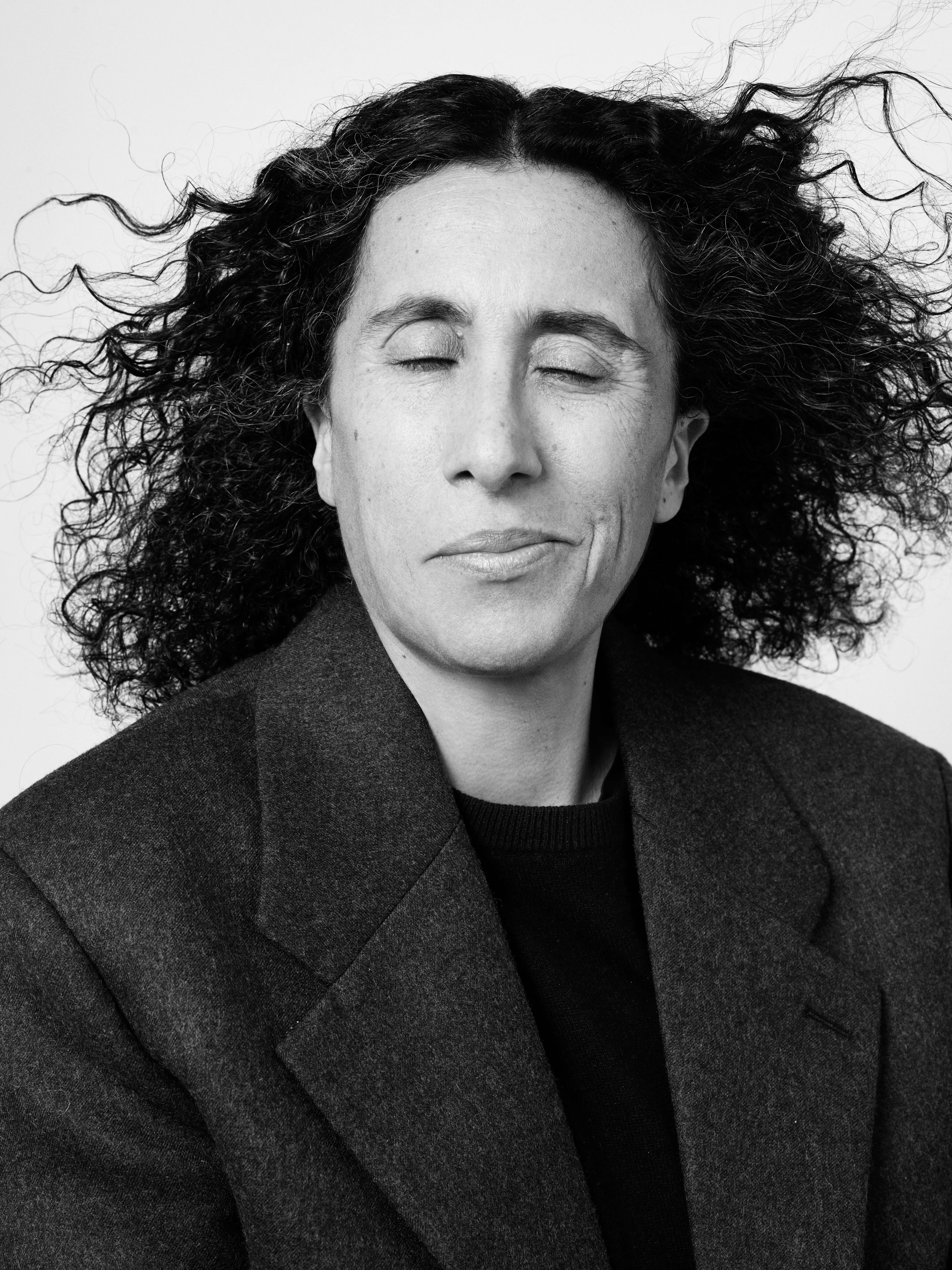
Sara Sozzani Maino black-and-white portrait with flowing curly dark hair, eyes closed, photographed by Illya Ovchar 2024

Sara Sozzani Maino, Portrait. Photo by Illya Ovchar, 2024


Although it has always been a family business, fashion was never your calling. How did you get into it?

It all started quite by chance. I enrolled in the Department of Foreign Languages and Literature at the University of Milan, but I wasn’t comfortable with the Italian system because I have an international background. Not wanting to waste time, I took a few exams and then I started working with my mother, Carla, at the 10 Corso Como concept store. I was only 19 and I had no clear idea of what I wanted to do in the future. One day at lunch, my aunt Franca Sozzani told my mother, "Maybe you're too soft on her. Send her to me, and we'll see what happens." And that’s exactly what happened. In 1994, Vogue Italia celebrated its 30th anniversary with a major exhibition at Triennale Milano, a special issue tracing the magazine’s evolution, and a commemorative book. I spent about seven months in the archives conducting the necessary iconographic research for these projects. It was then that I began studying the history of fashion and photography since I knew nothing about them. I received on-the-job training, which was a rather slow process. However, it allowed me to gain experience in various departments and eventually led me to work as an assistant to Anna Dello Russo and Alice Gentilucci.
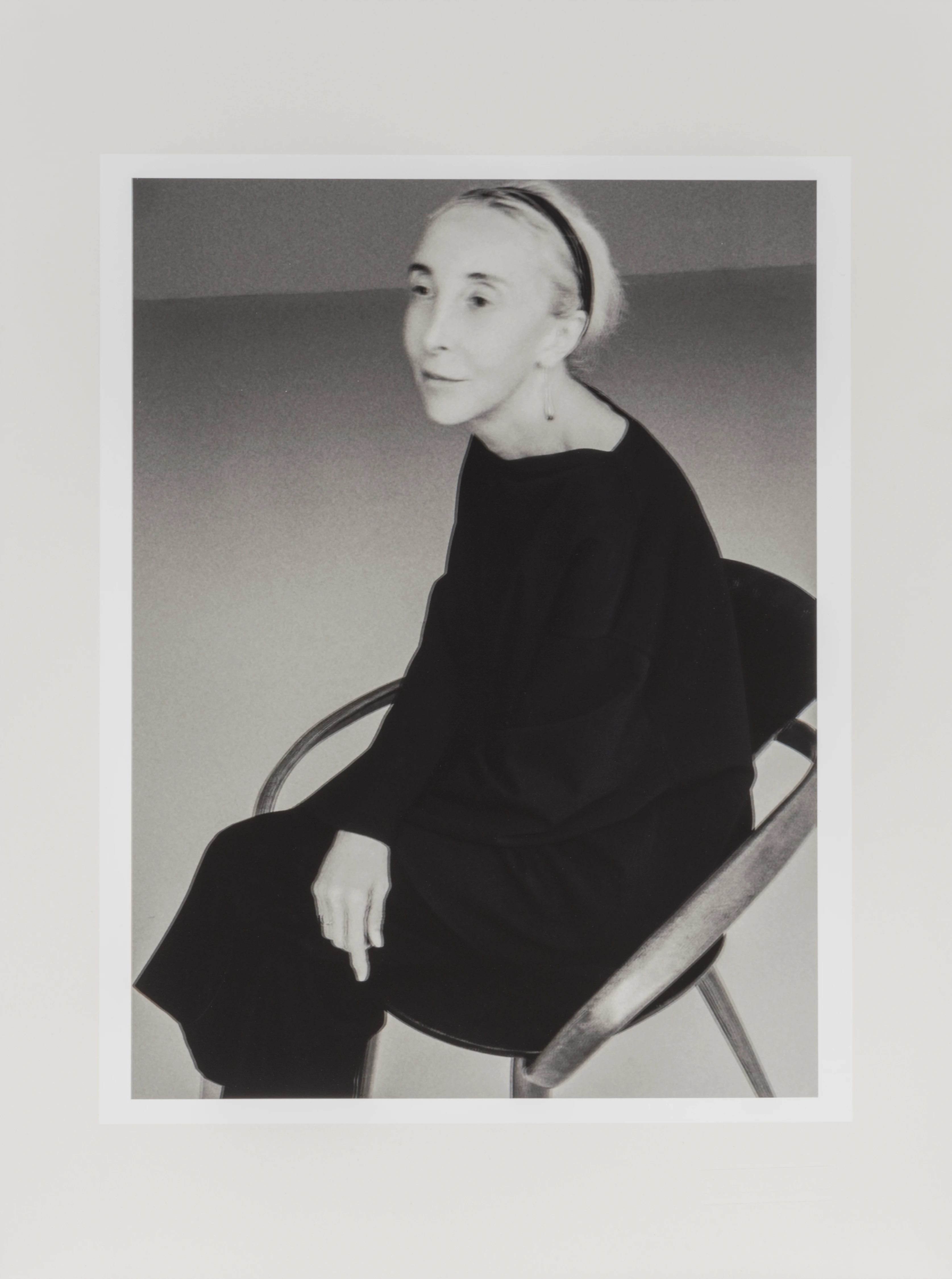
Sarah Moon black-and-white portrait of Carla Sozzani seated on metal chair, 2018

Sarah Moon, Carla Sozzani, 2018


Your interest in discovering and promoting emerging talent has become increasingly central to your work over the years, culminating in the launch of Vogue Talents in 2009. When did you realize talent scouting would be a main focus of your career?

Focusing specifically on fashion and preparing photo shoots forced me to delve deeper into my research and avoid using the usual, well-known names when creating narratives. Since taking the helm at Vogue Italia in 1988, Franca has brought up-and-coming talent in virtually every field, including design, photography, styling, and makeup, to light. However, a generational shift was clearly needed, especially in Italy. Initially, my research took the form of special inserts accompanying the magazine. In 2009, however, the project became more structured and evolved into  the Vogue Talents platform. Launched as an editorial project to raise the profile of emerging creatives, Vogue Talents has expanded into an international talent-scouting platform and business hub. It aims to connect young designers with companies, buyers, the press, and industry professionals through editorial features, events during Milan Fashion Week, exhibitions, and networking opportunities.

How has the important scouting work you do changed from 2009 until now?

It has changed significantly. The advent of social media has profoundly transformed the landscape. Today, we’re faced with an overwhelming number of proposals—there’s simply too much of everything. Without a genuine passion for research and and without a deep understanding of the industry, it's easy to get dazzled. What hasn’t changed is my approach. I’ve never made choices based solely on my personal taste. I’ve always prioritized the human factor and the values a project embodies. When we started in 2009, our main goal was to provide opportunities for emerging talent. However, there wasn’t the same focus on production, social responsibility, and ethics back then. I consider a project’s strength and its ability to make a real impact to be more essential than talent itself. If a young person tells me they created a collection simply because they wanted to, that's no longer enough. A project must tell a story, have a purpose, and answer several questions: Who is the target audience? What message does it convey? What contribution can it make, including in educational terms? Presenting a clothing collection just for the sake of it is no longer sufficient.
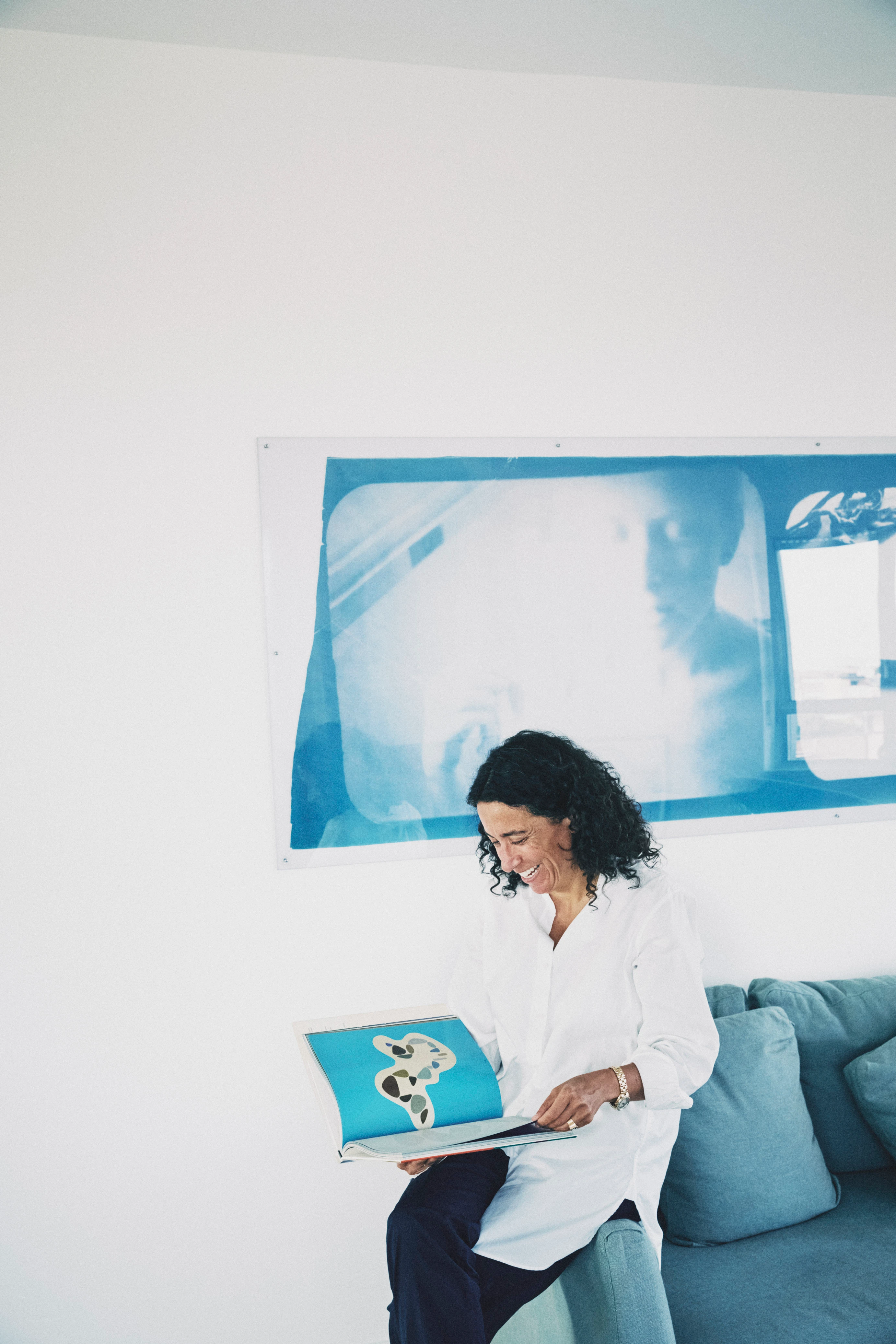
Sara Sozzani Maino smiling while reading an art book at home, photographed by Stefan Gifthaler in 2021

Sara Sozzani Maino at home. Photo Stefan Gifthaler, 2021


You often talk about responsibility, including your sense of responsibility toward young designers. What does taking on this role actually entail?
First and foremost, it means knowing how to identify a young designer’s potential and accepting the responsibility of guiding them. If I recognize unpolished talent or vulnerabilities, I prefer to take a protective stance and wait. Not everything has to happen right away. The fashion industry is extremely competitive and doesn't easily grant second chances. For me, this responsibility is also a way of giving back. I had the privilege of having Franca Sozzani open a door for me, and I feel responsible to do the same for others. However, I’ve never seen it as a burden. On the contrary, that sense of responsibility helps me stay true to my values and never lose my way.

The fashion industry is undergoing a period of profound transformation. What advice would you give to someone looking to break into this field? And what does fashion look like in 2026?

The system has changed profoundly. Today, many young people no longer aspire to enter it because it is currently unsustainable. However, I believe this presents an extraordinary opportunity for them. They don't have to enter an existing system—they can help build a new one! I always tell young people to take a moment to reflect on what they really want to do. They should follow their hearts and not be afraid of making mistakes. Falling down isn't a problem, and failure shouldn't be considered taboo. I have also considered giving it all up on at least two occasions because I have always struggled to identify with certain dynamics. I sense a disconnect in values and a superficiality that don’t represent who I am. Now, however, I’m able to view the industry with greater detachment, partly because I’ve distanced myself from it. If you ask me what fashion is today, I would immediately say that it has become a huge circus. Nevertheless, fashion remains a fundamental sector and one of the pillars of the Italian economy, contributing about 5% to the national GDP. This will only be possible if it continually expands its boundaries. Fashion cannot stop at clothing. It must engage with art, music, videos, and books—all the languages of the contemporary world. Ultimately, fashion must be a cultural construct.

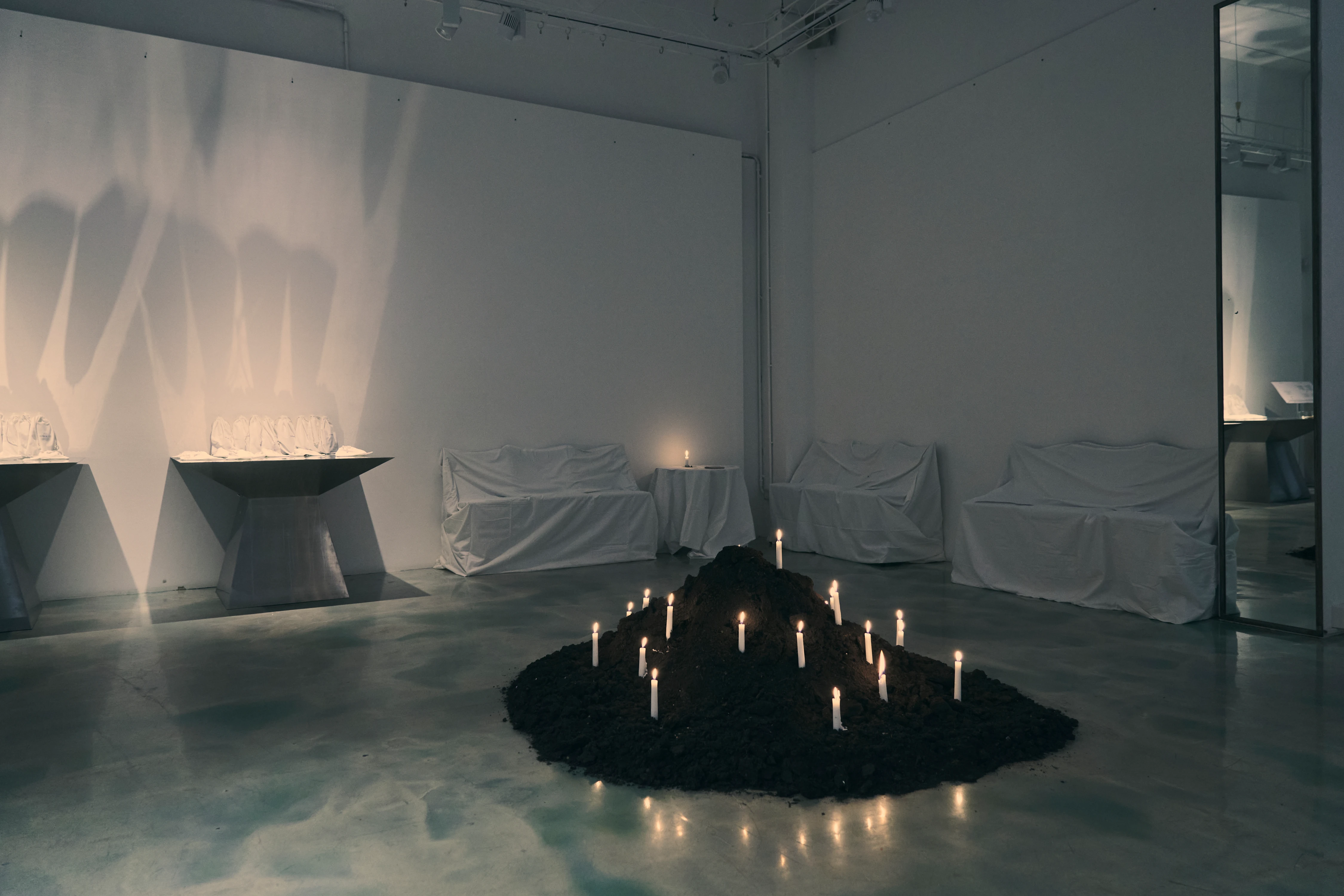
Candlelit soil installation at Fondazione Sozzani Via Piave 33 collection presentation, white-draped furniture in gallery

Fondazione Sozzani – Via Piave 33 collection presentation event. Image courtesy Fondazione Sozzani.


Franca Sozzani’s passing had a profound impact on Vogue Italia and your personal life. What did her passing mean to you, both personally and professionally?

Over the years, the pain has taken on different forms. It has turned into a profound sense of loss. For many years, I couldn’t hear her name without getting emotional and my voice breaking. Time heals, and now all that remains is her extraordinary legacy—an immense cultural treasure that I feel duty-bound to carry forward. She taught me to never be afraid to pursue my ideas and dreams. She taught me that nothing is truly impossible. Just look at her magazine covers to see how visionary they were—they’re still relevant! The publishing world lacks a figure like her today. No one else has had the same vision, authority, or ability to effect real change. I don't believe there ever will be. From 2017 to 2021, I collaborated with Emanuele Farneti, who gave me complete freedom to carry out my project. I learned a great deal from him as well.

Vogue's transformation has gone hand in hand with that of the publishing industry as a whole, which has been shaped by the digital revolution and the gradual decline of print media. How would you describe this change? 

I still believe that print media holds extraordinary value. I’m not saying this out of nostalgia. I don't long for the past or view change with suspicion. It’s only natural for forms of expression to evolve and for new ways to reach people—especially younger generations—to emerge. However, I'm concerned when all that's left is the container. I often see products that are aesthetically flawless yet devoid of content. This isn't just about fashion; it applies to publishing in general. Ultimately, it's always a matter of balance. Form is important, but what really makes a difference is the content. There are many ways to reach people, and there’s no single path. The most interesting challenge today is precisely this diversity of approaches when accompanied by solid content.

Your time at Vogue Italia came to an end, marking the beginning of a new chapter. Today, you are the creative director of the Fondazione Sozzani, a cultural institution founded by Carla Sozzani to promote contemporary photography, fashion, art, and design. What was it like starting to work with your mother?

Professionally speaking, I grew up with Franca, not my birth mother. That’s why working with Carla marked the beginning of a new chapter for me. She built an extraordinary business, and I enjoy helping to bring it to life every day. I strive to align the values that guided her career with those I’ve developed through my own experience. This has been more than a homecoming—it has been the discovery of a new way of working together. Carla is extremely curious and has embraced my perspective on the present, as well as the issues I consider fundamental, such as responsibility and sustainability. In this sense, I believe we have taught each other something through an ongoing, authentic, and fruitful exchange.

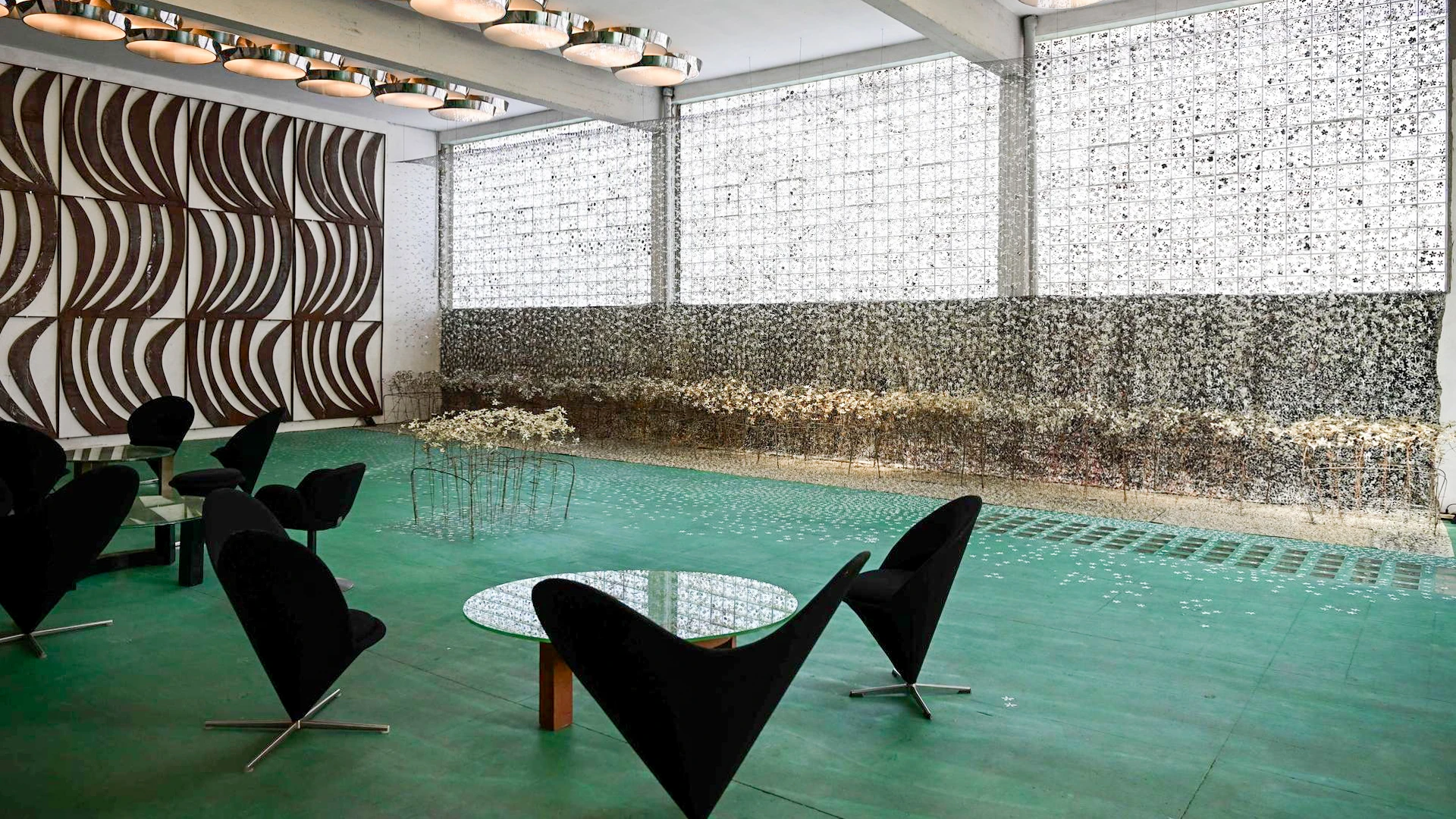
Fondazione Sozzani Milan event space with cone chairs, green floor, mosaic walls, and wavy wood panels

Fondazione Sozzani, via Bovisasca 87, Milan, event space. Photo: Ilvio Gallo. Image courtesy Fondazione Sozzani

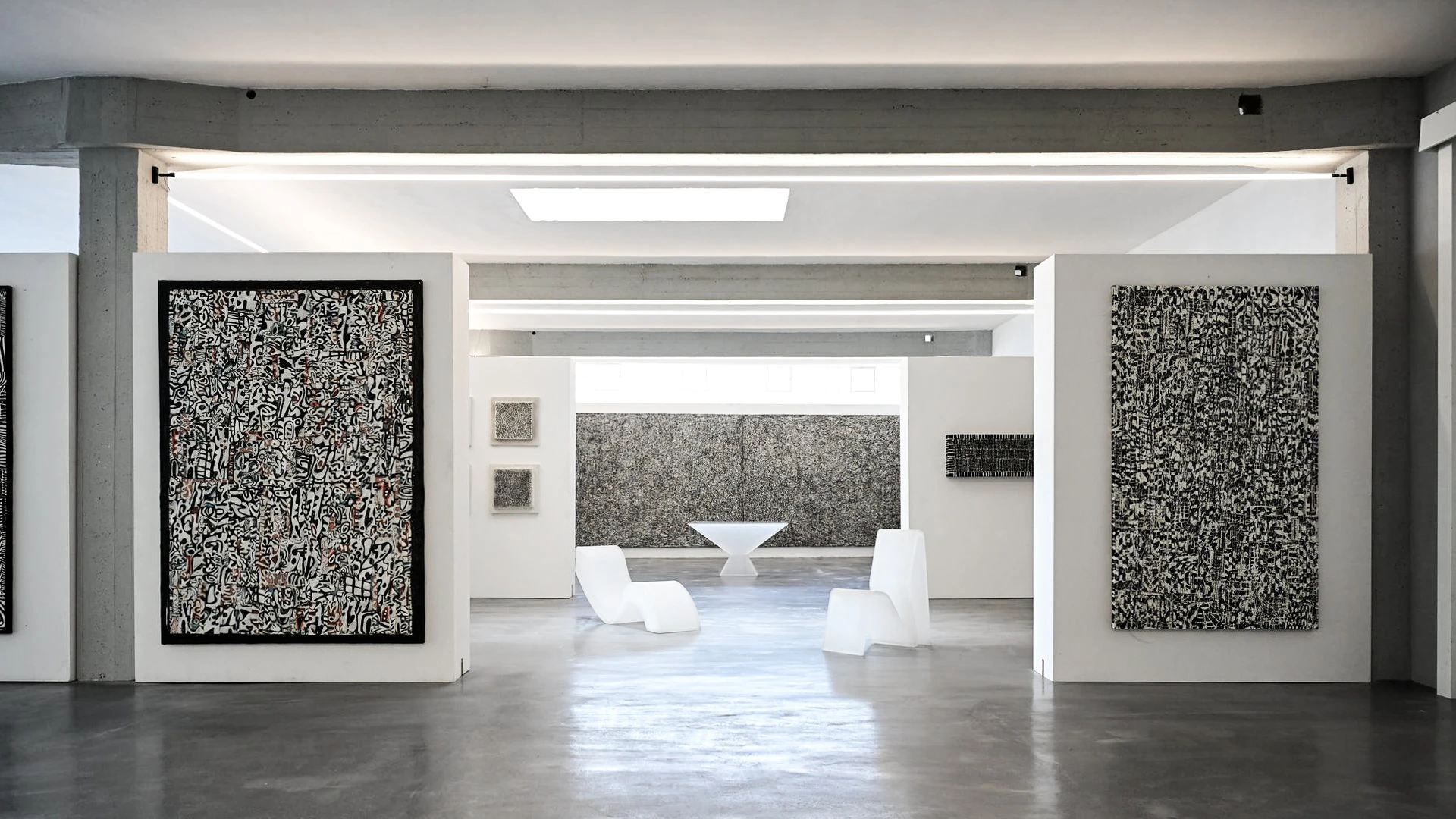
Fondazione Sozzani gallery interior, Milan, featuring large-scale black-and-white text paintings and white sculptural furniture

Fondazione Sozzani, via Bovisasca 87, Milan, gallery with Kris Ruhs artworks. Photo: Ilvio Gallo. Image courtesy Fondazione Sozzani

Date

29.07.2026

Tags
Culture ResearchSara Sozzani Mainofashion industryemerging designersVogue Talentstalent scoutingsustainability in fashionItalian fashioncreative directionfashion journalismFondazione Sozzaniresponsible fashiondesigner mentorship