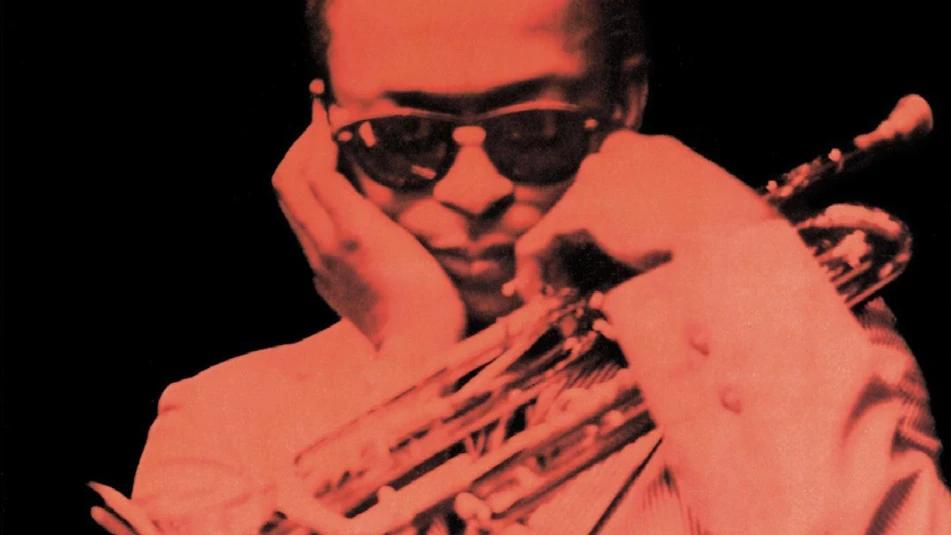
A stylized portrait of jazz musician Miles Davis holding a trumpet, captured in a moment of introspection, emphasizing instrumental music and improvisation.
7 min

28.12.2025

Did We Stop Listening to Instrumental Music?

By Valeria Krel

An exploration of instrumental music, from classical composers to film scores, lo-fi beats and modern artists, and why wordless music still matters.

The other day while I was listening to my music playlist on shuffle something rare happened: an instrumental track came on. No lyrics. No catchy bridge to scream to while driving the car. Just the instruments speaking to each other, piano, strings, flutes, all weaving together into a wordless language.

That’s when I caught myself wondering: when did we stop listening to instrumental music? Did we stop at all? Or did it just fade into the background of our noisy lives?
​

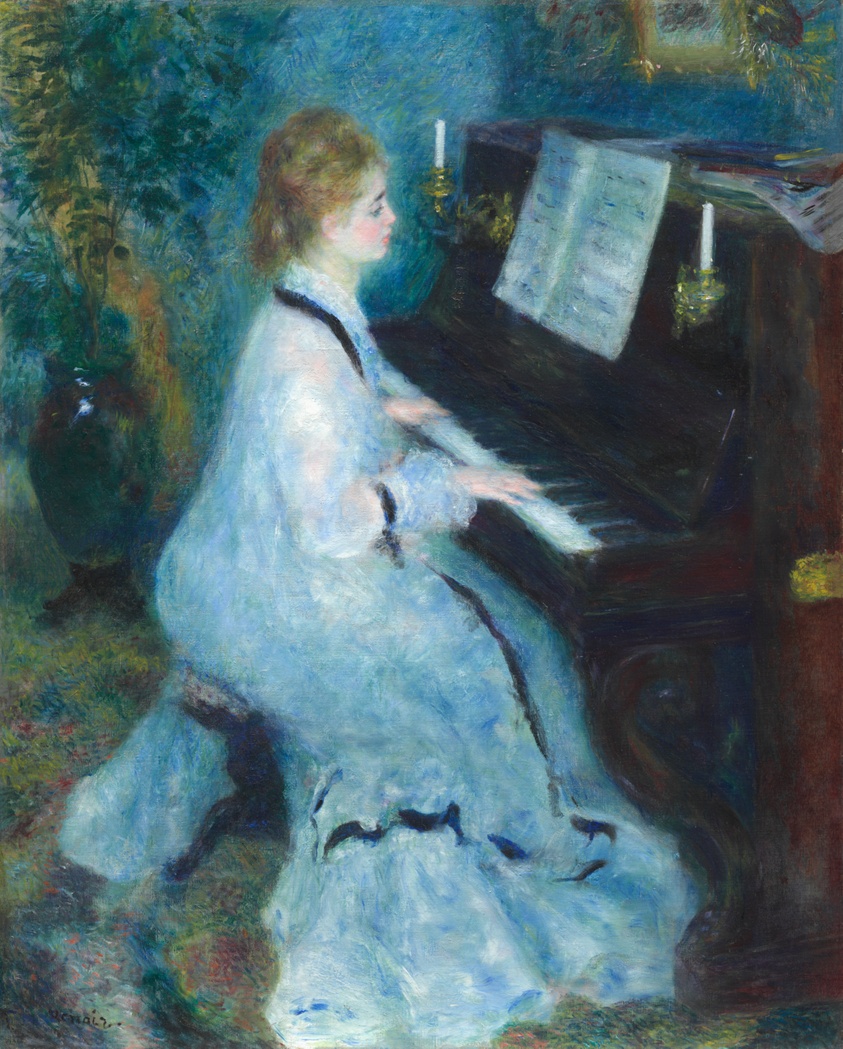
An impressionist painting depicting a young woman playing the piano in a softly lit interior, capturing the intimacy and emotional depth of instrumental music.

Pierre-Auguste Renoir, Young Girl at the Piano (Jeunes filles au piano), 1892.

​

Instrumental Music as Storytellers

Let’s not forget that instrumental music was the music for centuries. Tchaikovsky, Beethoven, Mozart, Chopin — all household names, masters of their crafts and obviously lyric-free. Their music and compositions weren’t supposed to be background music used in study playlists (though I admit I too listen to it while working). Their music was the main event. People dressed up to go to the opera or the ballet to listen to orchestral works that lasted for hours. A Beethoven symphony was just like the Eras Tour of the 1800s. Back when instrumental music wasn’t a niche, it was the culture.

Of course, music with lyrics has always existed. Humans have sung for as long as we’ve made sound, from ancient chants to medieval hymns and early operas. Our human voice was our first instrument, and it was always central to storytelling. It’s how people connected and, importantly, remembered. But when we think of old or classical music we mostly imagine orchestras, not people singing.

It’s not like vocal music disappeared, it just went into the background of the musical stage where wordless music took over. For most of the 18th and 19th centuries, symphonies and sonatas were seen as the height of music, creativity and sophistication. Orchestras didn’t need lyrics to move people, the music itself did that. So even though songs with words never went away, it’s the instrumental masterpieces that tend to stick in our collective memory.
​

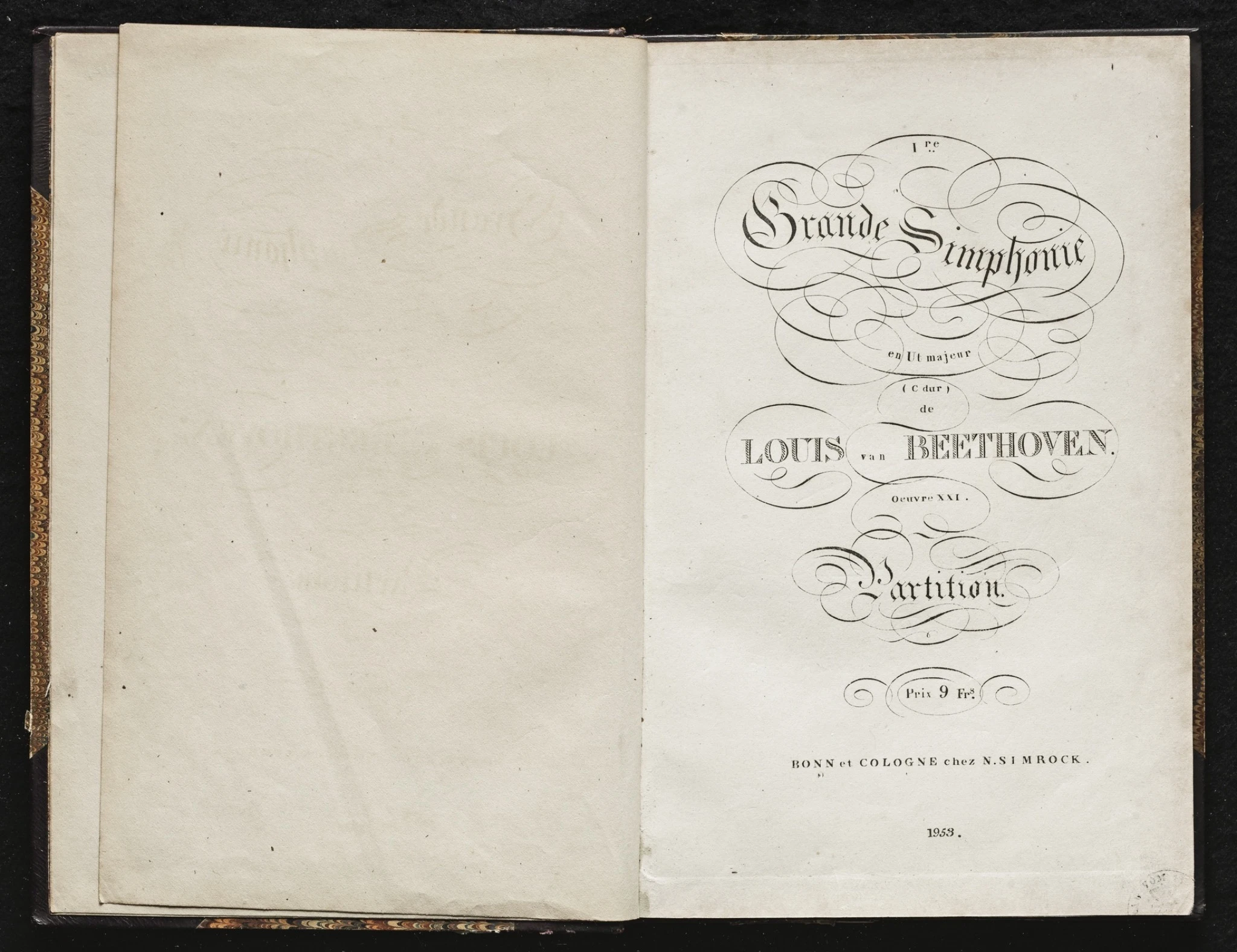
An original printed score of a Beethoven symphony, showing ornate typography and musical notation, representing classical instrumental music and composition.

Ludwig van Beethoven, Sinfonie Nr. 1 in C-Dur, Op. 21, Partitur, Simrock, 1953.

​

The Golden Era of Music

Let’s fast forward a couple of centuries to the 1920s when jazz was brought into the spotlight. Bands swung, improvised and grooved without needing a single line of lyrics to get people dancing. Duke Ellington or Miles Davis didn’t need choruses to create hits, the instruments did all the work.

Even rock carried the instrumental torch for a while, with extended guitar or drum solos and synth-heavy experiments. Fans went wild over ten-minute tracks with no sing-along potential. Words were optional.

So… what happened?

Somewhere along the line, lyrics started to dominate. And it makes sense. Humans are drawn to stories. A catchy lyric or well-built bridge can stay in your head for days, weeks or even months. Whether you want it or not, if you hear the words “Shape of You”, you probably start singing Ed Sheeran’s 2017 hit.

​

The TikTok-ification of Music

In our fast, content-driven world, that matters. How else would you lip-sync to the viral track released two days ago? Social media thrives on soundbites. TikTok and Instagram live on short snippets — the ones you’ve heard twenty times in ten minutes of scrolling.

Words are shareable, meme-able and easy to repeat. A purely instrumental song? Harder to market. You can’t lip-sync to an orchestral piece. Or can you?
​

Ólafur Arnalds and the Quiet Return of Instrumental Music

Artists like Ólafur Arnalds have carved out a space where classical meets modern, where piano and electronics create a new sonic world.

You might not stream his albums like the newest Taylor Swift release, but you’ve probably heard his music in films or TV series. His compositions are more of a whisper than a scream. They don’t demand attention with words, yet they tell stories and linger just as powerfully.

Instrumental music isn’t dead — it has shapeshifted.

Arnalds is part of a wider movement. Alongside artists like Nils Frahm and Bonobo, and composers such as Ludovico Einaudi and Max Richter, instrumental music has found new relevance. Richter even composed an eight-hour piece, Sleep, designed to be listened to while you rest. Einaudi’s work has become the emotional backbone of films, commercials and countless quiet moments.

What ties them together is accessibility. They make instrumental music modern, emotional and relevant. They show that words aren’t necessary to move people. Sometimes, their absence is exactly what gives the music its power.

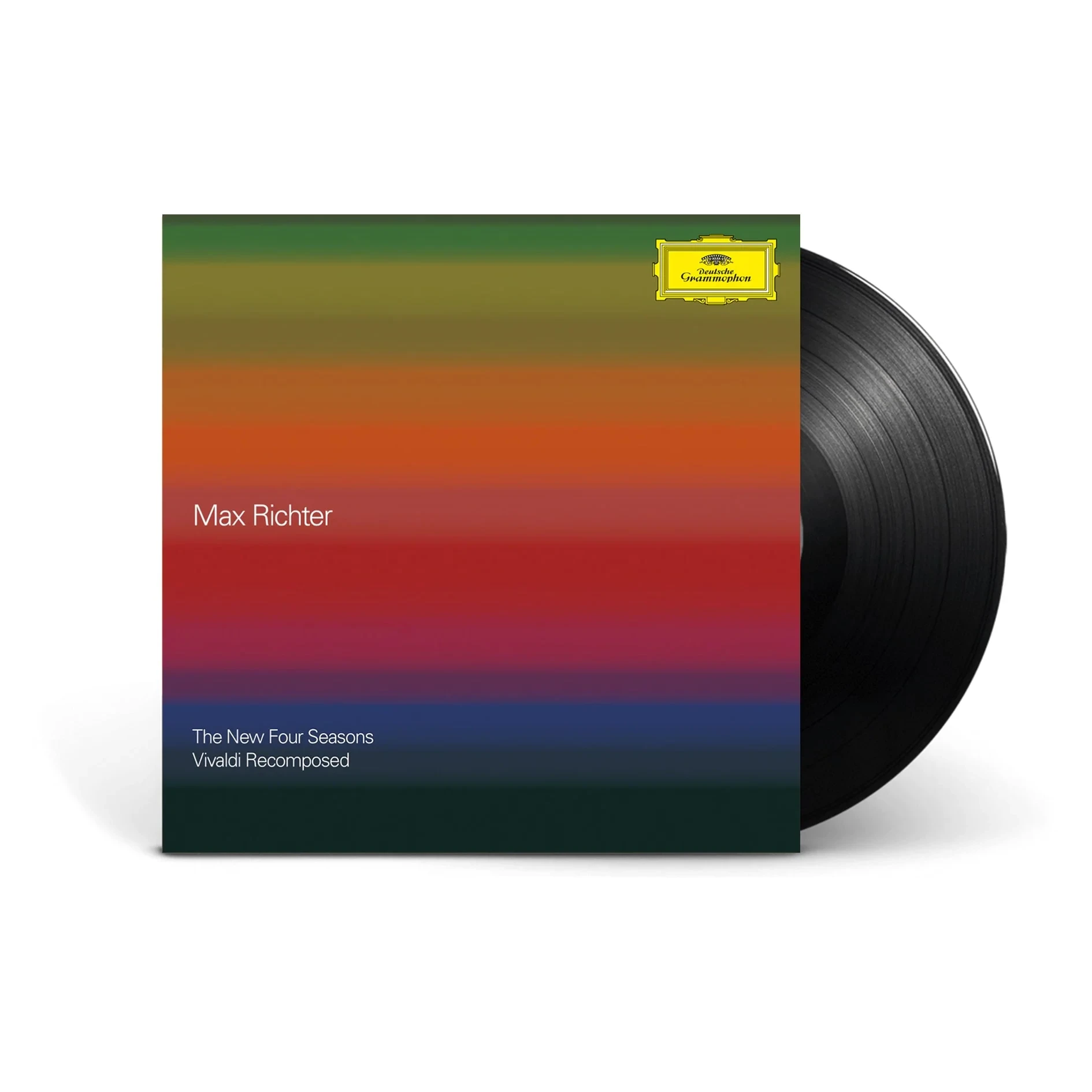
Album cover of Max Richter’s The New Four Seasons: Vivaldi Recomposed, featuring a minimalist gradient design representing contemporary instrumental music.

Ludwig van Beethoven, Sinfonie Nr. 1 in C-Dur, Op. 21, Partitur, Simrock, 1953. Image Courtesy Vinyl Collector Store.

​

Instrumental Music Is Everywhere

The neo-classical movement proved that instrumental music hasn’t just survived — it reinvented itself for a generation raised on streaming, charts and algorithms. It’s not background noise, it’s a vibe. A lifestyle. Sometimes even a quiet rebellion against a loud, word-heavy pop culture.

Instrumental tracks are also hiding in plain sight. Many artists release instrumental versions of their songs as bonus tracks, deluxe editions or remix stems. DJs and producers need them, but listeners benefit too. Sometimes it’s the beat that steals the show.

Think about lo-fi beats — endless study playlists with millions of streams. Or film scores. Would Inception, Interstellar or Call Me by Your Name feel the same without their music? Even EDM and house music often rely on instrumental drops to move entire festivals.

The drop is the chorus.

​

The Stories We Hear Without Words

So, did we stop listening to instrumental music? Not really. We just changed how we listen to it.

It’s no longer always center stage. It lives in soundtracks, playlists, video games, restaurants, meditation apps. It has become a companion rather than the protagonist.

And sometimes that’s exactly what we need.

Instrumental music creates space for imagination. Without lyrics telling you what to feel, your mind can wander. It’s timeless. It sneaks into your soul. Melodies can haunt you longer than words ever will.

So next time your playlist shuffles and an instrumental track comes on, don’t skip it. Let it play. Give your brain four, five, maybe ten minutes to breathe.

Because sometimes the most powerful stories are the ones told without words.

Date

28.12.2025

Tags
Music & Soundinstrumental musicinstrumental tracksmusic cultureneo classical musicfilm scoresambient musiclo fi beatsmodern instrumental musicmusic trendssound culture