From September 9 to 13, Berlin will transform into a citywide platform for contemporary art. The program will feature museums, institutions, galleries, private collections, and independent spaces. To help you navigate this year's offerings during Berlin Art Week, we have selected some of the must-see exhibitions and projects from this extensive lineup of events.
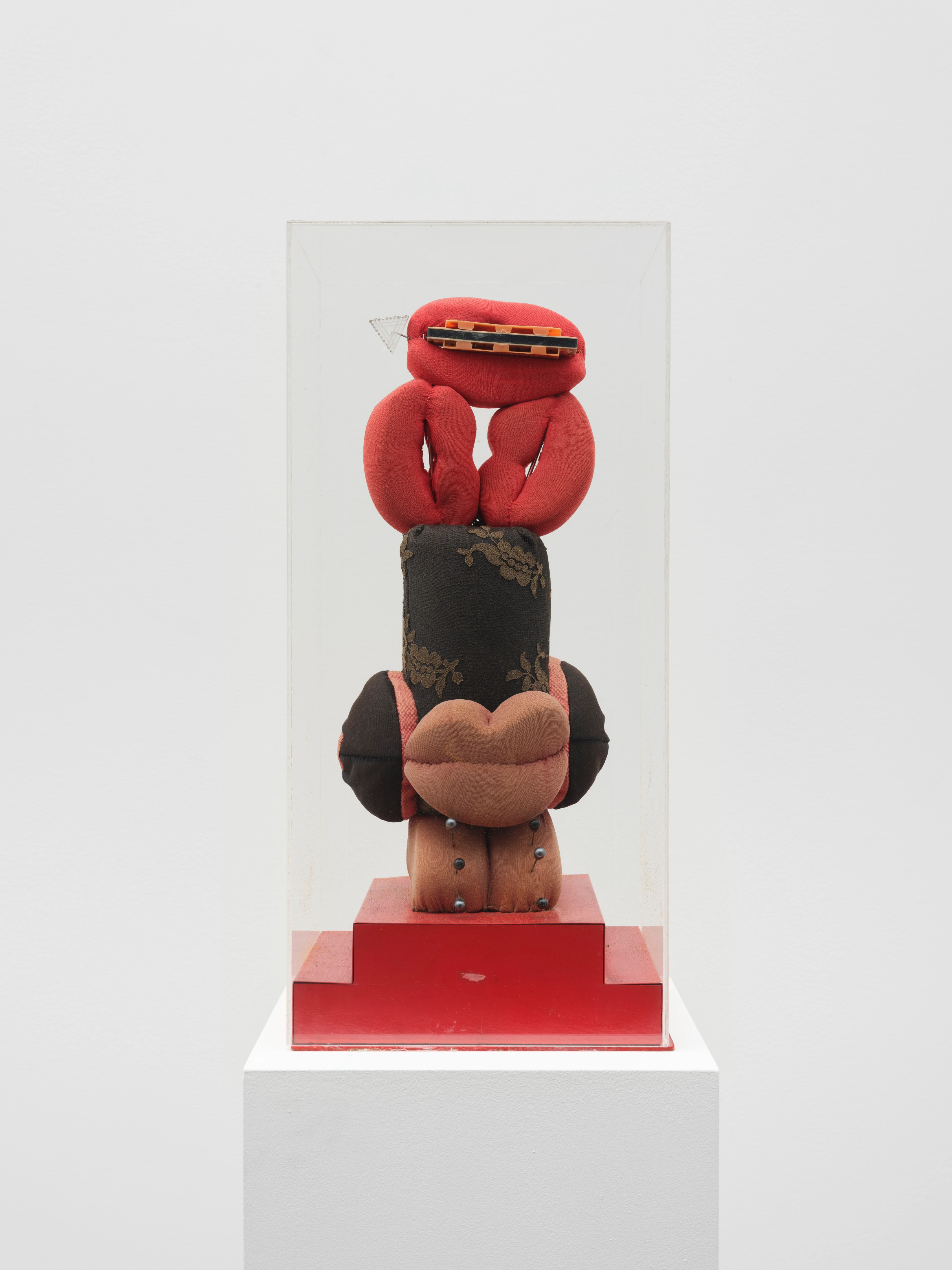
Clemen Parrocchetti Liberazione / Liberation, 1974, Photo by Marjorie Brunet Plaza, Courtesy of ChertLüdde, Berlin and Clemen Parrocchetti Archive, Borgo Adorno AL
Ryuichi Sakamoto. seeing sound, hearing time
One of the most highly anticipated events of Berlin Art Week 2026 is the presentation of Ryuichi Sakamoto. seeing sound, hearing time at the Hamburger Bahnhof – Nationalgalerie der Gegenwart. This exhibition is the first major European retrospective dedicated to the late Japanese composer and artist. Starting September 11, the Rieckhallen's 1,500 square meters will host seven works across five large-scale installations, revealing the complexity of a practice that consistently pushed the boundaries between music, visual art, cinema, performance, and technology. A pioneer of electronic and experimental music, Sakamoto transformed sound from a purely acoustic experience into a physical presence in space. Born in Tokyo in 1952, he debuted in 1978 with Thousand Knives. That same year, he co-founded the influential electronic music group Yellow Magic Orchestra with Haruomi Hosono and Yukihiro Takahashi. Starting in the 2000s, he began collaborating with artists like Shiro Takatani, Carsten Nicolai, and filmmaker Apichatpong Weerasethakul to create three-dimensional environments.Sakamoto's work expanded into pop, classical music, opera, and cinema. He has composed nearly 45 soundtracks and has received an Academy Award, two Golden Globes, and a Grammy, among other accolades. However, reducing Sakamoto to music alone would mean overlooking the radically interdisciplinary nature of his work. This exhibition focuses on that aspect, revealing how sound, image, space, and time belong to a single perceptual territory for the artist. Curated by Ingrid Buschmann and Sachiko Namba, the exhibition is part of the celebrations marking the 30th anniversary of the Hamburger Bahnhof museum.
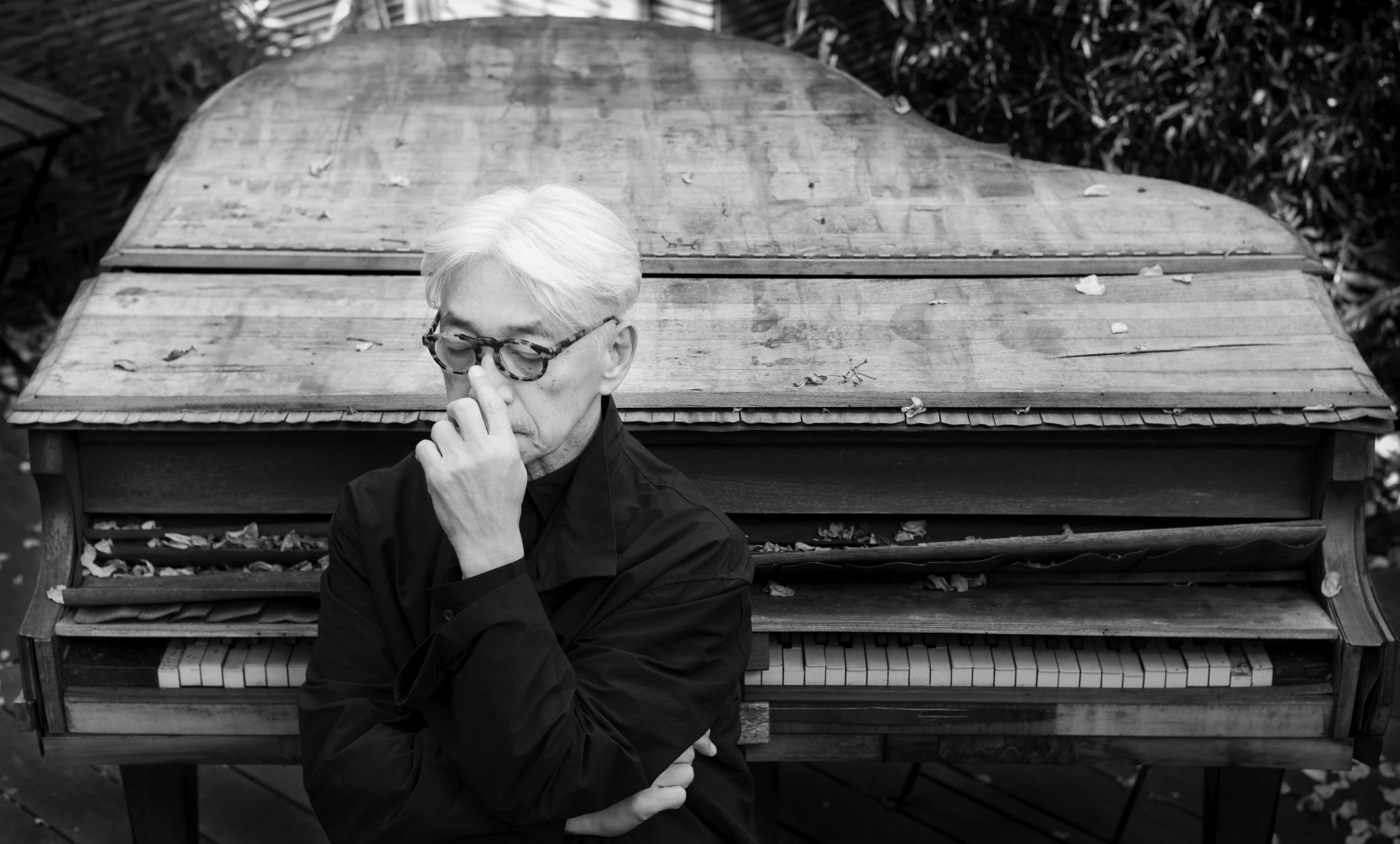
Portrait of Ryuichi Sakamoto © 2020 KAB Inc. Photo: Neo Sora.
Ryuichi Sakamoto. seeing sound, hearing time
Hamburger Bahnhof – Nationalgalerie der Gegenwart | Invalidenstraße 50, 10557 Berlin
September 11, 2026 – June 20, 2027
A special exhibition of Nationalgalerie – Staatliche Museen zu Berlin
Maurizio Cattelan. NIGHT
Starting on September 9, the Neue Nationalgalerie will host NIGHT, the first major solo exhibition in Germany dedicated to Maurizio Cattelan (b. 1960, Padua, Italy). Curated by Lisa Botti and Klaus Biesenbach in close collaboration with the artist, the project brings the internationally renowned artist back to Berlin twenty years after he co-curated the fourth Berlin Biennale. The exhibition is also the 2026 Preis der Nationalgalerie, for which an international jury selected Cattelan. Historical works that have become media icons, as well as new commissions, transform Mies van der Rohe’s building into a device through which to reflect on historical memory, identity, and repression. The hyperrealistic sculpture Him (2001) depicts a young boy kneeling in prayer. When approached, the sculpture reveals Hitler's face, condensing the tension between innocence and guilt, vulnerability and violence into a disturbing image. Inspired by Günter Grass’s The Tin Drum (1959), in which the German writer used the distorted gaze of childhood to offer one of the most radical examinations of guilt and memory regarding Nazi Germany, Untitled (2003) transforms the seemingly innocent figure of a child into an ambiguous warning device. In La Rivoluzione Siamo Noi (2000), Cattelan's diminutive self-portrait hangs by its collar from a coat rack, dressed in Joseph Beuys's iconic felt suit. Here, Cattelan reflects with bitter irony on the possibility—or perhaps the impossibility—of art truly transforming society.
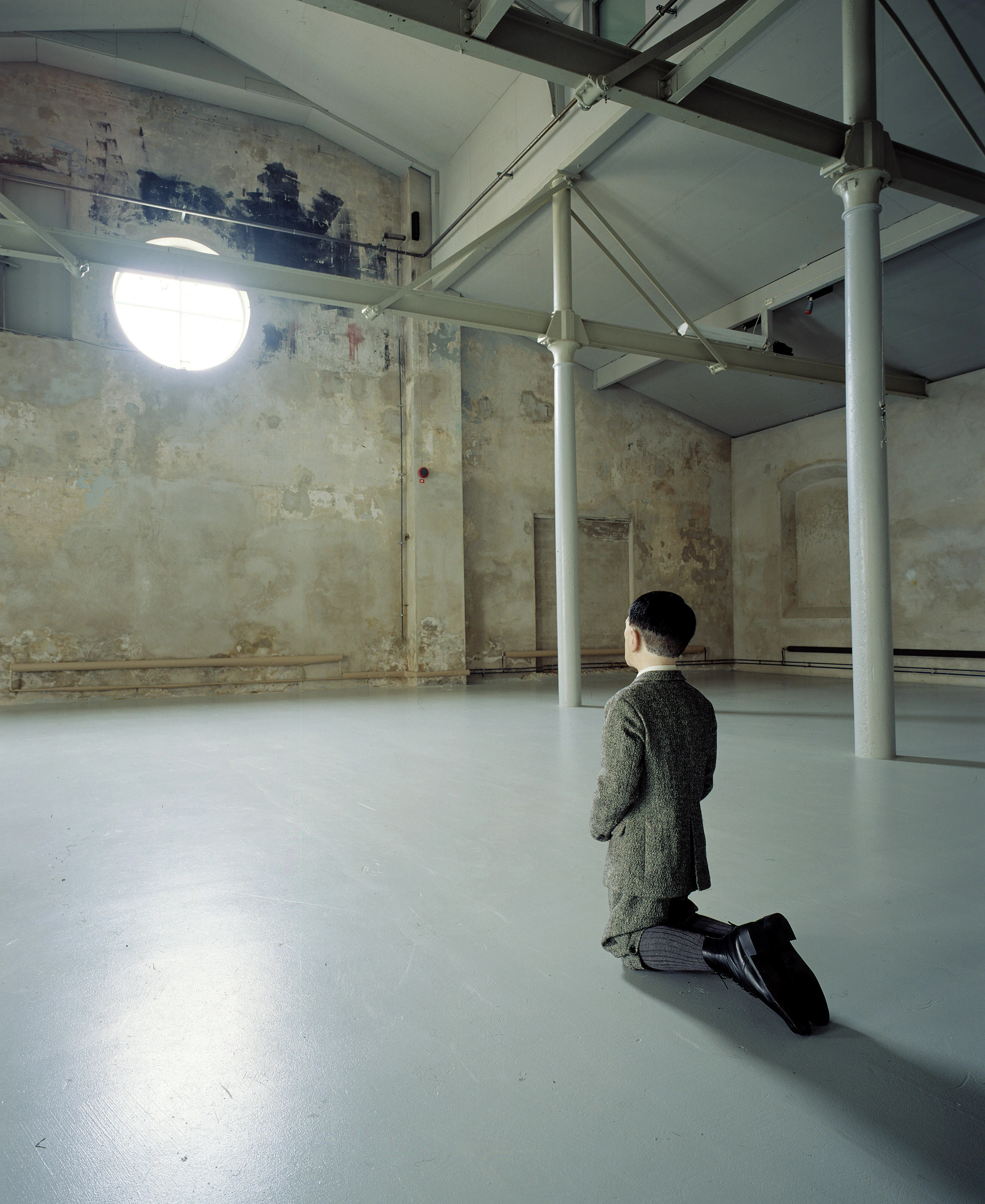
Maurizio Cattelan, Him, 2001. Photo: Attilio Maranzano
Meanwhile, the suspended horse in Novecento (1997) recasts the familiar as an uncanny presence. These works are joined by a new, site-specific piece that alters the building's spatial structure, changing the way visitors move through and perceive it. The celebrated glass hall is no longer just the setting for the exhibition; it becomes part of the artwork. This lends the "temple" of modernism an almost ecclesiastical dimension. Since the early 1990s, Cattelan has developed his artistic practice by starting with recognizable images and altering them slightly to alter their meaning and make them unsettling. “The title NIGHT suggests a condition in which things are not necessarily hidden, but seen differently.” explains curator Lisa Botti. “In the reduced light of evening, familiar forms can become strange, while overlooked details come into focus." Working within the art world, Cattelan has exposed its vulnerabilities, inconsistencies, and anxieties. He addresses topics typically deemed challenging or peripheral, such as religion, childhood, authority, and collective generational trauma. In doing so, he has created a visual universe where irony, ambiguity, and tragedy are inextricably linked. In a recent interview with the Financial Times, the artist stated that this exhibition was conceived for Germany and is unfortunately about history repeating itself.
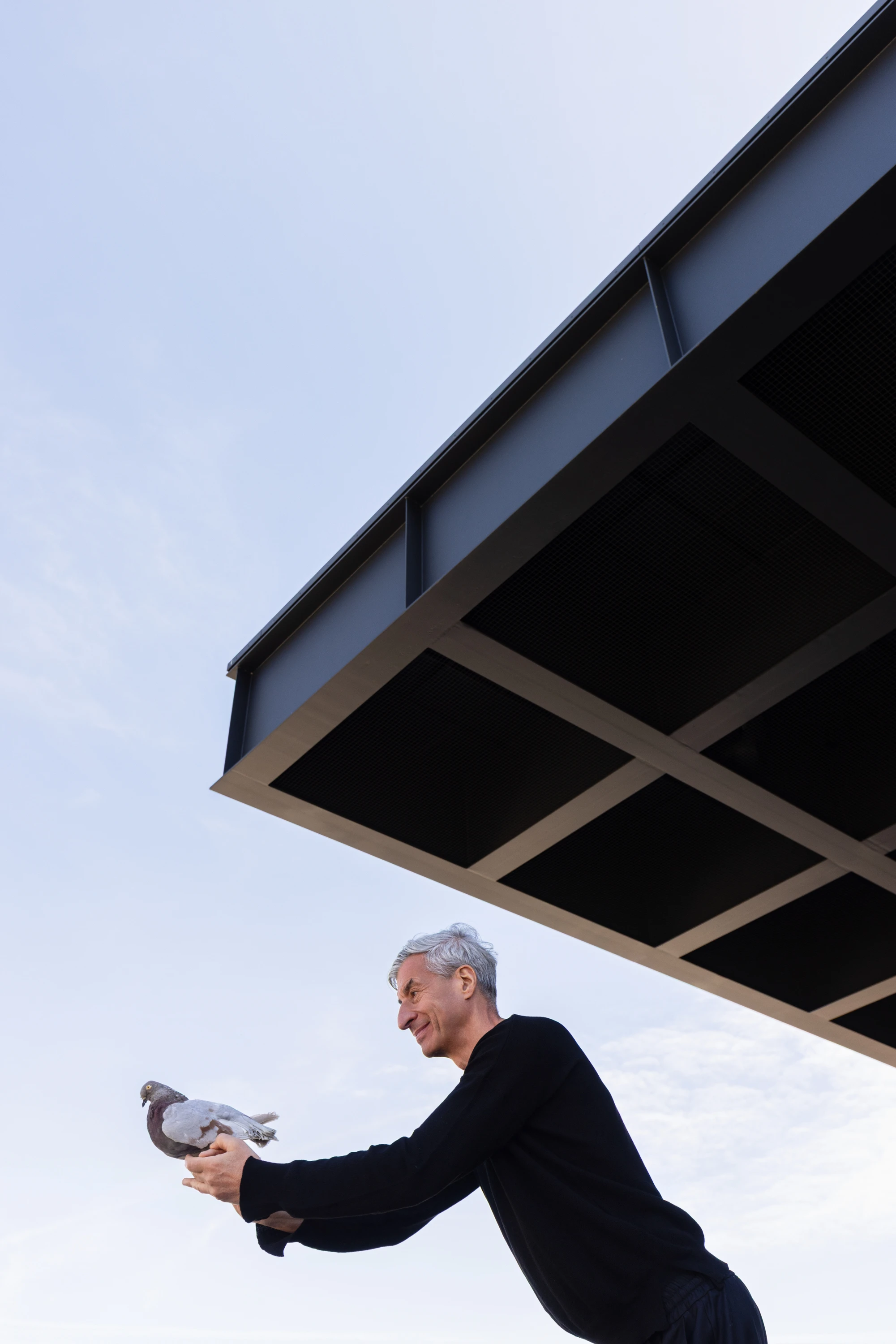
Maurizio Cattelan, 2026 © Neue Nationalgalerie – Stiftung Preußischer Kulturbesitz / Ivan Erofeev
Maurizio Cattelan. NIGHT
Preis der Nationalgalerie 2026
Neue Nationalgalerie | Potsdamer Straße 50, 10785 Berlin
September 10, 2026 – March 7, 2027
Carrie Mae Weems. The Heart of the Matter
Starting on September 12, C/O Berlin will present an extensive retrospective dedicated to Carrie Mae Weems (b. 1953, Portland, Oregon, USA), one of the most influential figures in contemporary photography. The exhibition features over 100 photographs and videos spanning more than forty years of her career. Weems transforms images into political territory—a space to explore power, memory, identity, belonging, and the mechanisms through which history determines who is seen and how. Drawing on her personal experience, she uses it as a tool to examine broader social structures. Photography, text, performance, and video contribute to the construction of a language that is both poetic and radically political. Representations of race and womanhood lie at the core of her work, along with the possibility of liberating them from the narratives that have historically defined them. The now-iconic Kitchen Table Series (1990) is one of the most emblematic expressions of this strategy. Seated at a kitchen table under the dramatic light of a hanging lamp, the artist presents herself through various relationships and roles: lover, partner, mother, and solitary woman.
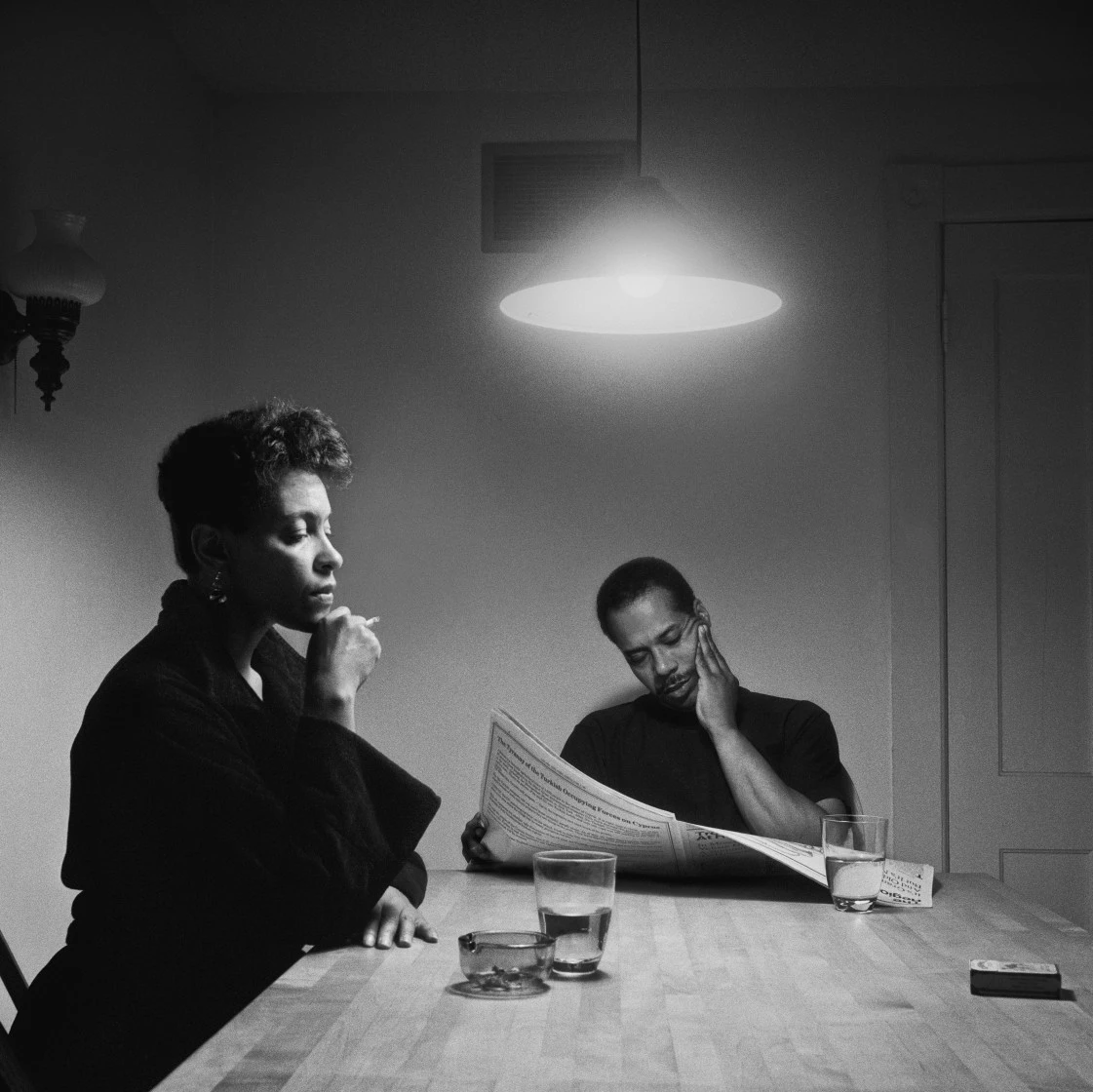
Carrie Mae Weems, Untitled (Man Reading Newspaper), 1990; from the Kitchen Table Series © Carrie Mae Weems and reproduced courtesy the artist and Gladstone, New York, Fraenkel Gallery, San Francisco, and Galerie Barbara Thumm, Berlin
The domestic space becomes more than a mere backdrop; it becomes a place where desire, motherhood, gender relations, and self-determination are explored. Literature, music, and art history permeate the images, composing a narrative in which identity appears as a constantly revised construction rather than a stable entity. From this intimate perspective, Weems's focus gradually shifts to public spaces where memory is created and formalized, such as plantations in the American South, film studios, museums, and monuments. She views these spaces as architectures of power, asking which histories they preserve, which perspectives they validate, and most importantly, which presences they exclude. The retrospective includes recent works, such as Preach (2024), which uses historical and contemporary images to explore the role of African American religious communities as sites of spirituality, solidarity, and resistance. These communities are marked by a history of violence and oppression. The Heart of the Matter, curated by Sarah Hermanson Meister (Aperture) and adapted by Boaz Levin (C/O Berlin), is a project of Gallerie d’Italia, the museum of Intesa Sanpaolo, in collaboration with Aperture.
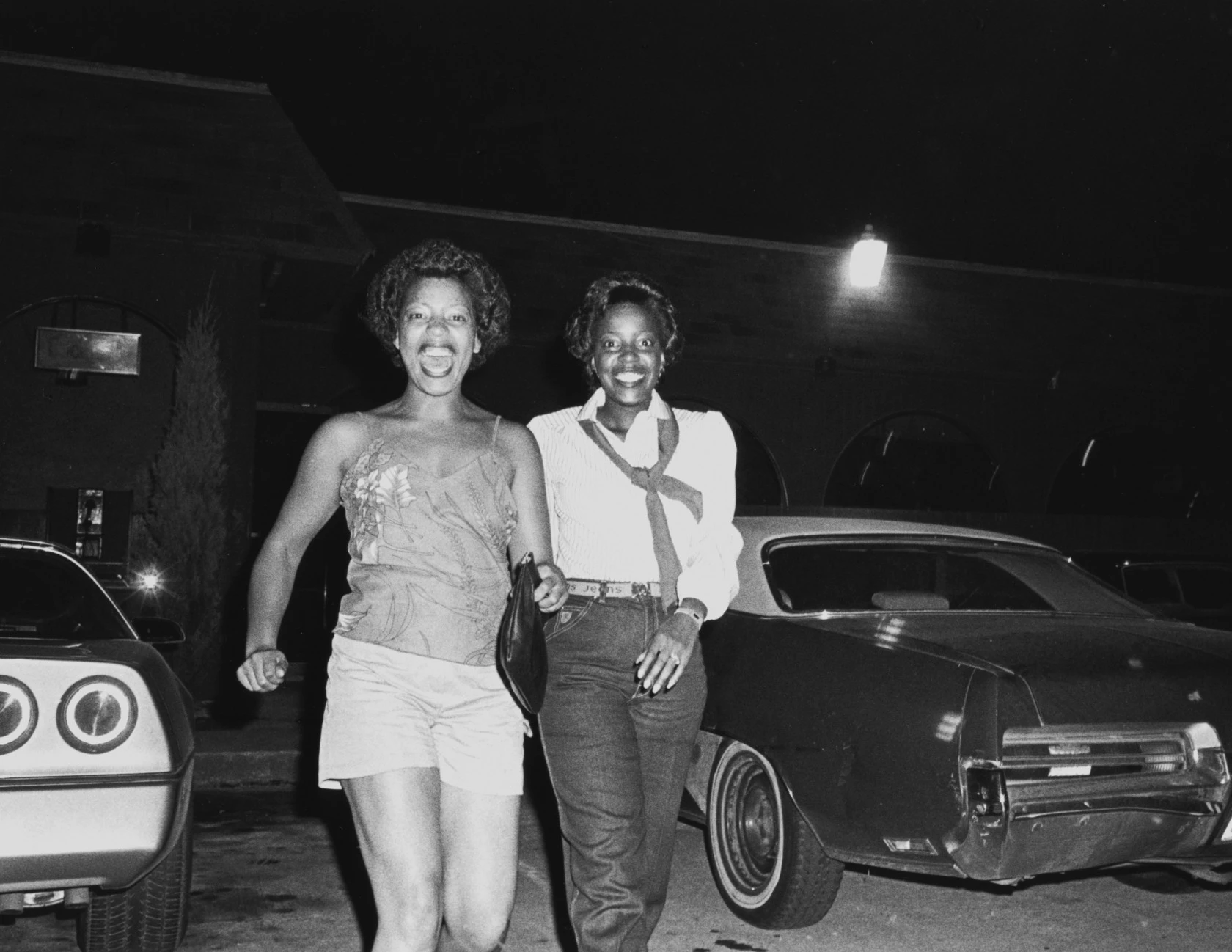
Welcome Home, 1978–84; from the series Family Pictures and Stories © Carrie Mae Weems and reproduced courtesy the artist and Gladstone, New York, Fraenkel Gallery, San Francisco, and Galerie Barbara Thumm, Berlin
Carrie Mae Weems. The Heart of the Matter
C/O Berlin | Amerika Haus, Hardenbergstraße 22–24, 10623 Berlin
September 12, 2026 – February 3, 2027
Kreuzberg: Kunst und Migration seit 1960 (Art and Migration since 1960)
Kreuzberg is one of the few places that embodies the social and cultural transformations that occurred in West Germany during the 1960s and 1970s. Following the construction of the Berlin Wall in 1961, the district found itself on the outskirts of West Berlin. Its low rents, vacant buildings, and limited institutional interest made it a destination for migrant workers, students, artists, and squatters. A project opening at the Gropius Bau on September 10 will use this history as a starting point to trace more than sixty years of artistic production connected to migration. The exhibition will feature approximately 130 works by over 40 artists, including paintings, photographs, sculptures, installations, films, videos, and sound pieces. Themes addressed include labor, racism, exile, the housing crisis, bureaucracy, belonging, and political participation.
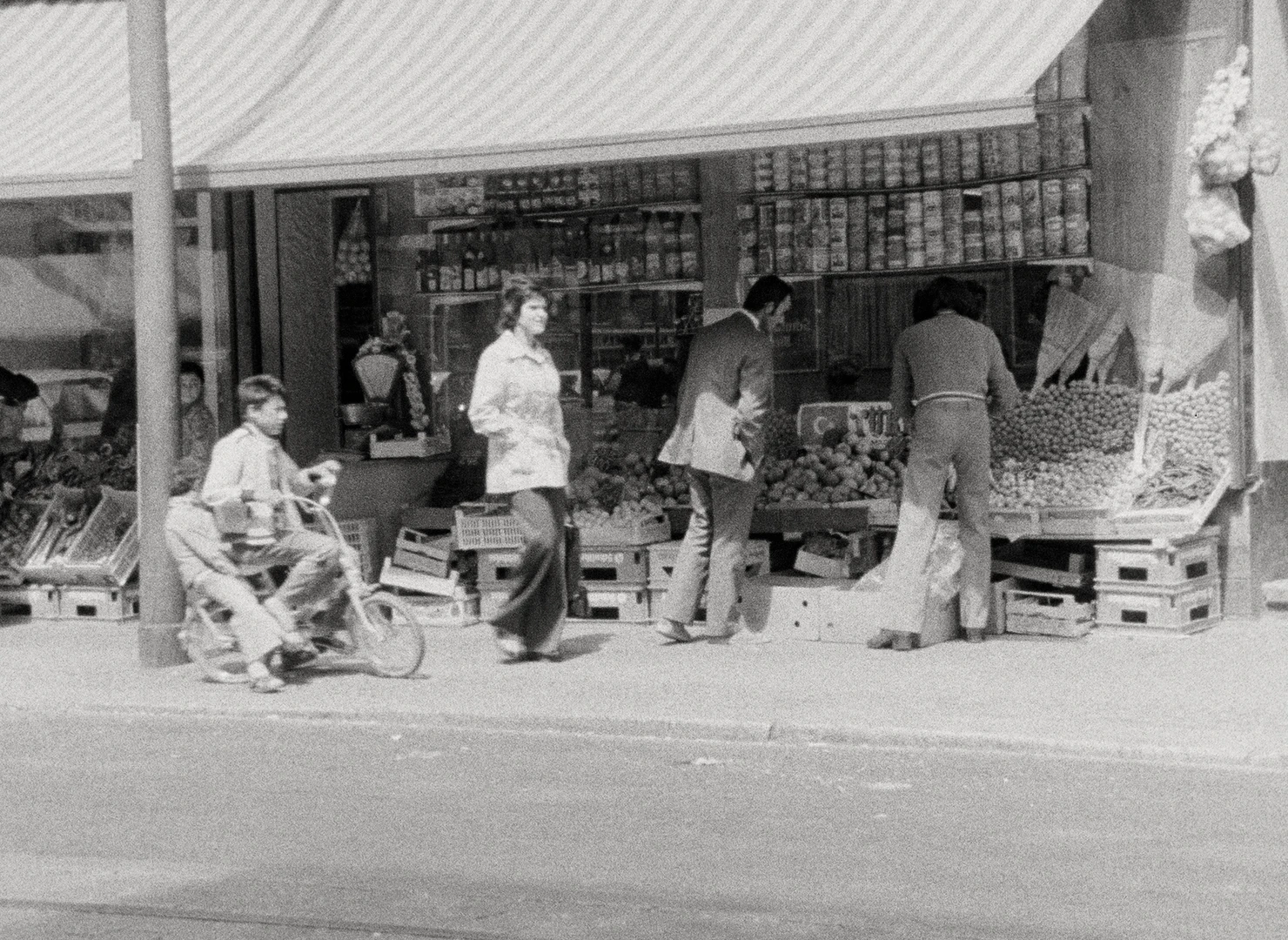
Mehrangis Montazami-Dabui, Analphabeten in zwei Sprachen, 1975, courtesy: Film Distribution of Deutschen Kinemathek – Museum für Film und Fernsehen © Mehrangis Montazami-Dabui
At the heart of the exhibition are the experiences of the so-called "guest workers," who arrived in Germany through recruitment agreements with Turkey, Italy, Greece, South Korea, and the former Yugoslavia. Kreuzberg: Art and Migration since 1960 also explores stories of displacement and diaspora resulting from dictatorships, persecution, and war. Historical works by Vlassis Caniaris, Hanefi Yeter, Azade Köker, Sarah Haffner, and Monika Sieveking are presented alongside contemporary pieces and new commissions by Nuray Demir, Pınar Öğrenci, Kaya Behkalam, and Aykan Safoğlu. The project’s exploration of the connection between migration and representation is particularly significant. In Analphabeten in zwei Sprachen (1978), Yeter explores the challenges faced by a generation raised in both German and Turkish cultures. In Akkordarbeiterin (1987), Azade Köker portrays the female worker's body as an extension of the industrial machine while denouncing wage disparities. Meanwhile, Atiye Altul’s self-portraits assert the possibility of escaping imposed identities and reclaiming control over one’s own image. Bureaucracy emerges as another apparatus of power. In Hopscotch (1974), Caniaris transforms the regulations governing migrant workers' lives into a game-like grid, offering a bitter metaphor for lives determined by permits, stamps, deadlines, and deportation. Alongside its historical dimension, the group show emphasizes continuities with the present. Unresolved issues include access to housing, discrimination, the right to the city, queer representation, and institutional inequalities. For example, Nuray Demir’s new installation, Gossip Girls (2026), recovers the memory of Berlin’s queer migrant spaces, highlighting their cultural significance and ongoing marginalization. The exhibition is curated by Gürsoy Doğtaş, art historian and Creative Mediator, Manifesta 16, and Patrizia Dander, Deputy Director of Curatorial Affairs, Gropius Bau, with Sonja Borstner and Elena Franziska Setzer, Assistant Curators, Gropius Bau.
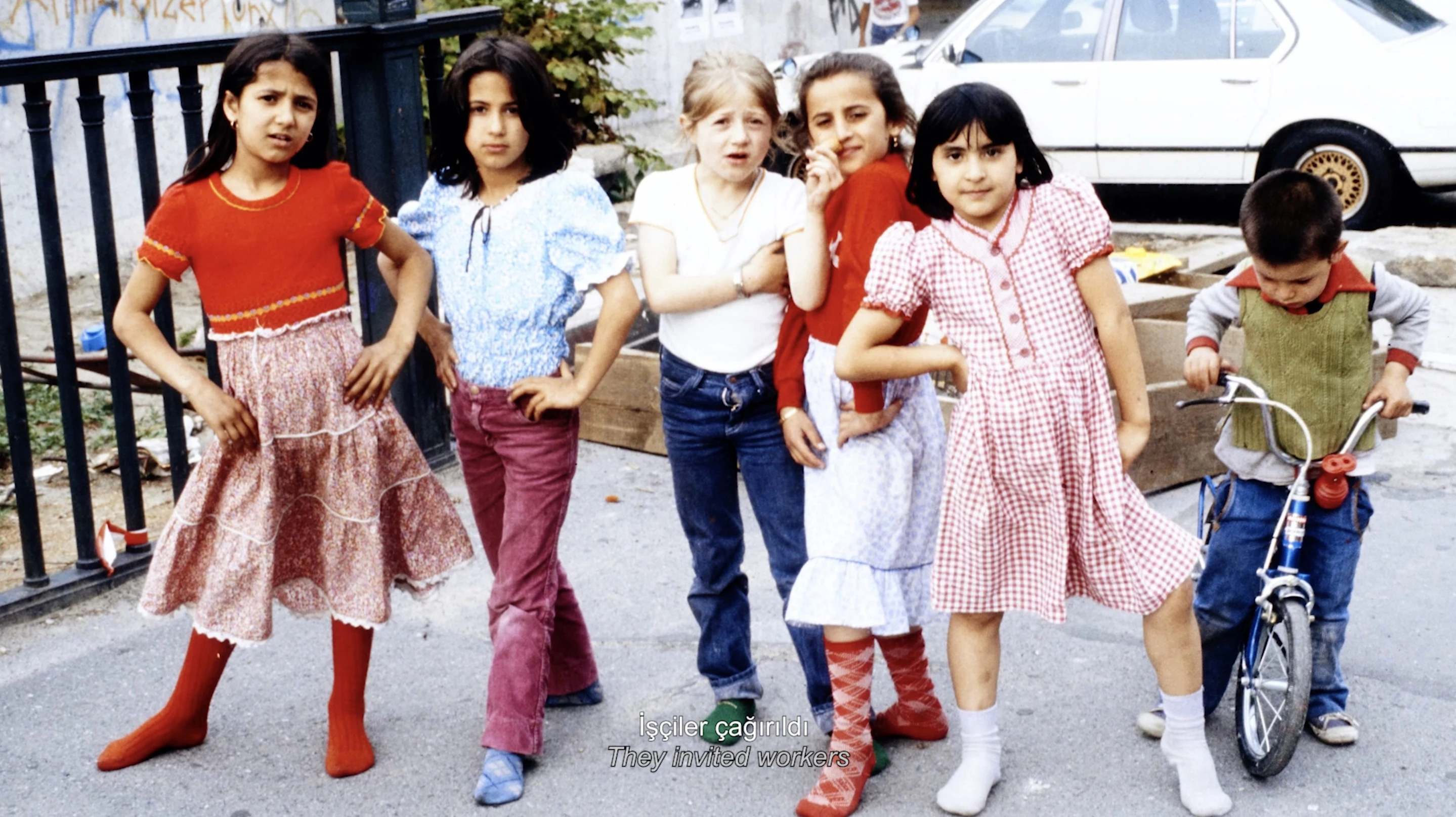
Mehrangis Montazami-Dabui, Analphabeten in zwei Sprachen, 1975, courtesy: Film Distribution of Deutschen Kinemathek – Museum für Film und Fernsehen © Mehrangis Montazami-Dabui
Kreuzberg: Kunst und Migration seit 1960 (Art and Migration since 1960)
Gropius Bau | Niederkirchnerstraße 7, 10963 Berlin
September 10, 2026 – January 17, 2027
Clemen Parrocchetti. Un orlo a giorno per il mio diario (A Hemstitch a Day for My Diary)
Needles, thread, spools, bobbins, fabrics, and kitchen utensils. Clemen Parrocchetti (1923–2016, Milan, Italy) found the tools to create one of the most radical forms of Italian feminist art in the realm of domestic labor. For Berlin Art Week, ChertLüdde revisits the Milanese artist's work in Un orlo a giorno per il mio diario (A Hemstitch a Day for My Diary), the gallery's second solo show dedicated to Parrocchetti. Spanning two decades of her work, the exhibition returns the female body to the center as a territory of desire, conflict, and power. Parrocchetti trained at the Brera Academy, graduating with a degree in painting in 1956. She moved through Existential Realism during the 1960s before developing an increasingly abstract and surreal pictorial language. However, it was her encounter with feminism in the 1970s that produced the decisive rupture. As if the canvas were no longer enough, she incorporated fabrics, embroidery, and everyday objects into her work. She appropriated, manipulated, and ultimately subverted everything that had defined the boundaries of "proper femininity" for centuries. Using tools traditionally associated with care and domestic discipline, Parrocchetti addressed female subordination, reproductive rights, marriage, divorce, violence, and sexual liberation.
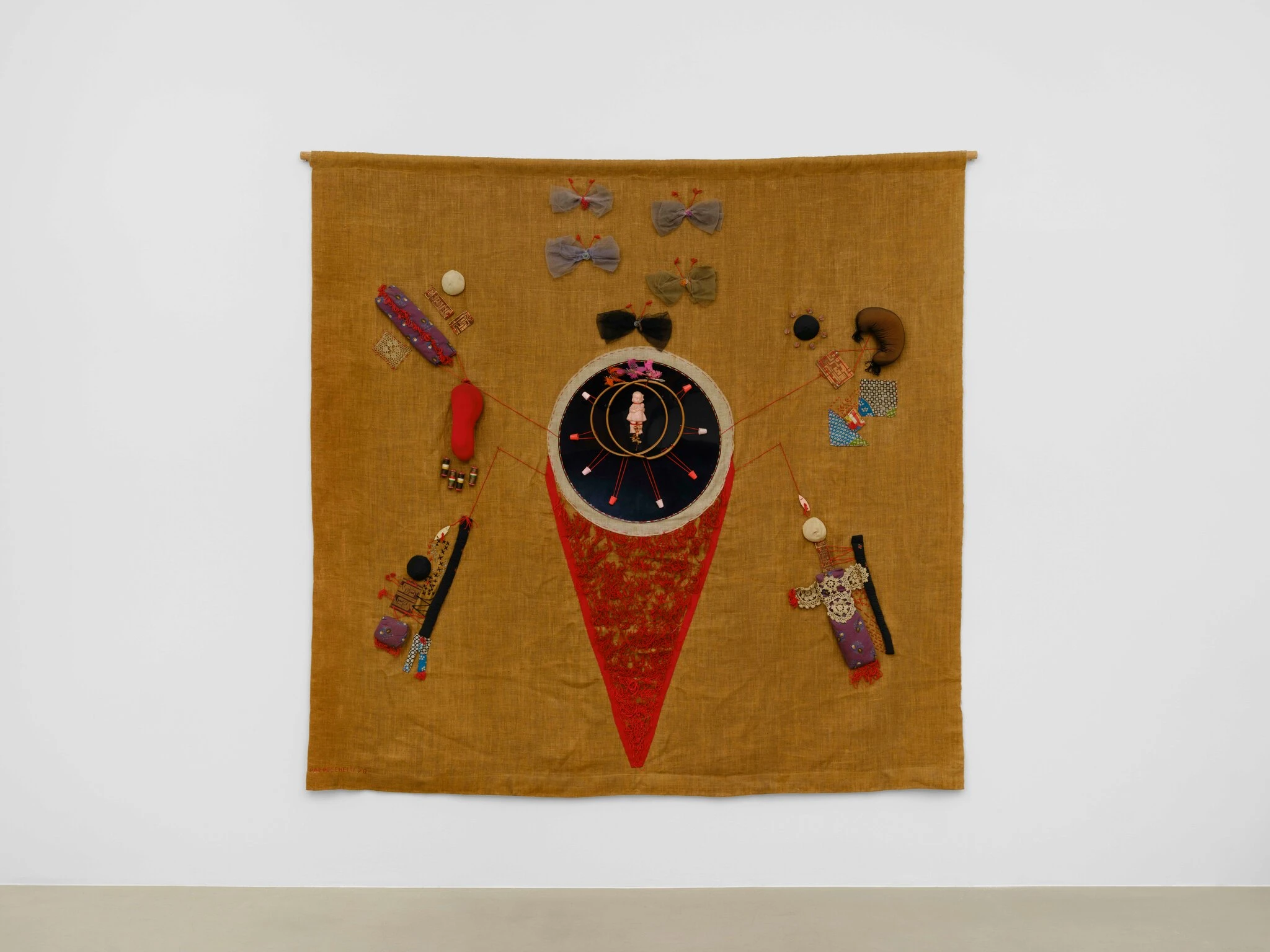
Clemen Parrocchetti, "Telaio infranto (Il cuore della vita) / Broken Frame (The Heart of Life)", 1978; Photo by Marjorie Brunet Plaza, Courtesy of ChertLüdde, Berlin and Clemen Parrocchetti Archive, Borgo Adorno AL
Thus, the private sphere revealed its political nature, and needles, threads, and fabrics lost any trace of innocence. They became a language of dissent characterized by humor, eroticism, and aggression. The exhibition focuses on the triangle, a recurring motif in the artist’s work that formally evokes the female body and sexuality. Examples of this motif include the 1978 wooden screen Triangolo rovesciato (Le Barriere) [Inverted Triangle (The Barriers)] and the mixed-media tapestry Telaio infranto (Il cuore della vita) [Broken Frame (The Heart of Life)]. Through forms and materials, the fragmented and implied body becomes a space where social constraints and possibilities for emancipation are inscribed. 1978 was a pivotal year in Parrocchetti’s life. She joined the Gruppo Immagine of Varese and participated in the Venice Biennale. She became fully involved in the collective and militant dimension that characterized a significant part of Italian feminist culture at the time. Nevertheless, her work maintained strong autonomy, overlapping autobiography, formal experimentation, and activism without ever resolving into a purely programmatic language. The 2026 monograph Clemen Parrocchetti, edited by Marco Scotini and Stefania Rispoli and published by Dario Cimorelli Editore, contributes to this renewed reading of her work by highlighting a practice that has long been relegated to the margins of official art history.
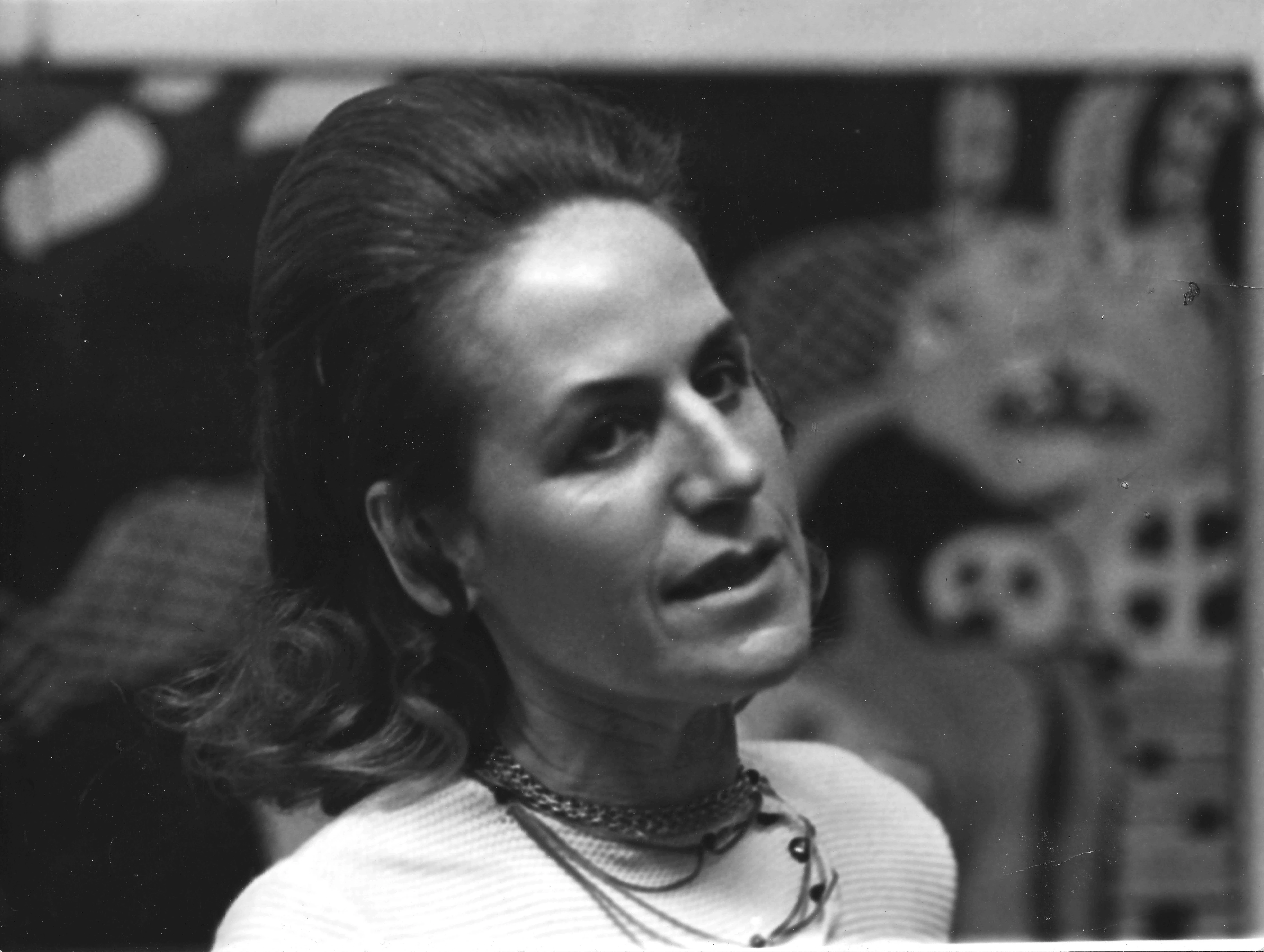
Clemen Parrocchetti, Milan, 1974. Courtesy of ChertLüdde, Berlin and Clemen Parrocchetti Archive, Borgo Adorno AL
Clemen Parrocchetti. Un orlo a giorno per il mio diario (A Hemstitch a Day for My Diary)
CHERTLÜDDE | Hauptstrasse 18, 10827 Berlin
September 11 – October 24, 2026
POSITIONS Berlin Art Fair
From September 10 to 13, Hangars 5 and 6 of the former Tempelhof Airport will host the thirteenth edition of the POSITIONS Berlin Art Fair. The fair will bring together 96 galleries from 20 countries. POSITIONS has been an official partner of Berlin Art Week since 2014 and is currently its only art fair. It has established itself as a key fixture on the city’s contemporary art calendar.The event continues to build on the formula that has shaped its identity: close encounters between modern and contemporary art, established and emerging practices, collecting, and experimentation. Spanning more than 10,000 square meters, the hangars at Tempelhof provide the setting. With their sixteen-meter-high ceilings and abundant natural light, the former airport infrastructure takes on an almost museum-like quality. Special exhibitions, awards, talks, and events dedicated to collectors expand the fair’s offering.
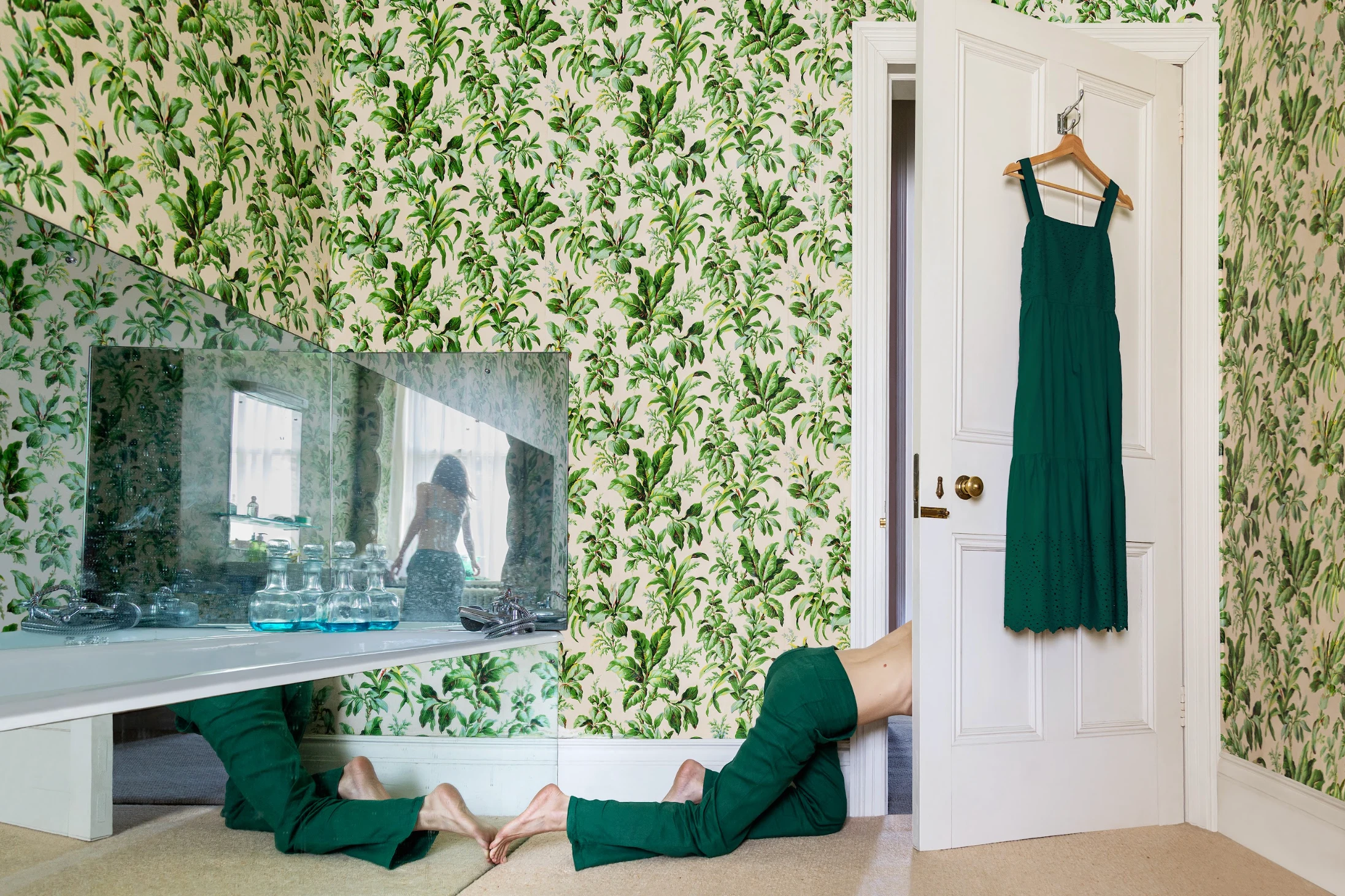
Małgorzata Dawidek, Holding Patterns, 2025. Courtesy VAN RIJ GALLERY
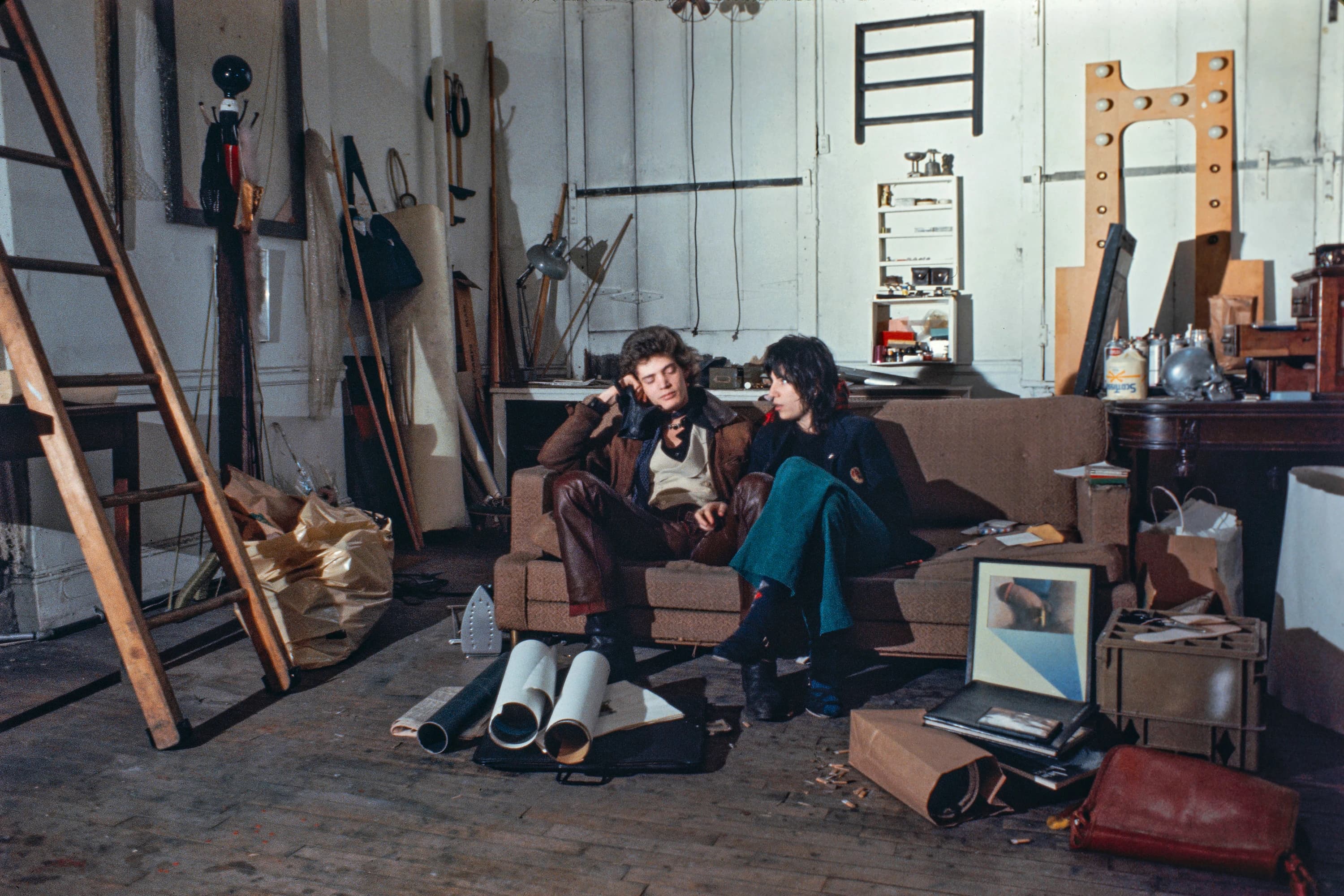
This year, the program places particular emphasis on the Turkish art scene. The international character of the initiative is evident in the diversity of the artworks on display. The Berlin-based Galerie FWR is presenting Albert Scopin’s photographs of 1960s-era New York and life at the Chelsea Hotel. Using a Kodak Instamatic, the artist transformed the camera into an inconspicuous presence, capturing these images. The Seoul-based Iseurrat Artroom is showcasing Hyeonkyeong You, whose paintings explore memory, vulnerability, and solitude by depicting faces that appear to dissolve into fields of color. The Latvian gallery Maksla XO is featuring Arturs Bērziņš, who works in both photography and painting. His hybrid images investigate the relationship between nature, culture, and the stratification of time. Chai Chiau-Syan uses urban architecture as a device for observation in her ceramics; meanwhile Susanne Piotter uses concrete to reflect on the ambivalences of built modernity, including housing utopias, monumentality, and traces of failure. In Ernstina Eitner’s work, meanwhile, traditional techniques such as embroidery, raffia work, and woodworking acquire an autobiographical dimension. They recover a family memory shaped by migration, deportation, and continual new beginnings. The eighth edition of FASHION POSITIONS returns alongside art with a project founded in 2019 that approaches fashion as a cultural practice rather than a mere product. Twenty-two independent labels, selected by curators Diandra Donecker and Dao Tran, will present works that explore material experimentation, craftsmanship, formal research, and social issues. Rather than a traditional runway show, the collections are conceived as installations or authorial statements within the exhibition space.The project also features One Person, One Voice, a photographic series by Claudia Malecka dedicated to mental health in the fashion industry. This selection highlights the fair’s interdisciplinary nature, viewing the contemporary world not through rigid categories, but by fostering dialogue between works, objects, bodies, and creative practices.
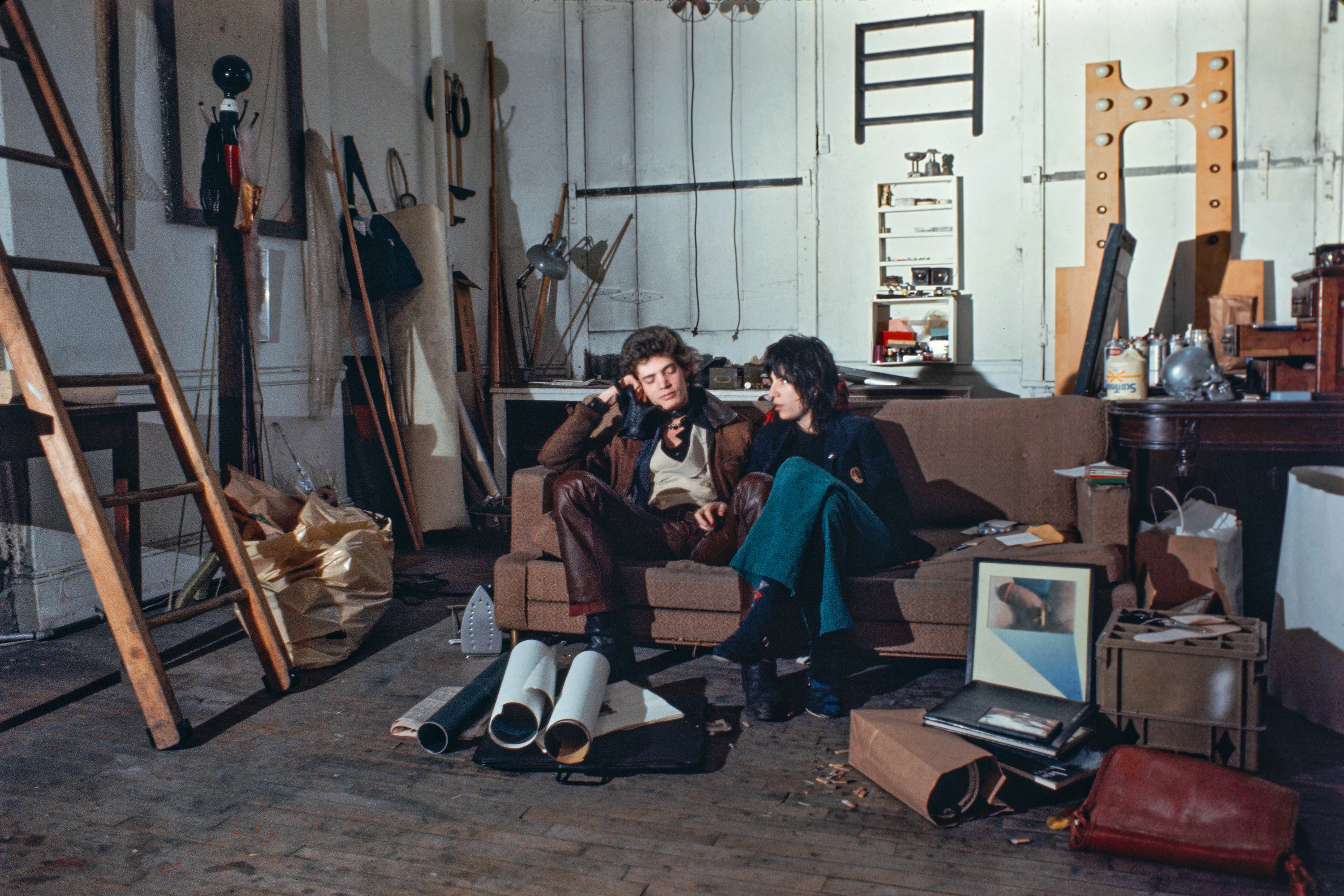
Albert Scopin, Series Chelsea Hotel, Robert Mapplethorpe & Patti Smith, 1970.
POSITIONS Berlin Art Fair
Tempelhof Airport, Hangars 5–6
September 10–13, 2026