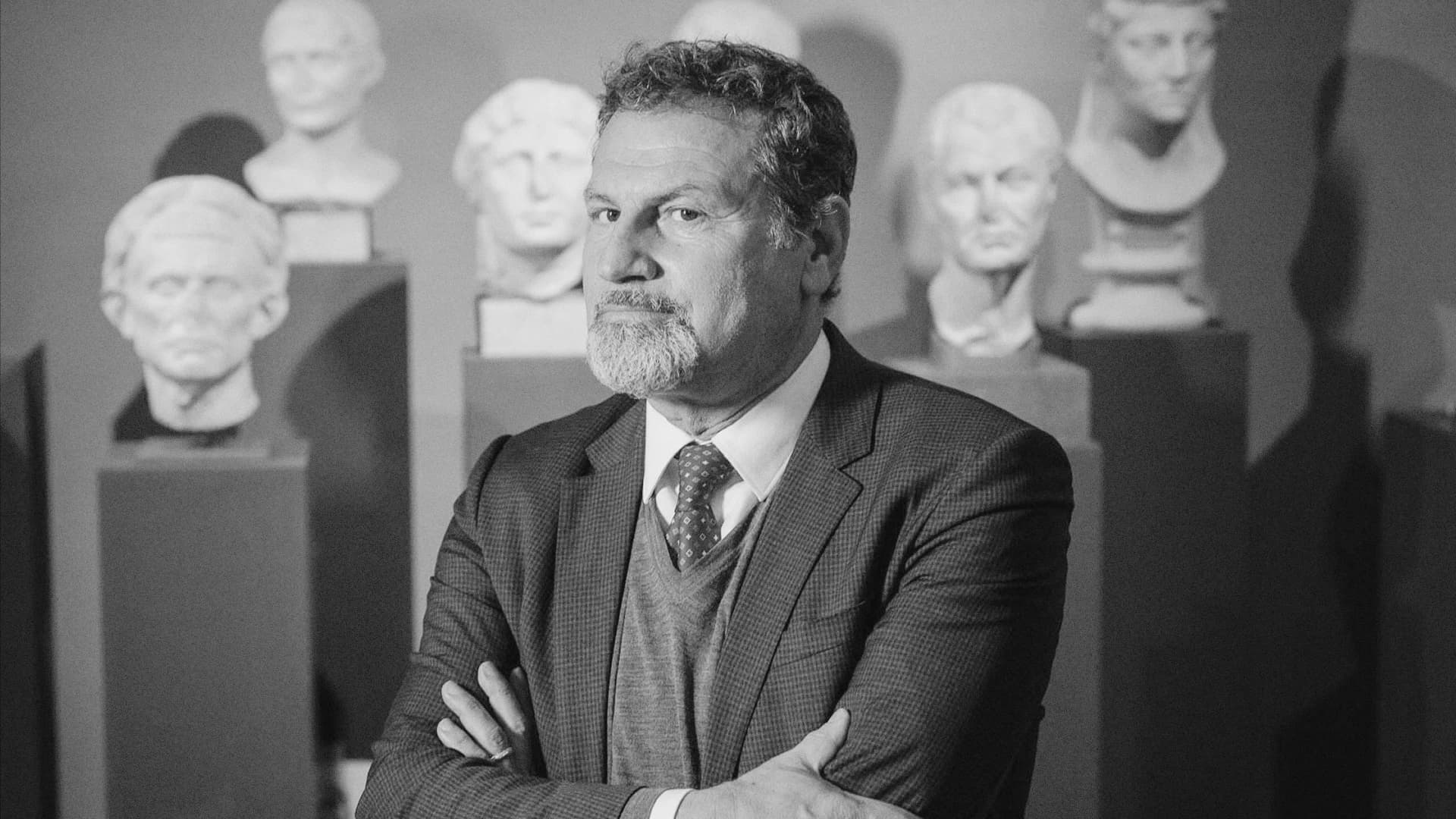
Massimo Osanna stands arms crossed among classical marble busts in a black-and-white portrait
12 min

21.08.2026

Archaeology as a Living Force: Massimo Osanna

By Ruslan Khabiev

An in-depth conversation with Massimo Osanna about archaeology, cultural heritage, and his vision for integrating museums, cinema, theatre and music.

By Ruslan Khabiev

As the archaeologist who led Pompeii’s renaissance and now serves as Head of the Department of Cultural Activities at the Italian Ministry of Culture, overseeing Italy’s museums and performing arts, Massimo Osanna has a rare platform to reshape how we experience cultural heritage. This interview explores his philosophy of conservation as an act of living culture – and why cinema, theatre and archaeology are not separate pursuits, but expressions of the same vision.
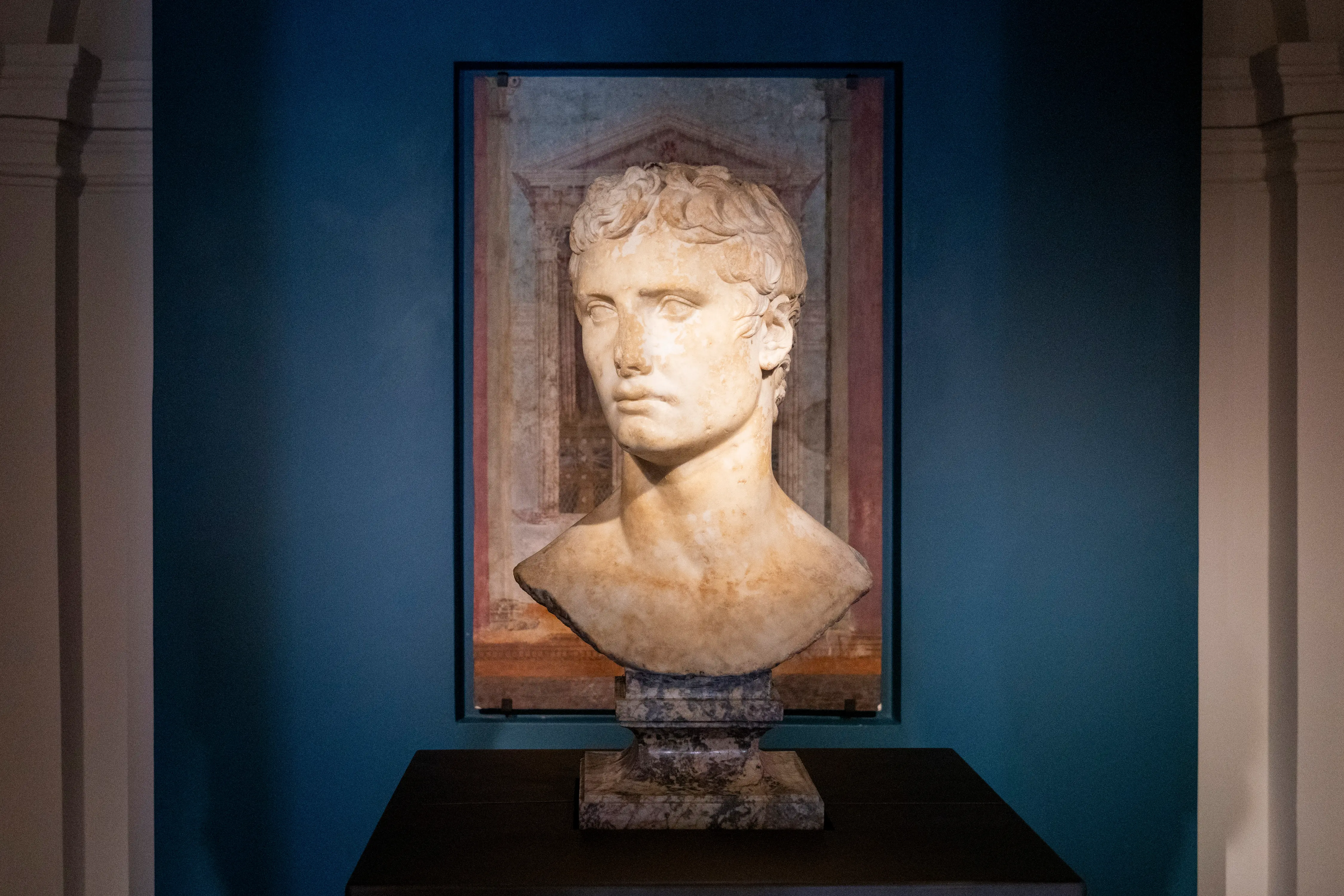
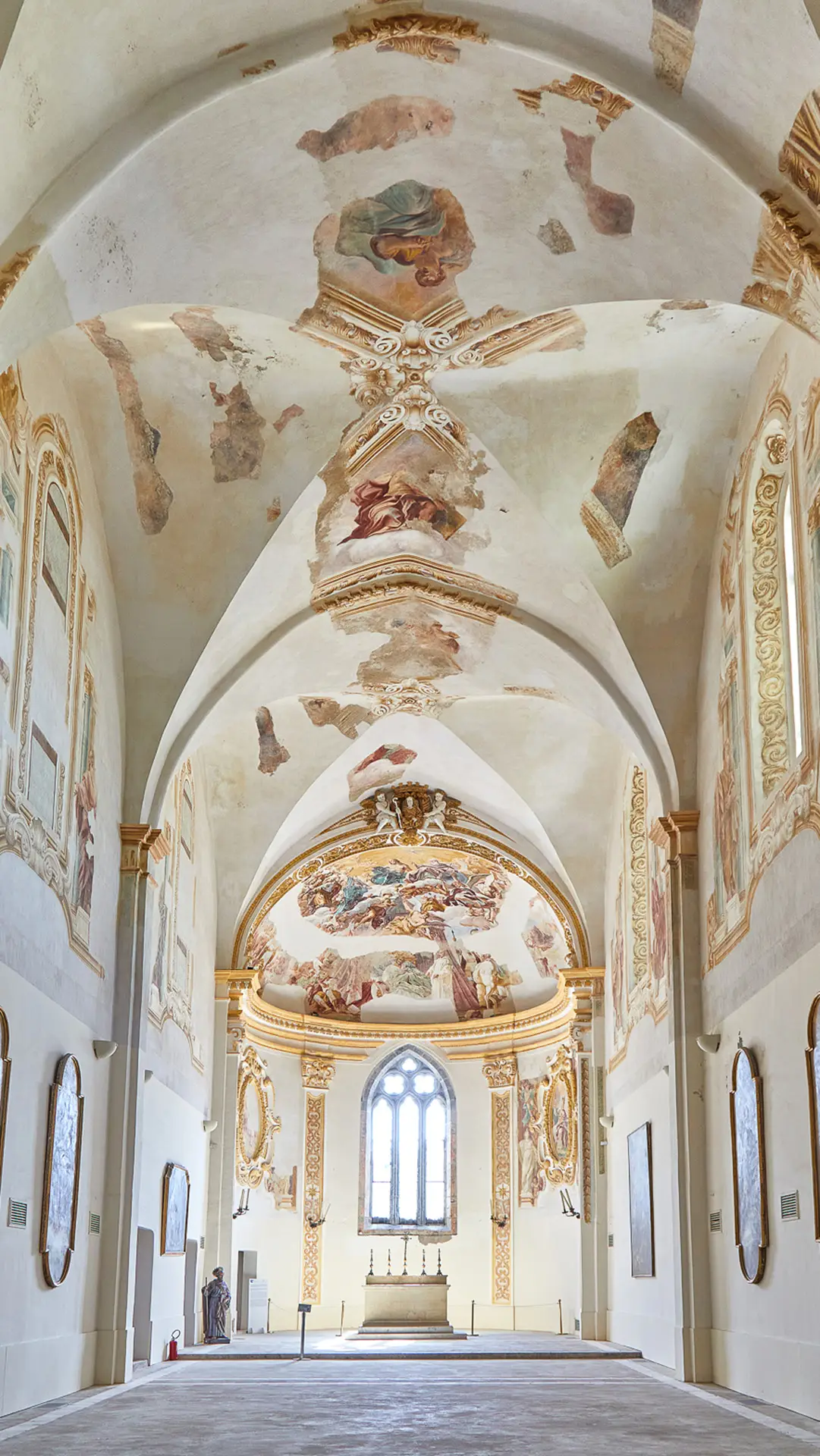
Archaeological Museum of Capri


I'd love to hear a bit about your childhood. Was there a particular moment when your fascination with archaeology and history first took hold?

I don't think there was a single defining moment. I didn't discover archaeology through books or at school. I grew up in Venosa, in southern Italy, where the past was simply part of everyday life. Ancient ruins, the Jewish catacombs, medieval remains and Roman archaeology weren't places I discovered later; they formed the landscape of my childhood.

At that time, children could still roam freely among archaeological remains. Looking back, I realise how extraordinary that experience was. We explored those places with the natural curiosity of children, without fully understanding their historical significance. It gave me a direct, unmediated relationship with the ancient world, one that has stayed with me ever since. It also taught me something that has guided me throughout my career: the past is never separate from the present. The places we inherit continue to shape the identity of the communities that live around them.

Archaeology never felt distant or abstract. It was alive, woven into the identity of a place and its people. Looking back, I realise that my childhood shaped the course of my life without ever leaving me with doubts or second thoughts. I never experienced archaeology as a calling or a sudden revelation. Becoming an archaeologist simply felt like the most natural continuation of a relationship with the past that had always been there, and of a curiosity about the stories that places and people carry across generations.

​

​

Just a couple of months ago, you took on leadership of a new department overseeing cinema, theatre, music, and libraries, a very different scale from museums. How have these first weeks in the new role felt for you?

In many ways, it has felt less like stepping into a completely new field than continuing the same journey from a broader perspective. Over the years, I have come to see museums not simply as places of conservation, but as spaces where research, education and cultural production come together. That same belief naturally extends to cinema, theatre, music, books, architecture, photography and all the other forms of creativity that the Department brings together.

What has changed is not the underlying vision, but the scale. Today I have the opportunity to work across a much broader cultural ecosystem, in which different disciplines enrich one another and heritage and contemporary creativity become part of the same conversation.

I also see this role as an opportunity to strengthen the connections between institutions, artists, researchers and communities. Culture flourishes when knowledge circulates, when different forms of expression engage with one another, and when people are encouraged not only to experience culture, but also to take part in it.

At its core, whether we are preserving an archaeological site, supporting a theatre production, promoting a film, encouraging reading or investing in contemporary creativity, we are pursuing the same goal: ensuring that culture remains a living public good, capable of generating knowledge, dialogue and shared experiences for society.

​

​

You've spent your career surrounded by ancient stone and slow time. Does that background shape how you approach something as fast-moving as cinema and the performing arts?

I've never thought of archaeology as the study of the past alone. For me, it has always been a way of understanding the present. Every monument, every work of art and every place we now call heritage was once contemporary. They were created by people responding to the questions, aspirations and imagination of their own time, just as filmmakers, musicians, writers and performers do today.

Over the years, I've come to see research as the starting point for everything we do. Museums and places of culture do more than preserve heritage; they continuously generate new knowledge. That ongoing process of discovery makes meaningful conservation possible, deepens our understanding and ultimately makes cultural heritage truly accessible and shared. Museums, archaeological sites, historic palaces, libraries and gardens are therefore not static repositories, but living institutions: places where knowledge is created, communities come together and culture continues to evolve.

This is also how I see the relationship between heritage and the performing arts. Historically, many of these places were conceived as spaces for music, theatre, celebration and the exchange of ideas. Bringing those artistic forms back into them is not about adding something new. It is about restoring one of their original functions, provided that every programme grows out of a genuine understanding of the place itself and respects its identity and spirit.

From this perspective, my current role feels less like a change of direction than the natural continuation of the same journey. Caring for cultural heritage and supporting artistic creation are not separate missions. They are part of the same cultural policy, one that brings together research, creativity and communities.

Ultimately, I believe that conservation achieves its fullest meaning when it enables heritage places to continue generating culture. Whether we are talking about archaeology, cinema, theatre or music, our responsibility is the same: to ensure that culture remains a living force, capable not only of preserving memory, but also of creating new knowledge, new experiences and new ways of understanding ourselves and the world around us.

​

​

Before leaving your role as Director General of Museums, you helped oversee the transfer of the François Tomb frescoes to the National Etruscan Museum of Villa Giulia. Was that a symbolic gesture before the end of your tenure, or simply a coincidence?

I wouldn't describe it as a symbolic gesture. Rather, it was the natural conclusion of a long and complex process that brought together many people and institutions around a shared goal.

What mattered most to me was not the timing, but the significance of the achievement. The acquisition of the François Tomb frescoes marked the culmination of a journey that had lasted for more than a century, finally returning one of the masterpieces of ancient painting to public ownership. It also reunited this extraordinary work with the museum best placed to preserve, study and present it within the broader story of Etruscan civilisation.

More broadly, I've come to believe that the true value of cultural heritage lies not only in its conservation, but in making it accessible. When an important work enters a public collection, it becomes available not only for research, but also for education, interpretation and shared experience. In that sense, the François Tomb is no longer simply an exceptional archaeological discovery; it has become part of our shared cultural heritage, accessible to present and future generations.
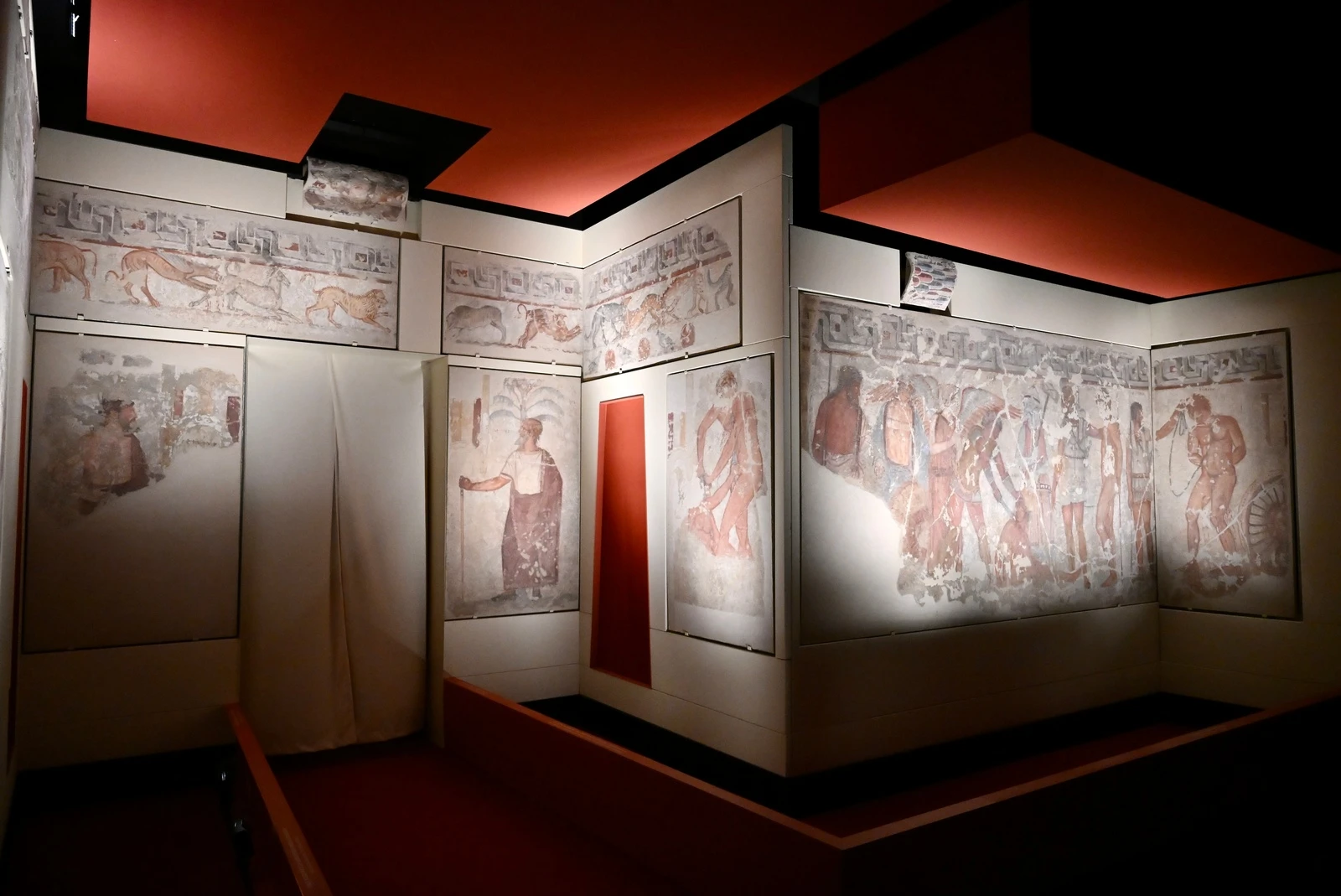
Tomba Franois fresco panels displayed in dramatic red-lit museum gallery, ancient Etruscan figures and animals, photo by Valentina Sensi

Frescoes Tomba François, no. 4. Photo by Valentina Sensi


You're often described as the man who brought Pompeii back to life. Looking back on those seven years, is there a particular moment you remember with special fondness?

Looking back, I think what I remember most fondly is the moment when Pompeii was able to move beyond the emergency that had defined it for so long. When I arrived, the first responsibility was to secure the site, restore what was at risk and rebuild the conditions for its proper care. Seeing that work gradually make it possible to return to research and excavation was deeply rewarding.

Pompeii also taught me how fragile what we tend to think of as eternal can be. The catastrophe that destroyed the city is also what preserved it, but once brought back to light its buildings, paintings and even the smallest traces of everyday life require constant care. During the excavations in Regio V, for example, we found a simple charcoal inscription dated 17 October. Something so ephemeral had survived for almost two thousand years and contributed to reopening the discussion about the date of the eruption. It is in details like this that the extraordinary proximity of the past at Pompeii becomes almost tangible.

I spent seven very intense years there, and Pompeii became a place to which I remain deeply attached. What stays with me most is the experience of seeing conservation create the conditions for new knowledge: a site once associated with collapse and emergency becoming again a place of research, questions and discovery. For an archaeologist, it was a rare privilege to be part of that process.

​

​

In Mondo Nuovo, you turned to the origins of Magna Graecia. What made you want to write about that particular period?

I wanted to challenge a way of looking at Magna Graecia that has often focused almost exclusively on the idea of Greek colonisation. Archaeology tells a much richer and more complex story. What emerges is not a one-way movement of people, but a continuous process of encounter, exchange and transformation between the Greeks and the communities already living in southern Italy.

That perspective has shaped my work over the years. I've come to see archaeology as a science of the present. We study the past not simply to reconstruct what happened, but to better understand who we are, where we come from and how cultural identities are formed. Magna Graecia is a wonderful example because it reminds us that identities are never fixed. They emerge through dialogue, interaction and, at times, even conflict.

One of the things I find most fascinating about archaeology is its ability to tell the stories of people who left few or no written records. Objects become voices. Pottery, landscapes, settlements and everyday artefacts preserve traces of relationships, exchanges and ways of life that would otherwise remain invisible. That is why, for me, archaeology is not simply about discovering objects; it is about understanding people.

In many ways, Mondo Nuovo is a book about connections. It invites us to see the ancient Mediterranean not as a mosaic of separate cultures, but as a network of relationships that gave rise to something entirely new. Culture does not emerge from isolated identities. It is shaped through the relationships that transform them. I believe this is one of the most enduring lessons of Magna Graecia, and one that remains profoundly relevant today.

Is there a place or monument in Italy you wish more people would discover, something lesser known, but especially close to your own heart?

It is almost impossible to choose just one place. Alongside its world-famous landmarks, there are countless heritage places beyond the main tourist routes that are equally capable of telling extraordinary stories. One of the challenges today is to encourage people to discover this broader cultural landscape, offering them a richer and more authentic experience of Italy while bringing greater attention to places and collections that deserve to be better known.

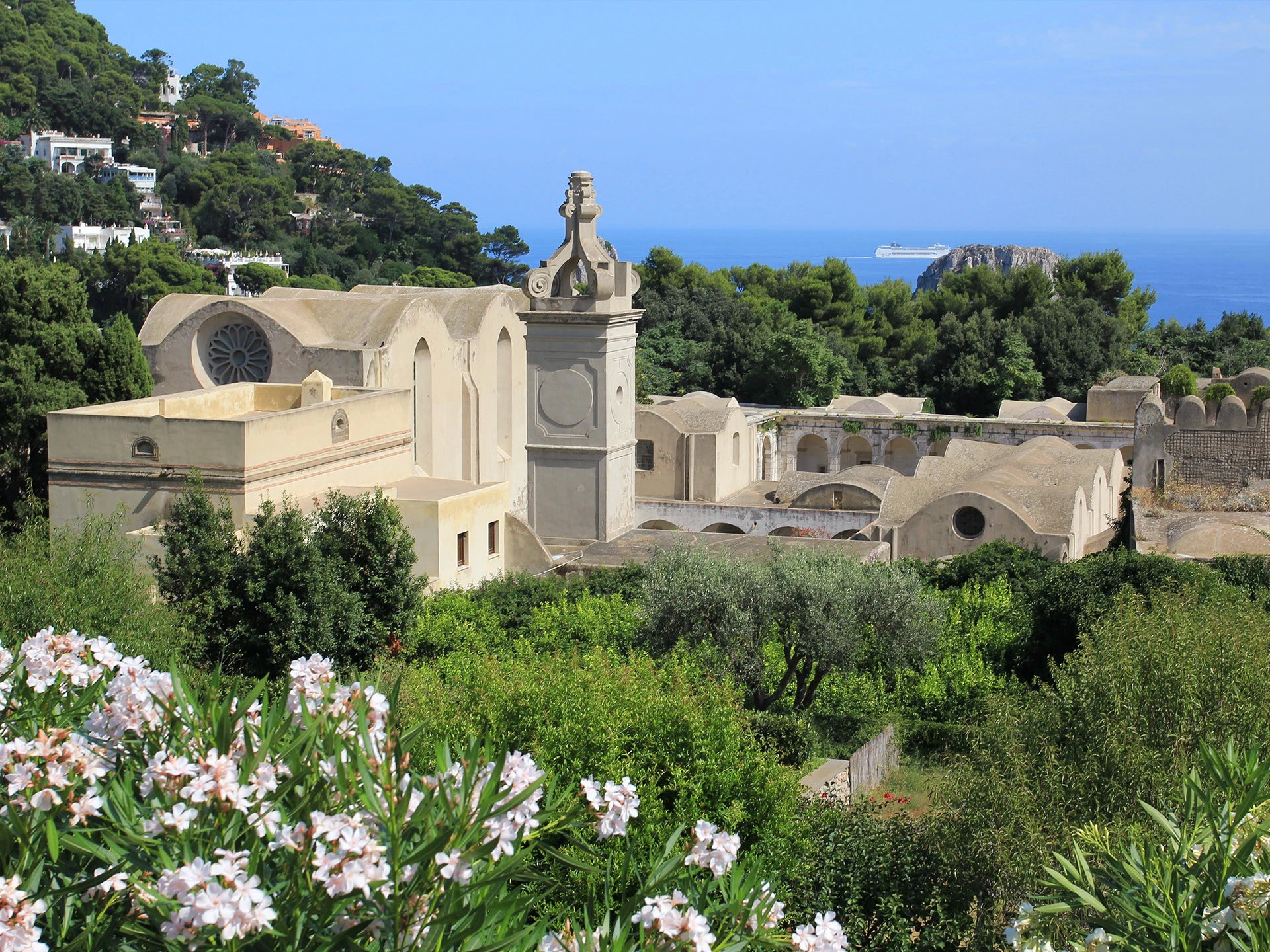
Capri Archaeological Museum historic stone building surrounded by lush gardens with Mediterranean sea views

Archaeological Museum of Capri


If I had to mention a few examples, I would begin with the new Archaeological Museum of Capri, housed in the Certosa di San Giacomo. Capri is known throughout the world and attracts millions of visitors, yet its extraordinary archaeological heritage remains much less familiar. What makes the museum particularly meaningful to me is that it has brought back into public view objects discovered on the island that had long been kept in museum storerooms. Through these works, many of them connected with the age of Augustus and Tiberius, we can tell another story of Capri, one that goes beyond its natural beauty and international reputation and reconnects the objects with the landscape and places from which they came. Together with Villa Jovis and the island's wider archaeological network, the museum offers a new way of understanding Capri through the many layers of its history.

Archaeological Museum of Capri


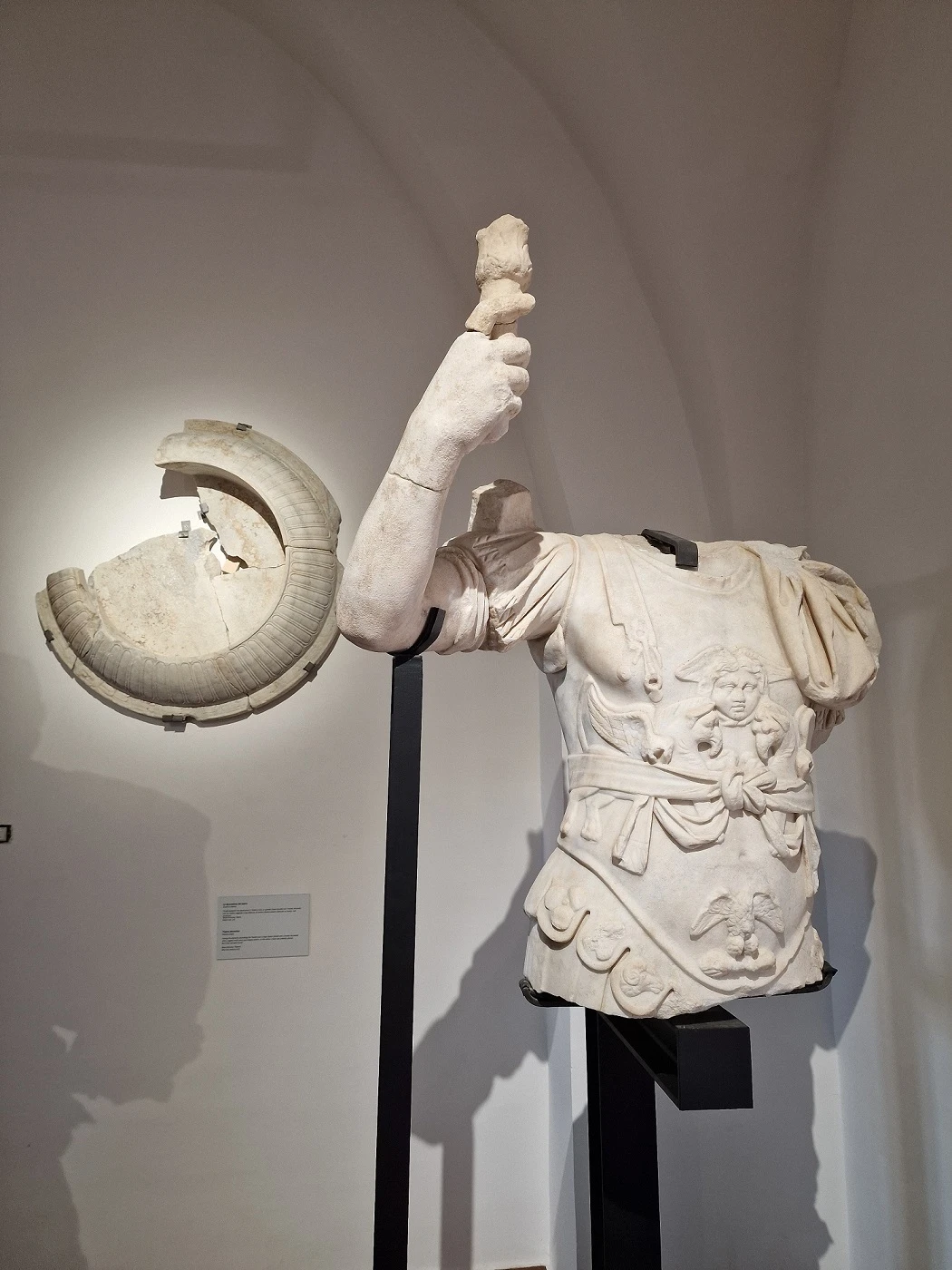
I feel a similar connection to the Archaeological Museum of Sessa Aurunca, another new museum that has brought to light a remarkable heritage that had remained largely hidden from public view. Its collections tell the history of the territory from the Ausoni-Aurunci to the Roman period, reconnecting archaeological objects with the communities and landscapes to which they belong. Sessa Aurunca is particularly close to my heart because the town made me an honorary citizen, a recognition I value deeply and that makes my relationship with this museum and its community especially meaningful.

Marble torso of Emperor Trajan with raised arm and clypeus, sculptural fragments from Roman theater of Sessa Aurunca

Marble clypeus and torso of Emperor Trajan, part of the sculptural decoration of the Roman theater of Sessa Aurunca, Archaeological Museum of Sessa Aurunca. Image © Ministero della cultura


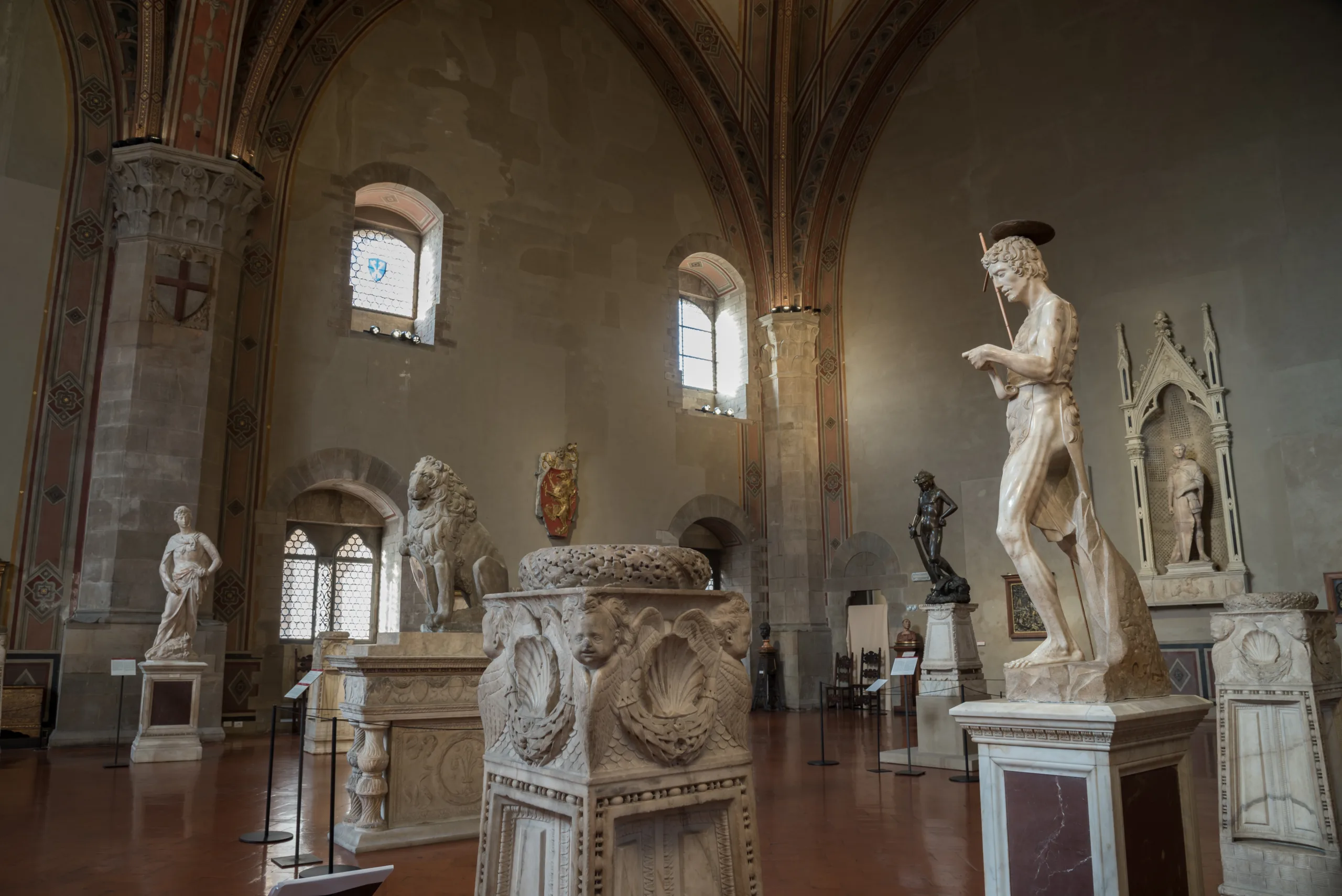
I would also mention the Museo Nazionale del Bargello in Florence, and in particular the Salone di Donatello, whose restoration and redisplay I had the privilege of coordinating. Bringing its extraordinary sculptures into a renewed, more accessible setting was another opportunity to show how a museum can offer new ways of seeing even works that have been known and admired for generations.

Museo Nazionale del Bargello, Salone di Donatello

Museo Nazionale del Bargello, Salone di Donatello. Image © Museo Nazionale del Bargello


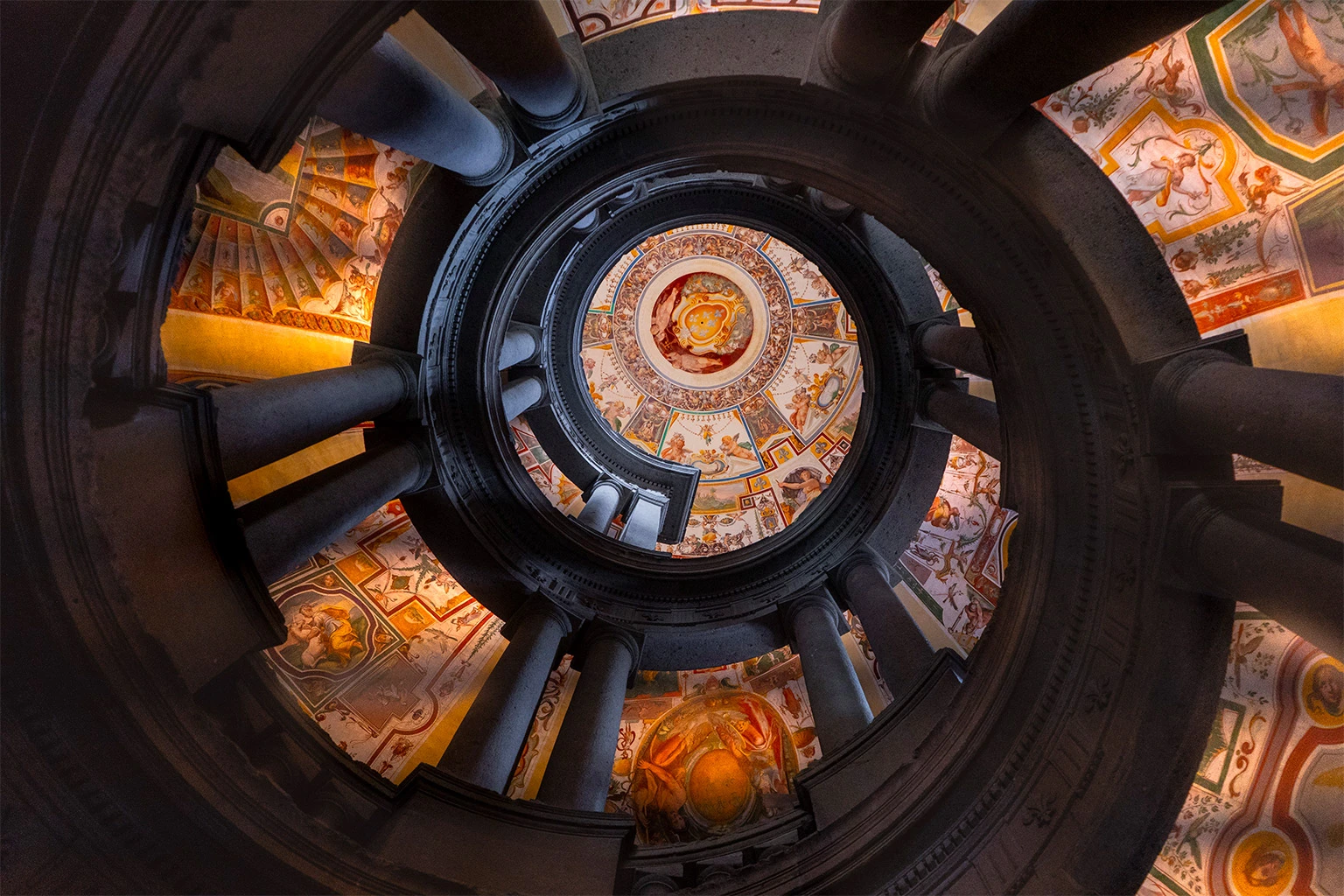
And then there is Villa Farnese at Caprarola, one of those extraordinary places where architecture, art, landscape and history come together so completely that the building itself becomes an experience. Places like these remind us that discovering Italy does not necessarily mean searching for something unknown. Sometimes it means looking again, with new eyes, at a heritage we thought we already knew.

Looking up through the spiral staircase of the Scala Regia, Palazzo Farnese Caprarola, with ornate Renaissance frescoes on the walls

Scala Regia, Palazzo Farnese a Caprarola. Image © © Ministero della cultura


What I hope, above all, is that people discover not just another monument, but another way of experiencing Italy: one in which every place becomes part of a larger story, and every journey becomes an opportunity to understand the extraordinary diversity of our cultural heritage.

Author

Ruslan Khabiev

Date

21.08.2026

Tags
Culture ResearcharchaeologyMassimo Osannacultural heritagemuseumsPompeiiarchaeological conservationMagna GraeciaItalian archaeologycultural institutionsexhibition design