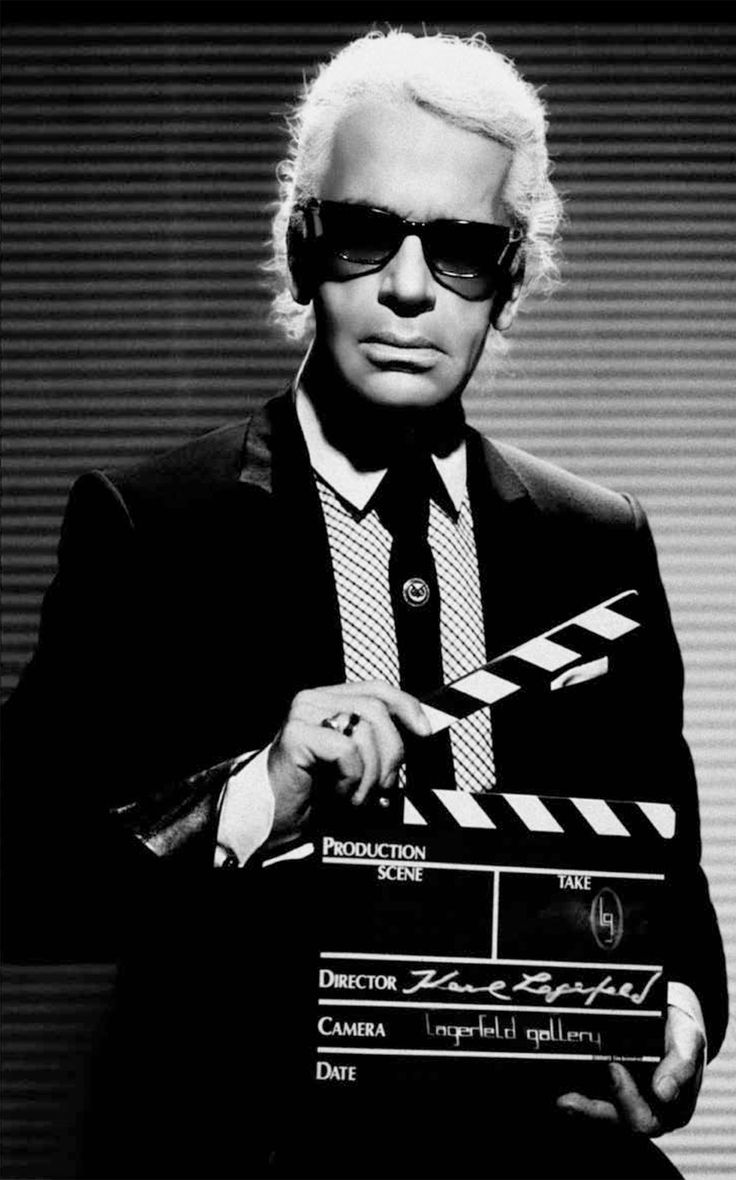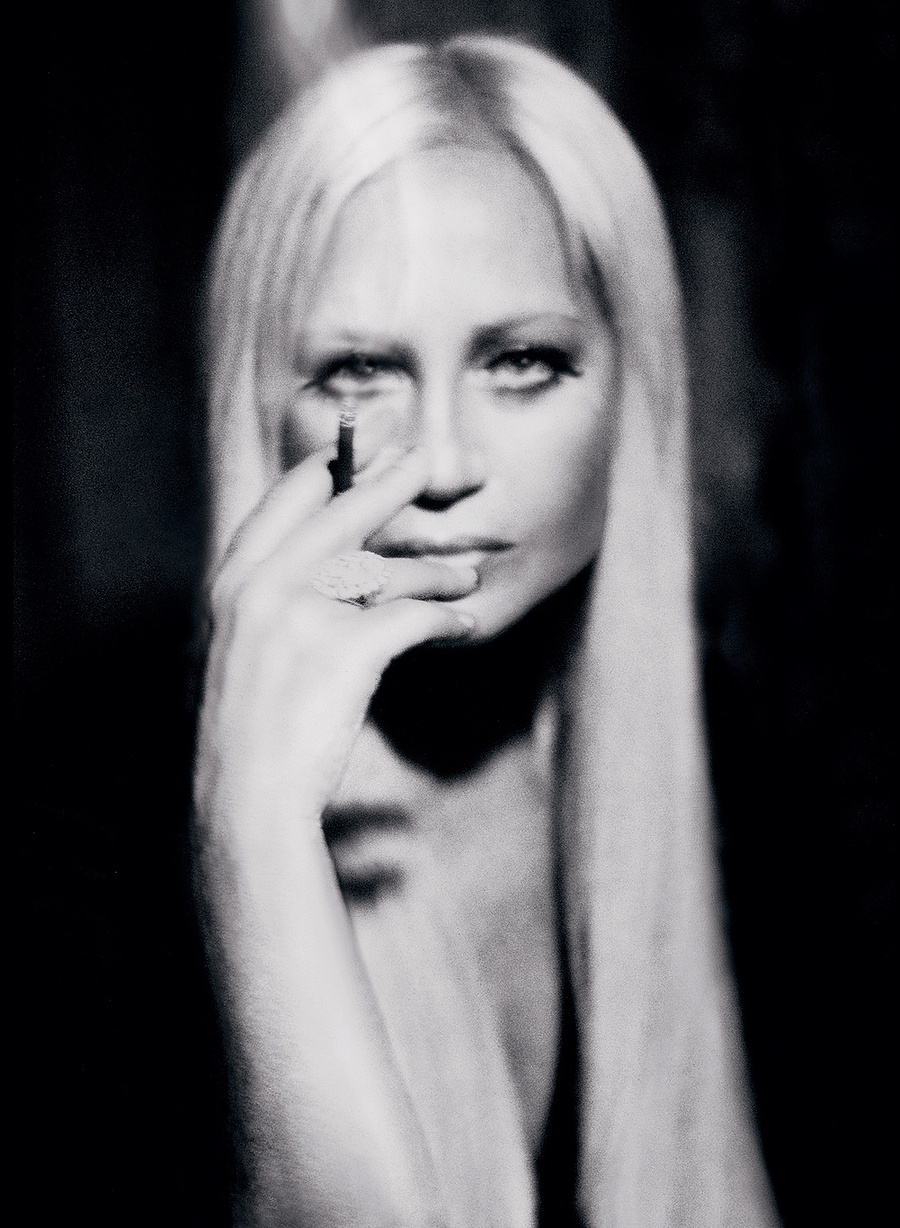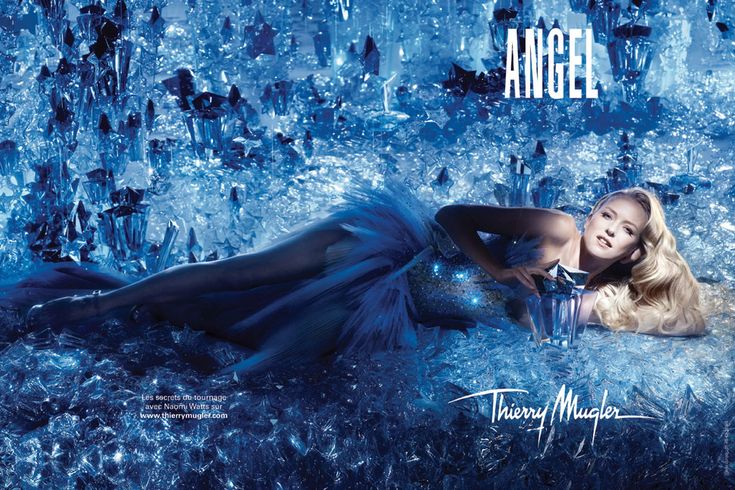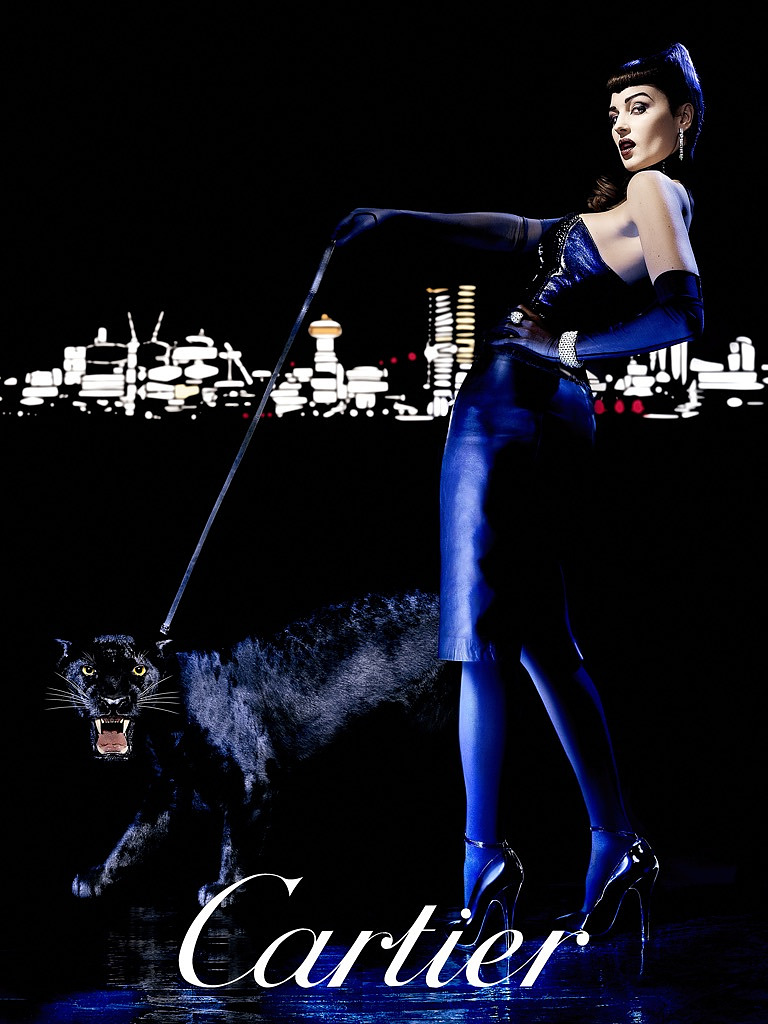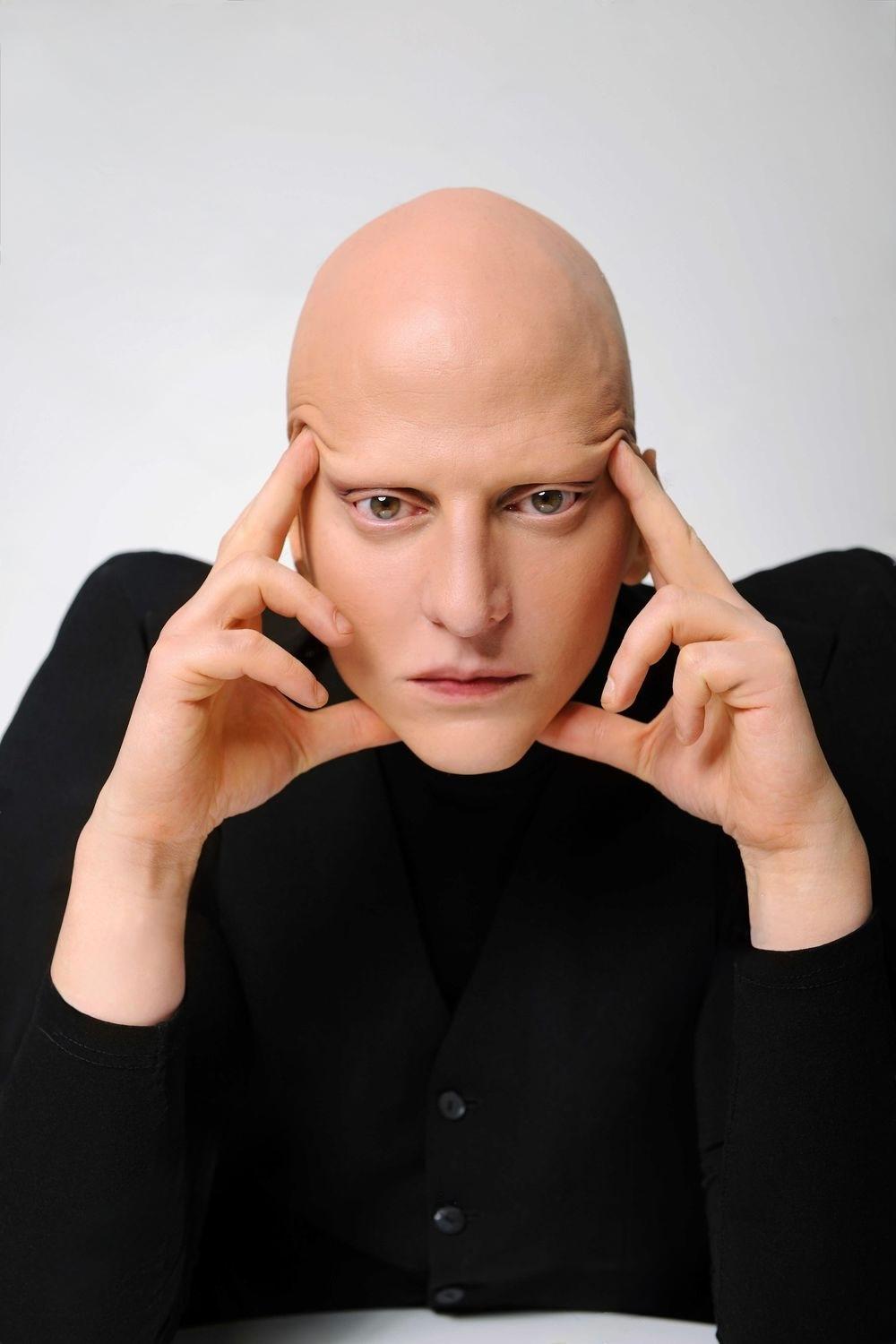
Karl Lagerfeld stood before his camera for fifteen minutes without moving a muscle. Donatella Versace fell in love, forever, with the portrait of her holding a black cigarette. Monica Bellucci posed for him with a panther for Cartier, Naomi Watts was photographed by him for Thierry Mugler’s Angel campaign, and Kylie Minogue he turned into Marlene Dietrich.
The list of those who have stood before Ali Mahdavi’s lens reads like the front row of a haute couture show: Tilda Swinton, Catherine Deneuve, Irina Shayk, Marion Cotillard, Charlotte Gainsbourg, Tom Ford, Vincent Cassel, Giorgio Armani, John Galliano, Jean Paul Gaultier, Yohji Yamamoto, Marilyn Manson and many more, while Dita Von Teese has been his muse for twenty years. He has shot campaigns for Cartier, Dom Pérignon, Balmain, Christian Louboutin, Agent Provocateur, Roberto Cavalli and Piaget, worked for Vogue, Vanity Fair, Tatler and Harper’s Bazaar, and spent nearly ten years as artistic director of the Crazy Horse.
But before the press crowned him “the ambassador of glamour”, he fled Iran on a donkey, lost all his hair, and survived nine comas and years of addiction. Over four hours in his Paris studio, he never once asked me to turn off the recorder.
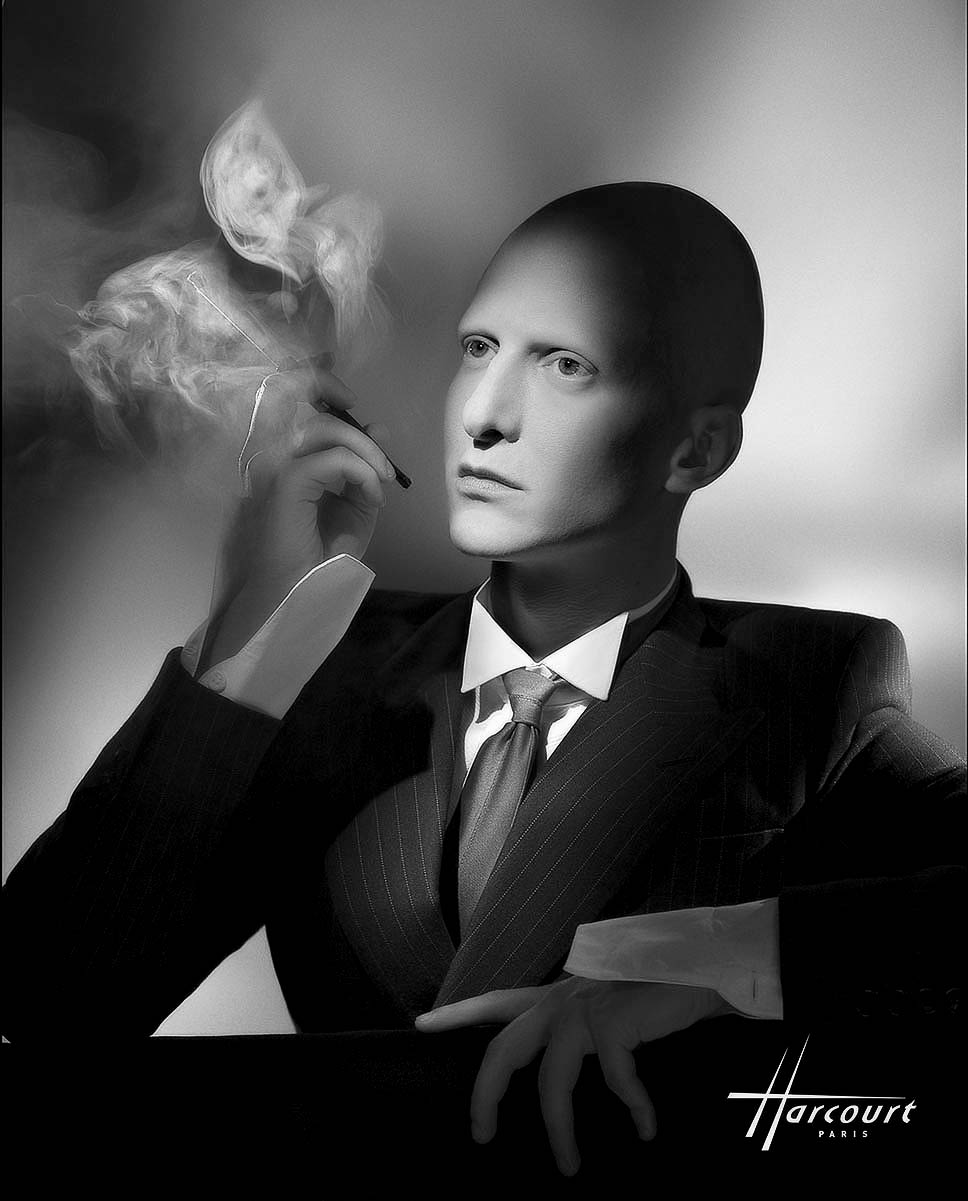
Harcourt Paris Ali Mahdavi
We meet Ali Mahdavi on the Left Bank of the Seine, in the Sixth Arrondissement, in that Paris where, between Le Bon Marché and the Luxembourg Gardens, luxury long ago stopped being a display of status and became part of the cityscape. Ali receives me in his studio. The first thing that struck me as I walked in was the sketches: countless drawings done by hand and stuck up haphazardly with masking tape wherever there’s room: walls, doors, everywhere. Books, fashion magazines and photographs beyond counting have taken over the space.
“Take off that black coat and make yourself comfortable,” I say a minute later, jokingly, already acting as if I owned the place.
Ali smiles. His coat has a fur collar. On his head sits a black beret. It’s hard to imagine a world-famous photographer, artist and director living in Paris looking any other way. He settles into a large armchair, and I sit opposite.
“What’s this piece?” I ask, pointing at the wall.
“Ah, that’s Donatella. I shot her.”
I move my hand to a huge flat square wrapped in plastic, leaning against the wall.
“And this?”
“That’s my self-portrait.”
Ali takes the first pull on his vape, and as he exhales, thick clouds of vapor envelop us and carry us back to the very beginning.
Exile and Crinoline
Ali Mahdavi was born in Tehran in 1974. When he was seven, he and his family were forced to flee Iran.
The family already had an apartment in Paris. It was his mother’s decision, and it would later prove their salvation. But everything else in Iran was lost. Ali’s father and his own older brother owned three factories producing sugar and synthetic materials. The family lived in great comfort.
“I remember when the Islamic Revolution came. We couldn’t leave the country. They simply wouldn’t let us. We escaped by paying people, and went to Kurdistan. At night, disguised as Kurds, we crossed the border from Iran into Turkey. We rode on donkeys, and as soon as we were in Turkey, we went to a small town. From there we took a bus to Ankara. Then a plane to Germany, and then Paris.”
He recites the route almost without pausing, then adds:
“It was very dangerous. We were incredibly lucky. A lot of the people who smuggle refugees across the border rob them, rape them, kill them. We met honest people.”
In the memory of a seven-year-old, the journey remained a dangerous adventure. He remembers his mother’s silhouette, dressed as a Kurdish woman in seven or eight skirts, one over the other.
“It reminded me of Saint Laurent’s Russian collection. My mother was dressed like a Kurdish woman, and it was very beautiful. The Kurdish women called her ‘jendeh.’ In Farsi that means ‘whore,’ so at first she was taken aback. But in Kurdish it means ‘beautiful.’”
Ali loved France from an early age. He went to a French school from the age of three. His mother tongue is Farsi, but he thinks and dreams in French.
“Before the revolution, I was fairly happy in Iran. But I hated the two years under the Islamic Republic. And all that time I had only one dream: to go back to Paris.”
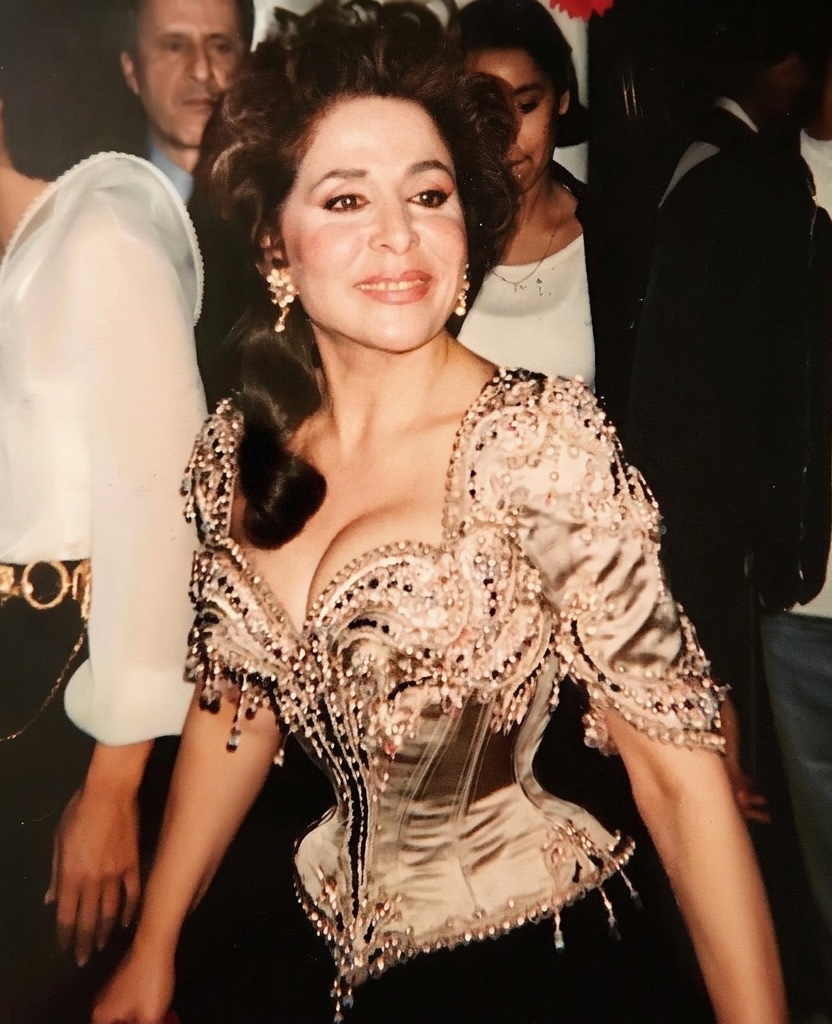
Malekeh Mahdavi
Mother, the First Icon
Before the revolution, his mother, Malekeh Mahdavi, came to Paris twice a year to buy haute couture. Little Ali flew with her. Fashion shows back then weren’t theatrical events staged for the press, bloggers and cameras. They were private presentations for clients in the salons of Dior, Chanel and Saint Laurent. The mannequins walked in silence, holding small numbered cards or wearing them on their wrists. The clients jotted down notes in notebooks.
“My mother took me to the shows and gave me a notebook: I had to write down the numbers of the pieces I liked. She asked my opinion on jewelry from Cartier and Van Cleef. For a child, it was incredible.”
In his memories, his mother is never simply a mother. She is his first muse, his first model, his first image of glamour and power.
“My attention was focused on her above all. I was obsessed with her. She was, and still is, an extraordinarily beautiful woman.”
He recalls how, many years later, Thierry Mugler saw her backstage at his photography exhibition at Galerie Polka. As usual, she was wearing Mugler. The famous designer knew Ali and remembered him, but once he saw his mother, it was as if nothing else existed.
“She said, ‘I’m Ali’s mother.’ I was saying, ‘This is my mother.’ And Thierry just kept repeating, ‘You’re beautiful! You are an ambassador for Mugler.’ Five times, I think. He wanted a photo with her. I still have that picture.”
From the age of six, he said he wouldn’t survive his mother’s death.
“If someone asked me, ‘What will you do if your mother dies?’ I’d answer, ‘Kill myself.’ I was in love with her, I worshipped her. But she wasn’t only beautiful and glamorous. She could be very harsh.”
I ask him for an example, and without hesitation Ali tells the story of their first ski holiday. His parents wanted the children to be able to do everything “rich kids” could do: ski, ride horses, move in the right circles. Ali had never skied before. At one point he found himself alone on the slope, without an instructor, while his parents and brother had disappeared from view. He was frightened.
When they came back, Ali told his mother she had abandoned him. She tried to hug him. He pulled away. The second time, he yanked his arm free, and she fell. Whether it was an accident or his fault, he still doesn’t know.
“She said, ‘You have just killed your mother. I will be the woman who takes care of all your needs, but I am no longer your mother. You’ll have to live with that.’ And for a whole week she didn’t speak to me. She cooked, she did everything a mother does, but she wouldn’t talk to me, because, as she put it, I had killed her.”
Today he speaks of his mother with tenderness and gratitude, but acknowledges how complicated she is.
“What always mattered most to her was her beauty. She is deeply neurotic, self-centered. But with age she became very loving. I once asked my psychoanalyst: how could parents who seemed so insensitive to me as a child become so humane? She answered: ‘They grew up.’”
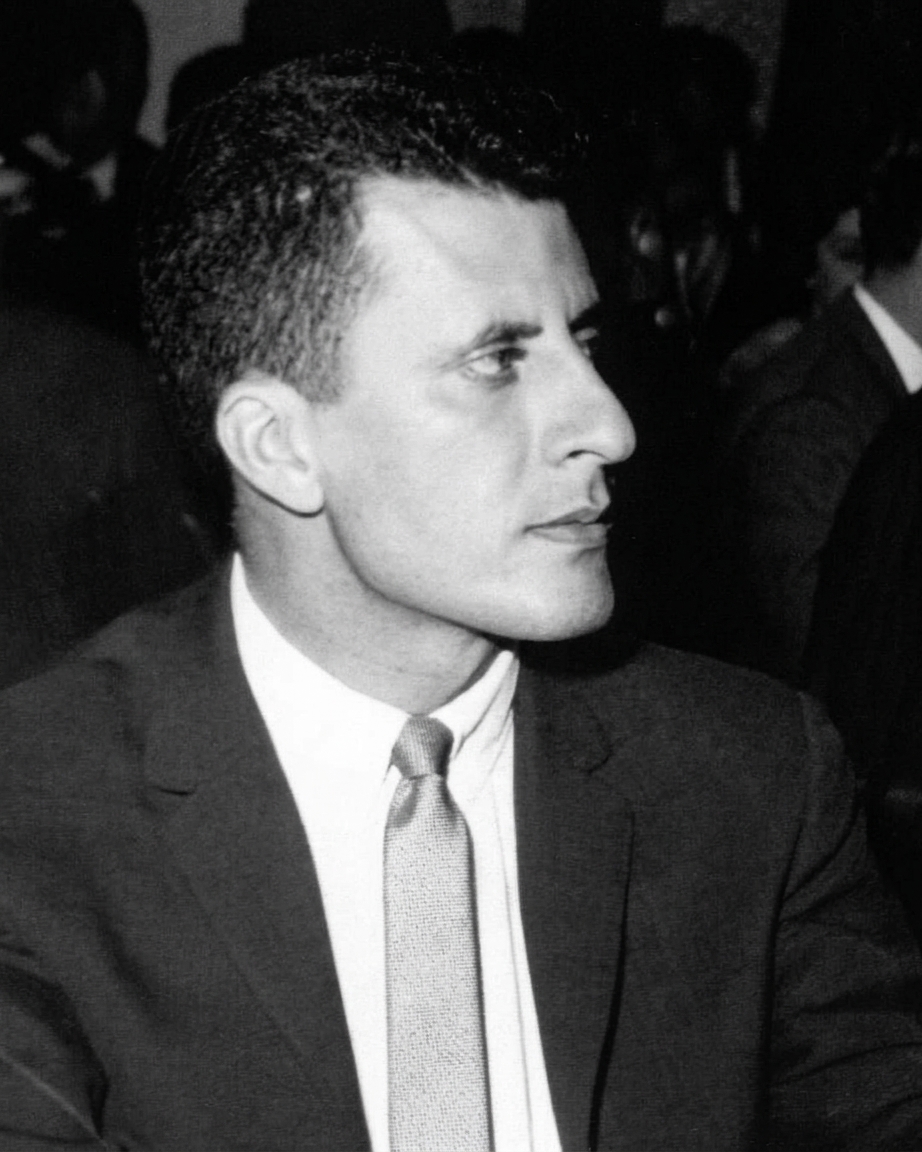
Massoud Mahdavi
Father, Guilt and Confession
According to Mahdavi, his father, Massoud Mahdavi, was a handsome, successful, very busy man. As a little boy, Ali saw him more as a rival than as someone close.
“My brother was much closer to my father. I was closer to my mother. I used to say, ‘I love my mother and I hate my father.’ But in reality it was much more complicated.”
He tells me this with a degree of candor that is rarely compatible with a magazine conversation.
“I was sexually attracted to my father. For a long time I felt enormous guilt about it, because I adored my mother. It felt as if desiring my father was a betrayal of my mother.”
During his psychoanalysis, he told his mother about his recurring fantasies and dreams involving his father. Shaken, she first asked what his psychoanalyst thought about it. Then, trying to put her own feelings into words, she made a slip of the tongue, and that slip became one of the most important moments of Ali’s life.
“She said: ‘I was very happy when you were your father’s wife.’ I asked her to repeat it. She said it again. Then she said: ‘Oh God, I’ve gone mad. I meant: I was very happy when I was your father’s wife.’” But Ali is certain his mother said the first sentence twice.
Ali believes that in this breakthrough of the unconscious he found the source of his guilt: it was as if his mother unconsciously wanted him to take the place beside his father.
“After that, the guilt vanished. I understood that perhaps, unconsciously, she wanted me to be my father’s wife.”
He spoke openly with his father only as an adult. On a trip to the Caribbean, during his first year at the Beaux-Arts, he told his father both about his homosexuality and about his attraction to him.
“My father cried.”
And yet, in the years that followed, his father grew much closer. He helped Ali prepare his Beaux-Arts diploma, twice traveling with him to Geneva to find gloves for a work featuring a mummified animal in ecclesiastical vestments. When Ali received the jury’s unanimous congratulations (the highest distinction, awarded to only a handful of the two hundred graduates), his father, he says, was insanely proud.
Later, his mother passed on to Ali what his father had said before he died: “You accept his homosexuality. I’m trying, but I can’t accept it.” Ali says it didn’t hurt him so much as sadden him.
“I knew he loved me. But it was hard for him. Maybe he hoped that, because of my relationships with women, I’d one day stop being gay.”
After his father’s death, Bernard-Henri Levy, Arielle Dombasle’s husband, helped the family find a plot at Père Lachaise Cemetery. He also said something to Ali that has stayed with him:
“‘You don’t know it yet, but day by day you will become more and more like your father.’ And it turned out to be true.”
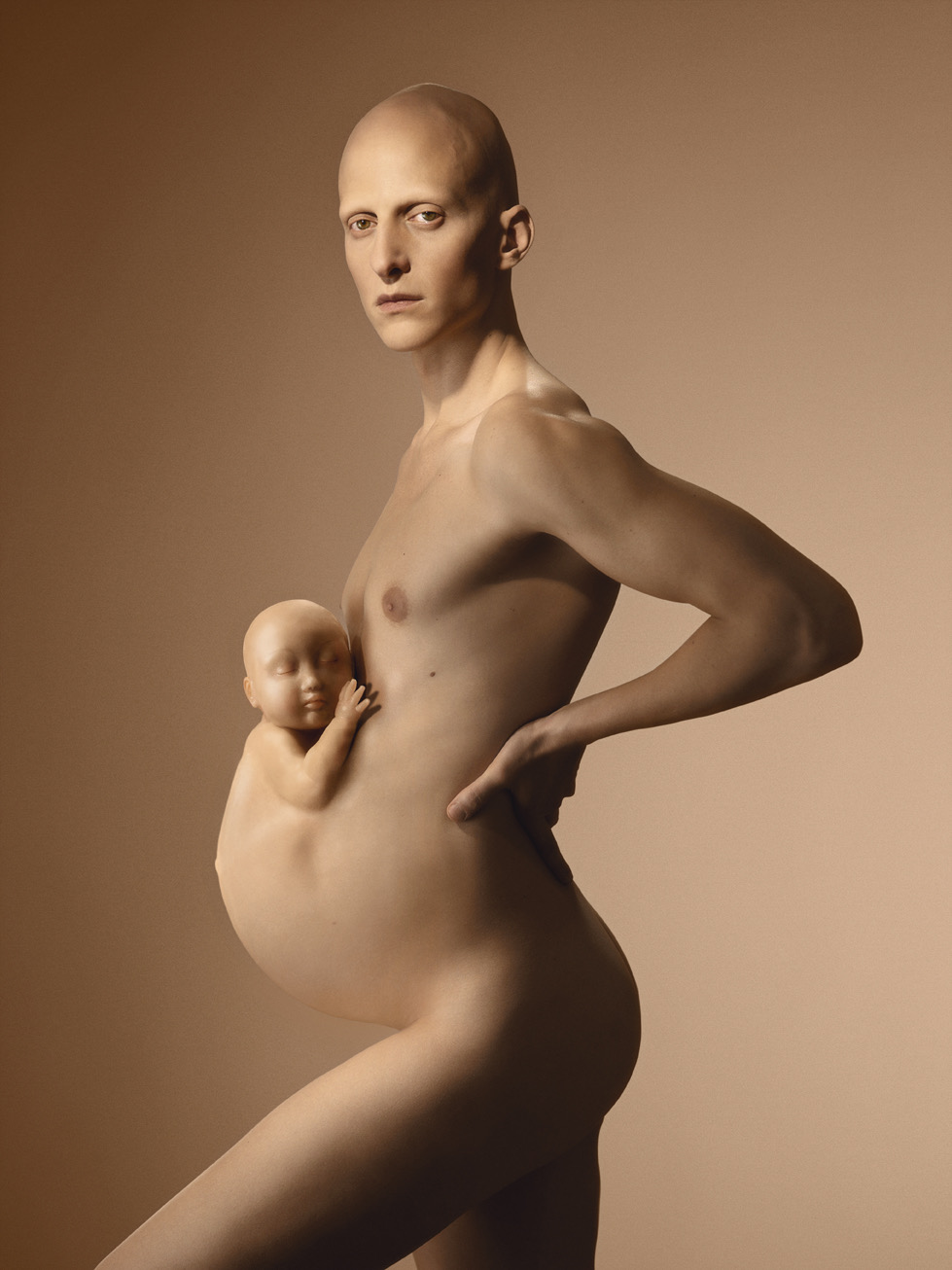
“My babies just cares for me” - picture. Artist Ali Mahdavi
The Body: A Fateful Turn from Overweight to Alopecia Universalis
After the escape, the family lost its fortune. The Paris apartment survived, but there was almost no money. Ali describes the years from seven to fifteen as very hard.
“I was depressed, and I found refuge in food. I became really fat. I hated myself.”
At twelve, he fell in love with a girl named Christie L. and decided she would never notice him unless he lost weight.
“My dream was to become anorexic, but I love eating too much.”
He went on a strict diet. A doctor advised him to stop, but the teenager rejected all advice. Later he developed alopecia universalis, complete hair loss.
“That alopecia destroyed my life. But maybe it also saved it.”
He explains the paradox through the nineties, when HIV was still seen as a death sentence. Without alopecia, he says, he would have been “really beautiful,” would have ended up in risky encounters more often, and could have found himself in the same situation as a friend who was infected by a man with a fake HIV test.
It is a personal, almost mystical arithmetic of survival, but it already contains Ali’s artistic program: ugliness and beauty are not opposites; trauma can turn out to be protection; loss becomes material.
“If I didn’t have alopecia, I wouldn’t be the artist I am.”
After the École Boulle, where he began studying art, Ali moved on to the École Duperré, and there he turned this experience into a literal image. In his first year, as the only first-year student entrusted with the finale of the annual show, he created a collection made of hair: a coat of hair, a dress of hair, a bra and briefs. A Black model slowly undressed on the runway, shedding layer after layer until she was left in her underwear.
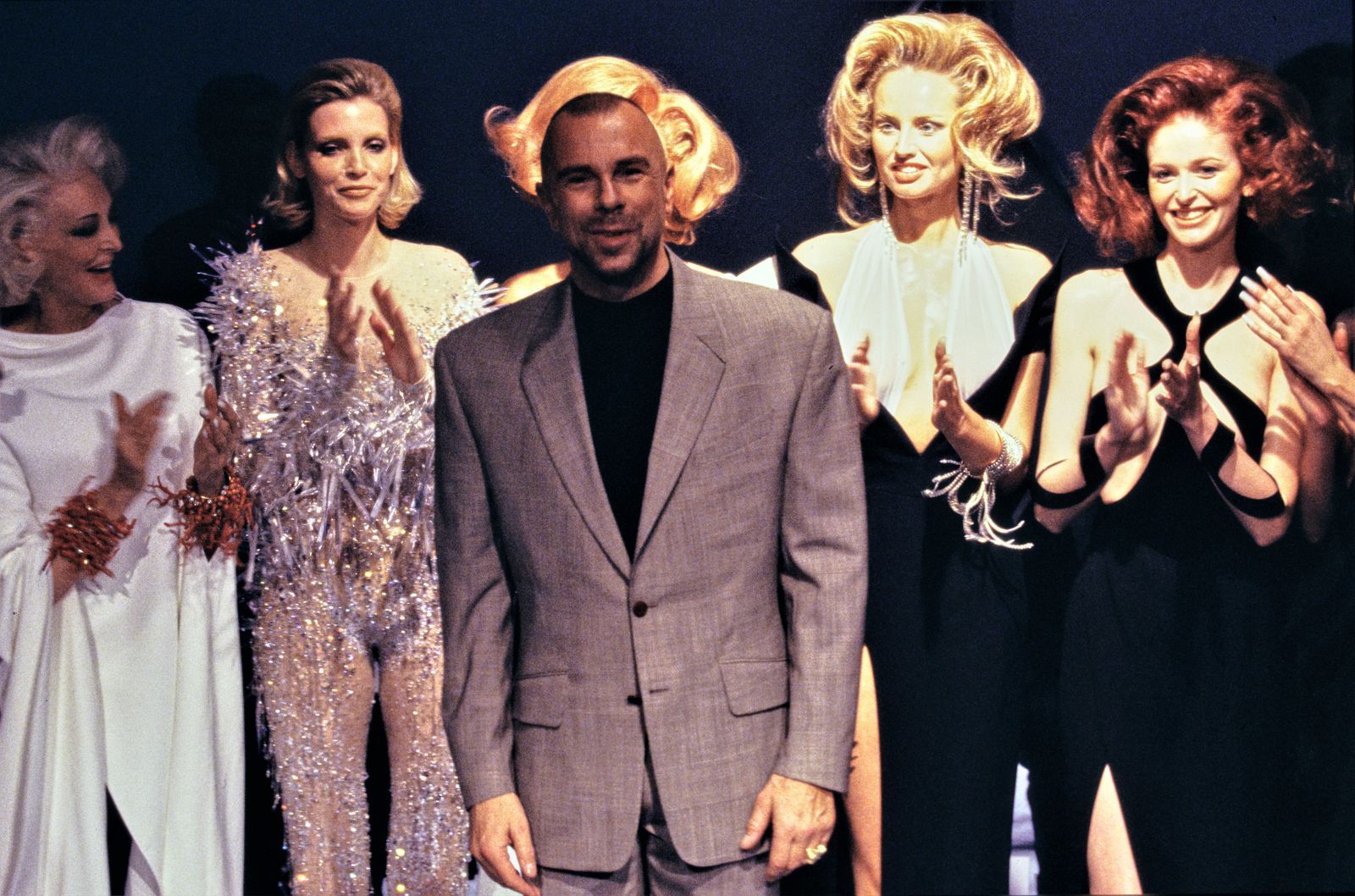
Thierry Mugler. The couturier at the end of his haute couture fashion show in 1998.
Mugler and the King of Rhinestones
At sixteen, Ali saw a short report on a Thierry Mugler show on the evening news. It was a revelation: the Mugler woman, supernatural, strong and commanding, erotic, built like a fantasy.
Soon Ali got the chance to intern at his idol’s house.
“I was living my dream. It was the most beautiful thing I had ever seen in my life.”
He came in before everyone else and left last, made coffee, ran errands and never questioned a task. But it quickly became clear he could do more than assist. Having taught himself to work with Swarovski crystals, Ali began making jewelry for the shows.
“Mugler called me Le Roi du Strass, the King of Rhinestones. I made things nobody else could make.”
From his second internship on, his jewelry was appearing on the runway.
In his second year at Duperré, Ali again closed the annual show. His collection was called Sex Appeal: corsets with tiny glowing light bulbs at the breasts and crotch. Back then people laughed at his obsession with corsets and said they would never come back into fashion. A fashion magazine of the moment, which Ali compares to i-D and The Face, gave the collection four pages. Mugler saw the article and asked for his portfolio. In 1992, Ali was hired as a designer at the Mugler studio and spent two years on staff. Counting the internships, he was at the house of Mugler for about four years.
“I worked on some of the iconic dresses, but under my contract I can’t say which ones, and I can’t publish the drawings. For four years I was truly happy. Mugler was my absolute idol.”
According to Ali, everything changed when the head of the studio, Dauphine de Jerphanion, who had taken him under her wing, left for Karl Lagerfeld. The new head of the studio brought in her own team. Ali was let go in circumstances he still describes as humiliating and absurd.
He had expected his time at Mugler to open every door. Instead, there was almost no work. He worked briefly for Jean-Claude Jitrois and one other designer, but couldn’t build a career in fashion design. His parents insisted: he had to apply to the Beaux-Arts.
Getting in was hard. He was rejected the first time. The second attempt was his last: applicants were allowed to apply only twice.
“I thought: if they don’t accept me, I have no reason to live. It was all I wanted. I no longer wanted to be just a fashion designer. I wanted to be a visual artist.”
In 1996, he was admitted. In 1998, he spent six months on exchange in the painting department of the Royal College of Art in London, and two years later he graduated from the Beaux-Arts with the jury’s unanimous congratulations. Yet it was the Beaux-Arts, he says, that was the happiest time of his life.
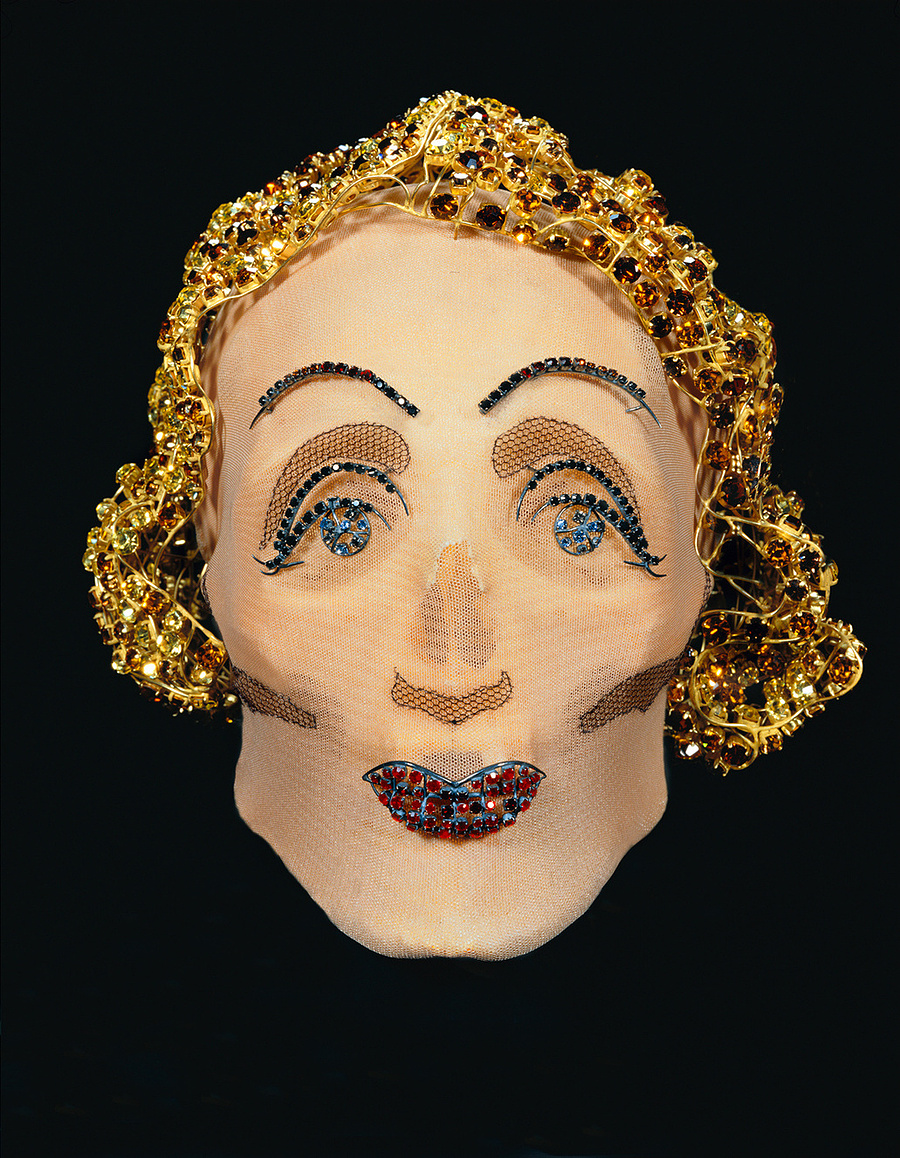
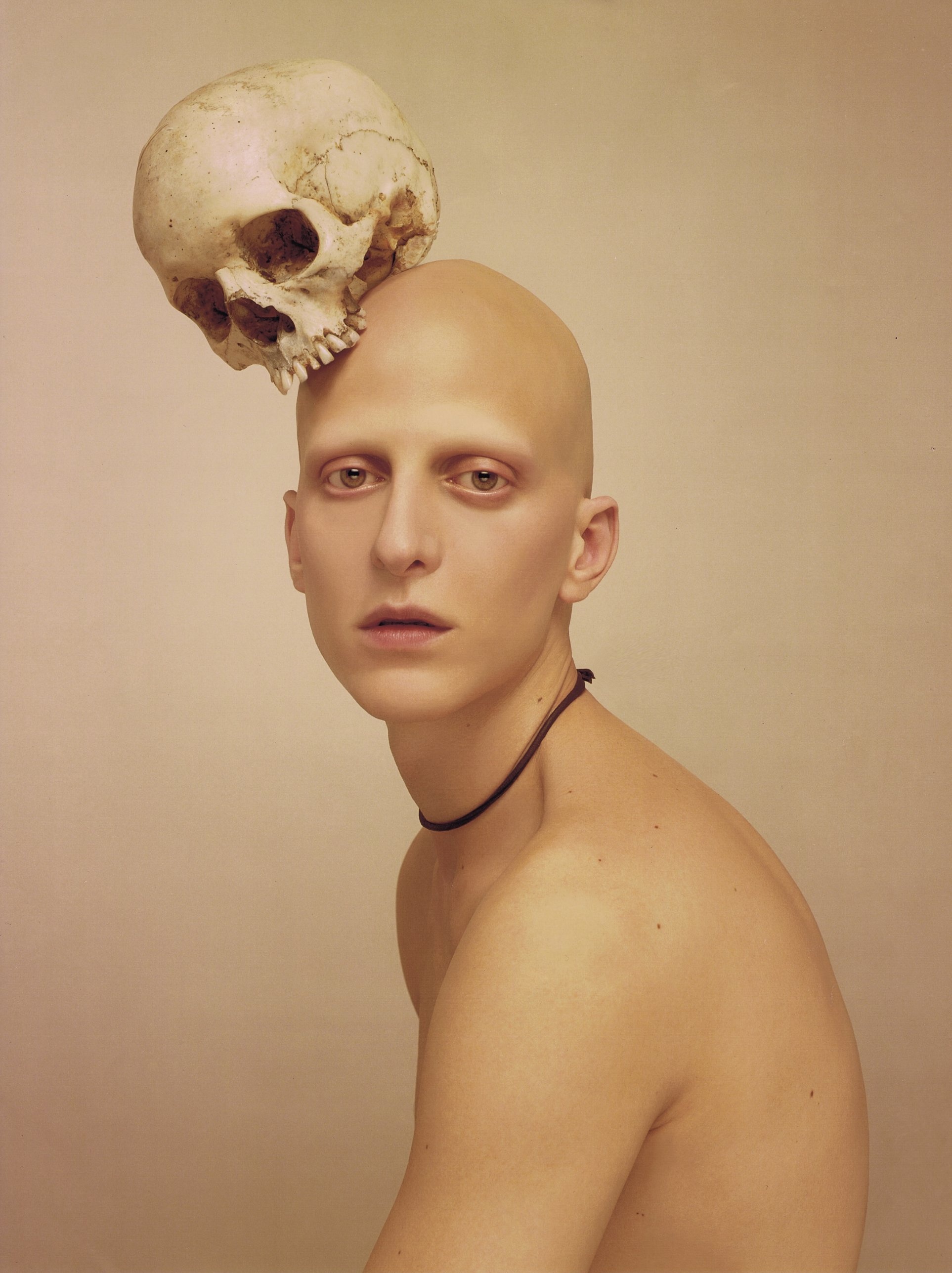
“Where are you Jo ?” - Sculpture (real human skull) Artist Ali Mahdavi
Marlene and the Elevator Light That Changed Everything
Looking around the studio where we’re sitting, my eye falls on a decorative skull in a rhinestone-studded wig, standing in an alcove. It stares straight at me, and I’ll admit my feelings are mixed. I ask Ali what this work of art is. With an unaffected smile, he answers: it’s Marlene Dietrich’s head.
“She wasn’t the most beautiful. But she created her beauty under the direction of Josef von Sternberg.”
In her early German films, he thinks, she was heavy and not that beautiful. Sternberg, director, lover and architect of her Hollywood image, turned her into a “bird of paradise.” The biography of Marlene written by her daughter, Maria Riva, is Ali’s “Bible.”
The film that matters most is Shanghai Express. Josef von Sternberg’s lighting, Travis Banton’s costumes, beauty pushed to its limit: together they shaped his own photographic system.
“All my lighting is inspired by Shanghai Express. One day I was in an elevator, looked at myself in the mirror and saw Sternberg’s light on my own face. I started looking for the source. I came back with a ladder, disconnected the lamp, found an identical one and bought it.”
Around that lamp he built a special rig, a “complicated mechanism” whose details he reveals to no one.
“Light can turn even the plainest woman into a bird of paradise. Many people have tried to copy my lighting, but they couldn’t, because they didn’t know how my lamp works.”
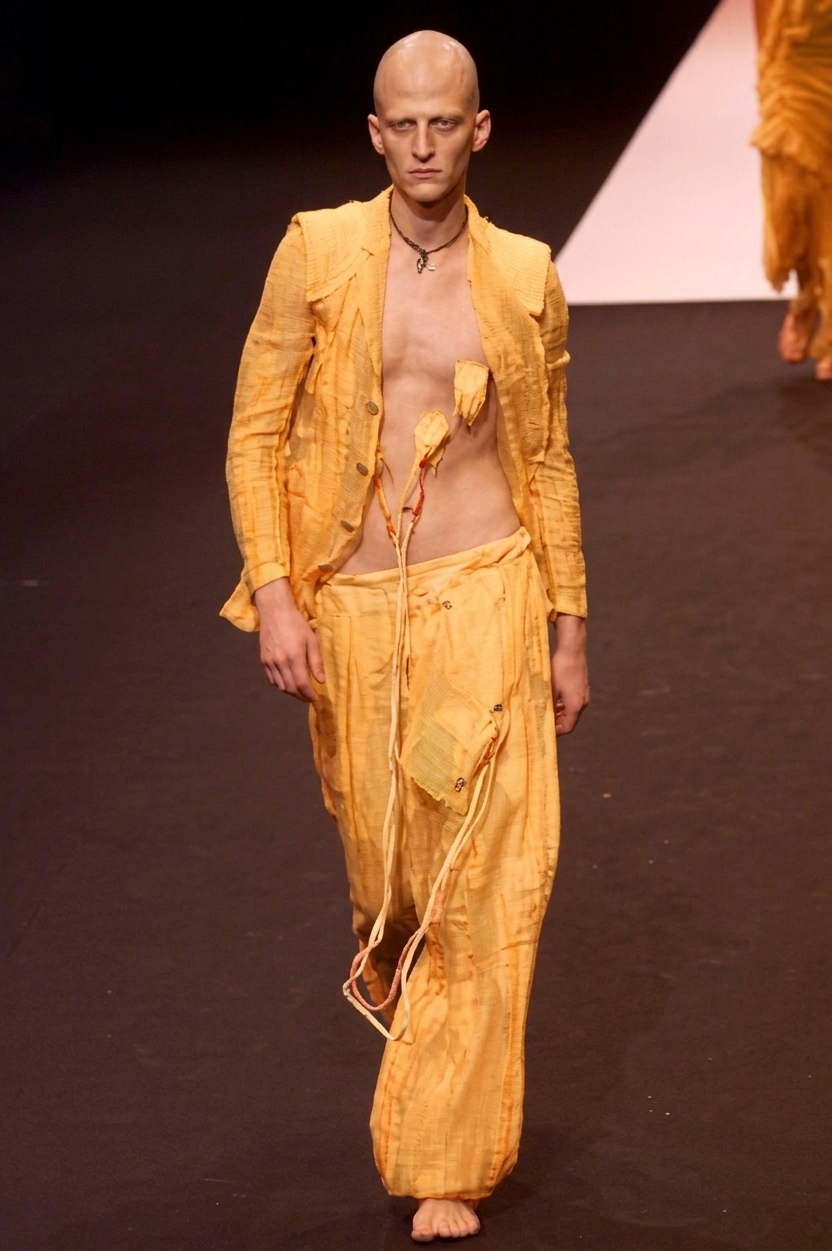
Jean Paul Gaultier Show. Model Ali Mahdavi
Becoming a Photographer, and a Past as a Model
Before he ever picked up a camera, Ali had been on the other side of the lens. He was a model with the Storm agency, photographed by Paolo Roversi, Ellen von Unwerth and Peter Lindbergh, and he walked in shows for Mugler, Jean Paul Gaultier and other designers.
He became a photographer almost by accident, back at the Mugler studio, where one of the five designers had started taking pictures.
“I thought: ‘He’s doing it, so why not me?’ I knew absolutely nothing. I didn’t know what a lens was. I didn’t know how to light anything.”
Ali had access to models and clothes. His first pictures were naive, inspired by disco and Antonio Lopez’s Polaroids. He shot model tests and, alongside them, his own series. Gradually a language of his own emerged: Ali fell for 1950s fashion, worked with Mr. Pearl’s corsets, made his lighting more elaborate.
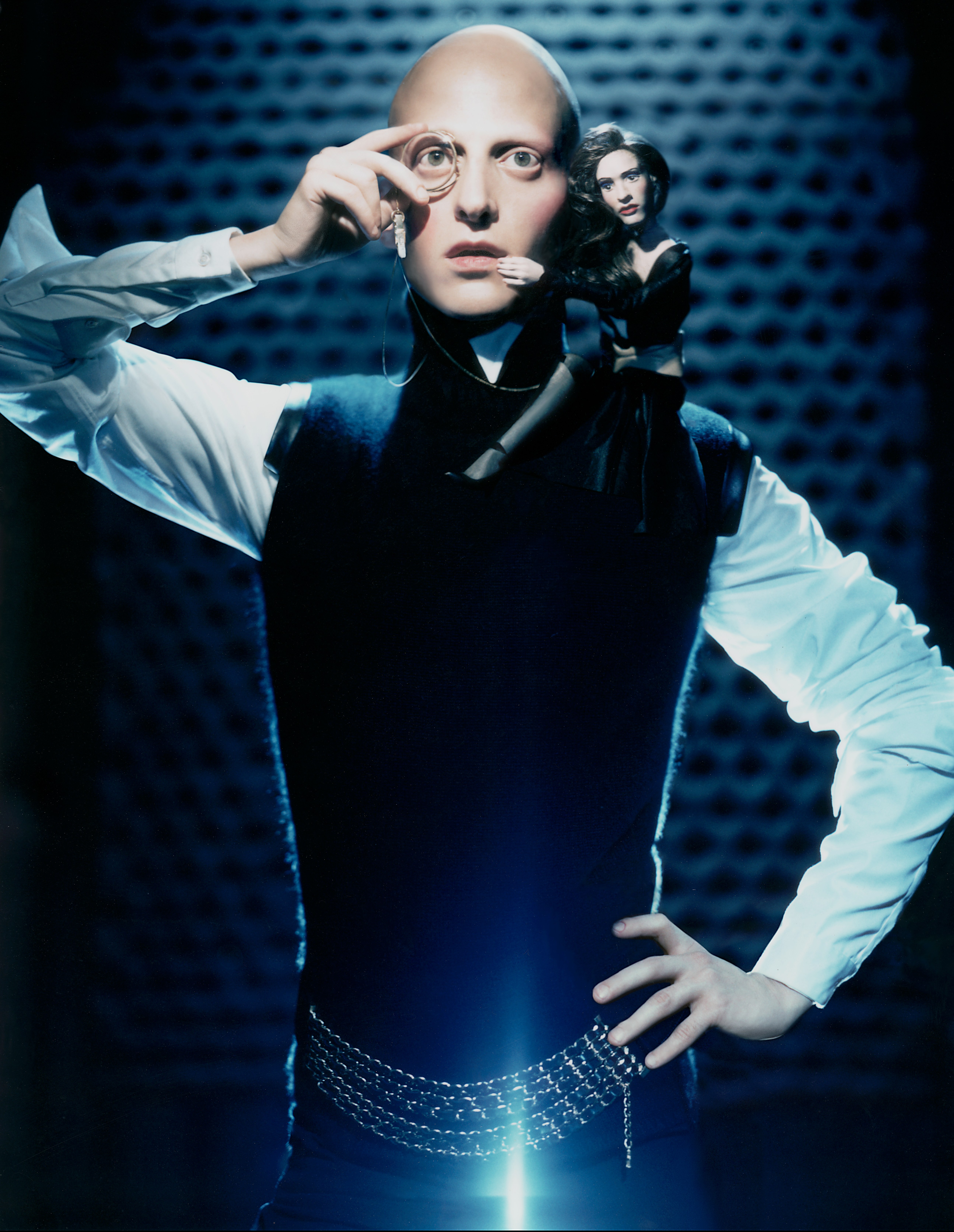
A friend of Ali’s, the model and Beaux-Arts student Esther Toth, had lifelike dolls made in Prague for her diploma: one of herself and one of Ali. He suggested to the fashion director of Citizen K that he shoot a series with them. Kappauf, who had worked with the greatest photographers, happened to be there and said: “Fine, let’s do it.”
For the series, Ali used a complicated 8×10 Polaroid camera. Photography at the time was dominated by the deliberately “bad” aesthetic of Terry Richardson and Juergen Teller.
“I adore them both. But suddenly my very glamorous photographs appeared in the magazine, completely unlike anything else. It was a shock. That’s how my career began.”
In 2000, at twenty-six, Ali showed his work as an artist and photographer in the exhibition “Le Corps Importun” at Galerie 213. The show, about the cult of beauty and transformations of the body, caught the attention of the fashion world, and soon the major magazines were calling.
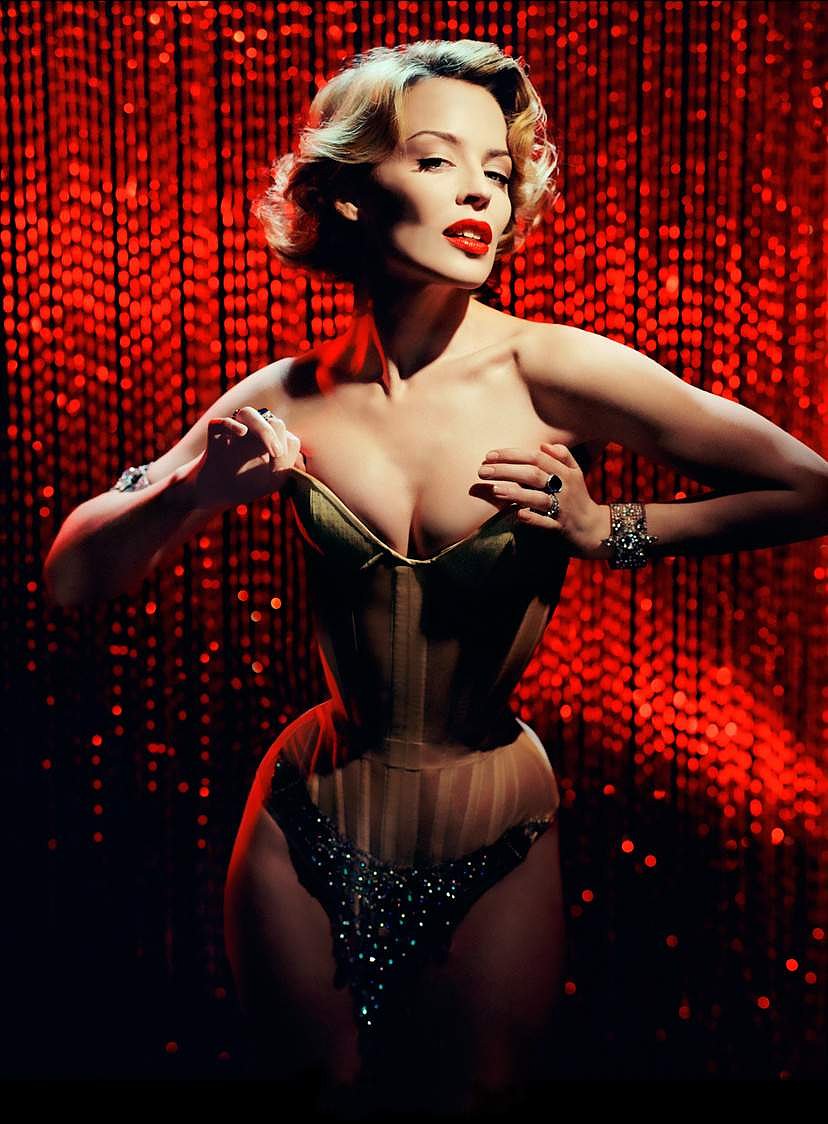
Kylie Minogue Photo Ali Mahdavi
Ali’s Studio and the Works Around Us
“Before we go on, I have to ask: would you like a coffee?”
“Yes, I’d love one, thank you.”
While Ali makes me coffee, I waste no time and, with his permission, study the studio we’re sitting in. His photographs of divas, magazines and books beyond counting. Everything is scattered about and turned into a chaos of rhinestones, mummified animals, glamour and self-portraits. There are especially many of the last. Ali literally looks at me from every corner.
My eye stops on a photograph of Kylie Minogue in a corset. Just then Ali comes over with the coffee, and I ask him to tell me the story behind the picture.
WestEast was supposed to shoot Karen Elson for its cover, but she canceled the night before. Ali’s agent, Eugenia Melián, was having dinner at the same table as Kylie Minogue. She showed the singer Ali’s portfolio and asked whether she would agree to be photographed.
Kylie looked at the work — and said yes. Two days later, Ali was shooting her in London.
“At first my reference point was Marlene. But Kylie was more Marilyn Monroe than Marlene for my first shoot with her. That’s what I discovered while shooting her.”
He talks about Kylie with admiration: 1.55 meters tall, perfect hands, feet, body, proportions, an incredible fragility and perfection. According to him, it was the first time she saw herself not as a “cute girl” but as a beautiful, glamorous woman.
Later he photographed her for Sorbet, proposing to turn her into Marlene D. The shoot used a Mr. Pearl corset. In his studio, the picture caught the eye of Dita Von Teese, who had come to Paris to order a corset for the dress she would wear to marry Marilyn Manson.
According to Ali, Dita asked: “Who shot Kylie? I’ve never seen her like this.” Mr. Pearl said: “That’s my friend Ali Mahdavi.” And she replied: “I want to meet him.”
They met over dinner.
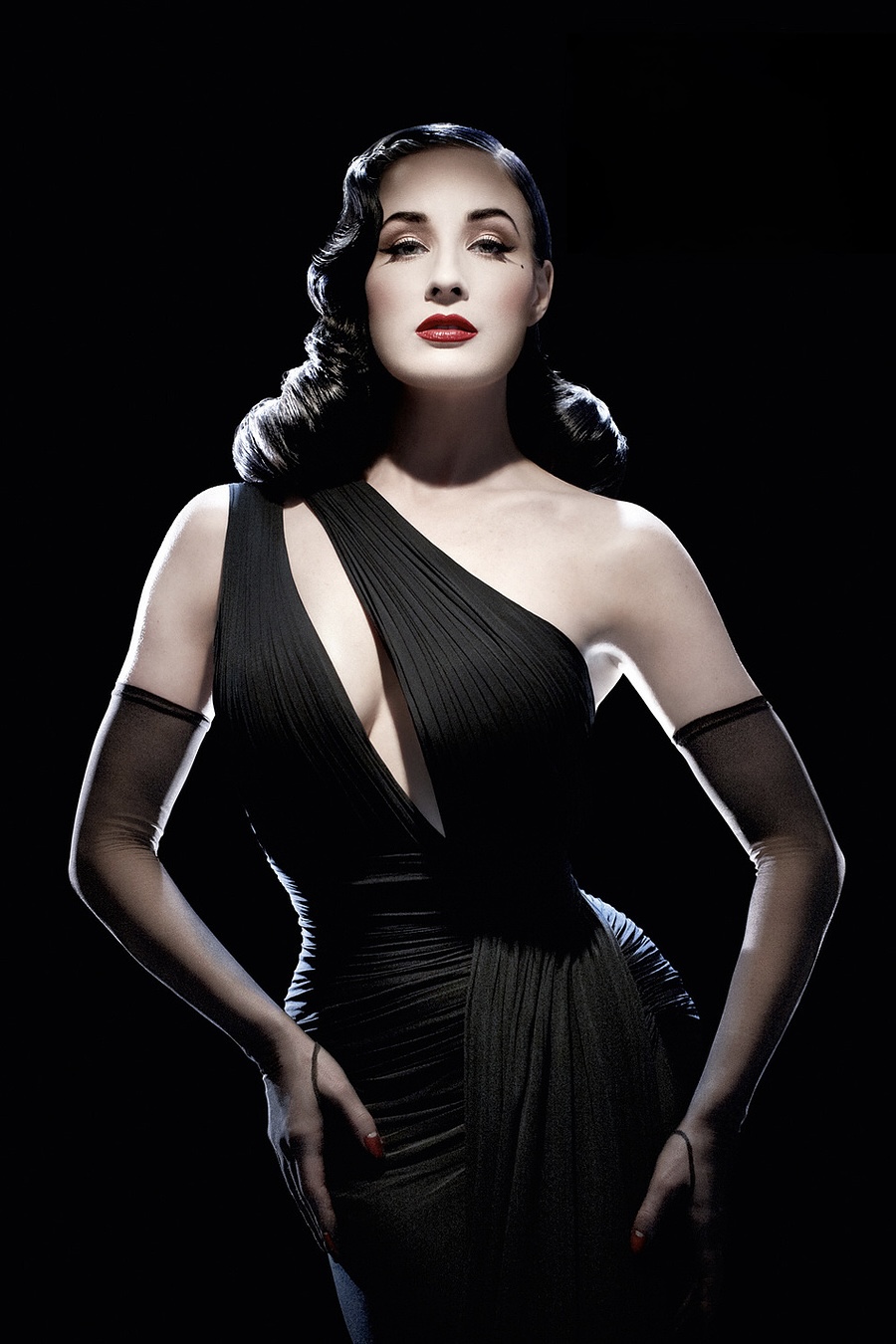
Dita Von Teese Photo Ali Mahdavi
“When she walked in, I saw the woman I had been drawing since I was five. Her skin, as if there were light bulbs glowing under it. Her style, everything about her. I fell in love with her.”
Ali suggested Dita to Italian Vanity Fair. They did the shoot. More than twenty years have passed since then, he says, but their creative closeness hasn’t changed.
“Together with Arielle Dombasle, Dita is my main muse. I photographed her, made films with her, created shows.”
It is with Dita that his Crazy Horse story begins.
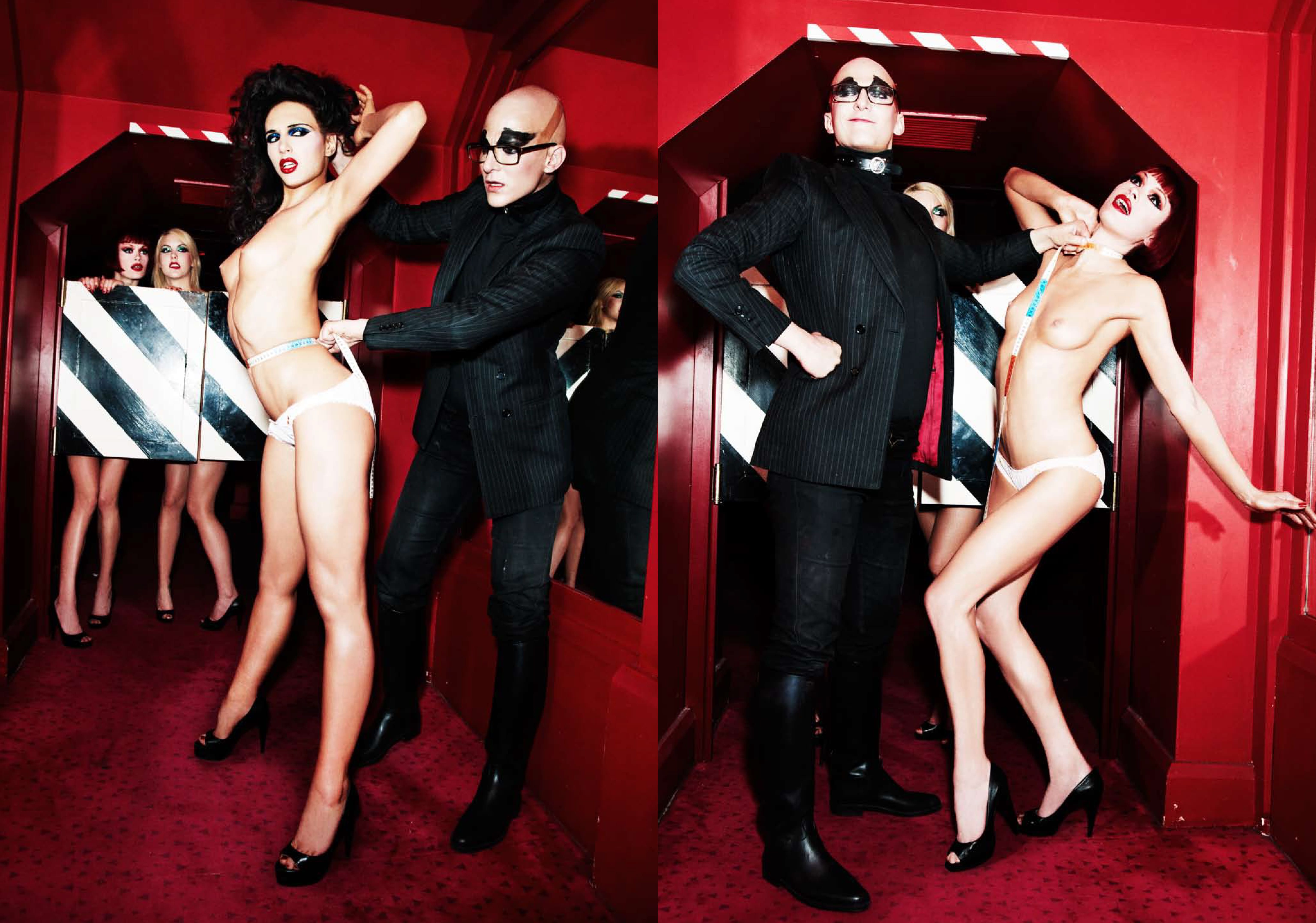
Ali Mahdavi Crazy Horse
Ali as Creative Director of the Crazy Horse
Ali first went to the Crazy Horse as a Beaux-Arts student. He bought a ticket and sat at the bar.