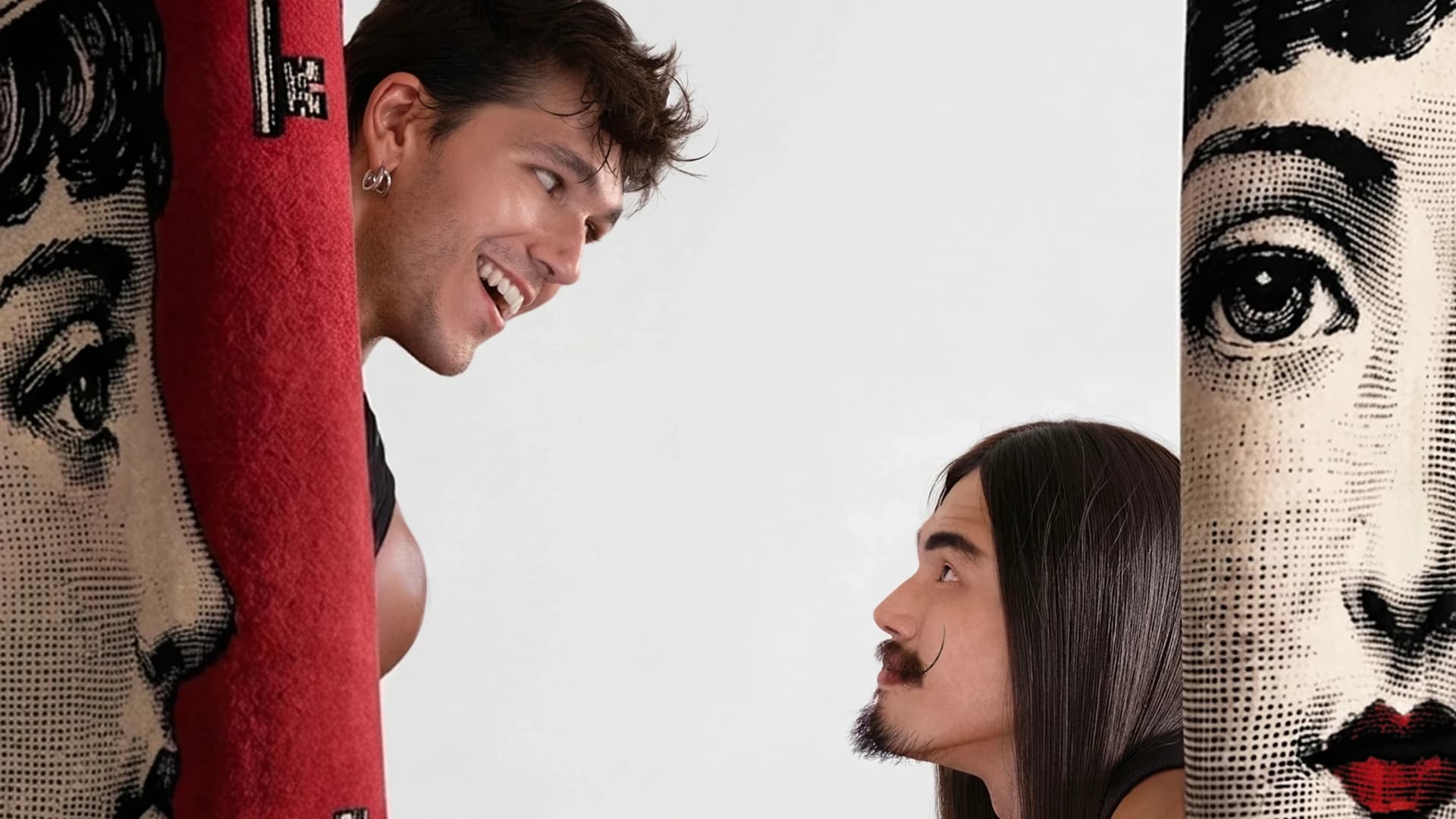
Alex & YuYu didn't set out to build an audience – they set out to survive 2025. Both trained in creative disciplines (fine arts and architecture, respectively) and both burned out from over a decade in the field, they turned to a shared design blog almost as an act of self-preservation. What began as an outlet has since become a running conversation about taste: what makes something worth looking at, why "timeless" is a fiction, and why they've deliberately kept their own home off the internet even as they built a following on visual inspiration.
In this interview, the duo speaks about navigating the tension between digital creation and traditional design authority, dividing creative labor without losing the relationship, and training an eye to tell the difference between what you like and what you've simply been trained to like.
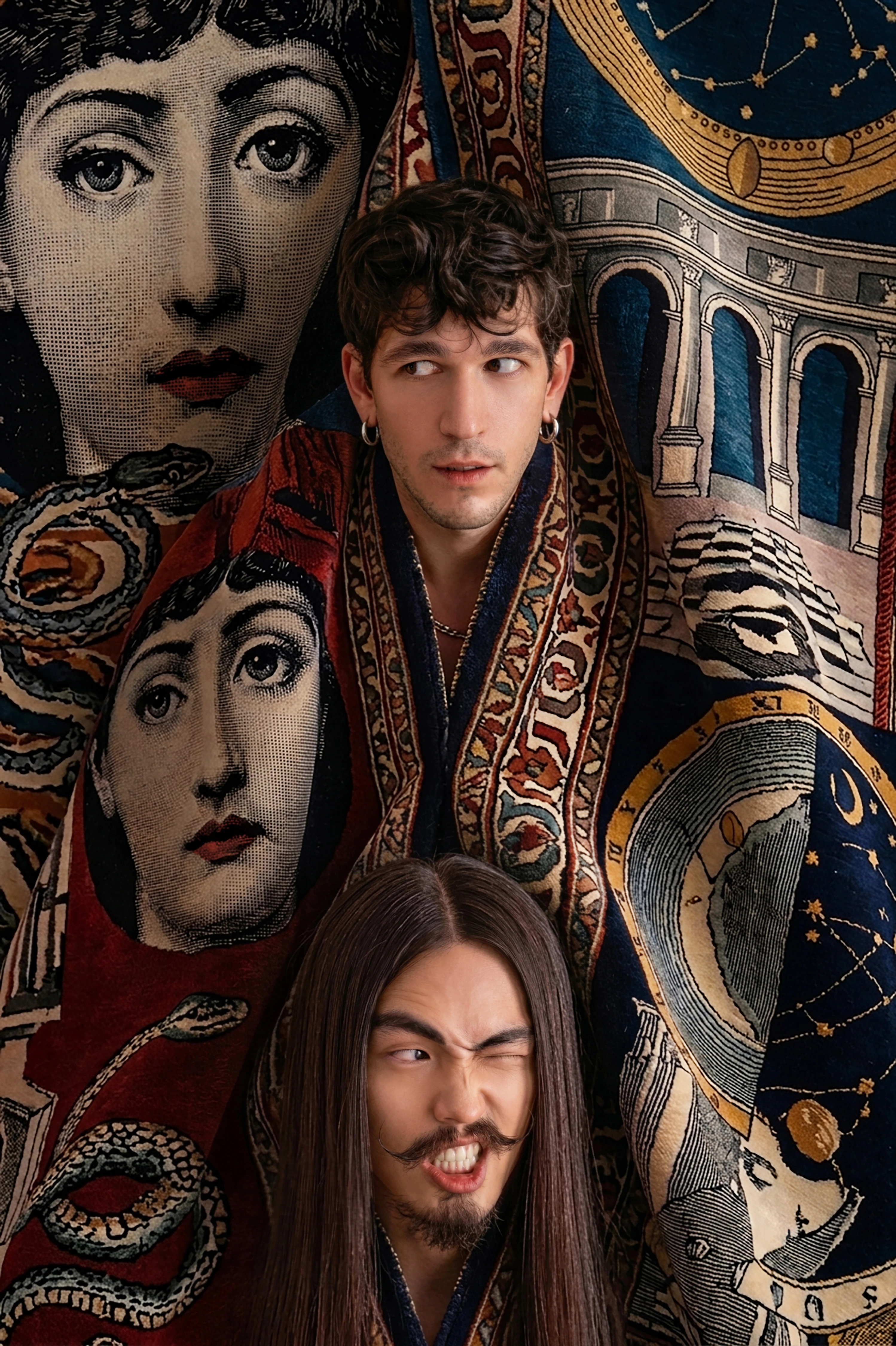
alex&yuyu, 2026 — Photo: Francisco J. Miala. Post-production: YuLiang Liu. © alex&yuyu
How did you come up with the idea to start your blog? Whose initiative was it, and what inspired you to begin this journey together?
Alex: Design is not new in our life. We have been working in creative fields for over a decade each and we both come from creative backgrounds.
YuYu: I have a master degree in architecture and Alex has a master degree in Fine Arts. During 2025 we collectively experienced burn out and we needed to find an outlet that we can both enjoy. The initial idea of starting a design-focused blog came from me and we slowly developed it to what became the alex&yuyu account.
Many traditional art historians and designers remain skeptical of art bloggers and digital creators. Have you ever experienced criticism or snobbery from the professional community? If so, how did you respond?
YuYu: Surprisingly no. While its true professional industries often minimise the impact of digital creators, there has been a significant shift post 2020. Many industries came to the realization that the digital realm is an extension of our lives and not something happening completely independently. There is a way for both traditional professionals and digital creators to coexist and co-benefit from one another.
Alex: Our approach with our account has always been a reflection of what we admire and what inspires us in the real world. We don’t try to reinvent the wheel but rather share our passion for design and creativity with a curious audience that may not have the chance yet to experience them on their own. Perhaps for that reason, the reception from the industry so far has been great. Many designers, historians, and brands we deeply admire follow our accounts and hopefully that will lead to even more cross-pollination between digital-native audiences and traditional professionals.
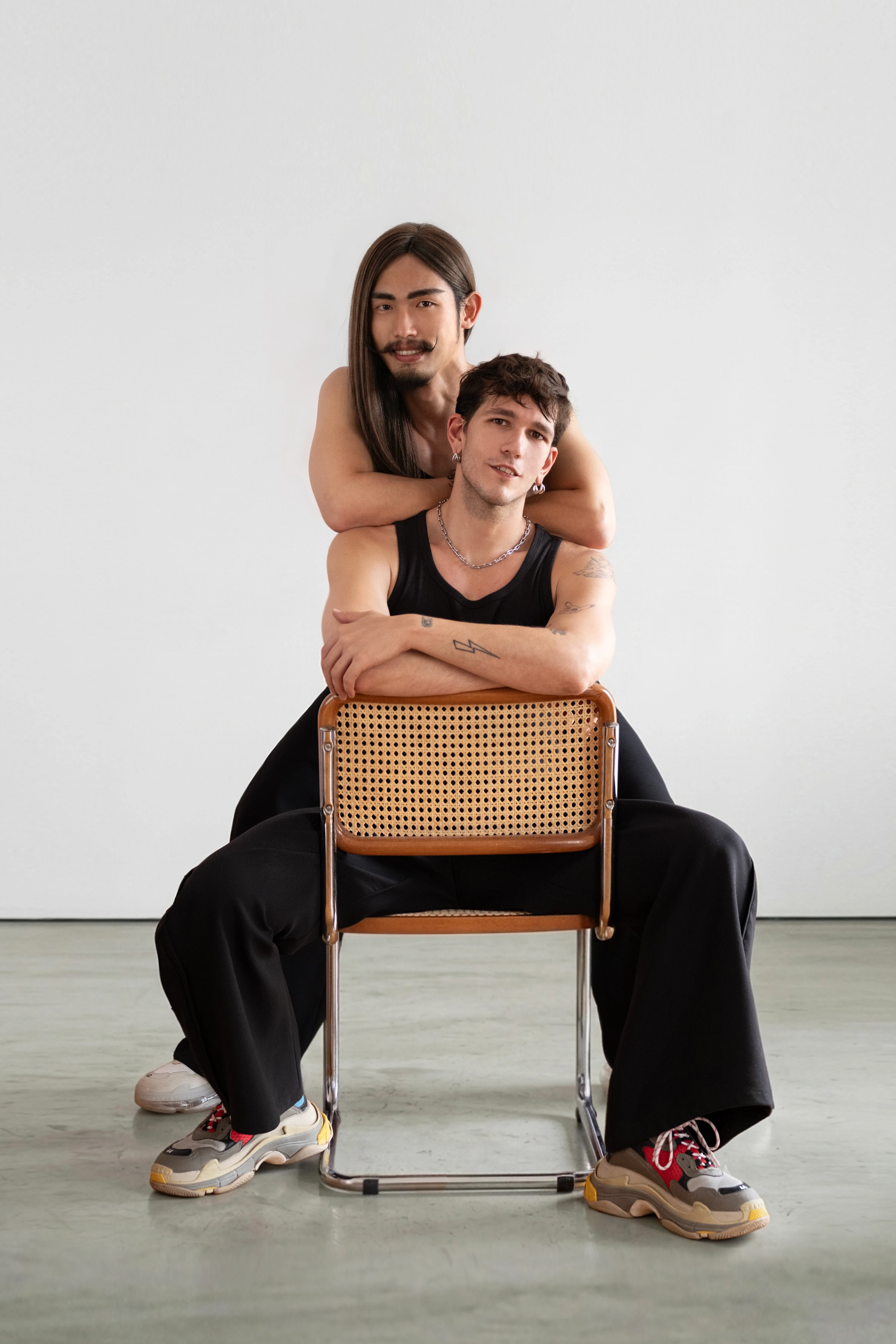
alex&yuyu, 2026 — Photo: Francisco J. Miala. Post-production: YuLiang Liu. © alex&yuyu
You work as a creative duo. How do you divide responsibilities, and have you ever disagreed about the direction of your content? How do you usually resolve those differences?
Alex: We fight and scream at each other, hahaha. Just kidding. Even though this initiative is fairly new, we have worked as a creative duo for the past 8 years. We share both our professional and personal lives. Naturally, this type of cooperation comes with its own challenges as you constantly need to find a balance between working and living.
Responsibilities wise we are fairly straight forward and lean to our strengths. YuYu takes the lead on a lot of generating ideas and brings his technical understanding of architecture and design, while I am more focused on the aesthetic aspect and the overall organisation of both the accounts and the business aspect behind it. We basically allow ourselves to focus on the things we enjoy more and we count on each other to balance what might be missing.
YuYu: Of course we disagree at times. Navigating the digital world comes with many challenges. Understanding how algorithms operate and constantly change, figuring out what would be beneficial and interesting to our audience, coming up with new ideas, and all that while also managing to maintain work outside content creation, responsibilities, and social life. It's not always easy but communication and experimentation is key. If we can not reach a proper agreement, we just agree to give an idea a shot. If it works great, if it doesn’t we pivot and never look back.