Aaron Deng is a multi-disciplinary artist focusing on the gap between digital design, motion graphics and synchronized audio-visual experiences. In this interview, Deng illuminates the analog and digital conflation in his independent project DICTE, the possibilities of immersion within graphic design, and the experience he had working on ‘Pop Girl’ for Lexie Liu.
Your independent project, DICTE, uses visual and audio sensations to explore the naturalistic elements Earth, Water, Fire and Wind. What draws you to traverse and conflate the digital and natural within your independent projects?
I was really interested in how audio behaves differently in analog and digital media, which led me to experiment with sound-driven visuals. I became drawn to interactive design quite early on, and TouchDesigner was a starting point for that exploration.
In college, I took a class called Device Art, where I built a small interactive device using Arduino and an ultrasonic sensor—when someone moved closer, the audio and generative visuals would respond in real time. That project was a small experiment, but it introduced me to considering visuals as something that can react to sound and movement.
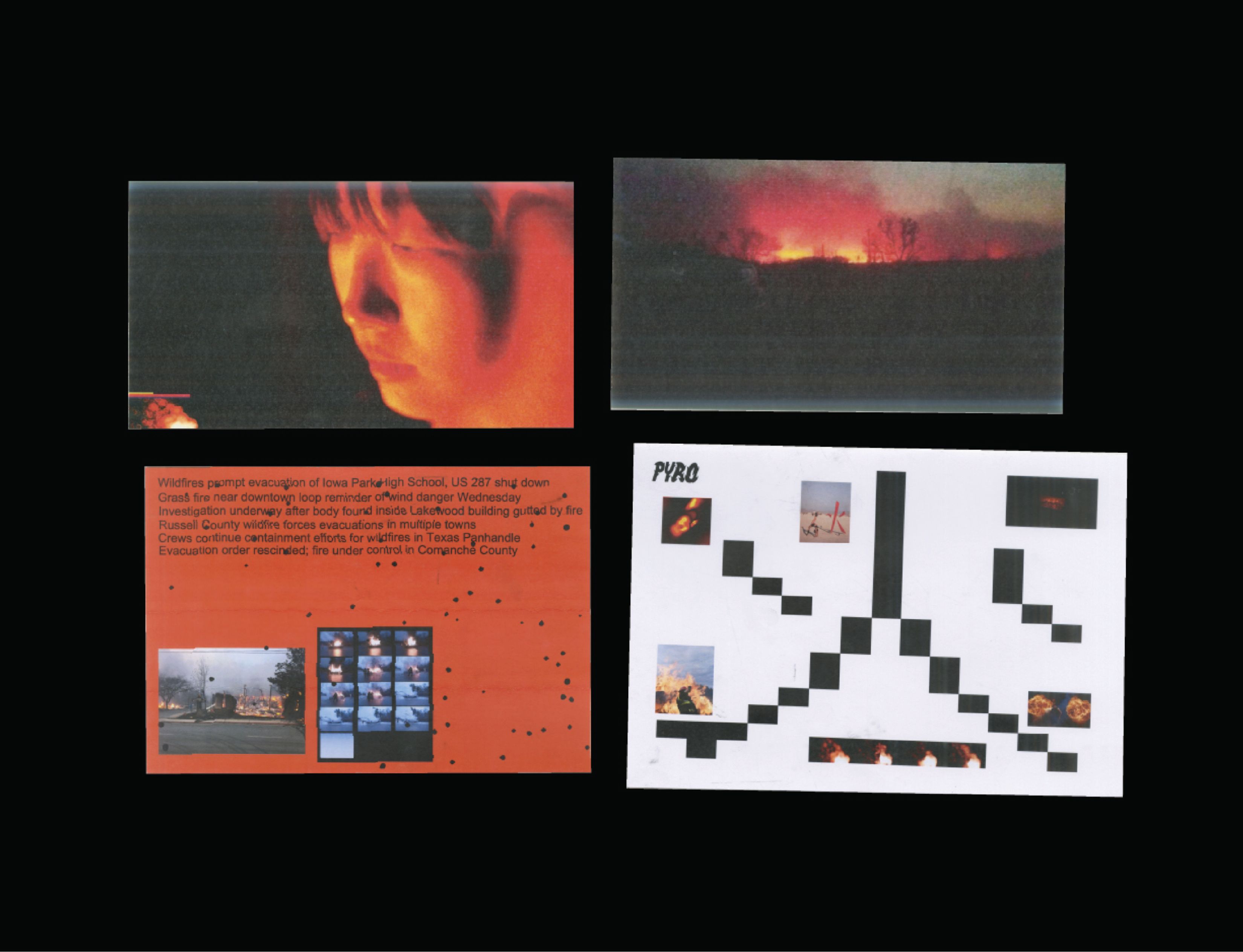
DICTE by Aaron Deng. © Aaron Deng
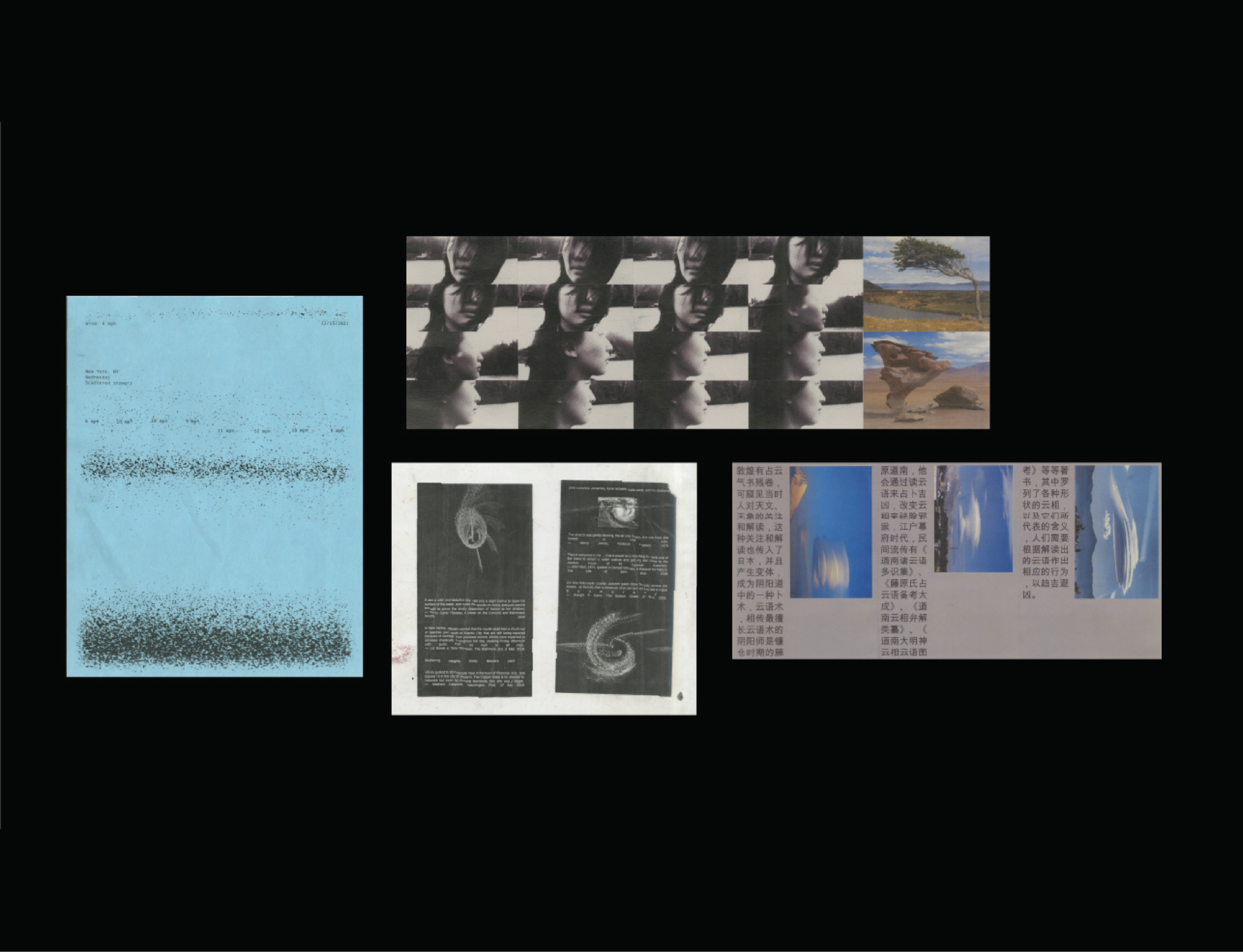
DICTE by Aaron Deng. © Aaron Deng
How much of your work is concerned with immersion – this idea of creating environments and experiences for your viewer through your creative direction?
Yes—through collaborating with different kinds of people and across different contexts, I’ve been exploring how immersion can be constructed in different ways. In formats like music videos or live shows, it’s very direct because visuals are part of the performance. They have to work together with lighting, production design, styling, and even the performers themselves, all supporting one another to create a cohesive environment and experience.
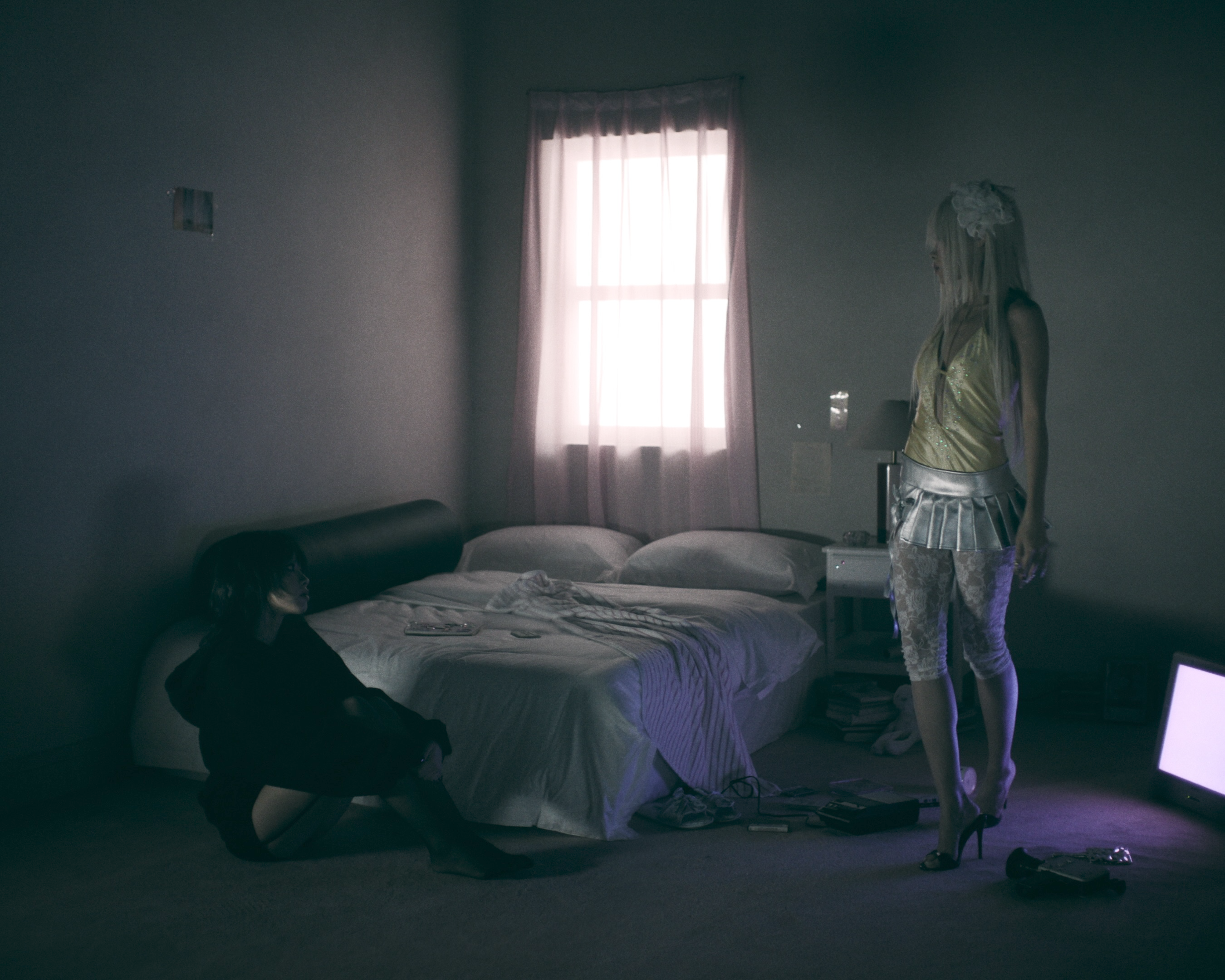
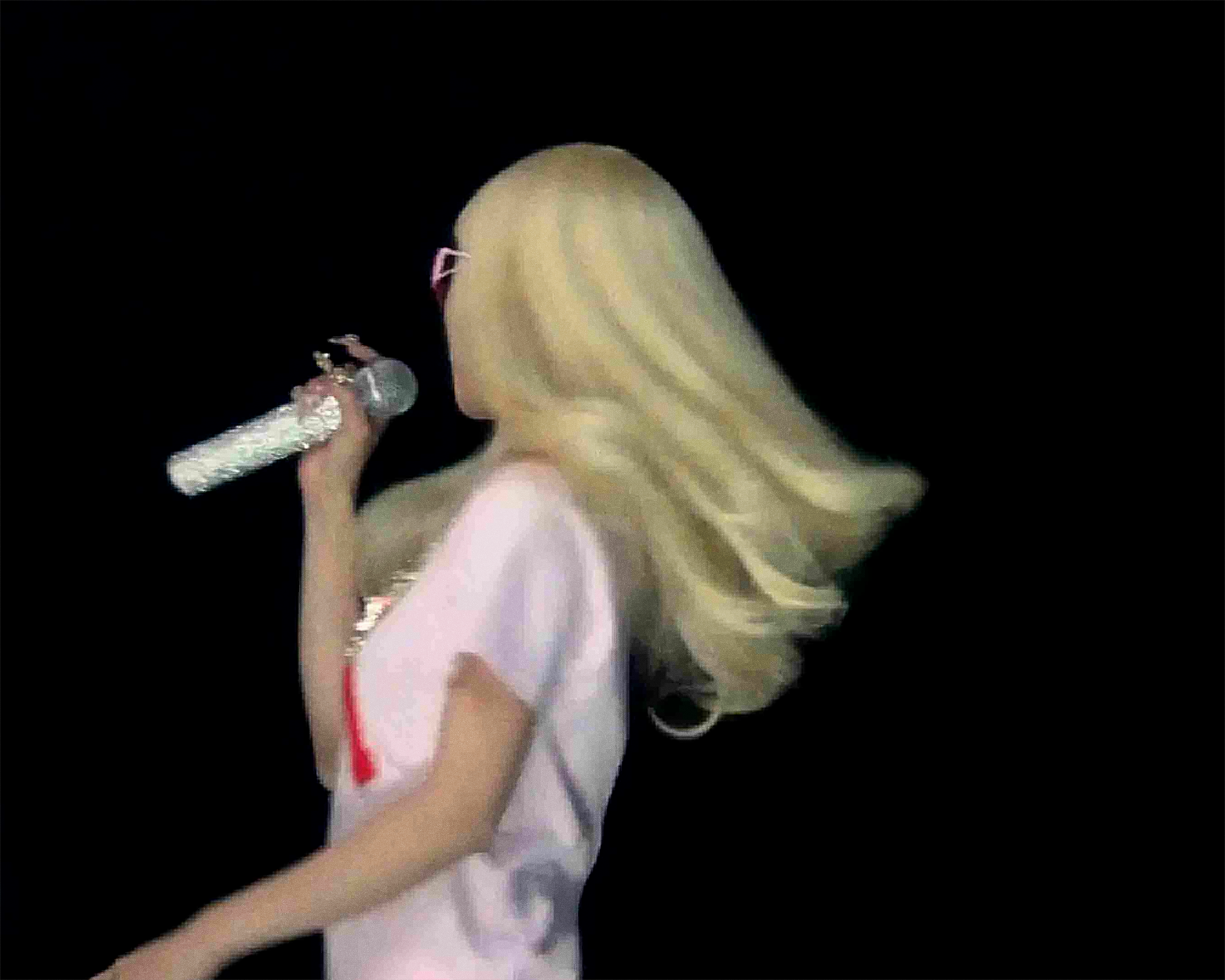
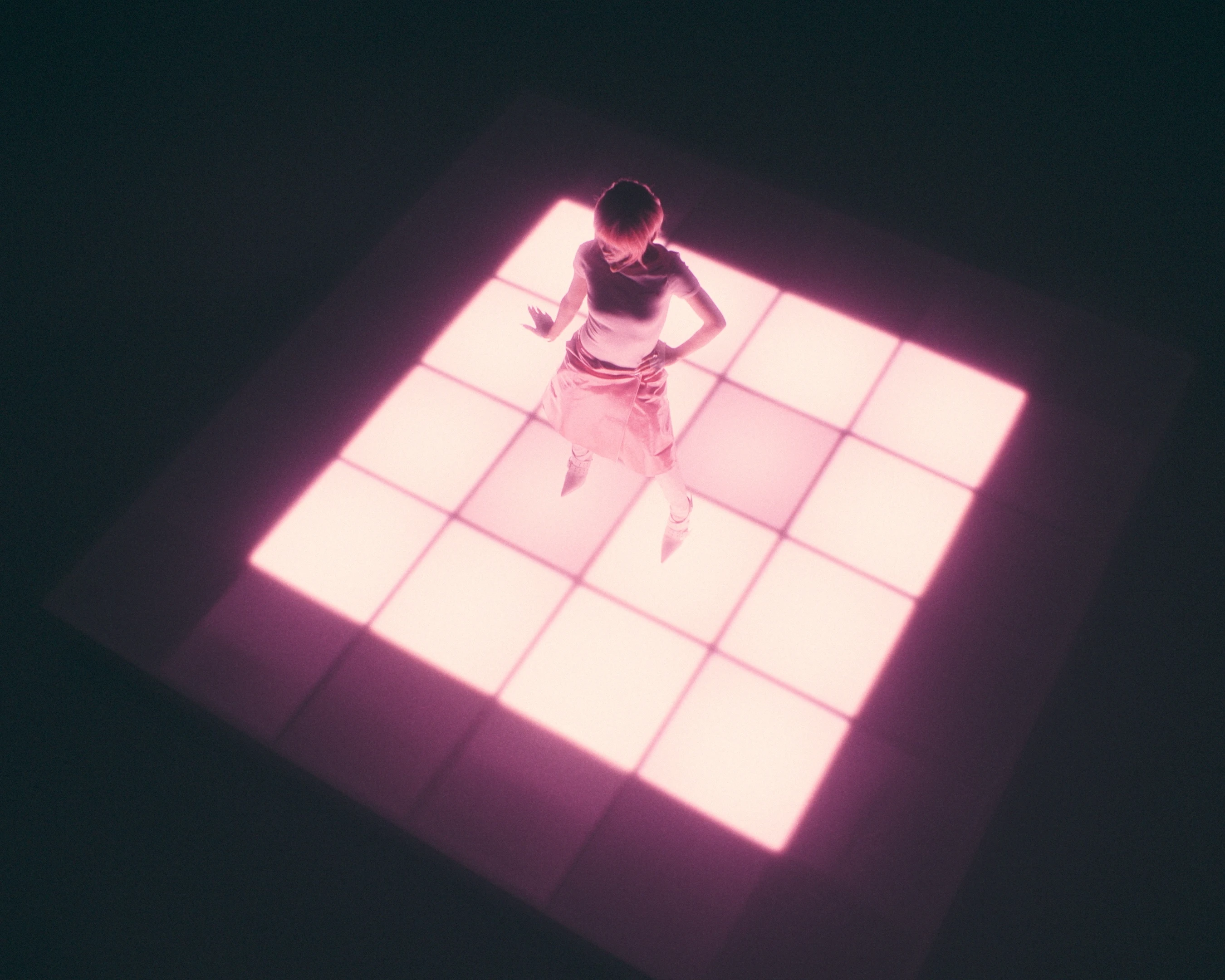
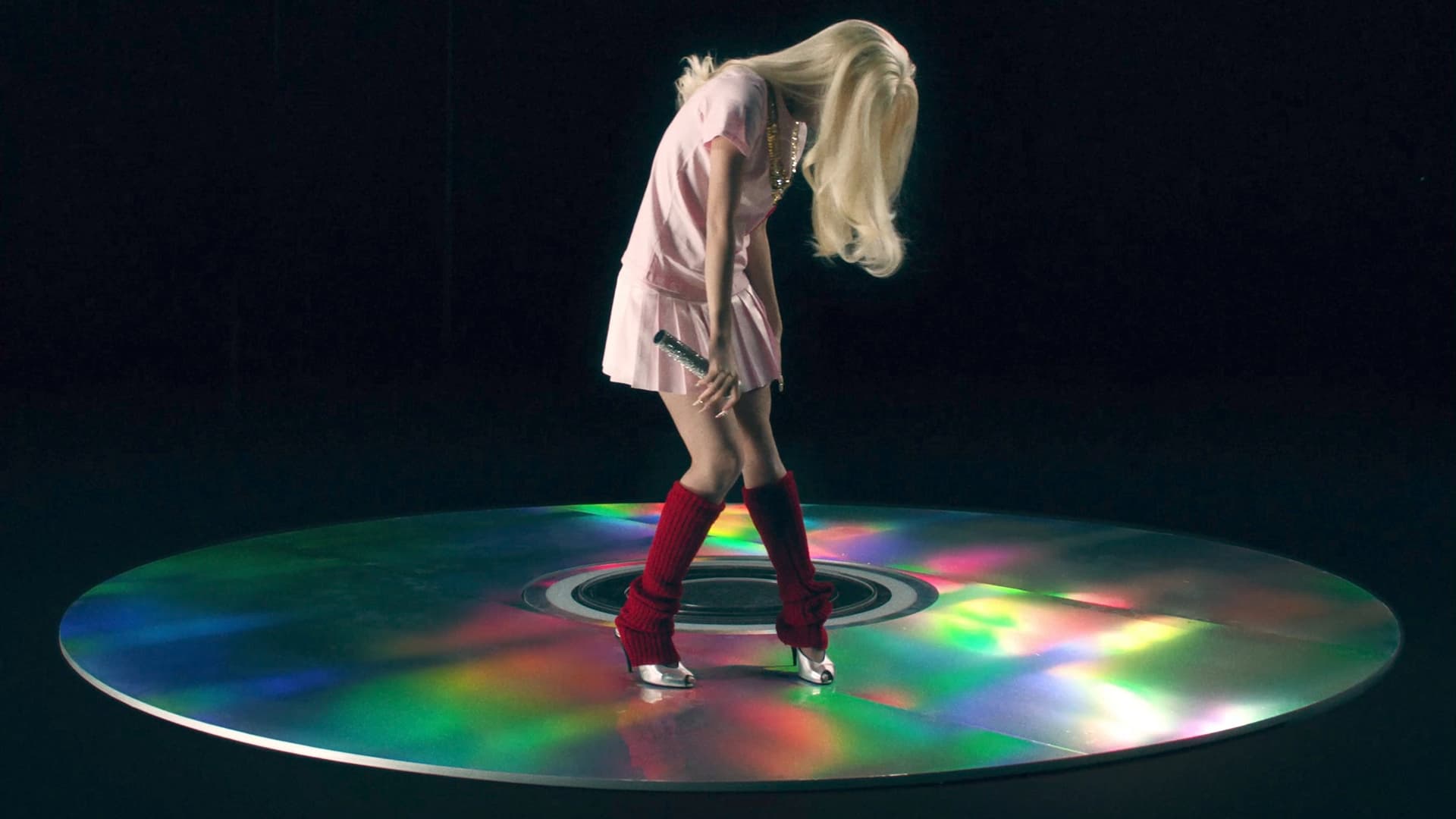
Pop Girl - Lexie Liu Music Video. Director: Aaron Deng. © Aaron Deng
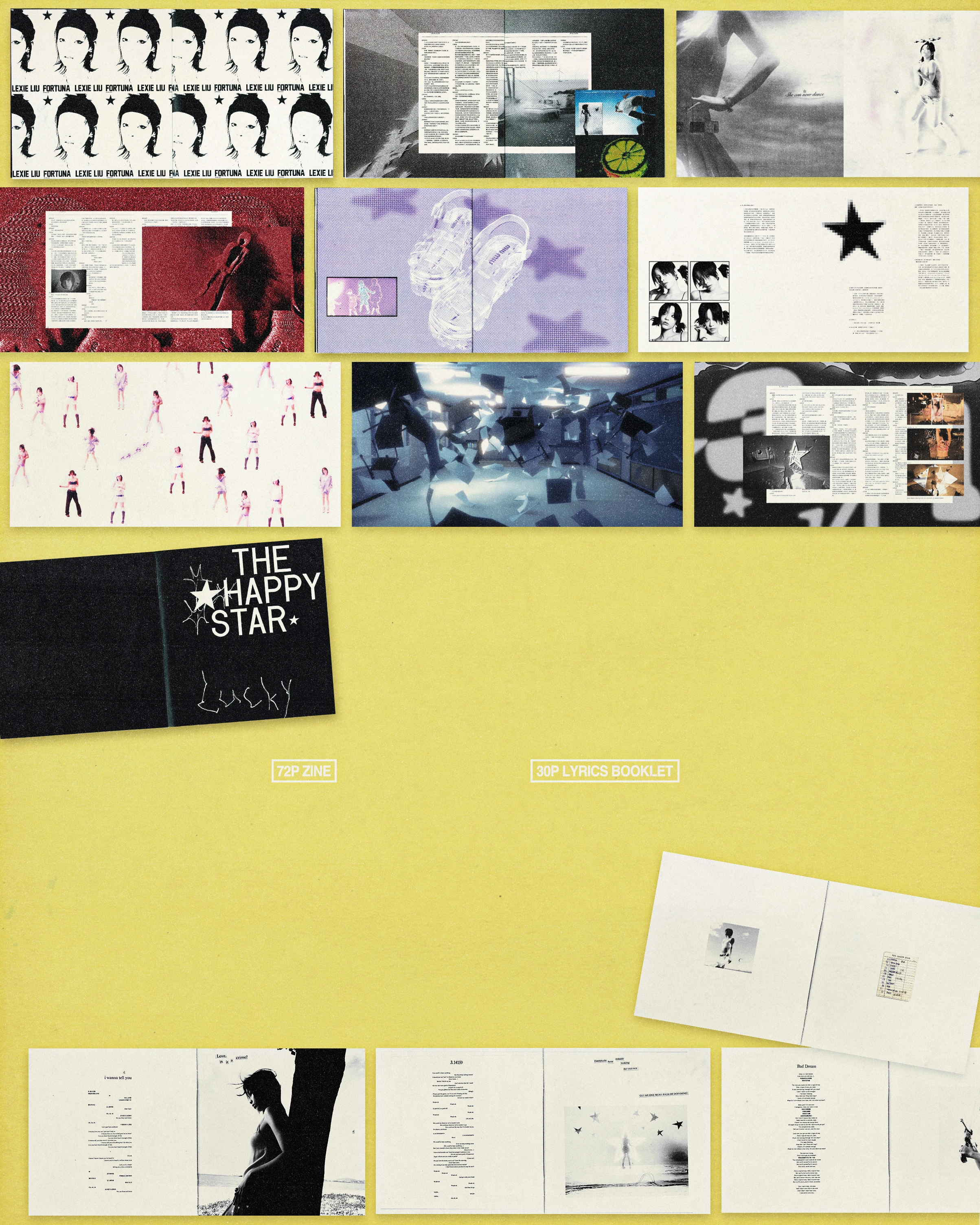
In a constrained context, such as graphic design, the approach varies. Since there isn’t a physical space in the same sense, immersion comes more from building a visual language - through typography, color, imagery, and layout systems - allowing these elements to extend across different formats. When they appear across posters, packaging, motion, or digital platforms, they begin to form a coherent atmosphere rather than isolated design pieces. For me, that’s another way immersion can exist within graphic design.
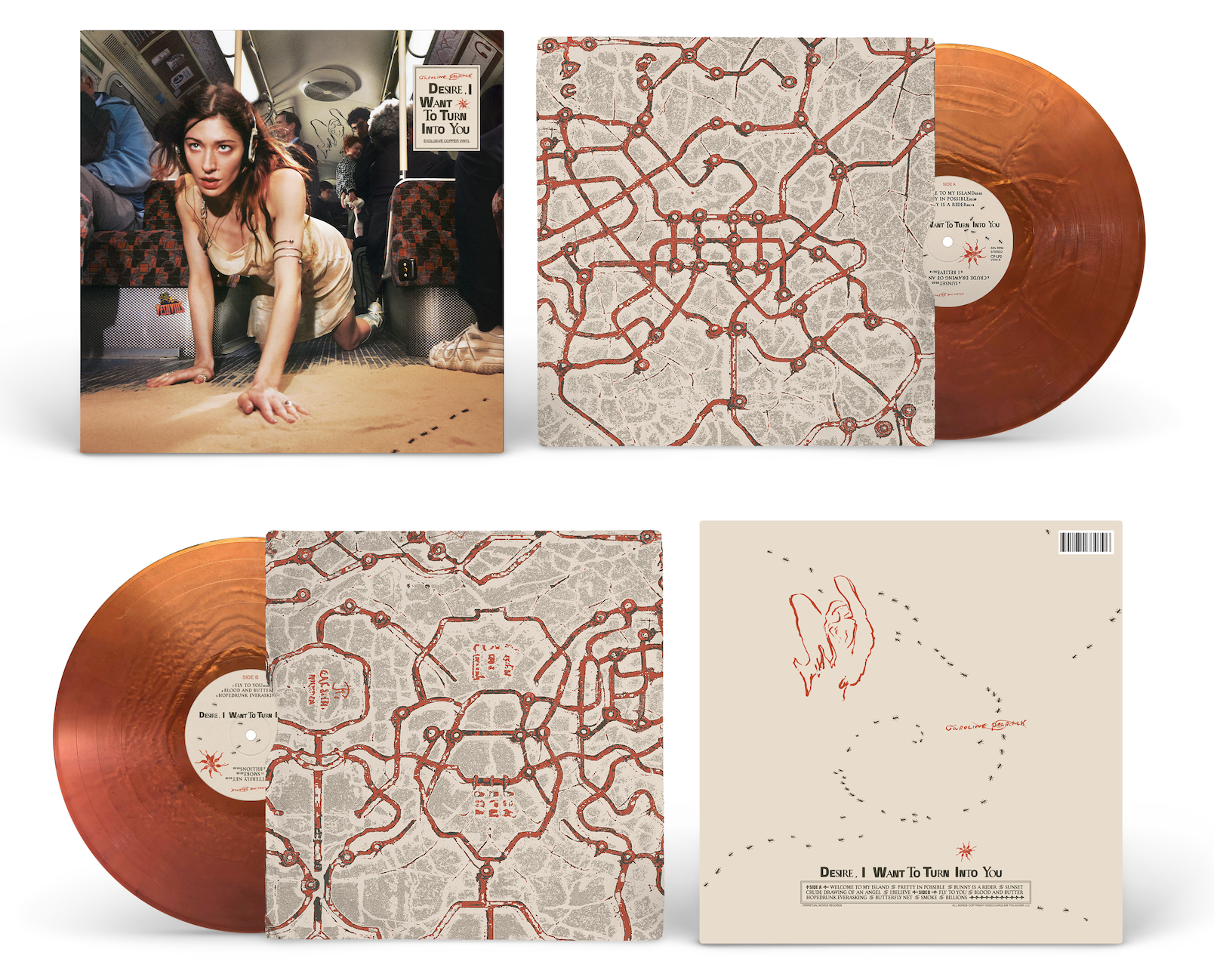
Caroline Polachek, DESIRE, I WANT TO TURN INTO YOU. Vinyl Package Design with Studio Pending. © Aaron Deng
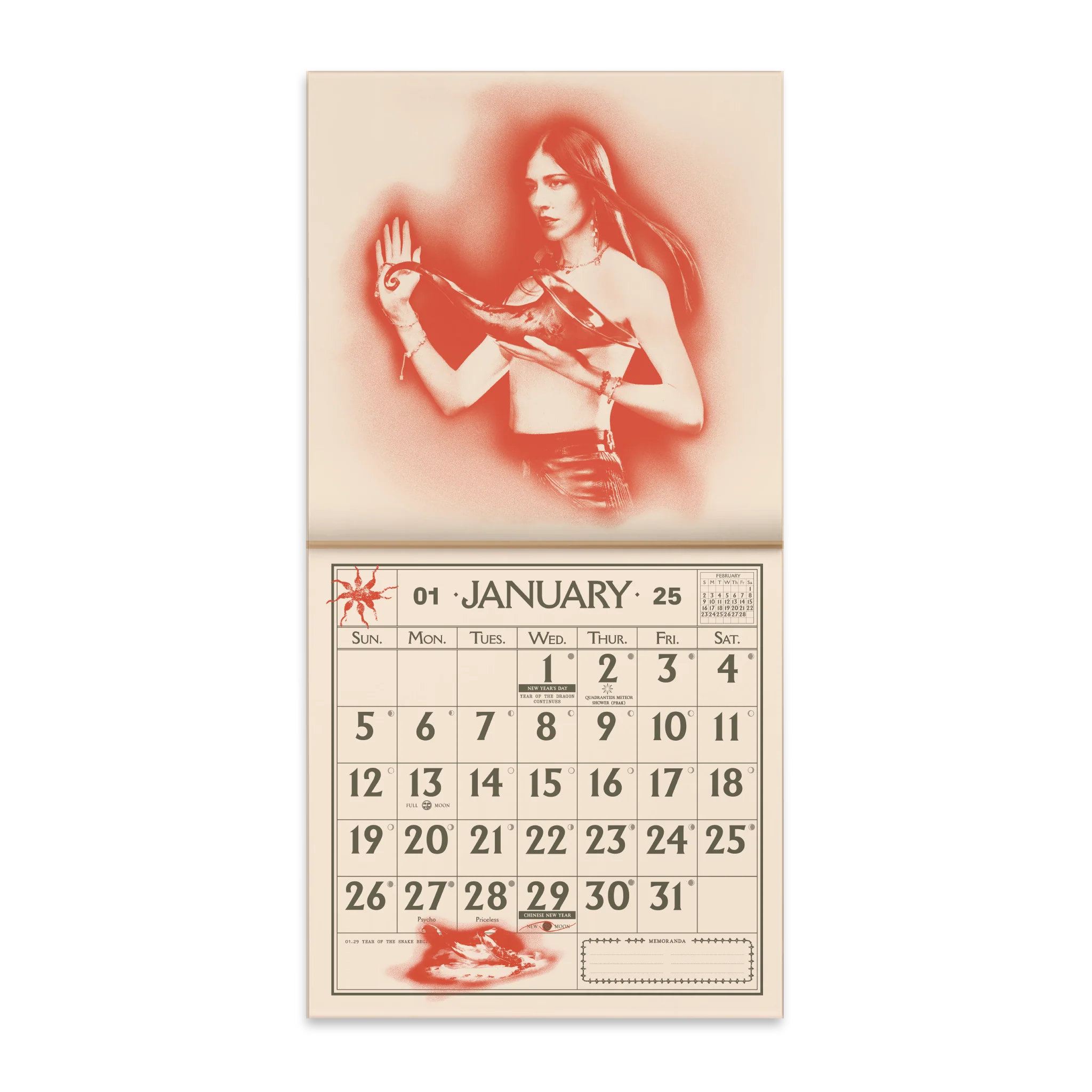
Caroline Polachek, DESIRE, I WANT TO TURN INTO YOU 2025 Calendar design with Studio Pending © Aaron Deng
Many of your projects stem from a wider variety of collaborations with artists, commercial brands, and fashion designers. How important has it been to work with such a diverse range of clients? What inspiration have you gained from them?
I really enjoy collaborating with creatives. Every industry has different needs, which means the emphasis in visual work also shifts accordingly. Through these diverse collaborations, I’ve learned to understand and adapt to different priorities while still maintaining my own artistic voice.