Everyone seems to envy young people just for being young. “Don’t waste these wonderful years,” “You’re so lucky,” “The best is yet to come.”
There are those who say, almost obsessively, that it’s vital to follow your dreams — no matter how hard it gets. They say it with wide eyes and dilated pupils, and for a moment you can’t help but wonder if maybe they’re really talking about their own dreams.
But what happens when a young person actually decides to take that advice? And what if that dream is to become an art publisher?
Often accused of lacking substance and of harboring unfounded ideas, young art publishers grapple with a rapidly changing world that requires them to change just as fast. But in which direction?
It is true that the ease and speed with which art books are produced today facilitates broad access to culture, and that’s something worth celebrating. Nonetheless, this same ease is gradually emptying books of their critical core, making them increasingly resemble a showcase: Who has the glossiest cover? Who carries the most influential name? Who is the most desperate to appear original?
Some publishers, both established and emerging, although open to welcoming cultural changes and perfectly aware of the latest trends, begin with an idea and remain faithful to it, despite the inevitable transformations imposed by society and, consequently, the market.
We have selected five of them, all very different from each other, often miles apart. But it is in this space that separates them — these uneven gaps — that the reader's freedom comes alive.
NERO EDITIONS (Rome, Italy) - The Essence of Experimental Publishing
“Don’t judge a book by its cover,” they say, but what if the cover is so much more than that? In the books of NERO Editions, design is just as important as the text itself. Bold, outrageous, always different in size, color and font, the covers reflect the strong and unapologetic spirit that drives the work of this daring Roman publisher founded in 2004. From handing out the magazine for free on the streets of the Eternal City to leading an international publishing house shipping worldwide, four young editors — Luca Lo Pinto, Lorenzo Micheli Gigotti, Francesco de Figueiredo, and Valerio Mannucci — represent the essence of experimental publishing.
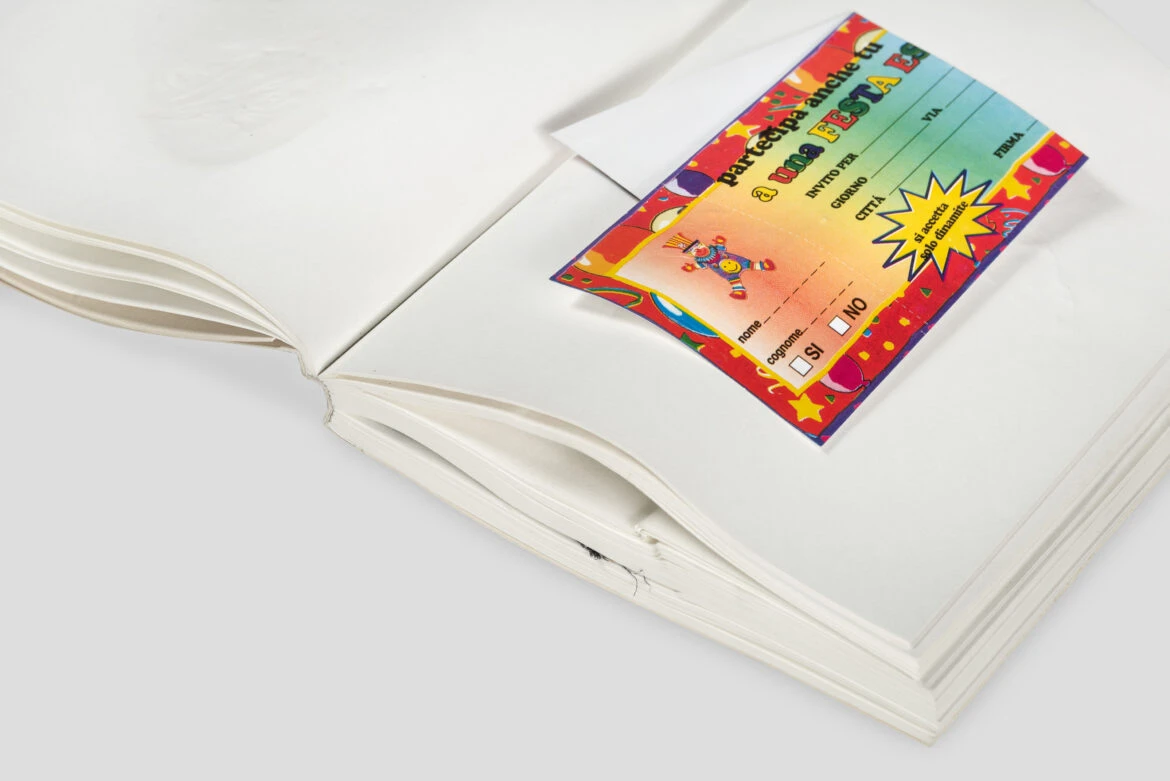
Daniel Knorr, LIBER ARTIFICIS. Published by NERO.
Someone on Facebook writes that their books have a “rest stop aesthetic,” but the editors don’t mind the honesty of the comment, considering it another way of saying: immediate, fearless, sometimes violent. Just one rule: it has to respect the author’s tone of voice.
Nothing interests them less than traditional beauty and comforting stories, so no wonder they started NOT, a series dedicated to introducing radical, international authors — such as Donna Haraway and Mark Fisher — to the Italian publishing scene, still deeply rooted in familiar narratives. Postcolonialism, feminism, philosophy, and many other topics are explored, showing how art is never pure but always intertwined with diverse spheres of knowledge.
Perhaps NERO’s greatest achievement has been understanding that both aesthetics and content speak for themselves, creating a space where their respective voices, clear and defined, can coexist.
ÉDITIONS TEXTUEL (Paris, France) - Books on Art and Politics
They don't print books; they write stories about the world we live in — stories that often go unnoticed, covered by the noise of traffic, gossip, and advertising, and yet are vital to our sustenance as human beings.
Founded in 1995 by Marianne Théry and Luce Pénot in the most romantic city in the world, Éditions Textuel has always sought to bring to light stories that have little to do with romance, but everything to do with love.
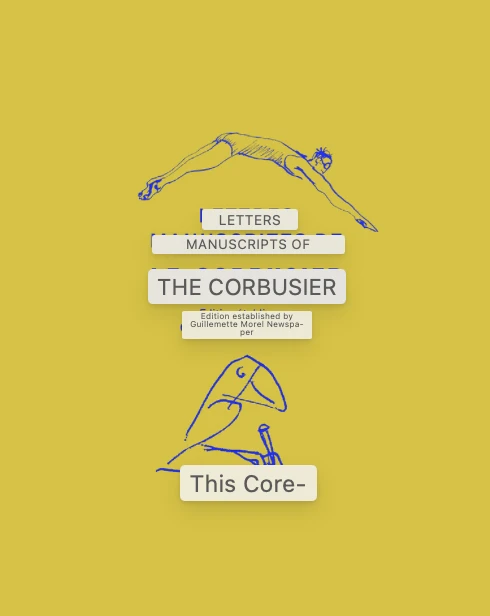
With an attentive and critical eye, the two editors explore issues central to our contemporary world — with no intention of sweetening stories that are sometimes brutal, dramatic, or violent. Their goal is not to create sensationalism for a hungry public, but to tell the truth.
With an initial focus on photography — before expanding into performative arts as well — their books recount the inspiring stories of those who have always struggled to be seen.
For instance, Casa Susanna by Isabelle Bonnet and Sophie Hacket tells one of the many heartbreaking stories in the political history of sexual minorities in post-war America, while Les Yeux des Gaza — among the latest, most relevant titles — is a tribute to the freelance Palestinian photojournalist Fatma Hassona, killed by the Israeli forces on April 16, 2025.
Guided by a strong social commitment, Éditions Textuel is well aware that reading is a political act. Despite all the ephemeral images and the social media trends that we see during our daily scrolling, we can still find the time to read about these lives that have so much to tell, that possess the stubbornness and the honesty that make the difference between a real story and mere content.
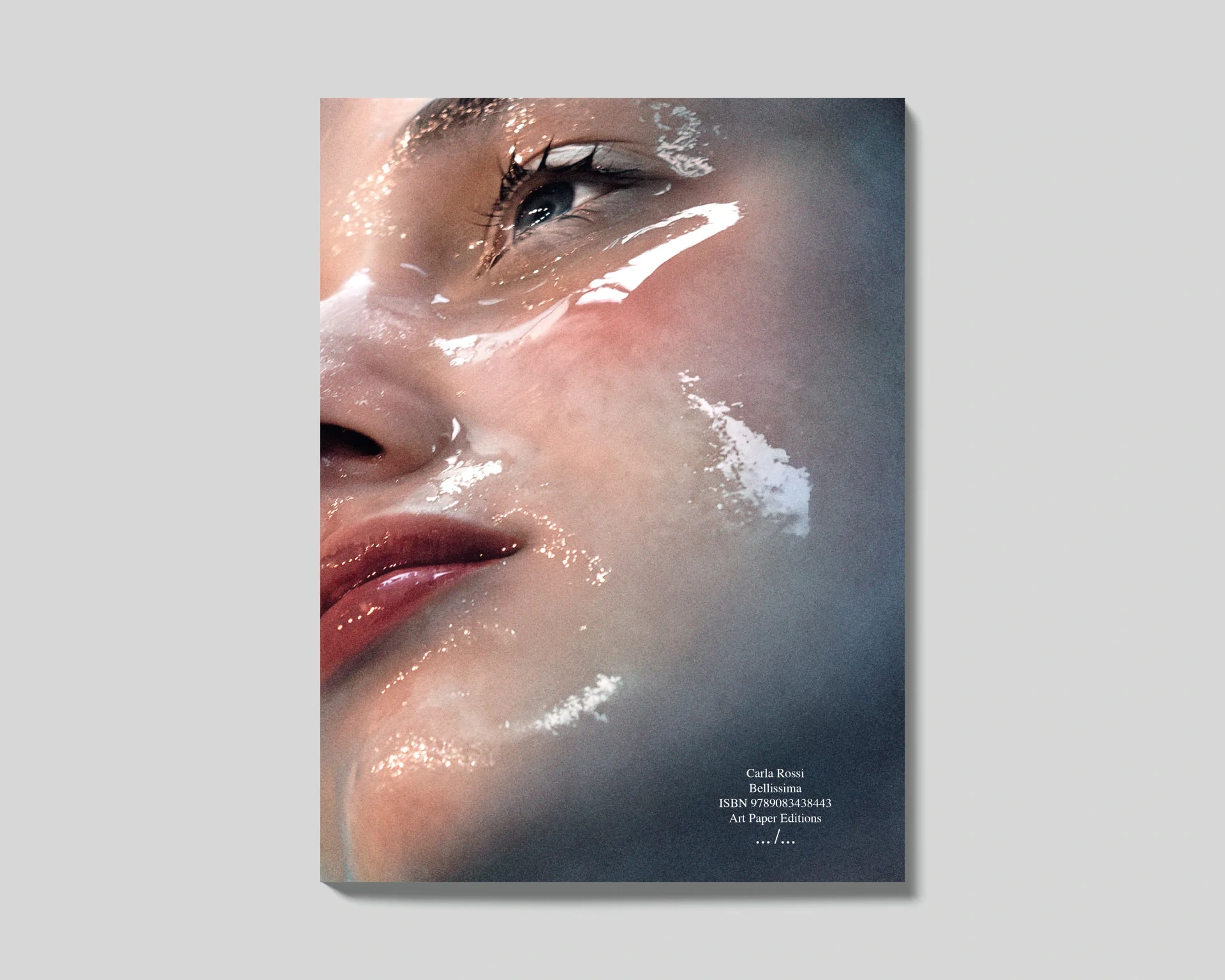
ART PAPER EDITIONS (Ghent, Belgium) - Books as an exhibition space
The complexity of a museum, the independence of an emerging gallery, and the accessibility of an artist-run basement — or, as Art Paper Editions describes itself, “Books as an exhibition space.” In the offices of the Ghent-based publisher, books are living things, speaking through materials, fonts, formats, and colors.