Ever opened a blank PowerPoint slide, a new Canva design, or an empty artboard and felt completely stuck? You want something that looks beautiful, professional, and original — but the ideas just aren’t coming. Creative block is incredibly common. The truth is that most designers don’t simply invent ideas from nothing. Instead, they actively search for inspiration. Looking at other work is not cheating — it’s one of the most important parts of the creative process.
The real trick is knowing where to look. Some platforms are perfect for discovering layouts, others for typography and color palettes, while some reveal complete creative projects and visual identities.
Below is a curated guide to some of the best platforms for graphic design inspiration, whether you’re working on branding, presentations, websites, or visual campaigns.
The First Rule: Get Inspired, Don’t Copy
When you find a design you love, the goal is not to replicate it exactly. Instead, break it down and understand what makes it work.
Ask yourself three simple questions:
What is the layout doing?
Look at the structure. Is the image dominant? Is the composition centered or asymmetric?
What colors are used?
Is the palette minimal with one accent color, or layered with multiple tones?
What is the typography vibe?
Does the text feel modern, editorial, playful, or classic?
By separating a design into layout, color, and typography, you can combine ideas from different sources and create something new.
Platforms That Instantly Spark Ideas
Pinterest remains one of the fastest ways to explore visual ideas. The key is searching with more precise phrases such as:
minimalist poster layout
editorial typography design
bold color palette branding
fashion campaign graphic design
Specific searches produce much stronger inspiration.
Canva Templates
Even if you don’t use Canva professionally, its template library is an excellent source of layout ideas. Browsing presentation templates, posters, or social media graphics can quickly reveal effective combinations of images, typography, and spacing.
WeDirectory
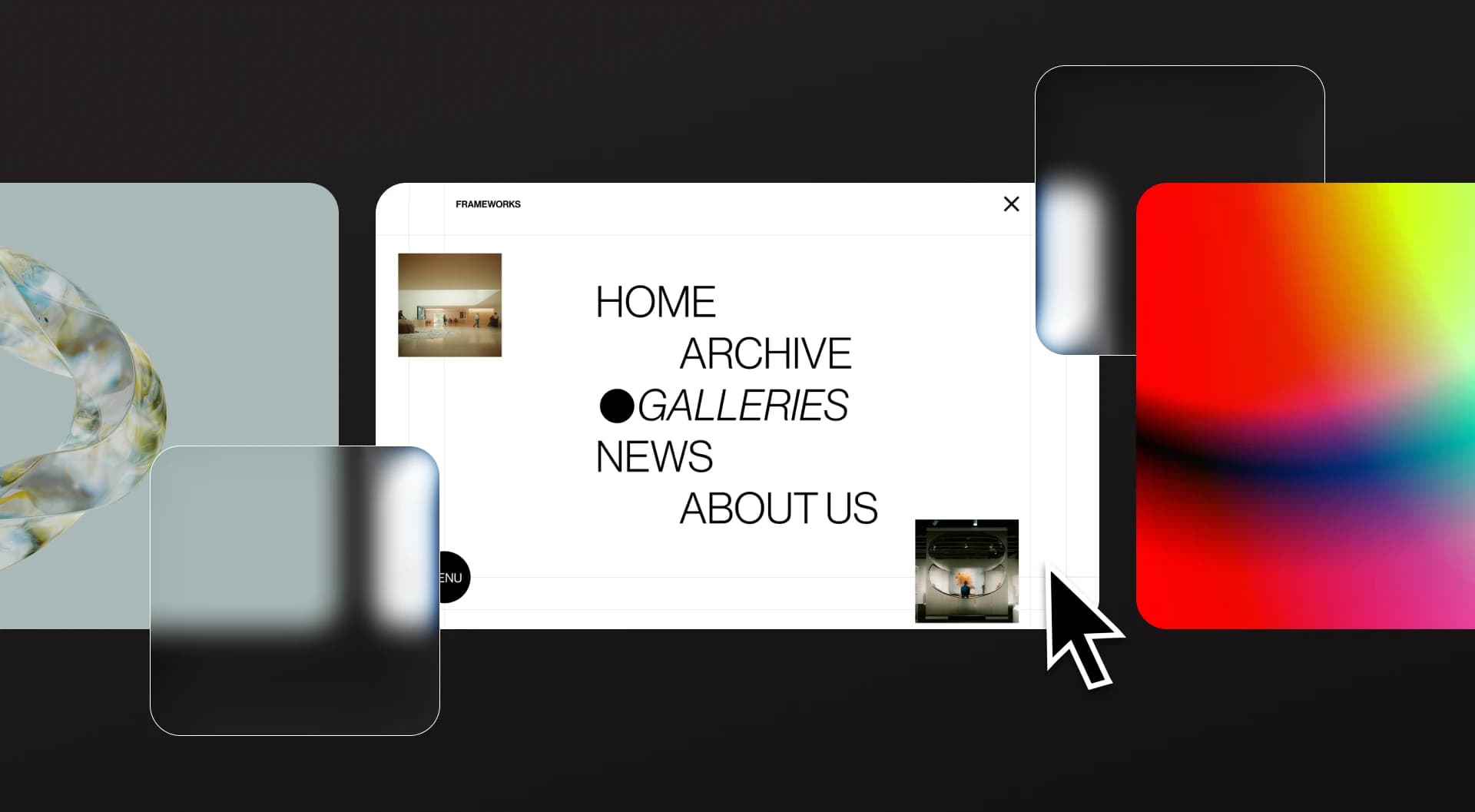
Another increasingly interesting place for inspiration is WeDirectory, a curated platform that brings together creative websites from across the worlds of art, design, fashion, architecture, and culture.
Unlike traditional inspiration platforms that focus on individual images, WeDirectory highlights entire creative projects, studios, and cultural brands. Each project is presented through a structured profile that allows visitors to explore the website, visual identity, and creative direction behind the work. Browsing these websites can provide deeper inspiration — not only for graphic design, but also for portfolio presentation, brand storytelling, and digital aesthetics. The platform already features thousands of creative projects and continues to grow with contributions from artists, designers, studios, magazines, and cultural organizations around the world.
Tools for Choosing Colors and Fonts
Color and typography are often where many design projects struggle. Fortunately, several tools make the process easier.
Coolors – Generates endless color palette combinations.
Color Hunt – A curated library of popular palettes.
Google Fonts – A massive collection of free professional fonts.
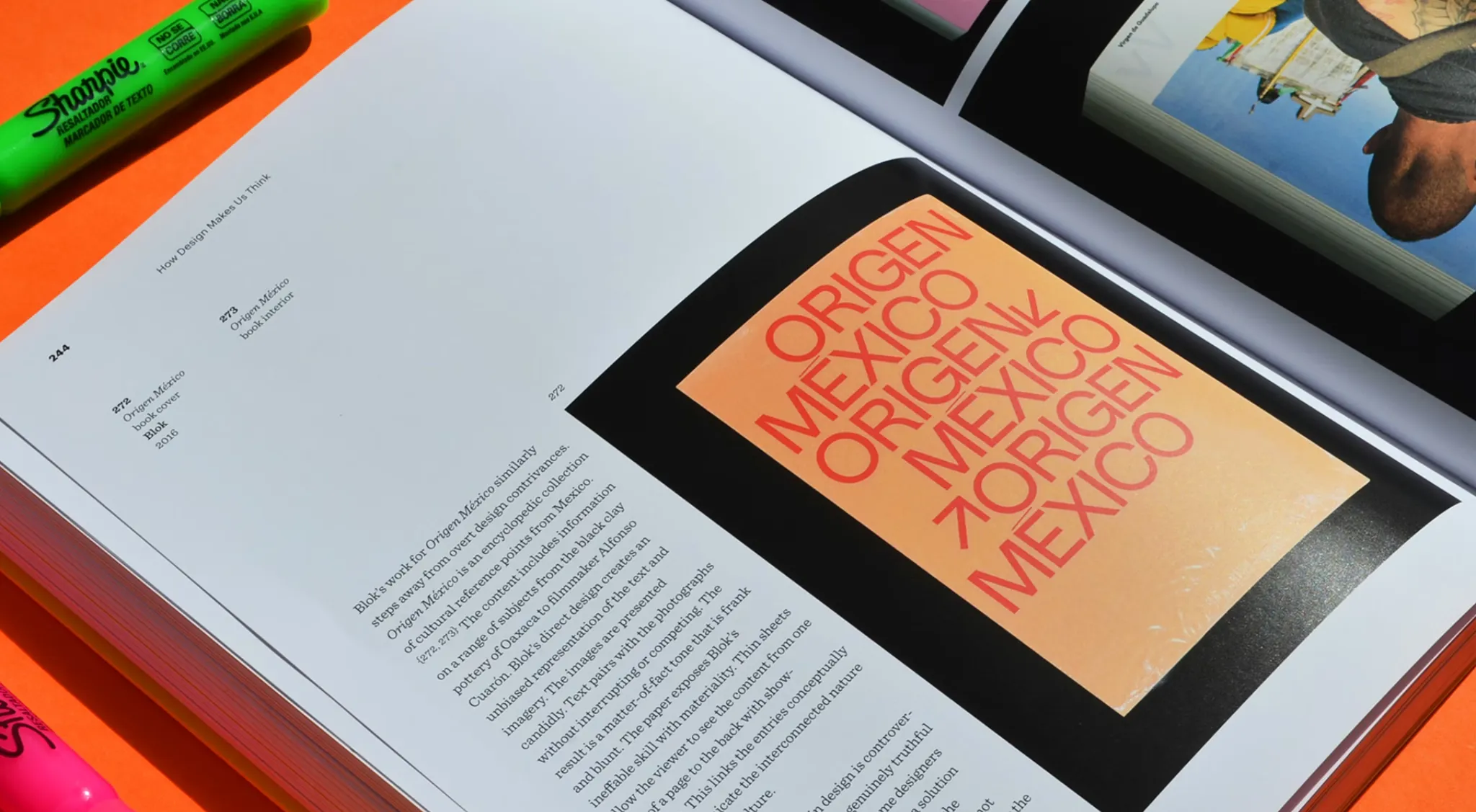
Fonts in Use – Real examples of typography used in posters, branding, and digital design.
Using these tools can help your designs look intentional and cohesive rather than random.
Where Professional Designers Showcase Their Work
To see how layouts, colors, and typography come together in finished design projects, two platforms are essential.
Behance
Behance allows designers to present full projects, from branding systems to editorial design and packaging concepts. It’s ideal for understanding the entire creative process.
Dribbble
Dribbble is more immediate and fast-paced. Designers share small visual snapshots called “shots,” making it a great source of quick inspiration for icons, app layouts, and typography.
Best Websites for Web Design Inspiration
Awwwards
Awwwards showcases some of the most visually impressive websites on the internet. It highlights innovative layout structures, creative typography, and strong visual storytelling.
When browsing, focus on details such as headline styles, spacing, and color contrast rather than the complex animations.
A Simple Trick: Build a Mini Moodboard
Instead of endlessly scrolling inspiration sites, try creating a small idea board.
Choose 2–3 platforms from this guide.
Save 5–10 designs that immediately catch your eye.
Look for patterns between them.
You might notice bold typography, dark backgrounds, minimalist layouts, or pastel color palettes. That pattern becomes your creative direction.
Once you recognize that direction, the blank page suddenly becomes much easier to start.